Complete Guide to Kifune Shrine (Aomori City, Aomori Prefecture) | Legend of Minamoto no Yoshitsune, History, Deities, and Access Information
Kifune Shrine, located in Nonai, Aomori City, Aomori Prefecture, is a historical shrine steeped in the legend of Minamoto no Yoshitsune. It is one of approximately 450 Kifune Shrines nationwide, with Kyoto’s Kifune Shrine as its head shrine, and has long been a center of local faith. This article comprehensively covers everything you need to know before visiting, from the history of Kifune Shrine and its enshrined deities to its highlights and access methods.
Basic Information about Kifune Shrine
Location and Access
Address: Around 290 Nonai Suzumori, Aomori City, Aomori Prefecture
Nearest Station: Within walking distance from Nonai Station on the Aoimori Railway
Kifune Shrine is located in the Nonai district in the northern part of Aomori City. Nonai Station on the Aoimori Railway is the nearest station, and it is within walking distance from the station. It is approximately a 20-minute drive from the center of Aomori City.
Deities and Divine Virtues
Deities: Takaokami-no-kami
Takaokami-no-kami, along with Kuraokami-no-kami, is known as a water deity who controls rain. He is especially revered by people involved in agriculture and fishing, and is believed to grant blessings for abundant harvests, rain, and protection from water-related disasters. This shrine enshrines the same deity as Kifune Shrine in Kyoto and is worshipped as a god of water and matchmaking.
History and Founding of Kifune Shrine
Founded in 1625
Kifune Shrine is said to have been founded in 1625, when it was discovered by Seiryu-ji Temple. Records indicate that it was initially called “Komori Shrine” (Child-Guardian Shrine) and was worshipped as a guardian deity of the region.
Restoration during the Keian Era
During the Keian era (1648-1652), the shrine was restored by the village headman, Ebina Mansuke. It is believed that the shrine buildings were significantly improved during this period, laying the foundation for the present-day shrine.
Development after the Genroku Era
During the Genroku era (1688-1704), the shrine buildings were also repaired and improved, and it developed as a center of local faith. Throughout the Edo period, it has a history of continuously attracting the faith of the people of the Nouchi district.
The Legend of Minamoto no Yoshitsune and Jorurihime
The Escape in 1189
Kifune Shrine has an interesting legend related to Minamoto no Yoshitsune. It is said that in 1189, after being betrayed by Fujiwara no Yasuhira and driven out of Hiraizumi, Minamoto no Yoshitsune passed through this Nouchi area on his way from Oshu to Ezo (Hokkaido).
Prayers at Kifune Shrine
According to legend, Yoshitsune stopped at Kifune Shrine during his escape and prayed for safe travels and a successful recovery. There are also records indicating that a ancestral sword, supposedly dedicated by Yoshitsune at that time, is still preserved at the shrine.
The Tragic Love Story of Jōruri-hime
During the Bunji era, this place is recounted as the setting for the tragic love story of Minamoto no Yoshitsune and Jōruri-hime. A legend also remains that Jōruri-hime nursed Yoshitsune when he fell seriously ill, adding a deep sense of historical romance to this region.
Records of Sugae Masumi and Furukawa Komatsuken
Records by Edo Period Travelers
Kifune Shrine also appears in the travelogues of Sugae Masumi and Furukawa Komatsuken, prominent Edo period travelers and folklorists. During their travels through the Tohoku region during the Tenmei era (1781-1789), they visited various shrines and temples in Aomori Prefecture and left detailed records.
The State of the Shrine Grounds at the Time
Sugae Masumi’s records describe the state of the Kifune Shrine grounds at the time and the faith of the local people. These records are valuable resources for studying the history, tourism, and sights of Aomori Prefecture.
Connection to Sakanoue no Tamuramaro
Legends from the Daido Era
A legend remains around Kifune Shrine that Sakanoue no Tamuramaro visited this area during the Daido era (806-810) when he was conquering the Emishi people. Tamuramaro was a warrior who played a major role in pacifying the Tohoku region, and legends about him remain in various places.
Historical Importance of the Nouchi Area
These legends suggest that the Nouchi area was a strategically important location from ancient to medieval times. Many historical figures are believed to have passed through this area, as it was a crucial point on the route from Aomori City towards the Shimokita Peninsula or to Ezo (present-day Hokkaido).
Highlights of the Shrine Grounds
Features of the Shrine Building
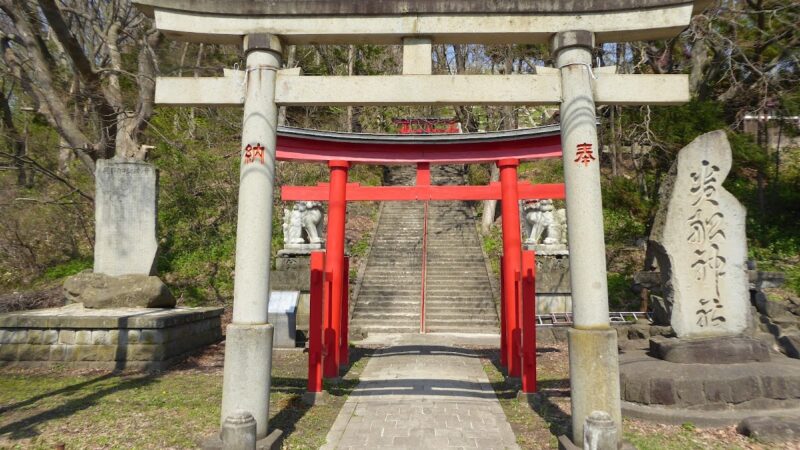
The shrine building of Kifune Shrine is a valuable structure that preserves the architectural style of the Edo period. Although not large in scale, it evokes a sense of history, having been carefully preserved by the local people.
Atmosphere of the Shrine Grounds
The shrine grounds are enveloped in a quiet and peaceful atmosphere, allowing visitors to offer their prayers in tranquility. The natural environment, surrounded by trees, provides a healing space that allows one to forget the hustle and bustle of the city.
As a Guardian Deity of the Region
Even today, it is carefully preserved by the local people, and various Shinto rituals are performed throughout the year. It also plays a central role in the local community.
Relationship between Kifune Shrine and the Kyoto Head Shrine
Nationwide Kifune Shrine Network
Kifune Shrine (Kifune Jinja, Kibune Jinja) has its head shrine in Sakyo-ku, Kyoto City, and there are approximately 450 shrines throughout Japan. The Kifune Shrine in Aomori City is also part of this network, and it is believed to have been established through a branch shrine in Kyoto.
Spread of Water Deity Worship
Kifune Shrine, which enshrines Takaokami-no-kami, spread throughout Japan as a center of water deity worship. In Japan, an agricultural country, water is the source of life, and the belief in the god who brings this blessing has been deeply preserved in various regions.
Nearby Tourist Attractions
Asamushi Onsen
Asamushi Onsen, located about 15 minutes by car from Kifune Shrine, is a representative hot spring resort in Aomori Prefecture. You can relax and soothe your fatigue in the hot springs after visiting the shrine.
Historical Sites in Aomori City
Aomori City is dotted with historical shrines and temples, including Utou Shrine. Visiting them together with Kifune Shrine will allow you to gain a deeper understanding of Aomori’s history.
Around Nonai Station
Around Nonai Station, historical sites and natural landscapes that tell the story of the region remain. You can enjoy a stroll within walking distance of the station.
Manners and Precautions for Visiting Shrines
Basic Worship Etiquette
- Bow before passing through the torii gate: Bow before entering the sacred area, in front of the torii gate.
- Purify at the water basin: Purify your hands and mouth before praying.
- Two bows, two claps, one bow: Follow the general worship etiquette for shrines.
Photography
Photography is generally permitted on the shrine grounds, but please remember that it is a sacred place and be considerate of other worshippers.
Consideration for the Local Community
Kifune Shrine is a shrine protected by the local community. When visiting, please be considerate of the lives of the local residents and pray quietly.
Annual Events and Eve Festival
Annual Festival and Eve Festival
Kifune Shrine holds various Shinto rituals throughout the year. The Eve Festival, held on the night before the annual festival, is a particularly important and beloved local event. The culture of Eve Festivals is deeply rooted in shrines throughout Aomori Prefecture, and at Kifune Shrine, it is an important opportunity for local people to gather.
Seasonal Events
In spring, there is a festival praying for a bountiful harvest; in summer, a festival of thanksgiving to the water god; and in autumn, a harvest festival. These seasonal rituals are held to this day, preserving the local traditions deeply intertwined with agriculture and fishing.
Access Details
Access by Public Transportation
Using the Aoimori Railway:
- Take the Aoimori Railway from Aomori Station and get off at Nonai Station.
- Accessible on foot from Nonai Station.
- Travel time: Approximately 15-20 minutes from Aomori Station.
Access by Car
From Aomori City Center:
- Head north on National Route 4.
- Travel time: Approximately 20 minutes.
- Parking: Parking spaces available on the temple grounds or in the surrounding area (checking details on-site is recommended).
From the Tohoku Expressway:
- Approximately 30 minutes from Aomori IC.
Utilizing Map Services
Before visiting, we recommend checking the detailed location and surrounding facilities using map services such as Mapion. Checking the walking route from Nonai Station in advance will also make your visit smoother.
Significance of Visiting Kifune Shrine
Experiencing Historical Romance
Kifune Shrine is steeped in multi-layered history, from the legends of Minamoto no Yoshitsune and the footsteps of Sakanoue no Tamuramaro to the records of Edo-period travelers. By reflecting on this history while visiting, you can experience the rich history and culture of Aomori Prefecture.
Gratitude to the Water God
Even today, water is indispensable to our lives. Offering gratitude for the blessings of water at Kifune Shrine, which enshrines Takaokami-no-kami, provides an opportunity to re-examine our harmony with nature.
Understanding Local Culture
Visiting Kifune Shrine, which has been preserved by the local people, is a valuable opportunity to understand the local culture of Aomori. In today’s increasingly urbanized world, such community-based places of worship are invaluable cultural heritage.
Summary
Kifune Shrine, located in Nonai, Aomori City, Aomori Prefecture, is a historic shrine that has attracted the faith of the local community for approximately 400 years since its founding in 1625. It is steeped in many historical episodes, including the legend of Minamoto no Yoshitsune and Jōrurihime, the legend of Sakanoue no Tamuramaro, and the records of Sugae Masumi and Furukawa Komatsuken.
Kifune Shrine, whose enshrined deity is Takaokami-no-kami, the god of water, is known for its divine blessings related to abundant harvests, rain, and protection from water-related disasters. It plays a part in a network of approximately 450 shrines nationwide, centered around its main shrine in Kyoto.
Its convenient location, within walking distance of Nonai Station on the Aoimori Railway, is also a major attraction, making it easy to visit in conjunction with sightseeing in Aomori City or a visit to Asamushi Onsen. The shrine grounds, carefully preserved by the local people, are enveloped in a quiet and peaceful atmosphere, providing a space where one can offer prayers in tranquility.
As part of your journey exploring the history, sights, and attractions of Aomori Prefecture, and as a place to express gratitude to the water deity, please consider visiting Kifune Shrine. It will be a memorable experience where you can feel the romance of history and the blessings of nature.