Hachimangu Shrine (Yamashita, Asamushi, Aomori City, Aomori Prefecture) Complete Guide | History, Deities, Access, and Highlights Explained in Detail
Hachimangu Shrine, nestled in the Asamushi Onsen hot spring resort area of Aomori City, Aomori Prefecture, is a historic shrine dating back to the Kamakura period. Situated in a quiet location slightly removed from the hustle and bustle of the hot spring town, it continues to attract the faith of local residents. This article comprehensively introduces all the information you need to know before visiting Hachimangu Shrine, including its detailed history, enshrined deities, highlights within the grounds, and access methods.
Basic Information about Hachimangu Shrine
Location and Contact Information
Address: 267-3 Yamashita, Asamushi, Aomori City, Aomori Prefecture 039-3501
Phone Number: 017-752-4378
Nearest Station: Asamushi Onsen Station, Aoimori Railway Line
Distance from Station: Approximately 5-6 minutes on foot (approximately 394-400m)
Location Information
Hachimangu Shrine is located at 140 degrees 51 minutes 53.63 seconds east longitude and 40 degrees 53 minutes 04.08 seconds north latitude. It is located approximately 400m south of Asamushi Onsen Station, and is a shrine situated in the heart of the Asamushi hot spring town. The surrounding area is dotted with hot spring inns and cafes, making it a convenient location for combining sightseeing and worship.
History and Origins of Hachimangu Shrine
Circumstances of Founding
There are several theories regarding the founding of Hachimangu Shrine. The oldest theory suggests the shrine was founded in 1282 (Kōan 5), giving it a history dating back to the late Kamakura period. This period coincided with the immediate aftermath of the Mongol invasions and a time when Hachiman worship was gaining popularity nationwide.
Another theory suggests the shrine was established in 1674 (Enpō 2) when Suwa Jūrō Yoshikuni founded the area. This period in the mid-Edo period overlaps with the time when Asamushi began to develop as a hot spring resort.
In either theory, the Hachiman Shrine has long been a center of faith for the villagers and has functioned as a spiritual pillar for the region.
Developments since the Modern Era
With the Meiji Restoration, the shrine system was reformed, and the Hachiman Shrine was designated a village shrine on March 13, 1873 (Meiji 6). This established its status as an officially recognized local shrine.
Throughout the Meiji, Taisho, Showa, Heisei, and Reiwa eras, Hachiman Shrine has continued to watch over the development of the Asamushi Onsen hot spring resort town, welcoming worshippers from both local residents and tourists. Even as the hot spring town modernized, it maintained its tranquil atmosphere.
Deity and Divine Virtues
Deity: Homudawake-no-Mikoto
The deity enshrined at Hachiman Shrine is Homudawake-no-Mikoto. This is the divine name of Emperor Ojin, the 15th emperor, and is the principal deity worshipped at Hachiman shrines throughout Japan. Homudawake-no-Mikoto is widely worshipped as Hachiman-shin, and while possessing characteristics of a god of war and military prowess, he has also been revered as a god of agriculture and industry.
Divine Virtues
The divine virtues of Hachiman are diverse:
- Long-lasting Military Fortune and Good Luck in Competitions: Due to his nature as a god of war, people pray for success in competitions and contests.
- Protection from Misfortune and Bringing Good Fortune: Warding off misfortune and inviting good luck.
- Family Safety: Protection of family health and peaceful living.
- Business Prosperity: Success and prosperity in business.
- Traffic Safety: Safe travels and safe return.
Located in the tourist area of Asamushi Onsen, many visitors come to pray for the safety of travelers and the prosperity of the region.
Highlights of the Shrine Grounds
Atmosphere of the Shrine and Grounds
Despite being located in the Asamushi Onsen area, the grounds of Hachiman Shrine are enveloped in a quiet and peaceful atmosphere. It is situated at the end of a narrow street in the hot spring town, and the route to the shrine offers a view that evokes a sense of old-world charm.
The shrine building is constructed in the traditional style of Shinto architecture and, although not large in scale, is meticulously maintained. The grounds are spotlessly clean, welcoming visitors with a refreshing feeling.
Komainu (Guardian Dogs) and Stone Sculptures
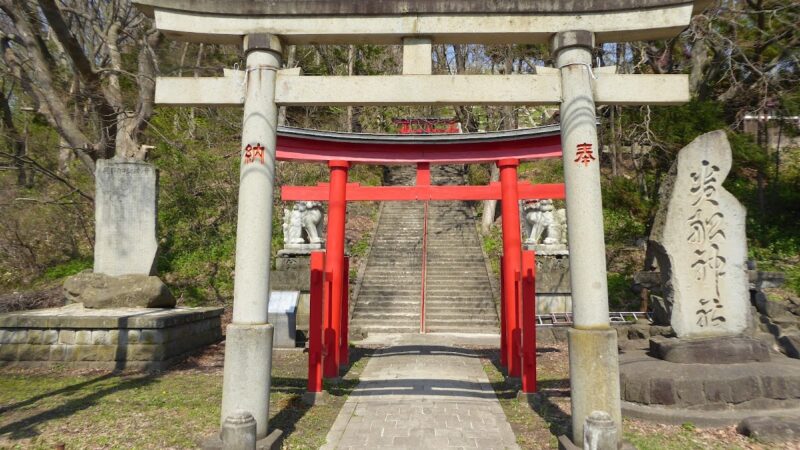
The shrine grounds are dotted with guardian dogs (komainu) that evoke a sense of history. These stone sculptures are valuable cultural assets that tell the story of the shrine’s history and are popular spots for photography. The expressions and forms of the komainu reflect the characteristics of their respective eras, making them a must-see for shrine enthusiasts.
Panoramic View of Asamushi Onsen Town
From the grounds of Hachimangu Shrine, you can enjoy panoramic views of Asamushi Onsen town and the surrounding area. In particular, the walking path extending from the grounds continues to Inari Shrine, located beyond the Utou Tunnel (a tunnel used when traveling from central Aomori City to Asamushi), and is also used as a hiking course.
While walking is difficult in winter due to snow, during the snowmelt season, you can enjoy a stroll while appreciating the beautiful contrast of the sea and sky. This view offers a unique blend of colors in winter, with snow, sea, and sky creating a beautiful tapestry of nature throughout the seasons.
Photography Tips
Hachimangu Shrine is also an attractive photography spot:
- Front of the Shrine: Capture the beauty of traditional shrine architecture
- Komainu (Guardian Dogs): Photograph the details of these historical stone structures
- View from the Shrine Grounds: Enjoy the scenery of Asamushi Onsen town and the sea
- Approach to the Shrine: Experience the atmosphere of the narrow streets of the hot spring town
- Seasonal Scenery: Enjoy the changing seasons, including cherry blossoms, fresh greenery, autumn leaves, and snowscapes
Access
Access by Train
Asamushi Onsen Station on the Aoimori Railway Line is the nearest station.
- From Aomori Station: Approximately 20 minutes on the Aoimori Railway Line, get off at Asamushi Onsen Station.
- From Hachinohe: Get off at Asamushi Onsen Station on the Aoimori Railway Line.
- On foot from the station: Approximately 5-6 minutes on foot (about 400m) from the Asamushi Onsen Station exit.
The route from the station to the shrine is relatively easy to follow; you walk through the hot spring town. There are signs along the way, so you are unlikely to get lost.
Access by Car
- From central Aomori City: Approximately 30 minutes via National Route 4.
- From Aomori East IC on the Aomori Expressway: Approximately 20 minutes.
The roads in the Asamushi Onsen area are narrow in some places, so caution is required when driving. For parking, it is recommended to use the public parking lots in the hot spring town or check in advance.
Using Google Maps
When heading to the location, you can check the exact location and route by searching for “Hachimangu Shrine, Asamushi, Aomori City” on Google Maps. Using your smartphone’s GPS function should allow you to arrive without getting lost.
Manners and Etiquette for Visiting a Shrine
Basic Manners for Visiting a Shrine
When visiting a Hachiman Shrine, please observe the following basic manners:
- Bow before passing through the torii gate: This is a sign of respect before entering the sacred area.
- Walk along the edge of the approach to the shrine: The center is considered the path for the gods.
- Purify yourself at the water basin: If there is a water basin, purify your hands and mouth.
- Manners in front of the main hall:
- Quietly place your offering in the offering box.
- Ring the bell if there is one.
- Two bows, two claps, one bow (bowing twice, clapping twice, bowing once).
- Bow upon leaving: After leaving the torii gate, turn around and bow once.
Manners for Photography
Photography is generally permitted on the shrine grounds, but please note the following:
- Refrain from taking photographs inside the shrine buildings, or obtain permission.
- Be considerate of other visitors.
- Please use flash photography sparingly.
- When posting on social media, please be mindful of disclosing location information.
Goshuin Information
You can receive a goshuin (temple/shrine stamp) at Hachimangu Shrine. Goshuin are an important memento of your shrine visit and a significant element for shrine enthusiasts.
How to Obtain a Goshuin
- Reception Hours: During the hours the shrine office is open (prior phone confirmation is recommended).
- Offering Fee: Generally around 300-500 yen.
- Goshuincho (Goshuin notebook): Bring your own, or you may be able to purchase one on-site.
When requesting a goshuin, it is considered good manners to speak to the shrine office after completing your prayers. While some shrines offer electronic goshuin services, these may not be official, so confirmation is necessary.
Nearby Tourist Attractions
Asamushi Onsen Hot Spring Resort
Asamushi Onsen, where Hachimangu Shrine is located, is a representative hot spring resort in Aomori Prefecture, sometimes called the “Atami of Tohoku.” Located in a scenic area facing Mutsu Bay, the following facilities are available:
- Day-trip hot spring facilities: Day-trip bathing is available at several inns.
- Asamushi Aquarium: A popular facility exhibiting marine life from Mutsu Bay.
- Asamushi Coast: A beautiful coastline and swimming beach.
- Yunoshima: A small island that is a symbol of Asamushi Onsen.
Nearby Shrines and Temples
There are other shrines to visit around Hachimangu Shrine:
- Hachidai Ryujingu: A shrine dedicated to the dragon god located in the Asamushi Onsen area.
- Hirota Shrine: A historical shrine in Aomori City.
- Inari Shrine: A shrine located at the end of a walking path.
Visiting these shrines in the “Asamushi Shrine Pilgrimage” is a popular course that can be enjoyed in combination with hot spring sightseeing.
Cafes and Restaurants
There are also cafes and restaurants scattered throughout the Asamushi Onsen area that you can stop by after visiting the shrines. There are restaurants serving dishes made with local seafood and offering a relaxing atmosphere unique to a hot spring town.
Seasonal Highlights
Spring (March-May)
As the snow melts, the plants in the temple grounds begin to sprout, signaling the arrival of spring. During cherry blossom season, the entire hot spring town is enveloped in a vibrant atmosphere. The walking paths become pleasant, making it an ideal season for hiking.
Summer (June-August)
The fresh greenery is beautiful, creating a stunning contrast with the blue sea of Mutsu Bay. This coincides with the Asamushi Onsen swimming season, attracting many tourists. Local events such as summer festivals are sometimes held.
Autumn (September-November)
During the autumn foliage season, the temple grounds and surrounding mountains are ablaze with color, offering beautiful scenery. Visiting the temple in the crisp air is exceptional, and it’s an ideal season for photography.
Winter (December to February)
The snow-covered shrine grounds are enveloped in silence, creating a solemn atmosphere. The unique colors created by the snow, sea, and sky are a breathtaking winter spectacle. However, the ground can be slippery, so warm clothing and non-slip shoes are essential.
Points to Note When Visiting
Clothing and Items to Bring
- Seasonal Clothing: Especially in winter, be sure to take thorough precautions against the cold.
- Comfortable Walking Shoes: Sneakers are recommended as you will be walking around the shrine grounds and walking paths.
- Rain Gear: As the weather in this area can change quickly, a folding umbrella is recommended.
- Camera: Don’t forget if you plan to take photos.
Visiting Hours
Shrines are generally recommended to be visited during the daytime. Avoid visiting at night and visit during daylight hours. Since the shrine office hours may be limited, it is recommended to check by phone in advance if you wish to receive a Goshuin (shrine stamp).
Accessibility Information
We recommend checking access to the shrine grounds and their condition in advance. Due to the narrow streets of the hot spring town, wheelchair access may be difficult.
Historical Connections Between Hachimangu Shrine and Asamushi Onsen
Asamushi Onsen has a long history, with hot springs believed to have been discovered as early as the Heian period. One theory suggests the name “Asamushi” originates from “asamushi,” meaning “hemp steaming” or “hemp processing.”
Hachimangu Shrine has walked hand-in-hand with Asamushi’s history. It has watched over Asamushi as it developed as a hot spring resort and has functioned as a spiritual pillar for the local residents. The development of the hot spring town and the history of the shrine are closely intertwined and remain a part of the region’s identity today.
Community Involvement
Local Events and Festivals
Hachimangu Shrine holds various festivals and events throughout the year. These festivals, in which local residents participate, are important opportunities to strengthen community bonds.
Local Residents’ Faith
Since its founding, Hachiman Shrine has been cherished by the local residents as “a place of worship for the entire village.” Even today, many local residents visit the shrine at important life events such as New Year’s Day, Shichi-Go-San (a traditional rite of passage for children), and exorcisms, functioning as a shrine deeply rooted in their lives.
Recommended Sightseeing Courses
Half-Day Course (3-4 hours)
- Arrive at Asamushi Onsen Station (10:00)
- Visit Hachimangu Shrine (10:10-10:40)
- Stroll through Asamushi Onsen town (10:40-12:00)
- Lunch (Seafood, etc.) (12:00-13:00)
- Asamushi Aquarium or Day Trip to a Hot Spring (13:00-14:30)
- Depart from Asamushi Onsen Station (15:00)
Full-Day Course (7-8 hours)
- Depart from Aomori Station (9:00)
- Arrive at Asamushi Onsen Station (9:20)
- Visit Hachidai Ryujingu Shrine (9:30-10:00)
- Visit to Hachimangu Shrine (10:10-10:40)
- Stroll along the walking trail (10:40-12:00)
- Lunch (12:00-13:00)
- Asamushi Aquarium (13:00-15:00)
- Relax at a day-trip hot spring (15:00-16:30)
- Break at a cafe (16:30-17:00)
- Departure from Asamushi Onsen Station (17:30)
Summary
Hachimangu Shrine, located in Yamashita, Asamushi, Aomori City, Aomori Prefecture, is a shrine with a history and tradition dating back to the Kamakura period. It enshrines Homudawake-no-Mikoto and is known for its divine blessings of military success, protection from evil, and family safety.
Located just a 5-6 minute walk from Asamushi Onsen Station, this shrine boasts an excellent location, making it a great place to combine a visit with a hot spring getaway. From the shrine grounds, you can enjoy a panoramic view of the Asamushi Onsen town and appreciate the beautiful scenery that changes with the seasons.
Despite being in the heart of a hot spring town, Hachimangu Shrine offers a quiet and peaceful atmosphere, making it a place where you can find peace of mind during your visit. When visiting Aomori Prefecture, why not plan a visit to Hachimangu Shrine along with a soak in Asamushi Onsen? A visit to this historic shrine followed by relaxation in the hot springs will surely be a wonderful experience that refreshes both your mind and body.