Hachimangu Shrine (Okawazoe, Shimizu-gawa, Hiranai-cho, Aomori Prefecture) | A Local Guardian Deity Weaving History and Faith
Hachimangu Shrine, located in Okawazoe, Shimizu-gawa, Hiranai-cho, Higashitsugaru-gun, Aomori Prefecture, is a shrine that attracts the faith of local residents. In the Shimizu-gawa district of Hiranai-cho, facing Mutsu Bay, it has long been cherished as a local guardian deity. This article provides a detailed introduction to the history of Hachimangu Shrine, its enshrined deities, the appearance of the shrine grounds, access methods, and nearby attractions.
Basic Information about Hachimangu Shrine
Location and Contact Information
Location: Okawazoe, Shimizu-gawa, Hiranai-cho, Higashitsugaru-gun, Aomori Prefecture
The Shimizu-gawa district of Hiranai-cho is located approximately 20 kilometers east of Aomori City and is a quiet settlement along Mutsu Bay. Okawazoe is one of the districts that make up the Shimizu-gawa district and is located near the Shimizu-gawa Post Office (28 Okawazoe, Shimizu-gawa, Hiranai-cho, Higashitsugaru-gun, Aomori Prefecture). ### Deities and Divine Virtues
Hachiman shrines generally enshrine Emperor Ōjin as the main deity, often with Empress Jingū and Hime Ōkami as secondary deities. While Hachiman is known as the god of military fortune and victory, he is also believed to have a wide range of divine virtues, including those related to agriculture, fishing, and business prosperity.
Hirauchi Town has long been a thriving fishing area, and its scallop farming in Mutsu Bay is nationally famous. In a region that lives in harmony with the sea, Hachiman shrines are thought to have played an important role as places to pray for maritime safety and abundant catches.
History and Culture of the Shimizugawa District, Hirauchi Town
Origins of the Shimizugawa District
Shimizugawa is a district located northwest of the center of Hirauchi Town, through which the Shimizugawa River, a second-class river, flows. The Shimizu River system is known as a second-class river, the main stream of the Shimizu River system, which flows through Hiranai Town, Higashitsugaru District, Aomori Prefecture. It has been used for agriculture and daily life in the region since ancient times.
The Shimizu River area includes several districts, including Okawazoe, Oyachi, Okawamukai, Kanetsuki, Gonjuro Shinden, Sekiguchi, Nashinoki, Dosu, Maeda, Maeyachi, Matanoki, Yakushidozoe, Yamanoshita, and Wayama, each with its own rich history and culture.
Historical Background of Hiranai Town
During the Edo period, Hiranai Town was part of the Hirosaki Domain and flourished as a production area for marine products from Mutsu Bay. In particular, the development of scallop farming technology has made it nationally known as the “town of scallops.”
The Shimizu River area, where the Hachiman Shrine is located, also developed as a settlement centered on agriculture and fishing. Local shrines were closely intertwined with the lives of residents, serving as places to pray for bountiful harvests and maritime safety.
Hachiman Worship and Shrine Culture in Aomori Prefecture
The Spread of Hachiman Worship
Hachiman worship is a form of faith widely distributed throughout Japan, with an estimated 44,000 Hachiman shrines and Hachiman temples nationwide. This is the second largest number after Inari shrines.
Hachiman was originally a deity with Usa Shrine in Kyushu as its head shrine, and came to be revered as a guardian deity of the imperial court during the Nara period. During the Heian period, it was widely worshipped by samurai families as the tutelary deity of the Minamoto clan, and with the establishment of the Kamakura Shogunate, Hachiman worship spread throughout the country.
Hachiman Temples in Aomori Prefecture
Numerous Hachiman temples exist within Aomori Prefecture. In particular, in the Tsugaru and Nanbu regions, it is common to find Hachiman temples enshrined in each settlement. These shrines have watched over the lives of the residents as local guardian deities.
The Hachiman Shrine in Shimizu-gawa, Hirauchi-cho, is also believed to have a long history as a place of worship deeply rooted in the community.
Shrine Grounds and Highlights
Characteristics of the Shrine Grounds
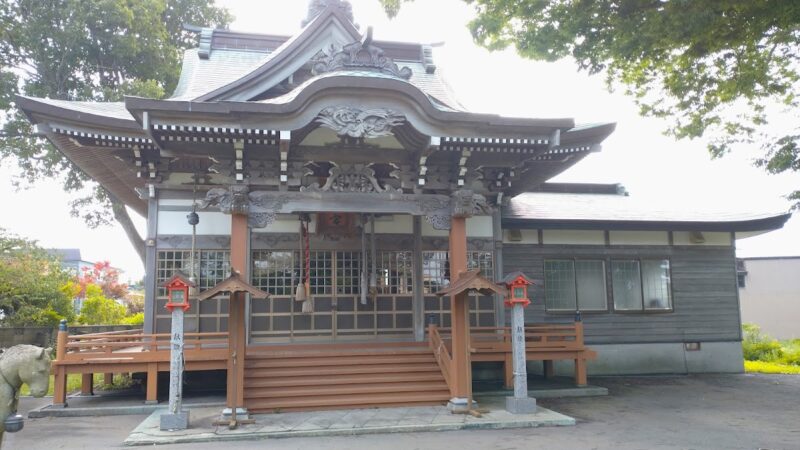
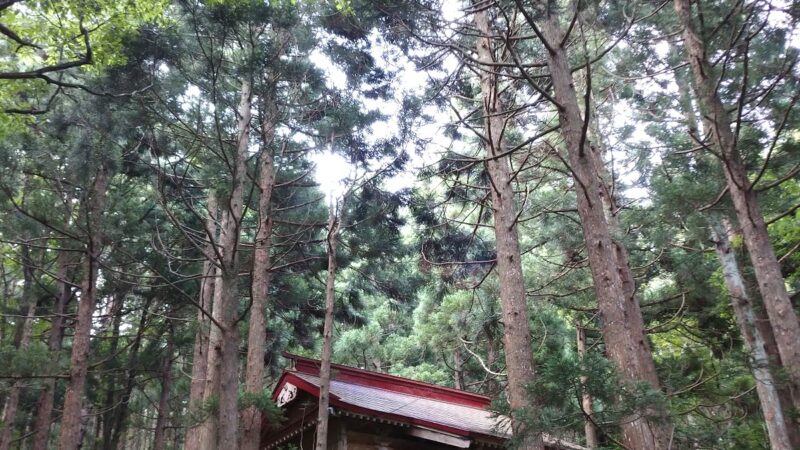
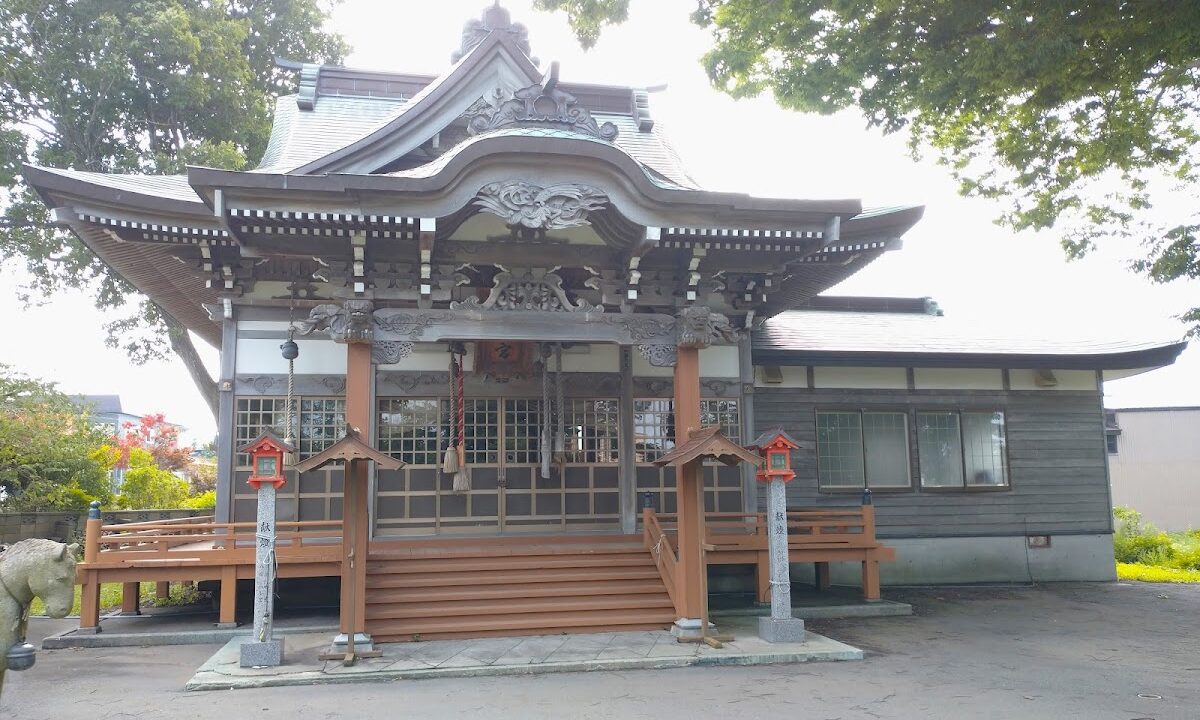
Small, local Hachiman shrines are charming for their simple atmosphere, preserved by the local residents. The Hachiman Shrine in Shimizu-gawa is presumably also quiet and blends seamlessly with the surrounding nature.
The following elements can be found within the grounds of a typical Hachiman shrine:
- Torii: A torii gate marking the entrance to the sacred area
- Haiden: The building where worshippers pay their respects
- Honden: The most sacred building where the deity is enshrined
- Kaidaisha: Small shrines dedicated to deities other than Hachiman
- Temizuya: A place to purify hands and mouth before worship
- Komainu: A pair of stone statues guarding the sacred area
Etiquette for Worship
Here are the basic etiquette rules for visiting a shrine:
- Bow before passing through the torii: As a sign of respect when entering the sacred area
- Purify yourself at the temizuya: Purify your left hand, then your right hand, then your mouth
- Bow in front of the haiden: Two bows, two claps, and one bow is the basic form
- State your wish silently: With gratitude
- Bow upon exit: Turn around and bow when leaving the torii gate.
Access and surrounding information
Access by public transport
The nearest bus stop to Hachimangu Shrine is “Hachimangu-mae (Hirauchi-cho)”. The shrine is approximately 137 meters from this bus stop.
From central Aomori City to Hirauchi-cho, Aomori City buses or Shimokita Kotsu buses operate. The journey takes approximately 40 minutes to 1 hour.
Access by Car
Access by car is convenient:
- From central Aomori City: Approximately 30 minutes via National Route 4 and prefectural roads
- From Aomori Airport: Approximately 40 minutes
- From Tohoku Expressway Aomori IC: Approximately 40 minutes
Shimizu-gawa Post Office (28 Okawazoe, Shimizu-gawa, Hiranai-machi, Higashitsugaru-gun, Aomori Prefecture, Tel: 017-756-2350) is a good landmark to look for.
About Parking
Small shrines may not have dedicated parking. Please be considerate of the neighbors when visiting.
Attractions around Shimizu-gawa Area
Tourist Spots in Hiranai Town
When visiting Hachimangu Shrine, why not also visit other tourist spots in Hiranai Town?
Yogoshiyama Forest Park
A representative tourist spot in Hiranai Town, with various facilities on a vast site. From the observation deck, you can enjoy a spectacular view of Mutsu Bay and the Hakkoda Mountains. In spring, the cherry blossoms are beautiful, and in autumn, the autumn leaves are stunning, allowing you to enjoy nature in every season.
Hirauchi Town, the Village of Scallops
Hirauchi Town is known as the birthplace of scallop farming. At the roadside station “Hirauchi Town, the Village of Scallops,” you can purchase fresh scallops and other seafood, as well as enjoy scallop dishes.
Asadokoro Coast
This beautiful coastline facing Mutsu Bay is bustling with swimmers in the summer. It is also known for its beautiful sunsets and is a popular spot for photography.
Nature of the Shimizu River Area
The clear waters of the Shimizu River system symbolize the rich nature of the region. A stroll along the river allows you to observe seasonal plants and wild birds.
Annual Events and Festivals
Festivals of Hachiman Shrines
Many Hachiman shrines hold various festivals throughout the year. Common annual events include the following:
- New Year’s Day Festival (January 1st): A festival celebrating the New Year
- Spring Grand Festival: A prayer for a bountiful spring harvest
- Summer Purification Ceremony (June 30th): A purification ceremony to cleanse away the sins and impurities accumulated over the past six months
- Autumn Grand Festival: A festival to give thanks for the harvest
- Year-End Purification Ceremony (December 31st): A purification ceremony to cleanse away the sins and impurities accumulated over the past year
It is possible that festivals are held at the Shimizu River Hachiman Shrine in accordance with local customs. For details, we recommend contacting the local parishioner organization or the Hirauchi Town Hall.
Local Traditional Events
In Hirauchi Town, traditional festivals and events are passed down in each district. These events play an important role in connecting local communities.
Hachiman Shrine and the Local Community
Parishioner Organizations and Shrine Maintenance
Local shrines are supported by local residents called parishioners. The parishioners’ organization is responsible for cleaning the shrine, preparing for festivals, and maintaining the facilities.
The Hachiman Shrine in Shimizugawa is also a shrine that has been preserved through the cooperation of local residents. In rural areas facing depopulation and an aging population, maintaining such traditional places of worship is a challenge, but they continue to play an important role in maintaining community bonds.
Shrines and the Preservation of Local Culture
Shrines are not merely religious facilities; they are also places that convey the history and culture of the region. Through festivals and events, intergenerational exchanges are fostered, and the identity of the region is formed.
Visiting a local shrine like Hachiman Shrine is a valuable opportunity to experience the history and culture of the area.
Precautions and Manners When Visiting a Shrine
Clothing and Belongings
While no special attire is required for visiting a shrine, clean and modest clothing is preferred. Formal attire is appropriate, especially on special days such as festivals.
Photography
Photography is generally permitted on the shrine grounds, but there are areas where photography is prohibited, such as inside the main hall. If unsure, please check with shrine staff. ### Silence and Respect
Shrines are sacred places. Please refrain from speaking loudly or running around, and offer your prayers quietly. Also, please be careful not to damage the plants or facilities on the shrine grounds.
The History of Hirauchi Town and the Role of Hachiman Shrine
The Origins of Hirauchi Town
Hirauchi Town was formed in 1955 (Showa 30) through the merger of Higashi-Hirauchi Village and Nishi-Hirauchi Village. Taking advantage of its geographical location facing Mutsu Bay, it has long developed as a region where fishing and agriculture thrive.
As a Center of Local Faith
Local shrines, including Hachiman Shrine, have walked hand in hand with the history of Hirauchi Town. They have been deeply rooted in the lives of residents, serving as places to pray for safety at sea, abundant catches, and bountiful harvests, and as the center of local festivals and events.
Even today, Hachiman Shrine plays a role as a community center, a place for intergenerational exchange.
Summary: The Significance of Visiting Hachiman Shrine
Hachiman Shrine, located in Okawazoe, Shimizu-gawa, Hiranai-machi, Higashitsugaru-gun, Aomori Prefecture, is a precious place that conveys the history and culture of the region to the present day. Nestled in a quiet village overlooking Mutsu Bay, this shrine has long been a place of faith for local residents, watching over their lives.
Visiting Hachiman Shrine is not merely sightseeing; it’s a cultural experience that allows you to connect with the history and lives of the people of the land. Along with the rich nature of Hiranai-machi, delicious scallops, and encounters with the warm-hearted people of the region, a visit to Hachiman Shrine will surely become a memorable experience.
When you visit Aomori, be sure to visit Hachiman Shrine in Shimizu-gawa, Hiranai-machi, and experience the tranquil atmosphere of this place of worship rooted in the community. Away from the hustle and bustle of the city, you’re sure to find peace of mind in this rural shrine, which can be considered a quintessential Japanese landscape.