Kusu Shrine (Hirauchi-cho, Higashitsugaru-gun, Aomori Prefecture) Complete Guide: History, Goshuin (Shrine Seal), and Access Information
Kusu Shrine, located in Hirauchi-cho, Higashitsugaru-gun, Aomori Prefecture, is a valuable shrine that conveys the history and culture of the region to the present day. This article provides detailed information you should know before visiting, including the historical background, enshrined deities, blessings, visiting information, and access methods.
Basic Information about Kusu Shrine
Kusu Shrine is located in Hirauchi-cho, Higashitsugaru-gun, Aomori Prefecture, and has a long history as a shrine that attracts the faith of local residents. Hirauchi-cho is a naturally rich area facing Mutsu Bay, and Kusu Shrine stands quietly amidst this natural environment.
Location and Contact Information
- Location: Hiranai-machi, Higashitsugaru-gun, Aomori Prefecture
- Shrine Rank: Village Shrine
- Religious Corporation: Affiliated with the Association of Shinto Shrines
Hiranai-machi is located east of Aomori City and faces Mutsu Bay, known for its scallop farming. Kushi Shrine is a shrine closely intertwined with the history of this region and is cherished by the local people.
History and Origins of Kushi Shrine
History of Founding
While there are limited clear records regarding the founding date of Kushi Shrine, it is certain that the shrine has walked hand in hand with the history of Hiranai-machi. Many shrines in Aomori Prefecture have a history of being worshipped as local tutelary deities since before the Edo period, and Kushi Shrine is no exception.
Shrines in the Tsugaru region have a history of developing under the patronage of the Tsugaru Domain. Kushi Shrine, too, has attracted the faith of people engaged in agriculture and fishing as a guardian deity of the region.
Changes Since the Meiji Era
The Meiji-era decree separating Shinto and Buddhism and the policy of consolidating shrines had a significant impact on shrines throughout Japan. Kushi Shrine was also ranked as a village shrine under the Meiji-era shrine ranking system, establishing its status as a public shrine in the region.
With the enactment of the Religious Corporations Law after World War II, Kushi Shrine has functioned as a religious corporation and remains a center of local faith to this day.
Deities and Divine Virtues
Main Deity
The deities enshrined at Kushi Shrine are thought to reflect the traditional forms of local faith. In shrines in Aomori Prefecture, the following deities are often enshrined:
- Oyamatsumi-no-kami: God of mountains, guardian deity of agriculture and industry
- Ukemochi-no-kami: God of abundant harvests
- Sarutahiko-no-kami: God of opening roads, guardian deity of traffic safety
Benefits and Divine Virtues
The following benefits can be expected from visiting Kushi Shrine:
- Abundant Harvest: Success in agriculture and a bountiful harvest
- Safety at Sea: Safety for those engaged in fishing
- Family Safety: Health and peace for the family
- Business Prosperity: Success and prosperity in business
- Protection from Misfortune and Good Fortune: Warding off misfortune and inviting good fortune
Since Hirauchi Town is a region where agriculture and fishing thrive, blessings related to these industries have been particularly valued.
Highlights of the Shrine Grounds
Shrine Architecture
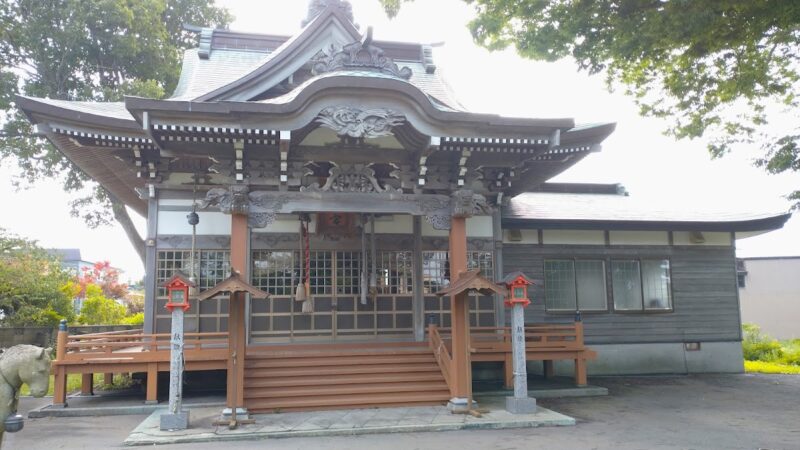
The shrine building of Kushi Shrine exhibits characteristics of traditional shrine architecture in Aomori Prefecture. The steeply pitched roofs, typical of snowy regions, and the robust construction that withstands wind and snow are architectural styles adapted to the climate conditions of this region.
Subsidiary Shrines and Auxiliary Shrines
Like many shrines, Kushi Shrine may have subsidiary shrines and auxiliary shrines within its grounds. These small shrines reflect various local beliefs and enshrine deities other than the main deity.
Natural Environment
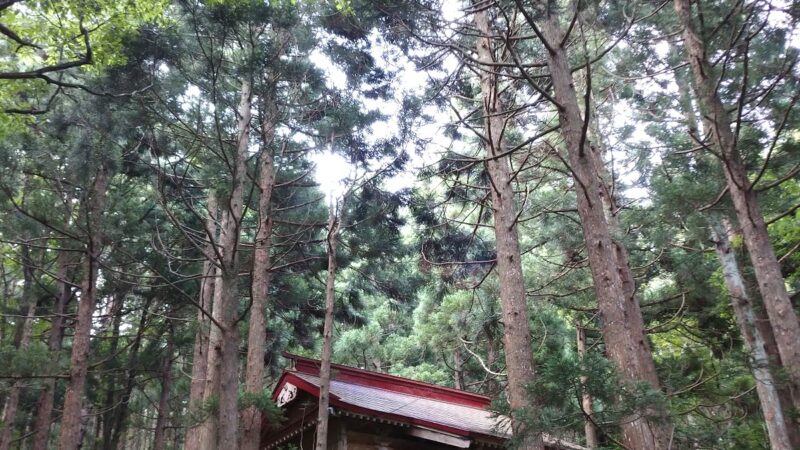
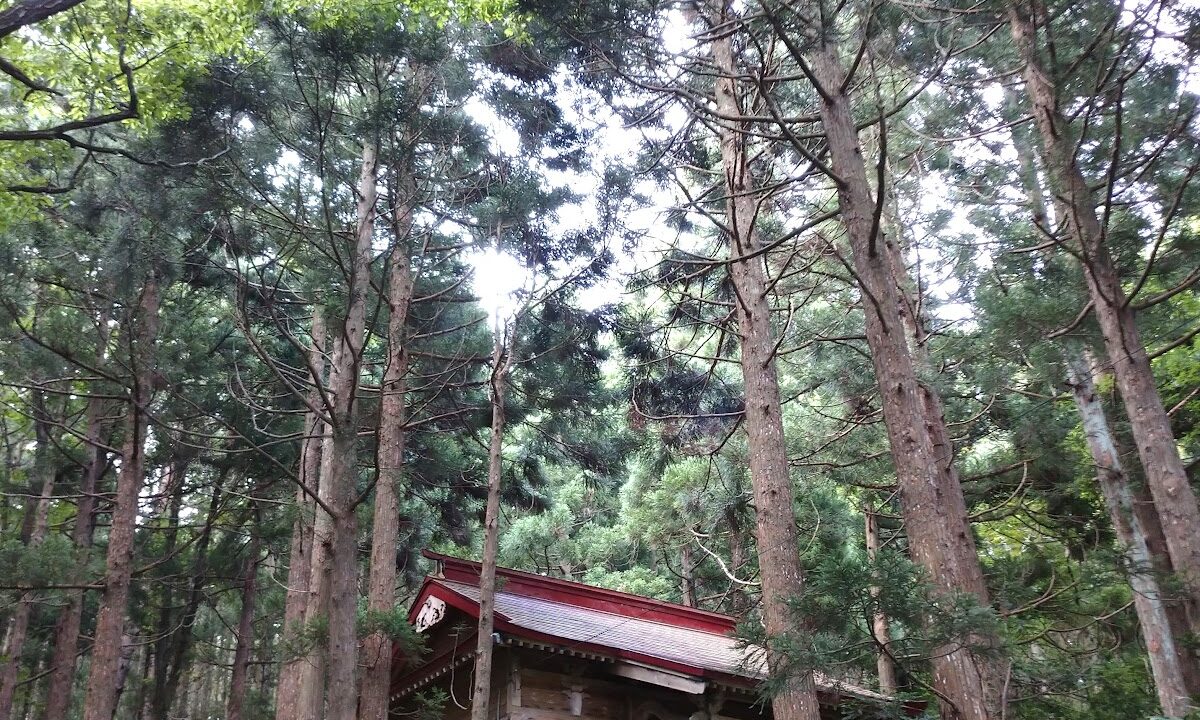
Located in the rich natural environment of Hirauchi Town, Kushi Shrine offers beautiful scenery that changes with the seasons. In particular:
- Spring: Season of fresh greenery and cherry blossoms
- Summer: Shrine grounds surrounded by lush greenery
- Autumn: Beautiful time of autumn leaves
- Winter: Solemn atmosphere amidst a snowy landscape
Annual Events and Festivals
Grand Festival
Kusu Shrine holds various festivals throughout the year. The Grand Festival, in particular, is an important local event attracting many worshippers.
Seasonal Festivals
- New Year’s Day Festival: Praying for peace and prosperity in the new year
- Spring Festival: Praying for a bountiful harvest
- Summer Festival: Praying for the safety and development of the region
- Autumn Festival: Expressing gratitude for the harvest
These festivals are important opportunities to strengthen the bonds of the local community.
Goshuin (Shrine Seal) Information
Regarding the Issuance of Goshuin
We recommend checking in advance regarding the issuance of Goshuin at Kusu Shrine. At smaller shrines, there may not be a resident priest, so it’s important to inquire before visiting.
Characteristics of Goshuin (Shrine Seals)
Goshuin at shrines in Aomori Prefecture are designed to reflect the history and characteristics of each shrine. When visiting Kushi Shrine, it is recommended to bring your own goshuincho (stamp book).
Manners and Etiquette for Visiting Shrines
Basic Worship Etiquette
When visiting Kushi Shrine, please observe the following basic etiquette:
- Bow before passing through the torii gate: A courtesy before entering the sacred area
- Purify yourself at the water basin: Purify your left hand, right hand, and mouth in that order
- Avoid walking in the center of the path: The center is the path of the gods
- Two bows, two claps, one bow: Basic worship etiquette before the shrine
Attire and Mindset
Clean and subdued attire is appropriate for visiting a shrine. Furthermore, it is important to visit the shrine with a quiet and reverent heart.
Access Information
Access by Public Transportation
Hirauchi Town is easily accessible from Aomori City:
- From Aomori Station: Approximately 40 minutes to 1 hour by bus
- Aoimori Railway: Kominato Station is the nearest station (take a taxi or bus from the station)
We recommend checking detailed timetables and routes in advance.
Access by Car
Access by car is the most convenient:
- From Aomori City: Approximately 30-40 minutes via National Route 4
- From Aomori Airport: Approximately 40-50 minutes
- Tohoku Expressway: Approximately 40 minutes from Aomori IC
Parking Information
The availability and number of parking spaces vary depending on the size of the shrine. We recommend checking before your visit. Temporary parking may be provided during festivals.
Hirauchi Town Tourist Spots
Here are some Hirauchi Town tourist spots you should visit in conjunction with your visit to Kushi Shrine.
Yogoshiyama Forest Park
A representative tourist spot in Hirauchi Town, this park allows you to enjoy the nature of each season. From the observation deck, you can enjoy a spectacular view of Mutsu Bay.
Scallop Plaza
Hirauchi Town is famous for scallop farming. At Scallop Plaza, you can enjoy fresh scallops and purchase local seafood.
Asadokoro Coast
Asadokoro Coast, with its beautiful coastline, is a perfect spot for walks and drives. It is also known for its beautiful sunsets.
Hirauchi Town History and Culture
Origins of Hirauchi Town
Hirauchi Town has developed as a town rich in nature, facing Mutsu Bay. Fishing and agriculture have flourished since ancient times, and scallop farming, in particular, is famous throughout Japan.
Local Traditional Culture
Hirauchi Town retains a strong sense of the traditional culture of the Tsugaru region. Unique local customs can be seen in festivals and annual events.
Seasonal Guide to Visiting Kushi Shrine
Spring (March-May)
Spring, arriving with the melting snow, is a beautiful season of fresh greenery. Many spring festivals are held, giving a vibrant feel to the community.
Summer (June-August)
Aomori’s short summer is the time when the lush green shrine grounds are at their most beautiful. Many worshippers visit for the summer festival.
Autumn (September-November)
This is a season of beautiful autumn foliage, and harvest festivals are held. Visiting the shrine in the crisp autumn air is a special experience.
Winter (December-February)
The snow-covered shrine grounds are enveloped in a solemn atmosphere. Many local residents visit for Hatsumode (first shrine visit of the year). Caution is advised regarding heavy snowfall during winter.
Nearby Shrines and Temples
Other Shrines in Higashitsugaru District
There are many other historical shrines scattered around Hiranai Town. We recommend enjoying a shrine tour.
Major Shrines in Aomori City
- Utou Shrine: The main guardian shrine of Aomori City
- Hirota Shrine: An ancient shrine in Aomori City
Visiting these shrines together will give you a deeper understanding of the shrine culture of the Tsugaru region.
Connection with the Community
Parishioners’ Organization and Local Community
Kusu Shrine is supported by the local parishioners’ organization. The cooperation of local residents is essential for the operation of festivals and the maintenance of the shrine grounds.
Participation in Local Events
The shrine is central to various local events, and life-changing ceremonies such as coming-of-age ceremonies and Shichi-Go-San (a traditional Japanese rite of passage for children) are also held there.
Precautions When Visiting
Climate and Clothing
Aomori Prefecture is a region with harsh winters. Especially when visiting in winter, be sure to take thorough precautions against the cold. Also, be careful not to slip on snowy paths.
Visiting Hours
Generally, shrines are open for worship from sunrise to sunset. However, some shrine grounds may be open 24 hours. Since the shrine office has limited operating hours, it is necessary to check in advance if you wish to receive a Goshuin (shrine stamp) or prayer.
Photography Etiquette
Photography is generally permitted on the shrine grounds, but please observe the following etiquette:
- Refrain from photographing inside the main hall
- Be considerate of other worshippers
- Remember that this is a sacred place
Future Prospects for Kushi Shrine
Cultural Asset Value
Kushi Shrine, which conveys the history of the region, also possesses cultural asset value. Further historical research and preservation activities are expected in the future.
Collaboration with Regional Development
The use of the shrine as a tourist resource is also being considered. As a hub for disseminating regional history and culture, Kushi Shrine will continue to play an important role.
Summary: A Recommendation to Visit Kushi Shrine
Kushi Shrine is a historic shrine located in Hiranai Town, Higashitsugaru District, Aomori Prefecture. It has been a center of local faith and cherished by the people for many years.
When visiting Hiranai Town, be sure to visit Kushi Shrine and experience the region’s history and culture. You can find peace of mind in the tranquil grounds and enjoy a time away from the hustle and bustle of everyday life.
When visiting, it is important to observe basic manners and approach the deities with reverence. Also, enjoy the beautiful nature of Hiranai Town and its delicious scallops, among other local attractions.
We hope your visit to Kushi Shrine will be a memorable experience.