Complete Guide to Kumano-gu Shrine (Sekiguchi, Karibasawa, Hiranai-cho, Aomori Prefecture)
Kumano-gu Shrine, located in Sekiguchi, Karibasawa, Hiranai-cho, Higashitsugaru-gun, Aomori Prefecture, is a shrine that has been cherished by the local people for centuries. This article provides detailed information useful for visiting Kumano-gu Shrine, including its history, enshrined deities, blessings, annual festivals, and access methods.
Basic Information on Kumano-gu Shrine
Location and Shrine Rank
Location: Sekiguchi, Karibasawa, Hiranai-cho, Higashitsugaru-gun, Aomori Prefecture
Kumano-gu Shrine is located in the Karibasawa area of Hiranai-cho and is revered as the local guardian deity. The surrounding area is blessed with a rich natural environment, maintaining a peaceful atmosphere for worship.
Enshrined Deities
The enshrined deities of Kumano-gu Shrine are thought to be related to the gods enshrined at the Kumano Sanzan (Kumano Hongu Taisha, Kumano Hayatama Taisha, and Kumano Nachi Taisha). Generally, the following deities are enshrined in Kumano-related shrines:
- Izanagi-no-Mikoto
- Izanami-no-Mikoto
- Ketsumimiko-no-Okami
- Hayatama-no-Okami
These deities are believed to possess divine virtues such as the creation of the land, matchmaking, protection from disaster, and regeneration/resurrection.
Historical Background of Kumano Faith in Aomori Prefecture
Northern Spread of Kumano Faith
Kumano faith spread throughout Japan from the Heian period to the Kamakura period. In particular, ascetics of Kumano Shugendo traveled to various regions, spreading the faith of the Kumano Sanzan (Three Grand Shrines of Kumano), leading to the establishment of many Kumano shrines in the Tohoku region.
Several Kumano shrines exist within Aomori Prefecture, including Kumano-gu in Hirauchi Town. In the coastal areas of Aomori Prefecture, which were also ports of call for Kitamae-bune (northern trade ships), it is believed that the beliefs of maritime safety and abundant catches became intertwined with the Kumano faith.
History of Hiranai Town and Kumano Shrine
Hiranai Town is a region facing Mutsu Bay, and has long been a center of fishing and agriculture. The Karibasawa district is located inland and developed as a mountain settlement. It is presumed that Kumano Shrine was established along with the development of the region and has functioned as a spiritual center for the residents.
During the Edo period, it was under the control of the Tsugaru Domain, and the domain also undertook the maintenance of shrines. While many small shrines were consolidated and reorganized due to the Meiji-era separation of Shinto and Buddhism and the introduction of the modern shrine ranking system, Kumano Shrine survived as the center of local faith.
Benefits of Kumano Shrine
The main benefits based on the deities enshrined at Kumano shrines are as follows:
Family Safety and Health
Izanagi-no-Mikoto and Izanami-no-Mikoto are creator gods who gave birth to the land and the gods, and are worshipped as the source of life force. Many worshippers visit to pray for the health and safety of their families.
Matchmaking and Marital Harmony
As Izanagi-no-Mikoto and Izanami-no-Mikoto are a married couple, there is a belief in the shrine for successful matchmaking and marital harmony.
Protection from Misfortune and Disaster
The gods of Kumano are believed to possess the power of purification and regeneration, and are thought to offer protection from misfortune during unlucky years and disasters at turning points in life.
Abundant Harvest and Business Prosperity
In Hirauchi Town, where agriculture and fishing are thriving, Kumano Shrine has also been worshipped as the guardian deity of local industries. Prayers are also offered to pray for bountiful harvests, abundant catches of fish, and business prosperity.
Traffic Safety and Travel Safety
Kumano faith is deeply intertwined with the pilgrimage culture of Kumano-mairi, and the blessings of safe travel and traffic safety are traditionally believed to be present.
Annual Events and Festivals
Annual Festival (Grand Festival)
Like many shrines, it is believed that Kumano-gu also holds an annual festival. In shrines in the Tohoku region, annual festivals are often held from spring to autumn, particularly during key periods in agricultural work.
The following rituals are generally performed at the annual festival:
- Shinto Ritual: Recitation of prayers by the chief priest and offering of sacred branches
- Kagura Performance: Performance of local traditional performing arts and Kagura
- Naorai (Feast): Communal meal after the ritual
Other Annual Events
Local shrines may hold the following annual events:
- Saitansai (January 1st): A festival celebrating the New Year
- Spring Festival: Prayers for a bountiful harvest
- Summer Festival: Community interaction and festival
- Autumn Festival: Thanksgiving for the harvest
- Niiname-sai (around November 23rd): Harvest festival
Specific dates are determined by local customs and the parishioner organization.
Highlights of the Shrine Grounds
Shrine Building
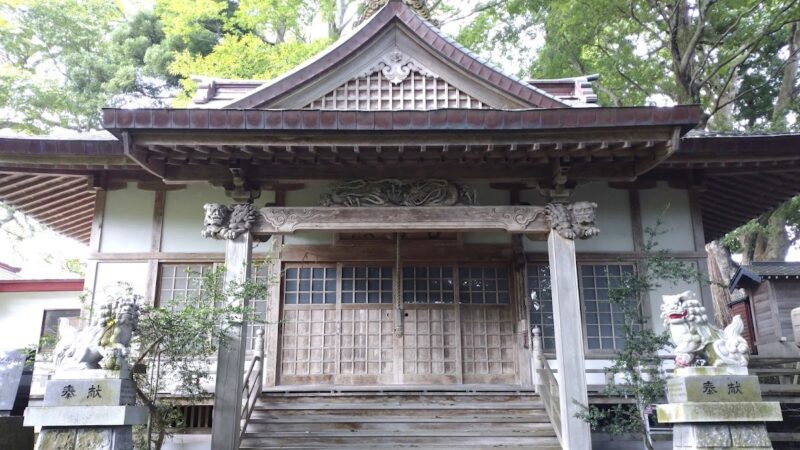
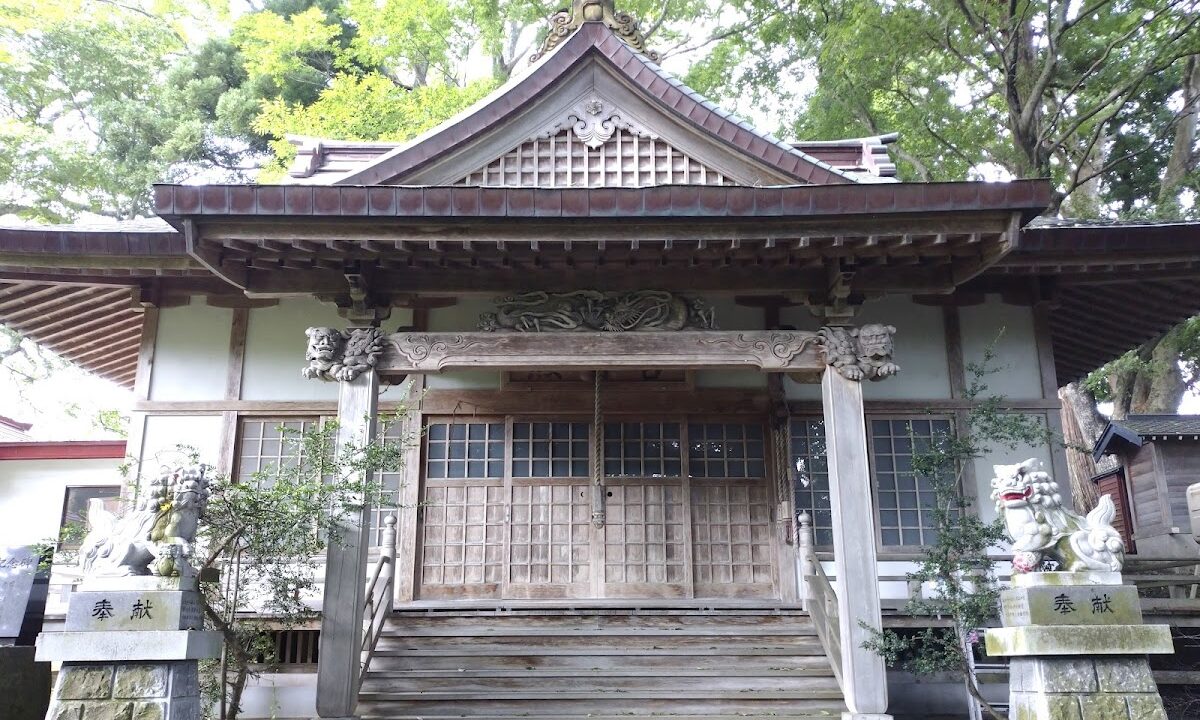
The shrine building of Kumano-gu is presumed to be in the style of traditional shrine architecture in the Tohoku region. Though small in scale, it has been carefully maintained through the faith of the local people.
Natural Environment
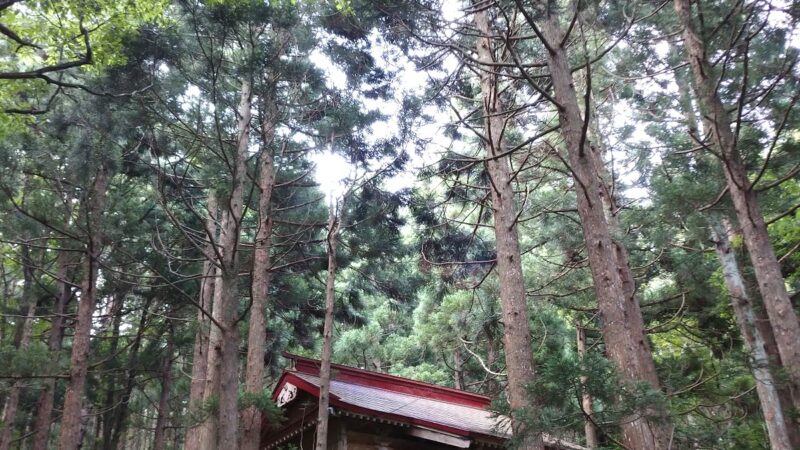
The Karibasawa area is located in a mountainous region and is surrounded by abundant nature. You can experience the beauty of nature throughout the seasons within and around the shrine grounds. Especially during the seasons of fresh greenery and autumn leaves, you can enjoy nature walks in addition to your visit to the shrine.
Komainu (Guardian Dogs) and Stone Monuments
Like many shrines, Kumano-gu Shrine may have guardian dogs, monuments, and votive plaques. These are valuable cultural assets that tell the story of the region’s history and the depth of its faith.
Access Information
Location Details
Address: Sekiguchi, Karibasawa, Hiranai-machi, Higashitsugaru-gun, Aomori Prefecture
Access by Car
From central Aomori City:
- Approximately 30-40 minutes via National Route 4
- Approximately 25 minutes from Aomori East Interchange
From Hachinohe area:
- Head north on National Route 4 towards Hiranai-machi
- Approximately 1 hour 30 minutes to 2 hours
Since the Karibasawa area is located inland in Hiranai-machi, it is recommended to enter the address into your car navigation system.
Access by Public Transportation
While Hiranai-machi is accessible by bus from Aomori City, public transportation to the Karibasawa area is limited, making access by car more convenient.
Nearest Bus Stop: Taking a taxi from the center of Hiranai-machi is the most practical option.
Parking
As this is a small shrine, it is recommended to check in advance whether there is a dedicated parking lot. Temporary parking may be provided during events such as annual festivals.
Etiquette and Points for Visiting a Shrine
Basic Worship Etiquette
- Bow before passing through the torii gate: As a sign of respect before entering the sacred area.
- Purify yourself at the water basin: Purify your left hand, then your right hand, then your mouth.
- Avoid the center of the path: The center is considered the path of the gods.
- Worship at the main hall: Two bows, two claps, and one bow is the basic procedure.
- Bow upon leaving: Turn around and bow when leaving the torii gate.
Attire for Visiting a Shrine
There are no specific dress code requirements, but it is desirable to wear clean and subdued clothing, keeping in mind that it is a sacred place.
Photography
Photography is generally permitted on the shrine grounds, but it is considered polite to refrain from taking photos inside the shrine buildings or during religious ceremonies, or to obtain permission beforehand.
Hirauchi Town Tourist Attractions
Here are some tourist attractions around Hirauchi Town that you should visit in conjunction with your visit to Kumano Shrine.
Yogoshiyama Forest Park
A representative tourist spot in Hirauchi Town, this vast site includes a cactus garden, an auto campsite, and an observation deck. It’s a facility that can be enjoyed by families.
Asadokoro Coast
A beautiful coast facing Mutsu Bay, where you can enjoy swimming in the summer. It is also a region where scallop farming is thriving.
Hirauchi Town’s Local Products
Scallops: Hirauchi Town is one of the leading scallop farming areas in Aomori Prefecture. There are many restaurants where you can enjoy fresh scallop dishes.
Natsudomari Peninsula: A scenic peninsula, popular as a driving course.
Kumano Shrine and Local Community
Parishioner Organization and Local Bonds
Kumano Shrine has been protected by the residents of the Karibasawa district as the local guardian deity. The maintenance and management of shrines and the operation of annual festivals by parishioners’ organizations play a crucial role in strengthening the bonds of the local community.
Depopulation and the Future of Shrines
Like many rural areas in the Tohoku region, population decline is a challenge in some parts of Hiranai Town. The maintenance of small shrines is supported by the efforts of local residents, and Kumano Shrine is also protected by the faith and service of the local people.
The Significance of Visiting Kumano Shrine
Inheritance of Local Culture
Visiting Kumano Shrine is not merely a personal prayer, but also an act of inheriting the history and culture of the region. Even in a small shrine, faith and traditions cultivated over many years breathe life into it.
Peace of Mind and Harmony with Nature
Located in a quiet environment away from the hustle and bustle of urban areas, Kumano Shrine is a precious place to calm the mind and connect with nature. Through worship, one can gain a sense of spiritual fulfillment that cannot be obtained in daily life.
The Universality of Kumano Faith
Kumano faith, also known as “the faith of rebirth,” is a universal form of prayer for a fresh start in life and recovery from hardship. The Kumano Shrine in Hirauchi Town is also valuable as a place that transmits this traditional faith to the present day.
Things to Check Before Visiting
Shrine Management Status
In the case of small shrines, there may not be a resident priest. While visiting is generally free, if you wish to receive a Goshuin (shrine stamp) or prayer, it is recommended to inquire in advance with related shrines in Hirauchi Town or the local parishioners’ representative.
Weather and Season
Aomori Prefecture is a region with heavy snowfall in winter. If planning a visit during winter, please pay close attention to road conditions and snow accumulation. Spring to autumn is the most suitable season for visiting.
Consideration for the Community
The area around the shrine may be residential or agricultural land. Please be considerate of local residents, such as avoiding noise and trespassing on private property.
Summary
Kumano-gu Shrine, located in Sekiguchi, Karibasawa, Hiranai-cho, Aomori Prefecture, is a historic shrine that has been cherished by the local community. Inheriting the traditions of Kumano faith, it is believed to offer blessings for family safety, matchmaking, and protection from evil.
Nestled quietly amidst a rich natural environment, Kumano-gu Shrine is a place worth visiting, offering a peaceful escape from the hustle and bustle of city life and a chance to experience the region’s history and culture.
When visiting Hiranai-cho, be sure to include a visit to Kumano-gu Shrine in your itinerary. Though a small shrine, it embodies the depth of faith cultivated over many years and the warm hearts of the local people.
Through your visit, you will experience traditional Japanese faith and culture, find peace of mind, and reaffirm the importance of community. We hope that Kumano-gu Shrine will bring new insights and happiness to your life.