Complete Guide to Kusushi Shrine (Tsugaru City, Aomori Prefecture) | Deities, Goshuin (Shrine Seal), History, and Access Information
Kusushi Shrine, located in Morita-cho, Tsugaru City, Aomori Prefecture, is a historical shrine dedicated to the gods of nation-building and medicine. This shrine, cherished by local residents and a part of their daily lives, provides detailed information you should know before visiting, including its deities, history, goshuin (shrine seal), access methods, and festivals.
About Kusushi Shrine
Kusushi Shrine (Kusushi Jinja) is a shrine located in Morita, Morita-cho, Tsugaru City, Aomori Prefecture, and is said to have been founded in 1677 (Enpo 5). The name “Kusushi” originates from “Yakushi” (Medicine Buddha), and it was formerly called “Yakushido” (Medicine Buddha Hall). Following the Meiji-era separation of Shinto and Buddhism, it was renamed Kusushi Shrine.
There are several shrines named Kusushi Shrine within Aomori Prefecture. In Aomori City alone, there are four: Namidate, Tomon, Sawayama, and Tsukigidate. Furthermore, Kusushi Shrines exist in Kuroishi City, Owani Town, Hirosaki City, Tsugaru City, and Ajigasawa Town, and these are considered to be sister shrines. Each shrine is revered as the local tutelary deity and possesses its own unique history and tradition.
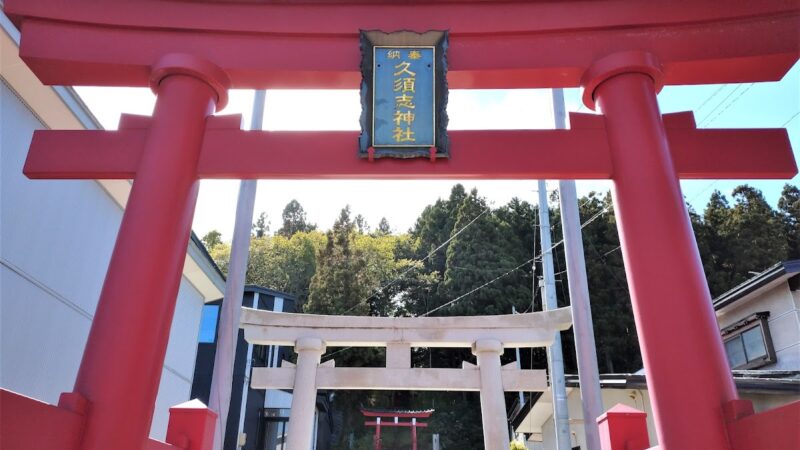
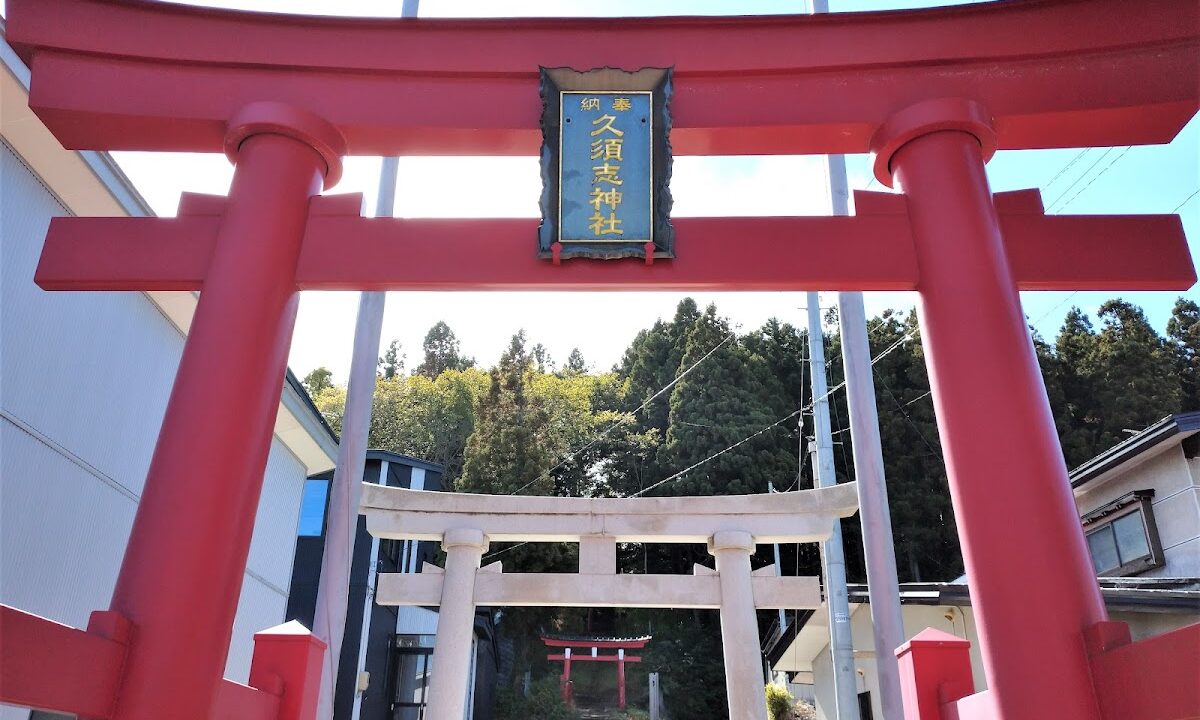
The Kusushi Shrine in Tsugaru City stands in a quiet residential area of Morita Town and has been preserved to this day as the center of faith for the local residents. The shrine grounds are meticulously clean, and there is a warm atmosphere welcoming visitors.
Deities Enshrined
Kusushi Shrine enshrines three deities related to nation-building and medicine.
Okuninushi-no-kami
Okuninushi-no-kami, also known as Onamuchi-no-kami, is a god of nation-building, also known as the principal deity of Izumo Taisha Shrine. Among the myriad gods, this deity holds a particularly important position and is believed to wield power in various fields such as agriculture, commerce, and medicine. Known from the myth of the White Rabbit of Inaba, this deity is worshipped as a compassionate god who saves people.
With a wide range of divine blessings, including matchmaking, business prosperity, abundant harvests, and healing from illness, this deity is revered as a protector of all aspects of life.
Sukunahikona-no-Mikoto
Also written as Sukunahikona-no-Mikoto, this deity, along with Okuninushi-no-Kami, was involved in nation-building. Particularly famous as the god of medicine, this deity is believed to have contributed to the development of medical technology. They are also known as the god who promoted sake brewing and the use of hot springs, possessing a wide range of divine blessings related to health and healing.
Despite their small stature, they are believed to possess great wisdom and are worshipped as the god of wisdom and technology. They are believed to bring blessings such as healing from illness, longevity, and advancements in medicine.
Ukanomitama-no-kami
Ukanomitama-no-kami, widely known as “O-Inari-sama,” is the god who presides over grains and food. He is revered for his divine virtues of business prosperity, abundant harvests, and industrial development, and is worshipped as a god who brings stability and prosperity to life.
The combination of these three deities makes Kusushi Shrine a shrine with comprehensive divine virtues of health, prosperity, and protection of all aspects of life.
History of Kusushi Shrine
Kusushi Shrine is said to have been founded in Enpo 5 (1677), and has a history of over 340 years. Initially called “Yakushido,” it was a religious facility with strong Buddhist influences. During this period, medicine and Buddhism were closely intertwined, and Yakushido, with Yakushi Nyorai as its principal deity, was the center of local medical care and faith.
Throughout the Edo period, Yakushido was revered by the local residents as the tutelary deity of Morita Village (then Furukawa Village). Many people visited the shrine to pray for recovery from illness and good health, and it served as a spiritual pillar for the community.
In the early Meiji era, when the government issued the decree separating Shinto and Buddhism, major changes occurred at shrines and temples throughout the country. Yakushido was no exception, and because “Yakushi” is a Buddhist deity, it was reorganized into a Shinto shrine. At this time, while retaining the sound of “Yakushi,” the shrine’s name was changed to “Kusushi Shrine.”
The enshrined deities also changed from Yakushi Nyorai to Okuninushi-no-kami, Sukunahikona-no-mikoto, and Ukanomitama-no-kami, Shinto gods associated with nation-building and medicine. However, the essence of the faith related to medicine and health was preserved. In particular, Sukunahikona-no-mikoto, as a god of medicine, maintains continuity with the original Yakushi faith.
Even as the Showa, Heisei, and Reiwa eras have changed, Kusushi Shrine continues to attract the faith of local residents. Even today, people continue to visit the shrine for important life events such as New Year’s prayers, Shichi-Go-San (a traditional rite of passage for children), and exorcisms, and it functions as a central hub for the local community.
Exploring the Shrine Grounds
The grounds of Kusushi Shrine are not vast, but they are meticulously clean and enveloped in a tranquil atmosphere. It’s a space that clearly shows how carefully it’s preserved by the local community.
Shrine Buildings
The worship hall is a traditional wooden structure, simple yet dignified in appearance. The curves of the roof and the carvings reflect the skills of local craftsmen. The main sanctuary is located behind the worship hall, where the enshrined deity resides.
Atmosphere of the Shrine Grounds
Although surrounded by residential areas, entering the shrine grounds offers a peaceful space away from the hustle and bustle of everyday life. Trees are strategically placed, allowing visitors to experience the changing seasons. The grounds are particularly beautiful during the seasons of fresh greenery and autumn leaves.
The approach to the shrine is well-maintained, making it safe and easy for the elderly and those with small children to visit. As a shrine open to the community, it’s common to see locals visiting the shrine as part of their daily walks.
A Shrine as Part of Daily Life
A major characteristic of Kusushi Shrine is its deep roots in the lives of local residents. People can be seen visiting regularly, such as those stopping by to pray during their morning walks or families visiting at seasonal changes.
For local children, Kusushi Shrine is both a playground and a place of learning. Through events like Shichi-Go-San (a traditional Japanese rite of passage for children) and Hatsumode (the first shrine visit of the New Year), the connection with the shrine is naturally passed down. This continued form of everyday faith is a significant value of Kusushi Shrine.
About Goshuin (Shrine Seals)
Goshuin are available at Kusushi Shrine. They are cherished by many visitors as proof of their visit and as a tangible representation of their connection to the shrine.
Carefully Written Goshuin
Kusushi Shrine’s goshuin are known for being carefully handwritten in ink, one by one. The goshuin (temple/shrine stamp) is simple yet dignified, bearing the shrine’s name, date of visit, and shrine seal. Each goshuin, imbued with the calligrapher’s heartfelt dedication, is cherished as a memento of the visit.
Regarding Goshuin Reception
It is recommended to check the reception hours and procedures for goshuin before visiting. As it is a small shrine, it may not always be possible to receive goshuin. It is best to inquire in advance or obtain information from a local tourist information center.
In recent years, it has also become possible to obtain electronic goshuin through apps such as “Yaoyorozu no Kami” (Eight Million Gods). However, these are not official goshuin and are primarily intended as a record of the visit.
When receiving a goshuin, it is considered proper etiquette to hand over your goshuin book after completing your prayers. Also, remember that goshuin are not merely stamps, but important symbols of connection with the gods.
Festivals and Events
Kusushi Shrine holds various festivals throughout the year. These are important opportunities to preserve local traditions and deepen the bonds among residents.
Annual Grand Festival and Eve of the Festival
The most important festival at Kusushi Shrine is the annual grand festival. The eve of the festival is held annually in early July, when local residents gather to offer thanks to the gods. During the eve of the festival, Shinto rituals are performed to pray for the peace and prosperity of the community and a bountiful harvest.
On the day of the festival, the usually quiet shrine grounds become lively, with many people, from children to the elderly, visiting to pray. It is an important opportunity to reaffirm the unity of the local community.
First Shrine Visit of the New Year
At the start of the new year, many local residents visit the shrine for their first shrine visit of the year. They give thanks for a safe year and pray for health and happiness in the new year. From January 1st to the third day of the new year, families and groups of friends can be seen visiting the shrine.
Shichi-Go-San Festival
In the autumn, Shichi-Go-San (a traditional Japanese rite of passage for children) visits take place. This is an important event to celebrate the growth of local children and pray for their continued healthy development. Children dressed in their finest attire and their families visit the shrine grounds, creating a heartwarming scene of commemorative photos.
Other Annual Events
Seasonal Shinto rituals such as the Setsubun Festival, the Summer Purification Ceremony, and the Autumn Festival are also held. These events preserve the traditional Japanese form of faith based on the calendar.
Location and Access Information
Location
Address: 122-2 Morita Tsukimino, Morita-cho, Tsugaru City, Aomori Prefecture
Kusushi Shrine is located in a residential area of Morita-cho, Tsugaru City. The surrounding environment is quiet, making it a peaceful place for worship.
Nearest Station and Line
Nearest Station: JR Gonō Line “Mutsu-Morita Station”
It is approximately a 15-20 minute walk from Mutsu-Morita Station. The route from the station to the shrine is relatively flat, but there are few signs, so it is recommended to check a map beforehand.
The JR Gonō Line is a local line connecting Aomori Station and Higashi-Noshiro Station in Akita Prefecture, known for its beautiful scenery along the Sea of Japan. Enjoying a trip along the Gonō Line in conjunction with your visit to the temple is highly recommended.
Nearest Bus Stops and Routes
Public transportation access is limited, so if you plan to use the bus, you will need to check the routes of Tsugaru City’s community bus and Kōnan Bus. However, since the number of services is limited, it is important to check the timetable in advance.
We recommend obtaining the latest transportation information from the local tourist information center or city hall.
Access by Car
From Namioka IC on the Tohoku Expressway: Approximately 20 minutes
Access by car is the most convenient. You can access it via National Route 101. Entering the address into your car’s navigation system should allow you to arrive smoothly.
Parking
There is parking space on the temple grounds or nearby, but it is not a large parking lot, so caution is advised during crowded times such as festivals. Street parking inconveniences local residents, so please be sure to park in the designated areas.
Google Maps
Searching for “Kusushi Shrine, Tsugaru City” will display the exact location. Using your smartphone’s navigation function is convenient.
Manners and Etiquette for Visiting a Shrine
When visiting Kusushi Shrine, please observe basic shrine visiting manners.
Etiquette for Visiting a Shrine
- Bow before passing through the torii gate: Before entering the sacred area, bow to show respect.
- Purify yourself at the water basin: If there is a water basin, purify your hands and mouth.
- Avoid the center of the path: The center of the path is considered the path of the gods, so walk along the side.
- Two bows, two claps, one bow: In front of the main hall, bow deeply twice, clap your hands twice, and bow deeply once.
Attire and Attitude
No special attire is required, but please dress neatly, as you are meeting with the gods. Please refrain from making loud noises or running around the shrine grounds.
Photography
Photography is generally permitted on the shrine grounds, but please refrain from taking pictures inside the main hall or during religious ceremonies. Please be considerate of other visitors.
Nearby Attractions
Besides Kusushi Shrine, there are other places worth visiting around Morita-cho, Tsugaru City.
Old House Kazemaru
This is a traditional Japanese house accommodation located about a 5-minute walk from Kusushi Shrine. It’s a guesthouse utilizing a traditional Japanese house, where you can experience the history and culture of Tsugaru City. Combine your visit to Kusushi Shrine with a trip to experience local life.
Nature and Culture of Tsugaru City
Tsugaru City is blessed with the rich natural beauty of the Byobuyama sand dune area and the Iwaki River. It also has many Jomon period ruins, making it a historically interesting place.
Visiting Kusushi Shrines in Aomori City
There are several Kusushi Shrines within Aomori Prefecture. A “Kusushi Shrine Pilgrimage” visiting the Kusushi Shrines in Namikan, Tomon, Sawayama, and Tsukigikan in Aomori City is highly recommended for shrine enthusiasts. Each shrine has its own unique history and characteristics, making a comparison and visit a fascinating experience.
The Charm of Kusushi Shrines in Tsugaru City
The greatest charm of Kusushi Shrines (Tsugaru City) lies in the fact that a form of faith deeply rooted in the community still thrives there. In its unpretentious, unspoiled atmosphere, the shrine exists as an integral part of the lives of the local residents, evoking a sense of the original landscape of traditional Japanese faith.
The combination of deities enshrined there—the gods of nation-building and medicine—represents a comprehensive divine virtue of protecting all aspects of life, symbolizing the shrine’s character as one that is closely intertwined with people’s lives.
Despite its history spanning over 340 years, Kusushi Shrine has adapted to changing times and continues to function as a spiritual pillar of the community today. Its existence is a prime example of the sustainability and flexibility of Japanese shrine faith.
Summary
Kusushi Shrine, located in Morita-cho, Tsugaru City, Aomori Prefecture, is a historical shrine founded in 1677 (Enpo 5). It enshrines three deities: Okuninushi-no-kami, Sukunahikona-no-mikoto, and Ukanomitama-no-kami, and is believed to bestow blessings related to nation-building, medicine, and business prosperity.
Formerly known as Yakushido (Medicine Buddha Hall), it became the current Kusushi Shrine after the Meiji Restoration’s separation of Shinto and Buddhism. It is deeply rooted in the lives of local residents and is a beloved place of daily worship. Goshuin (shrine seals) are carefully granted, and annual events such as the Grand Festival and Shichi-Go-San (children’s festival) are held.
Access is approximately 15-20 minutes on foot from JR Gono Line “Mutsu-Morita Station,” or approximately 20 minutes by car from Tohoku Expressway “Namioka IC.” There are several Kusushi Shrines in Aomori Prefecture, each with its own unique history.
When you visit Tsugaru City, be sure to stop by Kusushi Shrine and experience the form of faith that thrives in the region. The time you spend praying in the tranquil shrine grounds will be a precious opportunity to calm your mind and renew your gratitude for the day.