
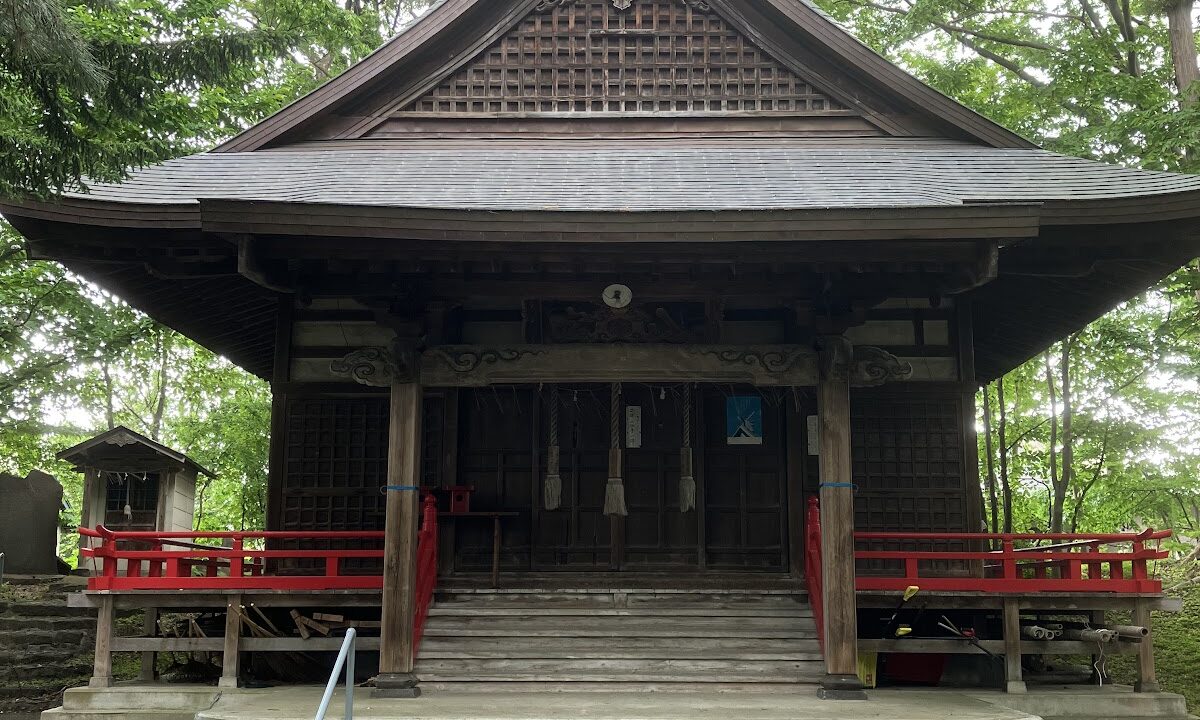
Complete Guide to Fujisaki Hachimangu Shrine | The Charm and Visiting Information of a Historic Guardian Shrine in Fujisaki Town, Aomori Prefecture
Fujisaki Hachimangu Shrine, located in the Shihonmatsu district of Fujisaki Town, Minamitsugaru District, Aomori Prefecture, is a venerable shrine with a history of over 900 years. Founded as the guardian shrine of Fujisaki Castle, it has garnered deep reverence from the local people. This article will introduce the charm of this shrine in its entirety, from its historical background to its highlights within the grounds and visiting information.
History and Origins of Fujisaki Hachimangu Shrine
Founded in the Late Heian Period
Fujisaki Hachimangu Shrine is said to have been founded in 1092 (Kanji 6). This period was the late Heian period, approximately 30 years after the end of the Former Nine Years’ War (1051-1062) in the Tohoku region. The construction of Fujisaki Castle in this area by Takahoshimaru, the surviving son of the Abe clan, a powerful family in Oshu who were defeated by the forces of Minamoto no Yoriyoshi and Yoshiie during the Former Nine Years’ War, marked the beginning of the founding of Fujisaki Hachimangu Shrine.
Takahoshimaru later founded the Ando clan, which grew into a powerful family with a formidable naval force in the Tsugaru region. Fujisaki Hachimangu Shrine was established as the guardian shrine of the territory upon the completion of Fujisaki Castle, and since then, this shrine has walked hand in hand with the history of the Fujisaki region.
The Ando Clan and Fujisaki Hachimangu Shrine
The Ando clan was a powerful family that played an important role in the Tsugaru region during the medieval period. They expanded their power from their base in Fujisaki and prospered through trade along the Sea of Japan and the northern seas. Fujisaki Hachimangu Shrine served as the tutelary shrine of the Ando clan and as a spiritual center for the people of the territory.
A stone monument from 1340 (Ryakuō 3) still exists on the shrine grounds, preserving the history of faith in the medieval period. This stone monument dates back to the Nanboku-cho period (Northern and Southern Courts period) and is a valuable cultural asset for understanding the stone carving techniques and religious practices of that time.
From the Sengoku Period to the Early Modern Period
After the Sengoku period (Warring States period) and into the Edo period (Edo period), Fujisaki Hachimangu Shrine established a firm position as the guardian shrine of the region. During times of war, festivals praying for military success and victory were actively held, and the shrine became a spiritual pillar for the local people.
Even in the modern era, Fujisaki Hachimangu Shrine continued to function as the center of the local community, welcoming many worshippers to this day.
Deities and Beliefs
Main Deity: Hondawake-no-Mikoto
The main deity enshrined at Fujisaki Hachimangu Shrine is Honda-wake-no-Mikoto. This is another name for Emperor Ojin, the 15th emperor, and a central deity in Hachiman worship. Hondawake-no-Mikoto has been widely worshipped as a god of war and a god of national protection.
Hachiman worship is widespread throughout Japan, and Hachiman shrines are among the most numerous shrines in the country. Fujisaki Hachimangu Shrine is also part of this Hachiman worship lineage, attracting the faith of a wide range of people, from samurai to commoners.
Subsidiary Shrines and Diverse Beliefs
Within the grounds of Fujisaki Hachimangu Shrine, several deities are enshrined in addition to the main deity. There are subsidiary shrines such as Awashima-gu and Tenman-gu, each with different divine virtues.
Awashima-gu is believed to grant blessings for healing women’s diseases, safe childbirth, and fertility, and is particularly revered by female worshippers. Tenman-gu enshrines Sugawara no Michizane, the god of learning, and many students and those preparing for exams visit to pray for academic success and passing their exams.
In this way, Fujisaki Hachimangu Shrine functions as a comprehensive shrine that meets the diverse needs of various believers.
Highlights of the Shrine Grounds
Shrine Building on the Site of Fujisaki Castle’s Earthworks
The shrine building of Fujisaki Hachimangu Shrine is built on the slope of the former earthworks of Fujisaki Castle. This location itself holds historical value, forming a unique landscape where a medieval castle and shrine are integrated.
The view from the shrine building evokes the scenery seen by the former castle lords. The arrangement, utilizing the elevation difference of the earthworks, serves a defensive purpose while simultaneously creating a solemn atmosphere befitting a sacred site.
Historical Stone Structures
In addition to the aforementioned 1340 (Ryakuō 3) stone monument, the shrine grounds are dotted with stone structures such as the Twenty-Third Night Tower. The Twenty-Third Night Tower is a stone tower related to moon-worshipping beliefs and is a valuable cultural asset that conveys the popular beliefs of the Edo period.
These stone structures demonstrate that Fujisaki Hachimangu Shrine was not merely the tutelary shrine of samurai families, but also attracted the faith of ordinary people. Each stone structure bears unique carvings and inscriptions, making them must-see points for history buffs.
The History of the Ando Clan
Within the shrine grounds, there is a historical document called the History of the Ando Clan. This is a valuable document recording the history of the Ando clan and is an important resource for the study of medieval Tsugaru history.
The Ando clan later moved to Akita and continued as the Akita clan, but Fujisaki Hachimangu Shrine is an indispensable place for understanding their footsteps in Fujisaki, their place of origin.
Position in the Fujisaki Region
A Pillar with Kashima Shrine
Fujisaki Hachimangu Shrine, along with Kashima Shrine, also located in Fujisaki Town, is known as one of the major shrines representing the Fujisaki region. As the two major shrines of the region, they have each played different roles and had different religious traditions.
While Kashima Shrine is a shrine dedicated to Takemikazuchi-no-Mikoto, a god of war, Fujisaki Hachimangu Shrine is a shrine of Hachiman faith dedicated to Emperor Ojin, thus complementing each other. Both shrines play important roles in local festivals and annual events.
Role as a Community Hub
Fujisaki Hachimangu Shrine is not merely a religious facility; it has functioned as the core of the local community. During festivals, it serves as a place where local residents gather and deepen their bonds.
Especially during wartime, it became a spiritual haven for the people of the community, a place to pray for the continued good fortune of soldiers going to war and a venue for festivals praying for victory. Even in peaceful modern times, it remains a beloved shrine visited at important life events such as New Year’s visits, Shichi-Go-San (a traditional rite of passage for children), and exorcisms.
Annual Events and Festivals
Grand Festival
Fujisaki Hachimangu Shrine holds various festivals throughout the year. The Grand Festival, in particular, is one of the largest festivals in the region, attracting many worshippers. Traditional festival events, such as the portable shrine procession and devotional performances, are still carried on today.
New Year’s Visit and Milestone Prayers
Many worshippers from both within and outside Fujisaki Town visit the shrine for the New Year’s first visit of the year. The shrine grounds are bustling with people praying for safety and prosperity throughout the year. Prayers for milestones in life, such as Shichi-Go-San (a traditional rite of passage for children), exorcism, and success in exams, are also popular.
As a community-oriented shrine, it serves as a place that accepts a wide range of prayers, from individual wishes to the peace and well-being of the entire community.
Visiting Information and Access
Basic Information
Location: 69 Shihonmatsu, Fujisaki, Fujisaki-machi, Minamitsugaru-gun, Aomori Prefecture
Deity Enshrined: Hachiman-no-Mikoto (Emperor Ojin)
Founded: 1092 (Kanji 6)
Subsidiary Shrines: Awashima Shrine, Tenmangu Shrine, etc.
Access Methods
Access by Train: Approximately 15 minutes on foot from JR Gonō Line “Fujisaki Station”. Head northeast from the station towards the Shihonmatsu area. There are signs along the way, making it a relatively easy route.
Access by Car: Approximately 15 minutes from Tohoku Expressway “Kuroishi IC”. Accessible via National Route 7. Parking is available for visitors around the shrine.
Access by Bus: Konan Bus routes are available, but the number of buses is limited, so it is recommended to check the timetable in advance.
Points to Note When Visiting
The shrine grounds are located on the slope of an earthen embankment, so there are stairs and slopes. Those with concerns about footing are advised to wear comfortable shoes. Also, extra caution is needed during rainy weather and winter, as the ground can become slippery.
Photography is generally permitted, but consideration is needed during festivals and prayers. Please visit quietly and respect the sacred atmosphere.
Nearby Tourist Attractions
History and Culture of Fujisaki Town
After visiting Fujisaki Hachimangu Shrine, we recommend also visiting other historical spots in Fujisaki Town. There are many places where you can feel the history of the Middle Ages, such as the Fujisaki Castle ruins and Kashima Shrine.
Fujisaki Town is located in the central part of Aomori Prefecture and has good access to Hirosaki City and Kuroishi City. It can be combined with other representative tourist spots in the Tsugaru region, such as Hirosaki Castle and Kuroishi Komise Street.
Hot Springs and Gourmet Food
There are also hot spring facilities around Fujisaki Town, perfect for relaxing after visiting the shrine. Furthermore, you can enjoy the unique cuisine of the Tsugaru region. Known as an apple-producing area, you can also experience apple picking depending on the season.
There are numerous restaurants where you can savor local flavors, such as regional cuisine using local ingredients and Tsugaru soba noodles.
Cultural Value of Fujisaki Hachimangu Shrine
Importance in Historical Research
Fujisaki Hachimangu Shrine holds an important position in the study of the Ando clan and the history of medieval Tsugaru. The stone structures and historical documents remaining on the shrine grounds are valuable resources for understanding the society and beliefs of the time.
In particular, the 1340 stone monument has attracted the attention of researchers as tangible evidence of the syncretism of Buddhism and Shinto in the Tsugaru region during the Nanboku-cho period.
Preservation of Regional Culture
Fujisaki Hachimangu Shrine preserves not only tangible cultural properties but also intangible cultural traditions such as festivals and annual events. These traditional events form the core of the regional identity and contribute to the transmission of culture across generations.
Even today, opportunities are provided for local children to participate in festivals and learn about traditions, actively contributing to the transmission of culture.
Manners and Etiquette for Visiting a Shrine
Basic Shrine Visit Etiquette
When visiting Fujisaki Hachimangu Shrine, please observe basic shrine visit etiquette. Bow before passing through the torii gate, and walk avoiding the center of the path. Cleanse your hands and mouth at the water basin before proceeding to the main hall.
The basic form of worship is “two bows, two claps, one bow.” Bow deeply twice, clap your hands twice, and finally bow deeply once more.
Goshuin (Shrine Seals) and Amulets
Fujisaki Hachimangu Shrine offers goshuin (shrine seals). If you bring your goshuincho (seal book), you can receive a beautiful calligraphic inscription as a memento of your visit.
Various amulets and talismans are also available. Amulets are available to fulfill various wishes, such as traffic safety, academic success, and family safety.
Fujisaki Hachimangu Shrine Through the Seasons
Arrival of Spring
In spring, the cherry blossoms in the shrine grounds bloom, adorning the approach to the shrine. The season of fresh greenery is enveloped in refreshing air, making it the perfect time to visit.
Summer Festival
In summer, the annual festival is held, filling the shrine grounds with energy. Portable shrines and floats parade through the town, and traditional performing arts are offered.
Autumn Foliage
In autumn, the trees in the shrine grounds change color, allowing visitors to enjoy the beautiful autumn leaves. The autumn foliage spreading across the slopes of the earthen embankment is particularly beautiful.
Winter Serenity
In winter, the shrine grounds, covered in snow, exude a sacred atmosphere of silence. While it is bustling with many visitors during the New Year’s pilgrimage, it can be visited in peace at other times of the year.
Summary: The Charm of Fujisaki Hachimangu Shrine
Fujisaki Hachimangu Shrine is a venerable shrine with a history of over 900 years, and continues to be cherished by the local people. Founded as the guardian shrine of Fujisaki Castle, its history, which developed alongside the rise of the Ando clan, is an indispensable element in understanding the medieval history of the Tohoku region.
The cultural assets remaining on the grounds, such as the stone steles and the Twenty-Third Night Tower, the landscape of the shrine built on the slope of the earthen rampart, and the festivals that continue to this day, are precious legacies connecting the past and the present. Along with Kashima Shrine, it remains a representative shrine of the Fujisaki area and a cornerstone of the community.
Its convenient access, approximately a 15-minute walk from JR Fujisaki Station, is another attractive feature. When visiting Aomori Prefecture, be sure to visit Fujisaki Hachimangu Shrine and experience its history and culture. As you offer your prayers in the tranquil grounds, you will feel the history of prayer spanning over a thousand years.
As a starting point for exploring the history of Fujisaki Town, and as part of a shrine pilgrimage in the Tsugaru region, Fujisaki Hachimangu Shrine is a place well worth visiting. The temple grounds, which display different expressions in each of the four seasons, will offer new discoveries no matter how many times you visit.


