Complete Guide to Kumano-gu Shrine (Yanagida, Horikoshi, Hirosaki City, Aomori Prefecture)
Kumano-gu Shrine, located in Yanagida, Horikoshi, Hirosaki City, Aomori Prefecture, is a historical shrine deeply rooted in the local community. This article provides detailed information useful for visiting Kumano-gu Shrine, including its enshrined deities, history, grounds, annual festivals, and access methods.
Basic Information on Kumano-gu Shrine
Location: Yanagida, Horikoshi, Hirosaki City, Aomori Prefecture
Shrine Rank: Village Shrine (Former Shrine Rank)
Kumano-gu Shrine is located in the Horikoshi district in southern Hirosaki City and is a shrine that attracts the faith of local residents. It is situated in a quiet environment surrounded by rural landscapes and has long been cherished as a guardian deity of the region.
Enshrined Deities and Divine Virtues
Main Deities
The enshrined deities of Kumano-gu Shrine are the Kumano Three Gods (Kumano Gongen). Generally, the Kumano Three Gods refer to the following deities:
- Izanagi-no-Mikoto
- Izanami-no-Mikoto
- Hayatama-no-O-no-Mikoto
Alternatively, it may be said that the deities enshrined here are Ietsumiko-no-Okami (Susanoo-no-Mikoto), Kumano Hayatama-no-Okami, and Kumano Fusumi-no-Okami, who are the enshrined deities of Kumano Hongu Taisha, Kumano Hayatama Taisha, and Kumano Nachi Taisha.
Divine Virtues
Kumano faith has been believed to possess the following divine virtues since ancient times.
- Matchmaking and Marital Harmony: Izanagi-no-Mikoto and Izanami-no-Mikoto are the divine couple who created Japan and the gods.
- Family Safety: Deities who protect the region and family.
- Abundant Harvest: Prayers for agricultural prosperity.
- Exorcism and Good Fortune: To ward off disaster and invite good fortune.
- Healing from Illness: Prayers for health and longevity.
History and Origins of Kumano Shrine
Spread of Kumano Faith
Kumano faith is a belief system with the Kumano Sanzan shrines in Kii Province (present-day Wakayama Prefecture) as its head shrine, and it spread throughout Japan from the Heian period to the Kamakura period. Especially from the medieval period onward, it spread to the Tohoku region, becoming associated with Shugendo (mountain asceticism), and Kumano shrines and Kumano-gu shrines were established in various locations.
Kumano Faith in the Tsugaru Region
Many Kumano shrines exist in the Tsugaru region, each functioning as a center of local faith. Kumano-gu Shrine in the Horikoshi district of Hirosaki City is one such example, believed to have been established alongside the development of the region.
History since the Modern Era
Due to the reform of the shrine system during the Meiji era, Kumano-gu Shrine was elevated to the rank of a village shrine. Since then, it has been protected by the people of the Horikoshi district as the local guardian deity, and the faith has been passed down to the present day.
Shrine Grounds and Highlights
Shrine Buildings
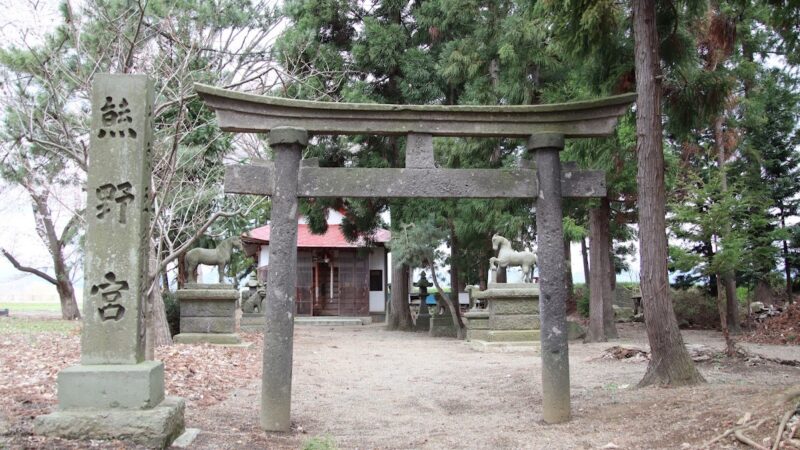
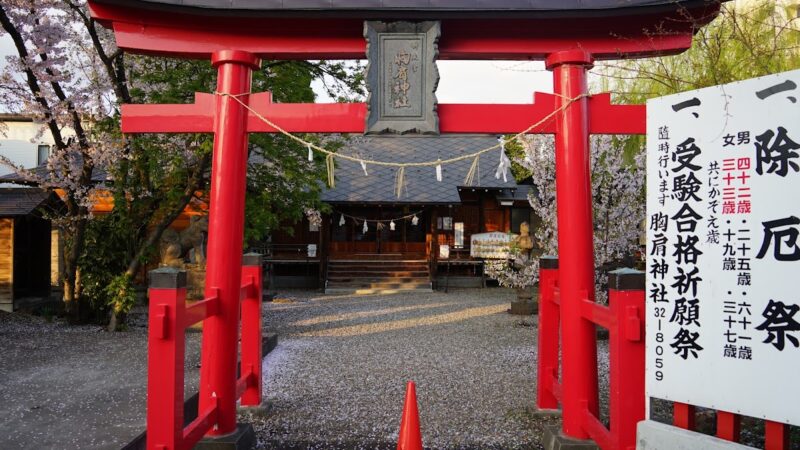
The shrine buildings of Kumano-gu Shrine, though simple, are carefully maintained, reflecting the deep faith of the local people. The main hall retains traditional shrine architectural styles.
Atmosphere of the Shrine Grounds
The shrine grounds are enveloped in a quiet and peaceful atmosphere, allowing visitors to offer their prayers with a calm heart. It harmonizes with the surrounding natural environment, allowing visitors to enjoy the scenery of each season.
Sacred Trees and Stone Monuments
Old trees and stone monuments remain on the grounds, telling the story of the shrine’s history. Please pay attention to these historical relics when you visit.
Annual Festivals and Events
Grand Festival
Kumano Shrine holds its annual grand festival every year. The specific date varies depending on local custom, but it is generally held in spring or autumn. During the grand festival, Shinto rituals are performed, and local residents gather for a portable shrine procession and offering ceremonies.
Other Annual Events
- New Year’s Day Festival: Praying for peace in the new year
- Spring Festival: Praying for a bountiful harvest
- Autumn Festival: Expressing gratitude for the harvest
In smaller local shrines, the parish representatives and local residents play a central role in conducting the festivals.
About Goshuin (Shrine Seals)
Because Kumano Shrine is a small shrine, there may not be a resident Shinto priest. If you wish to receive a Goshuin, it is recommended to inquire in advance with the Hirosaki City Shrine Association or a nearby shrine.
Many local shrines are typically managed by priests from larger, nearby shrines.
Access Information
Location
Address: 036-8154 Yanagida, Horikoshi, Hirosaki City, Aomori Prefecture
Access by Train and Bus
From JR Hirosaki Station:
- Take the Konan Bus bound for “Horikoshi”
- Approximately 5-10 minutes on foot from the nearest bus stop
Please check the Konan Bus official website for specific bus routes and timetables.
Access by Car
From the Tohoku Expressway:
- Approximately 15 minutes from the Owani-Hirosaki Interchange
- Approximately 20 minutes from Hirosaki city center via National Route 7
Parking: There may be some parking space on the shrine grounds or nearby, but details should be confirmed on-site.
Landmarks in the Surrounding Area
The Horikoshi area is located in the southern part of Hirosaki City and is a mixed area of residential areas and farmland. Nearby landmarks include Horikoshi Elementary School and the Horikoshi Community Center.
About the Horikoshi District of Hirosaki City
Regional Characteristics
The Horikoshi district is located in the southern part of Hirosaki City and is a long-established agricultural area. In recent years, residential development has progressed, and it also serves as a commuter town for Hirosaki City.
Historical Background
The name Horikoshi is thought to originate from the geographical feature of crossing canals and rivers. It is a settlement that has existed since the Tsugaru Domain era and has developed primarily through agriculture.
Nearby Tourist Attractions
Hirosaki Castle: Approximately 15 minutes by car, one of Japan’s leading cherry blossom viewing spots.
Iwaki-yama Shrine: Approximately 30 minutes by car, an ancient shrine situated at the foot of Mt. Iwaki, also known as Tsugaru Fuji.
Saruga Shrine: Approximately 20 minutes by car, a representative ancient shrine of the Tsugaru region.
Saishoin Five-Storied Pagoda: Approximately 15 minutes by car, a nationally important cultural property.
Manners and Etiquette for Worship
Basic Worship Etiquette
- Bow before passing through the torii gate: A courtesy before entering the sacred area.
- Purify yourself at the water basin: Purify your left hand, right hand, and mouth in that order.
- Walk along the edge of the path: The center is considered the path of the gods.
- Etiquette in front of the main hall: Two bows, two claps, and one bow are the basics.
Regarding Clothing
There are no specific dress code requirements, but clean clothing that reflects the sacred nature of the place is desirable. ### Regarding Photography
Photography is generally permitted within the temple grounds, but please refrain from taking photos inside the main hall or during religious ceremonies. Please also be considerate of the privacy of local residents.
The Charm of Kumano Faith
A Faith Open to the Common People
A characteristic of Kumano faith is its openness to many people, regardless of social status or gender, to the point of being called “an ant-like pilgrimage to Kumano.” In the Middle Ages, a wide range of people, from emperors and nobles to commoners, made pilgrimages to Kumano.
A Sacred Place of Rebirth and Purification
Kumano has been considered a “land of rebirth” since ancient times, and has been worshipped as a place to cleanse past sins and impurities and gain new vitality.
Fusion with Nature Worship
Kumano faith is deeply intertwined with mountain worship and nature worship, embodying the ancient Japanese belief of feeling the presence of gods in nature.
The Role of Kumano Shrine in the Community
The Heart of the Community
Small local shrines serve as gathering places for residents through festivals and rituals, strengthening community bonds. Kumano Shrine is also an important place of interaction in the Horikoshi district.
Preservation of Traditional Culture
Through festivals and events at the shrine, local traditional culture and customs are passed down to the next generation.
A Place of Spiritual Support
In daily life, the shrine serves as a place of spiritual support for residents, functioning as a place to offer prayers during life’s milestones and difficult times.
Points to Note When Visiting
Considerations Unique to Small Shrines
- The shrine office may not be open all the time: Advance confirmation is necessary if you wish to obtain a Goshuin (shrine stamp) or other items.
- Located close to the living spaces of local residents: Please be considerate of noise and parking.
- Respect for Cleaning Activities: Let’s show gratitude for the maintenance and upkeep carried out by local residents.
Seasonal Precautions
- Winter (December to March): Aomori Prefecture experiences heavy snowfall, so warm clothing and non-slip shoes are essential.
- Summer: Insect repellent is recommended for a more comfortable visit.
Other Shrines in Hirosaki City
When visiting Hirosaki City, why not also visit other historical shrines?
Iwaki-yama Shrine
An ancient shrine situated at the foot of Mt. Iwaki, also known as Tsugaru Fuji. As the Ichinomiya (first-ranked shrine) of Tsugaru Province, it enjoys high status, and its magnificent shrine buildings and the cedar-lined approach are truly impressive.
Hirosaki Hachimangu Shrine
A shrine revered by the Tsugaru feudal lord as a guardian against evil influences from the northeast of Hirosaki Castle. Its magnificent shrine buildings and the atmosphere of its grounds are captivating.
Seiganji Temple
Although not a shrine, it is a representative temple of Hirosaki City and worth visiting during a historical walk.
Summary
Kumano-gu Shrine, located in Yanagida, Horikoshi, Hirosaki City, Aomori Prefecture, is a small but historically significant shrine deeply rooted in the community. It enshrines the three Kumano deities and is believed to bestow blessings for matchmaking, family safety, and abundant harvests.
When visiting Hirosaki City, in addition to famous tourist spots, visiting these small local shrines will allow you to experience the region’s history and culture more deeply. Why not calm your mind in the tranquil grounds and pray for daily peace?
When visiting, please remember to be considerate of local residents and observe proper etiquette. We hope that Kumano-gu Shrine will continue to be loved and protected by the local people.
—
Important Note: The information in this article is current as of the time of writing. We recommend checking for the latest information before visiting. In particular, the dates of the annual festival, the availability of Goshuin (temple/shrine stamps), and access methods are subject to change, so please check with the Hirosaki City Tourist Information Center or other local information sources in advance.