Nentōji Temple (Obanazawa City, Yamagata Prefecture) Complete Guide | History, Highlights, and Access Information
Located in the heart of Obanazawa City, Yamagata Prefecture, Kayūzan Nentōji Temple is an important temple that preserves the history and culture of the region. The temple grounds contain the graves of court nobles from the late Edo period and prominent local haiku poets, making it an indispensable part of understanding Obanazawa’s history. This article provides a detailed overview of Nentōji Temple, from its historical background to its highlights and access information.
Basic Information about Nentoji Temple
Official Name: Kayuzan Nentoji Temple
Location: 5 Kamimachi, Obanazawa City, Yamagata Prefecture
Sect: Nichiren Buddhism
Access: Approximately 2 minutes on foot from Obanazawa Bus Terminal
Parking: Parking available for visitors (please confirm details with the temple)
Inquiries: Obanazawa City Commerce and Tourism Division (0237-22-1111)
Nentoji Temple is located in the Kamimachi district, the heart of Obanazawa City, making it easily accessible by public transport. Despite being in the city center, it maintains a quiet environment and is cherished as a place of worship for locals and as a tourist spot.
History and Origins of Nentoji Temple
Founding and Development
Nentoji Temple, as a Nichiren Buddhist temple, has a long history in Obanazawa. During the Edo period, Obanazawa flourished as a transportation hub where the Mogami River waterway and land routes intersected, and it was a bustling commercial city that thrived on the trade of local products such as safflower and ramie. Nentoji Temple has grown alongside Obanazawa’s development, functioning as a spiritual center for the local people.
Nichiren Buddhism is a Buddhist sect founded by Nichiren Shonin during the Kamakura period, characterized by its faith centered on chanting the mantra “Namu Myoho Renge Kyo.” Many Nichiren temples exist in Yamagata Prefecture, and Nentoji Temple is one of them, supporting the faith of the region.
Connection to Obanazawa
Obanazawa is also known as a place visited by Matsuo Basho during his journey chronicled in “Oku no Hosomichi” (The Narrow Road to the Deep North), and it was a land where haikai poetry flourished. Basho stayed at the residence of merchant Suzuki Seifu in Obanazawa and left behind many verses. Nentoji Temple houses the grave of Suzuki Kiyokaze, a testament to the deep connection between Obanazawa and haikai culture.
Temple Grounds Highlights and Cultural Properties
Grave of Suzuki Kiyokaze
One of the most noteworthy historical sites on the grounds of Nentoji Temple is the grave of the haiku poet Suzuki Kiyokaze. Suzuki Kiyokaze was a wealthy merchant in Obanazawa, and his haiku name was “Kiyokaze.” He was a close friend of Matsuo Basho.
In May of Genroku 2 (1689), when Basho visited Obanazawa during his journey on “Oku no Hosomichi” (The Narrow Road to the Deep North), Kiyokaze invited him to his home and treated him with great hospitality for 10 days. During this stay, Basho composed the famous haiku, “I make coolness my lodging and sleep here.” Seifu himself excelled in haiku poetry and was active as a haiku poet under Basho.
Seifu’s grave stands quietly within the grounds of Nentoji Temple, a valuable historical site commemorating the connection between Obanazawa and Basho. It’s a must-see spot for anyone interested in haiku culture or traveling to places associated with Basho.
The Grave of Irie Tametsumi
There is another important grave within the temple grounds. This is the grave of Irie Tametsumi, a court noble of the late Edo period.
Irie Tametsumi was a court noble of the late Edo period who was involved in the Sonno Joi (Revere the Emperor, Expel the Barbarians) movement. Due to his political position, he was forced to leave Kyoto and is said to have ended up in Obanazawa. At that time, Obanazawa, as the center of the Mogami region, possessed a certain economic power and had a fertile ground for accepting diverse people.
The presence of Irie Tamesumi’s grave at Nentoji Temple is historical evidence of the role Obanazawa played during the turbulent Bakumatsu period. It offers a glimpse into the history of Obanazawa, a regional city that, despite its location, was not immune to the political turmoil of the central government.
Atmosphere of the Main Hall and Temple Grounds
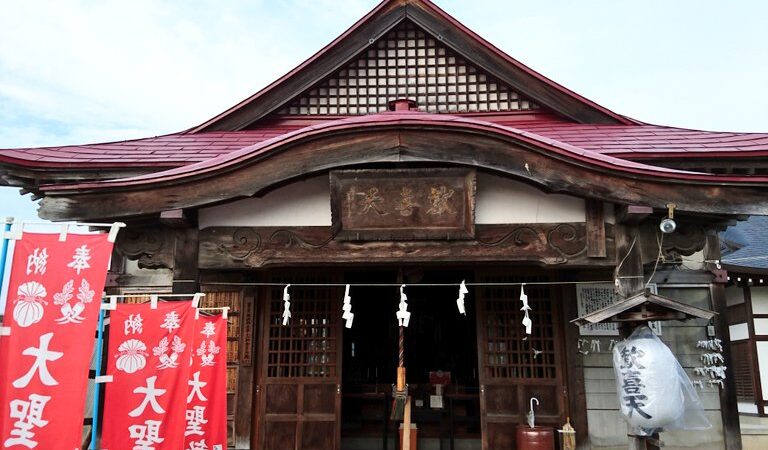
Nentoji Temple’s main hall is a magnificent building exhibiting the characteristics of a Nichiren Buddhist temple. Despite being located in the city center, the temple grounds are enveloped in a tranquil atmosphere, allowing visitors to escape the hustle and bustle of everyday life and find peace of mind.
Beautiful flowering trees and shrubs bloom throughout the seasons, creating particularly picturesque scenery during the cherry blossom season in spring, the fresh greenery of early summer, and the vibrant autumn foliage. The sight of locals regularly visiting and offering prayers demonstrates the temple’s deep roots in the community.
How to Access Nentoji Temple
Access by Public Transportation
By Train and Bus:
- Get off at Oishida Station on the JR Yamagata Shinkansen/Ou Main Line.
- Take a bus bound for Obanazawa from the station (approximately 15 minutes).
- Get off at Obanazawa Bus Terminal and walk for approximately 2 minutes.
Obanazawa Bus Terminal is located in the city center, and Nentoji Temple is within walking distance. If you head towards Kamimachi from the bus terminal, you will soon see the temple.
By Highway Bus:
Highway buses and local buses also operate from Sendai and Yamagata City to Obanazawa. For detailed timetables and operating information, please contact bus companies such as Yamagata Kotsu.
Access by Car
Using the Tohoku Chuo Expressway:
- Approximately 30 minutes from Higashine IC via National Route 13
- Approximately 5 minutes from Obanazawa IC
Using General Roads:
- Approximately 50 minutes heading north on National Route 13 from Yamagata City
- Approximately 40 minutes heading south on National Route 13 from Shinjo area
Nentoji Temple is located in the Kamimachi district, the center of Obanazawa City. You can access it by entering the city center from National Route 13 and following the signs. If using a car navigation system, please search for “5 Kamimachi, Obanazawa City, Yamagata Prefecture” or “Nentoji Temple”.
Regarding parking, there is a space available for visitors, but for details and congestion information, it is recommended to contact the temple or the Obanazawa City Commerce and Tourism Division (0237-22-1111) in advance.
Nearby Tourist Attractions
When visiting Nentoji Temple, we recommend also visiting other tourist attractions in Obanazawa City. ### Yōsenji Temple and the Bashō Haiku Monument “Suzushizuka”
Yōsenji Temple houses the Matsuo Bashō haiku monument “Suzushizuka.” It bears the inscription of the haiku “I make coolness my lodging and sleep here,” which Bashō composed at Seifū’s house. Visiting this monument along with Seifū’s grave at Nentōji Temple allows for a deeper understanding of Bashō’s connection to Obanazawa.
Chikyōji Temple Gate and Bell Tower
Chikyōji Temple is one of Obanazawa’s representative temples, and its gate and bell tower are historically valuable structures. It’s within walking distance of Nentōji Temple, making it an ideal addition to an Obanazawa temple tour.
Ginzan Onsen
Ginzan Onsen, known as the inner sanctuary of Obanazawa City, is nationally famous as a hot spring town overflowing with Taisho-era romance. It’s about a 30-minute drive from Nentōji Temple, allowing visitors to enjoy a hot spring bath after their temple visit.
Obanazawa City Tourism and Local Products Association
This facility provides tourist information about the city and allows you to purchase local specialties. They offer a variety of regional products, including Obanazawa beef and Obanazawa watermelon.
History and Culture of Obanazawa City
Production Area of Safflower and Ramie
During the Edo period, Obanazawa flourished as a major production area for safflower and ramie. Safflower was highly valued as a dye and lipstick ingredient, and was transported to Kyoto and Osaka via a trade route known as the “Crimson Road.” This trade brought great wealth to Obanazawa, giving rise to many wealthy merchants. Suzuki Seifu was one of those who amassed a fortune through these commercial activities.
Key Point on the Mogami River Waterway
Obanazawa was also a key transportation hub where the Mogami River waterway and land routes intersected. Goods produced inland were transported down the Mogami River to Sakata Port, and conversely, goods from the Sea of Japan were brought inland, making Obanazawa a crucial transit point. This geographical advantage supported Obanazawa’s prosperity.
The Rise of Haikai Culture
Economic prosperity also brought about cultural development. Haikai poetry flourished in Obanazawa, and many haiku poets were active there. Matsuo Basho’s visit was made possible because of this cultural fertile ground, and the haikai culture continued to be passed down in Obanazawa afterward.
Manners and Precautions for Visiting a Temple
Basic Temple Etiquette
Nentsuji Temple is a Nichiren Buddhist temple, so please observe the following etiquette when visiting:
- Bow at the Temple Gate: Bow at the temple gate before entering the temple grounds.
- Purification at the Water Basin: If there is a water basin, purify your hands and mouth.
- Worship at the Main Hall: Join your hands in prayer in front of the main hall and quietly offer your prayers.
- Respectful Attitude: Behave quietly on the temple grounds and be considerate of other visitors.
Photography
Photography is generally permitted on the temple grounds, but it may be restricted inside the main hall or in certain areas. Please check with temple staff or follow any posted notices before taking pictures. Also, please be considerate of the privacy of other visitors.
Clothing and Belongings
There are no specific dress code requirements, but modest attire is desirable when visiting a temple. Even in summer, avoid revealing clothing and choose footwear that is easy to remove.
The Significance of Visiting Nentoji Temple
Nentoji Temple is not merely a tourist spot; it is an important place that embodies the history and culture of Obanazawa. Stepping onto the temple grounds offers the following experiences:
Dialogue with History
By visiting the graves of Suzuki Seifu and Irie Tamesumi, you can experience the history of Obanazawa from the Edo period to the end of the Edo shogunate. It reveals Obanazawa’s deep connection to central culture and politics, despite being a regional city.
Following in Basho’s Footsteps
As a place associated with “Oku no Hosomichi” (The Narrow Road to the Deep North), you can feel the atmosphere of Obanazawa as Basho visited. Learning about his interactions with Seifu and the background of the poems composed here deepens your understanding of Basho’s journey.
Understanding Local Culture
By observing the temple as a place of daily visit for locals, you can gain insight into the lives, beliefs, and deeply rooted culture of the people of Obanazawa.
Annual Events and Festivals
Nentsuji Temple holds various Buddhist ceremonies throughout the year. For detailed dates and content, please contact the temple directly or check the Obanazawa City tourism information.
General annual events at Nichiren Buddhist temples include:
- New Year: First shrine visit of the year, Shusho-e (New Year’s service)
- Spring: Spring Equinox service
- Summer: Obon memorial service
- Autumn: Autumn Equinox service, Oeshiki (memorial service for Nichiren Shonin’s death anniversary)
During these events, you may experience a different atmosphere on the temple grounds than usual.
Recommendation for Staying in Obanazawa
To fully enjoy sightseeing in Obanazawa, including Nentsuji Temple, it’s worth considering an overnight stay in addition to a day trip.
Accommodation
Obanazawa city has business hotels and traditional inns, and if you venture to Ginzan Onsen, you can stay at charming hot spring inns. The Taisho-era romantic atmosphere of Ginzan Onsen is well worth a visit.
Food and Local Products
Obanazawa is a treasure trove of food, known for “Obanazawa beef” and “Obanazawa watermelon.” Restaurants in the city offer dishes made with local ingredients. There is also a wide variety of soba noodles and local cuisine, allowing you to enjoy the local food culture.
Summary
Hanamurayama Nentoji Temple is a valuable temple that conveys the history and culture of Obanazawa City, Yamagata Prefecture. It houses the graves of haiku poet Suzuki Seifu and Edo period court noble Irie Tamesumi, and is also known as a place associated with Matsuo Basho.
It is conveniently located about a 2-minute walk from the Obanazawa bus terminal. The temple grounds are enveloped in a quiet and peaceful atmosphere, allowing you to visit and reflect on history at your leisure.
Hanamurayama Nentoji Temple is a valuable temple that conveys the history and culture of Obanazawa City, Yamagata Prefecture. It contains the graves of haiku poet Suzuki Seifu and Edo period court noble Irie Tamesumi, and is also known as a place associated with Matsuo Basho.
It is conveniently located about a 2-minute walk from the Obanazawa bus terminal. When you visit Obanazawa, be sure to stop by Nentoji Temple. Visiting it along with other nearby temples such as Yosenji and Chikyoji will give you a deeper understanding of Obanazawa’s history and culture. Extending your trip to Ginzan Onsen will allow you to enjoy both historical exploration and relaxing hot springs.
Nentoji Temple, deeply rooted in the community, will continue to walk alongside the people of Obanazawa for years to come. Within its tranquil ambiance, the rich history and culture of Obanazawa breathe life into.