Complete Guide to Kikaku-ji Temple (Yamagata Prefecture) | History, Highlights, and Access Information
Yamagata Prefecture is home to numerous historical temples, but among them, Kikaku-ji Temple stands out as a temple deeply rooted in the local community. This article comprehensively covers Kikaku-ji Temple’s historical background, architectural features, cultural assets, seasonal highlights, and access information, providing helpful information for those considering a visit.
What is Kikaku-ji Temple?
Kikaku-ji Temple is a Buddhist temple located in Yamagata Prefecture, an important religious facility that conveys the region’s history and culture to the present day. While there may be multiple Kikaku-ji temples in Yamagata Prefecture, all have served as spiritual pillars for the local community, attracting the faith of local people for many years.
Temple Sect and Principal Image
Japanese Buddhist temples each belong to a specific sect and enshrine their own principal image. Kikaku-ji Temple is no exception, and its services and events are conducted based on the teachings of its sect. The principal image is the central figure of the temple, and worshippers seek peace of mind by offering prayers to this Buddha statue.
Role in the Community
Kikaku-ji Temple is more than just a religious facility; it plays a vital role in the local community. It functions not only as a center for Buddhist services such as funerals and memorial services, but also as a hub for local traditional events and cultural activities, serving as a place for intergenerational exchange.
History of Kikaku-ji Temple
Origin of Founding
The founding of Kikaku-ji Temple has a historical background unique to the region. Yamagata Prefecture has long been a region where Buddhist culture flourished, and many temples were built from the Heian period to the Muromachi period. It is highly likely that Kikaku-ji Temple was founded during this period, and it is thought to have developed with the support of influential local figures and devout believers.
Successive Chief Priests and the Temple’s Development
The history of the temple has been woven together by the efforts of successive chief priests and the faith of the local residents. At Kikaku-ji Temple, successive chief priests have dedicated themselves to the transmission of Buddhist teachings and the maintenance of the temple, protecting it while adapting to the changing times.
Changes Since the Modern Era
The anti-Buddhist movement following the Meiji Restoration and the social changes after World War II had a significant impact on many temples. Kikaku-ji Temple also overcame these turbulent times and continues to exist as a center of local faith to this day.
Highlights of the Temple Grounds
Main Hall
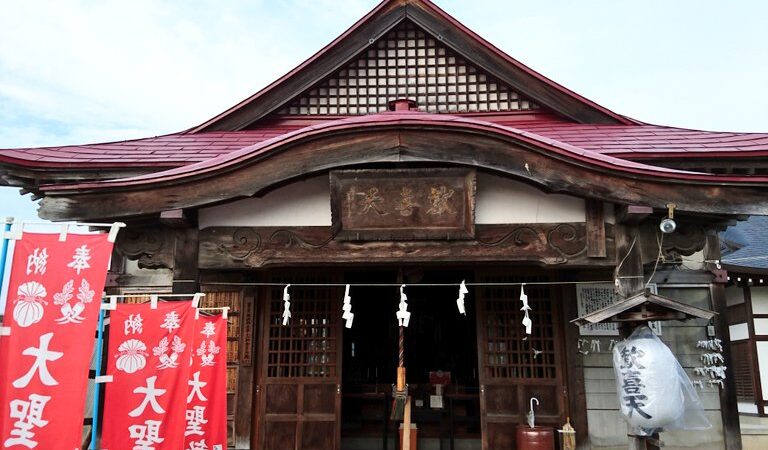
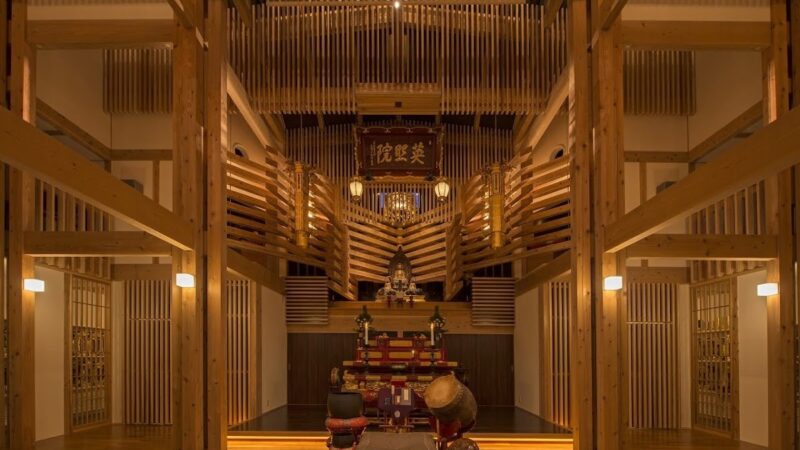
The main hall of Kikaku-ji Temple is the central building of the temple. It boasts a traditional Japanese architectural style, and the principal image is enshrined inside. The architectural style and decoration of the main hall reflect the characteristics of the era in which it was built, making it historically valuable.
Temple Gate
The temple gate, the entrance to the temple, is a symbolic presence separating the secular world from the sacred realm. By passing through the gate, worshippers leave their daily lives and step into a tranquil religious space.
Gardens and Natural Environment
The grounds of Kikaku-ji Temple feature gardens and trees where visitors can enjoy the changing seasons. The temple grounds, which display different expressions in each season—especially the cherry blossoms in spring, the fresh greenery in summer, the autumn leaves, and the snowscapes in winter—soothe the hearts of visitors.
Stone Monuments and Cemeteries
The temple grounds contain historical stone monuments and cemeteries, which are valuable historical materials that tell the story of the region. These stone structures offer insights into past religious practices and the changes in the local community.
Cultural Properties and Treasures
Buddhist Statues and Relics
Kikaku-ji Temple may possess historically valuable Buddhist statues and relics. These are important cultural properties that tell the story of the temple’s history and are also valuable historical materials from an art history perspective.
Ancient Documents and Records
Temples often store historical records and documents, and Kikaku-ji Temple may also possess such materials. These are important primary sources for local history research.
Annual Events and Memorial Services
Regular Memorial Services
Kikaku-ji Temple holds various memorial services throughout the year. Regular religious events, such as monthly memorial services and memorial services on the anniversary of deaths, support the faith life of the community.
Seasonal Events
Traditional Buddhist annual events, such as the spring equinox, Obon (Buddhist All Souls’ Day), and the autumn equinox, are important events for the local community. Many parishioners and local residents participate in these events, providing opportunities for ancestral veneration and strengthening family bonds.
Special Events
Several special events, such as temple festivals and the founding anniversary, are held throughout the year. These events are valuable opportunities to reaffirm the history of the temple and the teachings of the sect.
Kikaku-ji Temple in the Four Seasons
Kikaku-ji Temple in Spring
In spring, the cherry blossoms in the temple grounds bloom, delighting visitors. Combined with the beauty of the fresh greenery, it is a season where one can feel the breath of life. The spring equinox memorial service is also held, attracting many visitors.
Kikaku-ji Temple in Summer
Summer is the season for Obon events. During the Obon festival, ancestral spirits are welcomed with Tanagyo and Segaki ceremonies, and the temple grounds are bustling with many worshippers. The lush green grounds offer a cool atmosphere even on hot summer days.
Autumn at Kikaku-ji Temple
In autumn, the temple grounds are adorned with colorful autumn leaves. The autumn foliage at temples in Yamagata Prefecture is particularly beautiful, and Kikaku-ji Temple is no exception. Along with the autumn equinox ceremonies, it’s a season to enjoy the beauty of nature.
Winter at Kikaku-ji Temple
Covered in snow, Kikaku-ji Temple in winter exudes a solemn atmosphere enveloped in silence. The temple architecture amidst the snowscape is a symbolic scene of Japanese winter beauty.
Manners and Etiquette for Visiting a Temple
Basic Manners for Visiting a Temple
When visiting a temple, it is important to observe appropriate manners. Bow when passing through the temple gate, and walk quietly within the grounds. At the main hall, join your hands in prayer and offer your prayers with sincerity.
Attire and Belongings
When visiting a temple, it is best to wear clean, understated clothing. If attending a memorial service, choose clothing in subdued colors such as black or navy. Bringing prayer beads (juzu) allows for a more respectful visit.
Photography
Photography is generally permitted on the temple grounds, but photography inside the main hall or of Buddha statues may be prohibited. Please check with temple staff or any posted notices before taking photos.
Access Information
Location
Kikaku-ji Temple is located in Yamagata Prefecture, but it is recommended to check the latest information regarding its exact location before visiting.
Access by Public Transportation
Access to temples in Yamagata Prefecture is generally via JR trains and buses. You can reach the temple by taking a bus or taxi from the nearest station. Check the timetable in advance and plan your trip with ample time.
Access by Car
Access by car is also convenient. From major roads such as the Yamagata Expressway, take local roads to reach the temple. Entering the temple name into your car navigation system will provide route guidance.
Parking Information
While temples often have parking available for visitors, space is limited. Especially during religious services and events, congestion is expected, so please aim to arrive early.
Nearby Tourist Attractions
Visiting Temples and Shrines in Yamagata Prefecture
When visiting Kikaku-ji Temple, we recommend visiting other temples and shrines in the surrounding area. Yamagata Prefecture boasts numerous historical temples and shrines, each with its own unique charm.
Local Tourist Attractions
Yamagata Prefecture is also known as a tourist destination rich in nature. There are plenty of tourist attractions to enjoy in conjunction with your visit to Kikaku-ji Temple, including hot springs, mountain scenic spots, and historical buildings.
Local Cuisine
Yamagata Prefecture also has a rich food culture. You can enjoy delicious local dishes and specialties such as imoni (taro stew), chilled ramen, and cherries.
Kikaku-ji Temple and Local Culture
Connections with the Local Community
Kikaku-ji Temple is deeply connected to the local community. Through the danka (parishioner) system, it has built relationships with local families and plays an important role as a venue for weddings, funerals, and other ceremonial occasions. It also participates in local festivals and cultural events, strengthening community bonds.
Educational and Cultural Activities
Temples serve not only as places to transmit Buddhist teachings but also as centers for local cultural education. By providing opportunities to experience Buddhist culture through activities such as sutra copying sessions and Dharma talks, it contributes to the transmission of spiritual culture.
Social Contribution Activities
Modern temples engage in various social contribution activities in addition to traditional religious activities. Addressing social issues such as local welfare activities and environmental conservation activities is also an important role for temples.
Visitor Voices and Experiences
The Appeal of a Tranquil Atmosphere
Many visitors highly appreciate the quiet and peaceful atmosphere of Kikaku-ji Temple. Many regularly visit as a place to escape the hustle and bustle of everyday life and find peace of mind.
Seasonal Beauty
The beauty of nature throughout the four seasons is one of the elements that captivates visitors. Especially during cherry blossom and autumn foliage seasons, many photography enthusiasts visit to capture the beautiful scenery of the temple grounds.
Experiencing Local History
As a historical temple, one of its attractions is the opportunity to experience the history and culture of the region. From the old buildings and stone monuments, one can reflect on the faith and lives of people from the past.
Points to Note When Visiting Kikaku-ji Temple
Visiting Hours
Temples generally have visiting hours. Since the gates may be closed in the early morning or after sunset, daytime visits are preferable. Hours may differ during religious services and events, so prior confirmation is recommended.
Maintaining Quietness
Temples are religious facilities, and maintaining a quiet environment is required. Please refrain from loud conversations and noisy behavior, and remember to be considerate of other visitors and practitioners.
Use of Facilities
The interior of the main hall and certain facilities may not be open to the public. Please do not enter areas marked “No Entry” and respect the temple’s rules.
The Future and Preservation Activities of Kikaku-ji Temple
Protection of Cultural Properties
Appropriate preservation and restoration are crucial to passing on historical temple architecture and cultural properties to future generations. At Kikaku-ji Temple, continuous maintenance of buildings and protection of cultural properties are carried out.
Changes in the Danka System and Responses
In modern society, the Danka system is undergoing a period of change. With the number of parishioners decreasing due to population decline and urbanization, temples are exploring new ways of engaging with the community.
Passing on to the Next Generation
Passing on the traditions and culture of temples to the next generation is a crucial challenge facing modern temples. Efforts to convey the value of Buddhism and temple culture to younger generations are needed.
Summary
Kikaku-ji Temple, a historical temple rooted in the local community of Yamagata Prefecture, has attracted the faith of people for many years. Its history, architecture, cultural properties, and the beauty of the four seasons deeply move visitors.
Temples are not merely tourist attractions; they are living places of faith and centers of local culture. When visiting, it is important to observe proper etiquette and respect the temple’s history and traditions.
If you have the opportunity to visit Yamagata Prefecture, please consider visiting Kikaku-ji Temple. In its tranquil grounds, you can find peace of mind and experience the spirit of traditional Japanese culture and Buddhism, offering a valuable experience unlike anything you might find in everyday life.
Kikaku-ji Temple will continue to play a vital role in the local community as a bridge of faith and culture from the past to the present and into the future.