Entsuji Temple (Ena City, Gifu Prefecture) Complete Guide | History, Access, and Perpetual Memorial Services: A Thorough Explanation
Entsuji Temple, located in Shoei, Nagashima-cho, Ena City, Gifu Prefecture, is a historic temple belonging to the Soto Zen sect. Having survived the ravages of war during the Sengoku period, this temple has attracted the faith of the local people. This guide provides a detailed introduction to its history, current state, and visiting information.
Basic Information about Entsuji Temple
Official Name: Choshozan Entsuji
Sect: Soto Zen
Address: 265-1 Shoei, Nagashima-cho, Ena City, Gifu Prefecture
Phone Number: 0573-25-3012
While there are several temples with the same name in Ena City, this particular temple in Shoei, Nagashima-cho, is a Soto Zen temple deeply rooted in the community, possessing its own unique history and characteristics.
History and Origins of Entsuji Temple
Historical Background from Ancient Times
Entsuji Temple has ancient origins, and it is said that its predecessor was the Shingon Buddhist temple “Seishōzan Engakuji.” This temple, built in Shōga Village since ancient times, flourished as a center of local faith.
The Trials of the Sengoku Period
In 1572 (Genki 3), a major turning point occurred in the history of the Tōno region. When the Takeda clan, led by Takeda Shingen, invaded the Tōno region, Engakuji Temple, the predecessor of Entsuji Temple, was burned down along with many other temples and shrines.
During this period, the Takeda clan considered the Tōno region a strategically important location in their conflict with Oda Nobunaga. Many temples and shrines were caught in the crossfire during their military operations. Engakuji Temple was also a victim, and it is believed that many of its buildings with a long history and valuable cultural assets were lost.
Reconstruction as a Soto Zen Temple
After being destroyed by fire during wartime, the temple was rebuilt as a Soto Zen temple. During this reconstruction, the temple’s sect changed from Shingon Buddhism to Soto Zen, and its mountain name was changed to “Choshozan,” marking the beginning of a new history as the current Entsuji Temple.
The Soto Zen sect is a branch of Zen Buddhism founded by Zen Master Dogen, emphasizing “shikantaza,” or simply sitting in meditation. Entsuji Temple has continued to serve as a center of Soto Zen in the region, transmitting the teachings of Zen to this day.
The Position of Entsuji Temple in Ena City
Relationship with Other Temples of the Same Name in Ena City
Besides Entsuji Temple in Nagashima-cho, Ena City, there is another temple named Entsuji Temple in Yamaoka-cho, Hara. However, there is no direct relationship between these two temples; they are separate temples with independent histories and origins.
The existence of temples with the same name stems from the significant meaning of the word “Entsu” in Buddhism. Entsu represents the virtues of Kannon Bodhisattva, and many temples bear this name.
Connection to the Nagashima-cho Shoka Area
Entsuji Temple is located in Nagashima-cho Shoka, a historically significant area within Ena City. Entsuji Temple has functioned not only as a religious institution but also as a central hub for the local community.
Through local annual events, memorial services, and funerals, Entsuji Temple serves as a spiritual anchor for the residents. In particular, Zen meditation sessions and Dharma talks based on the teachings of the Soto Zen sect provide valuable opportunities to convey the spirit of Zen to the local people.
Highlights and Characteristics of Entsuji Temple
Architectural Style as a Soto Zen Temple
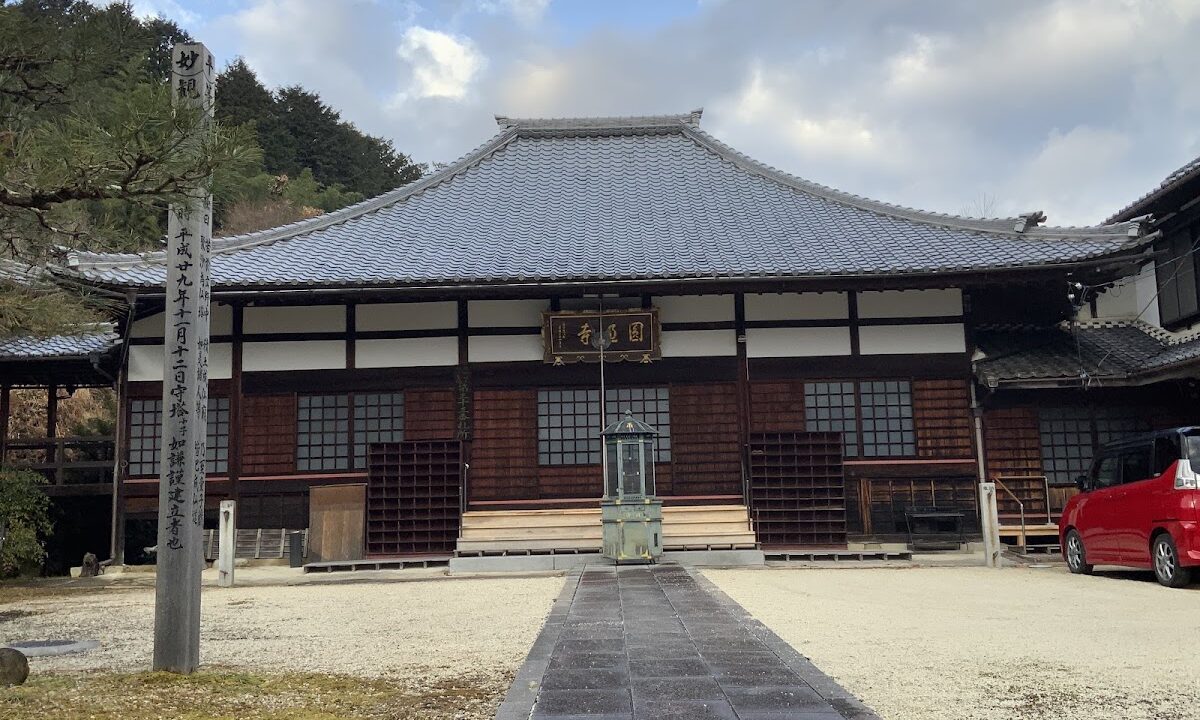
The grounds of Entsuji Temple are enveloped in the tranquil atmosphere characteristic of Soto Zen temples. The buildings, including the main hall, are simple yet dignified, typical of Zen temples, offering peace of mind to visitors.
The layout of the temple grounds and the design of the gardens reflect Zen philosophy, characterized by a spatial composition that emphasizes harmony with nature. An environment is provided where one can quietly reflect on oneself while experiencing the changing seasons.
A Precious Preservation of Local History
Entsuji Temple, having experienced the historical event of the wars of the Sengoku period, is an important presence that preserves the history of the Tono region. By continuing to preserve the memory of the important event in local history, the Takeda clan’s invasion, it plays a valuable role in local history education.
About Perpetual Memorial Services, Graves, and Columbariums
Memorial Services at Entsuji Temple
In modern times, due to the declining birthrate, aging population, and changes in family structures, the inheritance of graves is becoming increasingly difficult. Entsuji Temple offers various memorial services, including perpetual memorial services, to meet these needs.
Perpetual memorial services are a system in which the temple takes responsibility for performing perpetual memorial services for the deceased. It is chosen by those who have no successors to their graves or who do not want to burden their descendants.
Types and Options of Graves
Entsuji Temple offers a variety of memorial options, from traditional individual graves to tree burials and columbariums, which have seen increasing demand in recent years.
Individual Grave: Suitable for those who wish to have cremated remains interred individually for a certain period. A popular choice for families who wish to maintain the traditional form of a family grave.
Communal Grave: A form of burial where remains are interred together with those of others. Recommended for those who wish to reduce costs. Combining this with perpetual memorial services provides peace of mind for the future.
Columbarium: An indoor facility for interring cremated remains, offering the advantage of being able to visit regardless of the weather.
Support for Grave Closure
Entsuji Temple also provides consultation regarding “grave closure,” which involves removing an existing grave and interring the remains in a different form. Grave closure is an important option for those who find it difficult to manage a grave. Through appropriate procedures and memorial services, it is possible to transition to a new form of memorial service while maintaining respect for the deceased.
Costs and Visits
Specific costs for perpetual memorial services and graves vary depending on the type of memorial service and plot chosen. For details, we recommend contacting Entsuji Temple directly.
It is also possible to visit the temple grounds and experience the atmosphere before making a decision. If you wish to visit, please make a reservation by phone in advance to receive a thorough tour.
Access Information
Location and Transportation
Address: 265-1 Shoei, Nagashima-cho, Ena City, Gifu Prefecture
Access to Entsuji Temple is primarily by car. It is located approximately 15 minutes by car from the center of Ena City.
Access by Car
It takes approximately 10 minutes from the Ena Interchange on the Chuo Expressway. Access from National Route 19 is also good; entering the address into your car navigation system will allow you to arrive smoothly.
Regarding parking, we recommend contacting the temple directly.
Access by Public Transportation
The nearest station is Ena Station on the JR Chuo Main Line. From the station, you will need to take a taxi or a local bus. If using public transportation, it is recommended to check the timetable in advance and plan your trip with plenty of time to spare.
Notes and Manners for Visiting the Temple
Basic Manners for Visiting the Temple
Entsuji Temple is a Soto Zen temple and cherishes the spirit of Zen. When visiting, please observe the following basic manners:
- Act quietly within the temple grounds and be considerate of other visitors.
- Perform the gassho (palms together in prayer) and bowing in the main hall with a calm and respectful mind.
- Obtain permission before taking photographs.
- Be careful not to damage the plants or buildings on the temple grounds.
Attire
For regular visits, no special attire is required, but clean and subdued clothing is preferred. For memorial services or formal visits, please wear formal attire.
Visiting Hours
Please contact the temple directly regarding visiting hours. Generally, it is recommended to avoid visiting early in the morning or late in the evening, and to visit during daytime hours.
Entsuji Temple and the Local Community
Participation in Local Events
Entsuji Temple, as an important religious facility in the Shoei area of Nagashima-cho, Ena City, is deeply involved in local annual and traditional events. It cooperates not only with Buddhist events such as Obon and Higan, but also with local festivals and cultural activities, playing a role in strengthening community ties.
The Danka System and Relationship with the Community
As a Soto Zen temple, Entsuji Temple has deep ties with local families through the Danka system. Danka members entrust the memorial services for their ancestors to Entsuji Temple, and the temple has built a relationship of providing spiritual support to the danka.
This relationship of mutual assistance remains the foundation of the local community even today, and is an important element in maintaining traditional community ties even amidst increasing urbanization.
About the Soto Zen School
Teachings and Characteristics of the Soto Zen School
The Soto Zen school, to which Entsuji Temple belongs, is a branch of Zen Buddhism introduced to Japan by Zen Master Dogen during the Kamakura period. The Soto Zen school values “authentic Buddhist teachings” and places zazen (seated meditation) at the center of its practice.
A distinctive feature of the Soto Zen school lies in its teaching of “shikan taza” (just sitting). This is the idea that zazen is not merely a means to attain enlightenment, but rather that zazen itself is the very embodiment of Buddha. This philosophy is connected to the spirit of “gyōjūzaga” (walking, standing, sitting, and lying down), which views all aspects of daily life as practice.
Zen Practice at Entsuji Temple
Entsuji Temple also conducts activities based on the teachings of the Soto Zen school. Through zazen sessions and sutra copying sessions, it conveys the spirit of Zen to local people and supports their liberation from the stress and anxiety of modern society.
The teachings of Zen can be considered the source of modern mindfulness and meditation, and are embraced by many people seeking inner peace.
Temple Culture of Ena City and Entsuji Temple
Buddhist Culture of Ena City
Ena City is located in the Tōno region of Gifu Prefecture and is blessed with abundant nature and history. Many temples are scattered throughout the city, each possessing its own unique history and culture.
Entsuji Temple is one such temple, an important example of the diversity of Buddhist culture in Ena City. As a Soto Zen temple, it has rooted Zen teachings in the region and contributed to the transmission of spiritual culture.
Position in the History of the Tono Region
The Tono region was the stage for the power struggle between the Oda and Takeda clans during the Sengoku period (Warring States period). The history of Entsuji Temple’s predecessor, Engakuji Temple, being destroyed by fire during the Takeda invasion, speaks volumes about the turbulent times the region experienced.
With this historical background, Entsuji Temple possesses value not only as a religious facility but also as a cultural heritage site that conveys the history of the region.
Inquiries and Visit Reservations
Contact Information
For inquiries and visit reservations regarding Entsuji Temple, please contact the following:
Phone Number: 0573-25-3012
Address: 265-1 Shoei, Nagashima-cho, Ena City, Gifu Prefecture
Examples of Inquiries
- Consultation regarding perpetual memorial services and columbariums
- Inquiries about purchasing new graves or closing existing graves
- Requests for memorial services and ceremonies
- Inquiries about participating in Zen meditation sessions and temple events
- Reservations for temple grounds tours
By contacting the temple by phone in advance, you can receive a detailed explanation from the head priest or temple staff. Especially for consultations regarding perpetual memorial services and graves, individual circumstances require tailored support, so direct consultation is recommended.
Summary
Entsuji Temple (円通寺), located in Shoei, Nagashima-cho, Ena City, Gifu Prefecture, is a Soto Zen temple that survived the ravages of war during the Sengoku period and was rebuilt. Established in ancient times as Engaku-ji Temple of the Shingon sect, it has a history that includes being destroyed by fire during the Takeda clan’s invasion in 1572, and then being rebuilt as a Soto Zen temple, leading to its present state.
This temple, with its mountain name Choshozan, attracts the faith of the local people while also accommodating modern needs such as perpetual memorial services, graves, and ossuaries. Through the practice of Zen based on the teachings of the Soto Zen sect, it continues to serve as a spiritual center for the community.
If you are visiting Ena City, or considering perpetual memorial services or graves, please visit Entsu-ji Temple. You can find peace of mind in its tranquil grounds and experience the atmosphere of this temple with its long history.
For visits, tours, and consultations, it is recommended to contact the temple by phone in advance. The head priest and temple staff will be happy to assist you.