Sakanami Shrine (Mizunami City, Gifu Prefecture) Complete Guide | History, Blessings, and Access Information
Sakanami Shrine, located in Hiyoshi-cho, Mizunami City, Gifu Prefecture, is one of the oldest shrines in Mizunami City, believed to have been founded as early as the Heian period. Formerly known as a Hachiman shrine revered by the Toki clan, it continued to attract local faith as a shrine dedicated to Hachiman until the Edo period. This article provides a detailed overview of Sakanami Shrine, including its history, enshrined deities, highlights within the grounds, and access information.
Basic Information about Sakanami Shrine
Location: 4088 Minamigaito, Hiyoshi-cho, Mizunami City, Gifu Prefecture 509-6251
Main Deity: Sakanami-no-Okami
Former Shrine Rank: Former Village Shrine, Kinpei Shrine
Main Hall Style: Three-bay Nagare-zukuri style
Founding Date: Unknown (existed during the Heian period)
Telephone Number: Inquiries can be made through the Mizunami City Tourism Association
Sakanami Shrine is located in the heart of Hiyoshi-cho, Mizunami City, and is still carefully preserved as the guardian deity of the local residents. It is a prestigious shrine with a long history, having been formerly a village shrine and registered with the Gifu Prefectural Shrine Association.
History of Sakanami Shrine
Founding in the Heian Period and Ancient Beliefs
The exact founding date of Sakanami Shrine is unknown, but records confirm that it already existed as a shrine during the Heian period. This region has been inhabited by people since ancient times, and a belief in gratitude for the blessings of nature was deeply rooted here. There are several theories regarding the origin of the name “Sakunami,” but it is believed to be related to a belief in the blessings of water and fertility.
The Toki Clan and the Enshrinement of Hachiman
In the Middle Ages, the Toki clan, who ruled Mino Province, settled in this area. The Toki clan was a samurai family descended from the Seiwa Genji clan and was known for their deep devotion to Hachiman, the tutelary deity of the Genji clan. The Toki clan enshrined Hachiman at Sakunami Shrine and prayed for military success and the peace and security of their territory.
From this period until the Edo period, Sakunami Shrine was affectionately known as “Hachiman-gu” in the region and attracted widespread devotion not only from samurai but also from farmers. Hachiman was revered not only as a god of war but also as a god of agriculture and a god of protection against evil.
Development in the Edo Period
In the Edo period, Sakunami Shrine was developed as a central shrine in the region. It continued to be called Hachiman-gu during this time, and regular festivals were held. The current main shrine building, a three-bay nagare-zukuri style structure, also preserves the architectural style of this era.
Edo period documents mention Hachiman-gu Shrine as the guardian shrine of Hiyoshi Village (present-day Hiyoshi-cho), suggesting that the villagers participated in the festival.
Changes since the Meiji Era
With the Meiji-era separation of Shinto and Buddhism and the introduction of the shrine ranking system, Sakaba Shrine was ranked as a local shrine. It is believed that around this time, the name “Sakaba Shrine” officially came into use, replacing the common name “Hachiman-gu.”
From the post-war Showa era to the present day, Sakaba Shrine has been carefully preserved as the local tutelary shrine and a historically significant shrine. It holds an important position as a cultural asset of Mizunami City and is an indispensable part of the city’s history.
Deities and Benefits
Sakaba-no-Okami
The main deity of Sakaba Shrine is Sakaba-no-Okami. This deity is deeply rooted in the local community and has been worshipped as a protector of water resources, fertility, and the peace of the region. The name “Sakaba” suggests a connection to water and sake brewing, and it is believed that the deity was revered since ancient times as a protector of the region’s water sources and agriculture.
Relationship with Hachiman
As mentioned above, following the enshrinement of Hachiman by the Toki clan, the shrine functioned as a Hachiman shrine until the Edo period. Hachiman, whose principal deity is Emperor Ojin, is believed to grant blessings for military success, victory in competitions, protection from evil, and safe childbirth. Even today, Sakaba Shrine retains traces of Hachiman worship, and worshippers visit to pray for military success and family safety.
Expected Benefits
- Family Safety: As the local guardian deity, it protects the safety of families.
- Abundant Harvest: As a god of agriculture, it offers prayers for a bountiful harvest.
- Protection from Misfortune and Good Fortune: A remnant of Hachiman worship, it offers protection from misfortune.
- Long-lasting Military Fortune: A tradition of worship from the samurai class.
- Regional Prosperity: As the local guardian deity, it offers prayers for the development of the entire region.
Highlights of the Shrine Grounds
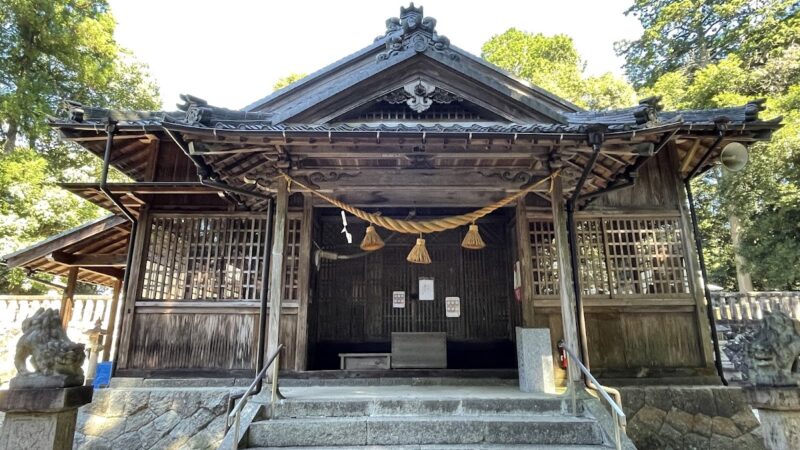
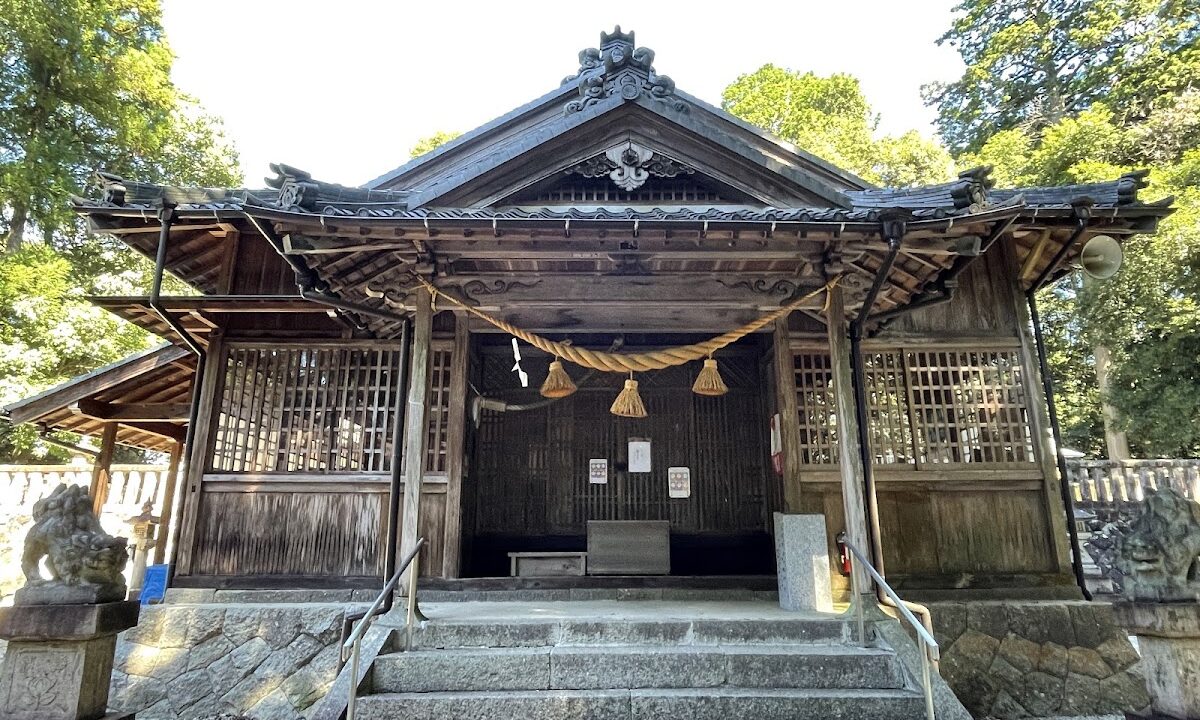
Main Hall (Sankensha Nagare-zukuri Style)
The main hall of Sakaba Shrine is built in the traditional shrine architectural style known as Sankensha Nagare-zukuri. A Sankensha is a shrine with a front measuring three bays (approximately 5.4 meters), and Nagare-zukuri is an elegant style with a roof that extends long forward. This architectural style preserves a tradition that has continued since the Edo period and is a valuable example among shrine architecture in Gifu Prefecture.
The meticulously crafted carvings and decorations speak to the high level of skill of the craftsmen of that time. In particular, the carvings on the main shrine feature mythical creatures such as dragons and lions, protecting the sacred space.
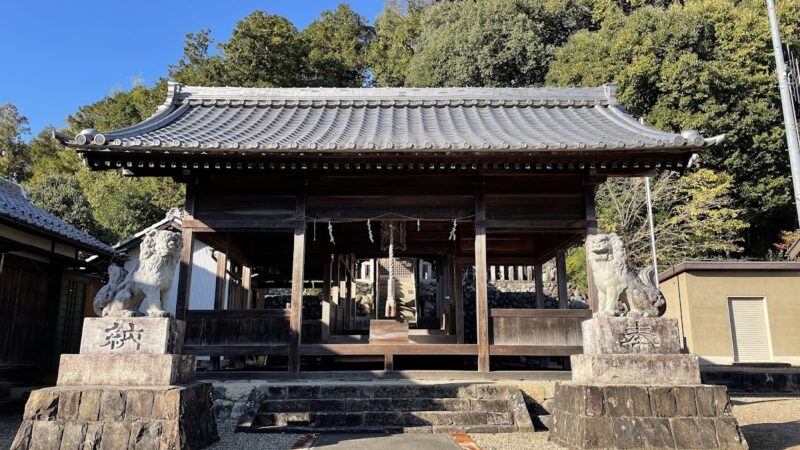
Worship Hall and Approach
In front of the main shrine is the worship hall, where worshippers offer their prayers. The space leading from the worship hall to the main shrine is enveloped in a sacred atmosphere, and quietly praying here gives one a sense of purification.
The approach is paved with stone, and ancient trees line both sides. These trees have grown over many years, giving a real sense of the long history of the shrine.
Subsidiary Shrines
In addition to the main shrine, several subsidiary shrines are enshrined within the grounds of Sakaba Shrine. These shrines represent a culmination of various local beliefs, and are believed to enshrine the following deities:
- Inari Shrine: God of business prosperity and abundant harvests
- Tenjin Shrine: God of learning, Sugawara no Michizane
- Yama Shrine: God of mountains, guardian deity of forestry and hunting
It is believed that visiting these subsidiary shrines as well will grant you even greater blessings.
Shrine Office and Amulets
At the shrine office, you can receive amulets and other items such as Goshuin (shrine seals). However, there may not always be a resident priest, so it is recommended to check in advance if you wish to receive a Goshuin.
Annual Events and Festivals
Sakaba Shrine holds various festivals throughout the year.
Grand Festival
The Grand Festival, held every autumn, is the most important festival at Sakaba Shrine. Local people participate in the festival, which includes a procession of portable shrines and devotional performances. This festival is an important event that confirms the unity of the local community and is a tradition that has been passed down for generations.
First Shrine Visit of the Year
Many worshippers visit the shrine for their first shrine visit of the year. As the local guardian deity, it is bustling with people praying for safety and well-being throughout the year.
Other Annual Events
- Spring Grand Festival: A festival praying for a bountiful spring harvest
- Summer Purification Ceremony: A Shinto ritual to purify oneself of the impurities accumulated over the past six months
- Shichi-Go-San: A visit to celebrate the growth of children
- Monthly Festival: A regular monthly festival
Access
Access by Train
Nearest Station: JR Chuo Main Line “Mizunami Station”
The distance from Mizunami Station to Sakaba Shrine is approximately 4 kilometers.
- Taxi: Approximately 10 minutes by taxi from Mizunami Station (estimated fare: around 1,500 yen)
- Community Bus: Get off at the “Hiyoshi Community Center” bus stop on the Mizunami City Community Bus Hiyoshi Line, then walk for approximately 2 minutes.
Since the community bus service is limited, we recommend checking the timetable in advance. The latest service information can be found on the Mizunami City official website.
Access by Car
Expressway Use:
- Approximately 10 minutes (approximately 6 kilometers) from the Chuo Expressway “Mizunami IC”
- Approximately 15 minutes from the Tokai-Kanjo Expressway “Toki-Minami-Tajimi IC”
Parking: There is parking available for visitors around the shrine. During events such as the annual festival, congestion is expected, so early arrival is recommended.
Car Navigation Settings:
- Address: 4088 Minamigaito, Hiyoshi-cho, Mizunami City, Gifu Prefecture
- Phone Number: Searchable using the Mizunami City Tourism Association’s number
Access by Foot or Bicycle
Walking from Mizunami Station takes approximately 50 minutes. On a sunny day, it’s recommended to enjoy a stroll through the streets of Mizunami City. Renting a bicycle will get you there in about 20 minutes.
Nearby Tourist Attractions
When visiting Sakaba Shrine, we recommend also visiting other tourist attractions in Mizunami City.
Mizunami City Fossil Museum
Mizunami City is known as a fossil producing area, and there is a fossil museum within the city. Fossils excavated from strata dating from approximately 20 million to 15 million years ago are on display, allowing you to see ancient marine life up close. It’s about a 15-minute drive from Sakaba Shrine.
Ryugin Falls
Ryugin Falls, a representative natural landscape of Mizunami City, is a beautiful waterfall with a drop of 16 meters. It is especially beautiful during the seasons of fresh greenery and autumn leaves, making it perfect for refreshing yourself while breathing in negative ions. It’s about a 20-minute drive from Sakanami Shrine.
Oniiwa Park
Oniiwa Park, designated a national scenic spot, is attractive for its unique landscape created by giant and strangely shaped rocks. Hiking trails are also maintained, allowing you to fully enjoy nature. It’s about a 25-minute drive from Sakanami Shrine.
Nakasendo Okuwa-juku
Okuwa-juku, which retains the atmosphere of an Edo-period post town, is a must-see for history buffs. The site of the main inn and the old townscape are preserved, offering an experience like stepping back in time. It’s about a 15-minute drive from Sakanami Shrine.
Mizunami City Ceramic Museum
Mizunami City, a production area of Mino ware, has a museum where you can learn about the history of ceramics. The museum displays ceramics from ancient times to the present day, offering a deep understanding of Mizunami’s culture.
Nearby Accommodations
Hotels in Mizunami City
Several business hotels and traditional Japanese inns are located near Mizunami Station. It’s a convenient location for sightseeing.
- Business Hotels: Several are located within walking distance of Mizunami Station, offering reasonably priced accommodations.
- Ryokan (Japanese Inns): Traditional Japanese inns where you can enjoy dishes made with local ingredients.
Accommodations in the Surrounding Area
- Tajimi City: Located next to Mizunami City, offering a wider range of accommodation options.
- Ena City: Numerous hot spring inns, including Enakyo Onsen, are available, allowing you to enjoy both sightseeing and hot springs.
- Toki City: Recommended for those who wish to combine their stay with a tour of Mino ware pottery kilns.
Manners and Precautions for Visiting Shrines
Basic Manners for Visiting Shrines
- When Passing Through the Torii Gate: Bow before entering the shrine grounds.
- How to Walk Along the Path: Walk along the sides, as the center is considered the path for the gods.
- How to Wash Your Hands: Cleanse your hands and mouth at the water basin.
- How to Perform the Ritual at the Main Hall: Two bows, two claps, and one bow is the basic ritual.
- Upon Exit: After leaving the torii gate, turn around and bow.
Photography
Photography is generally permitted within the shrine grounds, but please refrain from taking photos inside the main hall or during religious ceremonies. Also, please be considerate of other worshippers.
Attire
There are no specific dress code requirements, but it is desirable to dress appropriately for a sacred place. Avoid overly revealing clothing or overly casual attire such as sandals.
History and Culture of Mizunami City
Mizunami City, where Sakaba Shrine is located, is situated in the southeastern part of Gifu Prefecture and has a history as a thriving post town on the Nakasendo road. It is also famous as a fossil site, with many fossils excavated from strata approximately 18 million years old.
Mino Ware Tradition
Mizunami City is one of the production areas of Mino ware, and the ceramics industry is thriving. Pottery has been practiced around Sakaba Shrine since ancient times, supporting the local economy.
The Culture of the Nakasendo Road
During the Edo period, the Nakasendo Road was an important highway connecting Edo (Tokyo) and Kyoto. Within Mizunami City, there were two post towns, Ōkute-juku and Hosokute-juku, where many travelers passed through. It is believed that Sakanami Shrine also functioned as a place where travelers prayed for safe journeys.
Reasons to Visit Sakanami Shrine
Feeling the Weight of History
Sakanami Shrine, with its long history dating back to the Heian period, is a valuable cultural heritage site that has witnessed the passage of time. Simply standing on the grounds, you can feel the weight of over a thousand years of history.
A Quiet Worship Environment
Because it is not a tourist destination, you can worship in a quiet and peaceful atmosphere. It is a precious space where you can escape the hustle and bustle of the city and calmly face the gods.
Experiencing Local Culture
By visiting Sakanami Shrine, which is still carefully preserved as the local guardian shrine, you can deepen your understanding of the relationship between Japanese local communities and shrines, and the transmission of traditional culture.
Mizunami Sightseeing Hub
Starting from Sakaba Shrine, you can explore various tourist spots within Mizunami City. You can create a fulfilling travel plan that allows you to enjoy history, nature, and culture all at once.
Summary
Sakaba Shrine, located in Mizunami City, Gifu Prefecture, is a historical shrine founded in the Heian period. After the Toki clan enshrined Hachiman, it was revered as a Hachiman shrine until the Edo period. Currently, Sakaba Okami is the main deity and is carefully preserved as the local guardian deity.
The buildings on the shrine grounds, including the main hall built in the Sanma-sha Nagare-zukuri style, are valuable cultural assets that convey the tradition of shrine architecture in Gifu Prefecture. Its convenient access—approximately 10 minutes by taxi from Mizunami Station and approximately 10 minutes from the Mizunami Interchange on the Chuo Expressway—is also a major attraction.
The surrounding area boasts numerous attractions, including a fossil museum, Ryugin Falls, and a post town along the Nakasendo road. Why not plan a trip centered around a visit to Sakaba Shrine, allowing you to fully enjoy the history and nature of Mizunami City? In a quiet and solemn atmosphere, you can cleanse your soul and gain renewed energy at this shrine with over a thousand years of history. When you visit Gifu Prefecture, be sure to stop by Sakanami Shrine.