Complete Guide to Choeiji Temple (Ena City, Gifu Prefecture) | History, Goshuin (Temple Seal), and Access Information
Located in Nakano, Nagashima-cho, Ena City, Gifu Prefecture, Choeiji Temple is a Soto Zen Buddhist temple with the Holy Kannon Bodhisattva as its principal image. Its mountain name is Hoshozan, and it is the second temple on the Ena Thirty-Three Kannon Pilgrimage, attracting many pilgrims from the region. This article provides detailed information on Choeiji Temple’s history, cultural assets, and visiting information.
Basic Information on Choeiji Temple
Choeiji Temple is a Soto Zen Buddhist temple located at 568 Nakano, Nagashima-cho, Ena City, Gifu Prefecture. Its official mountain name and temple name are “Hoshozan Choeiji.” It enshrines the Holy Kannon Bodhisattva as its principal image and is a historical temple visited by many pilgrims as the second temple on the Ena Thirty-Three Kannon Pilgrimage.
Temple Overview
- Sect: Soto Zen
- Mountain Name: Hoshozan
- Principal Image: Holy Kannon Bodhisattva
- Pilgrimage Site: Ena Thirty-Three Kannon Pilgrimage Site No. 2
- Location: 568 Nakano, Nagashima-cho, Ena City, Gifu Prefecture
- Chief Priest: Hirayama Tetsuyo
The Soto Zen sect is a branch of Zen Buddhism and one of the major sects of Japanese Buddhism, founded by Zen Master Dogen. Choei-ji Temple has inherited this tradition and has played a role as a Zen practice center in the region.
History and Origins of Choei-ji Temple
Founding History
The origins of Choei-ji Temple date back to Keicho 5 (1600). This year was a historical turning point with the Battle of Sekigahara, a time of social reorganization throughout Japan.
Choei-ji Temple is said to have originated when Shoho Sozen, the head priest of Daichizan Gukei-ji Temple in Nakamura, Kani-gun (present-day Kani City, Gifu Prefecture), built a small hermitage called Hofuku-an in Osaki. Shoho Sozen was a renowned high-ranking priest of the Soto Zen sect and dedicated himself to the spread of Buddhism in this region.
Development of the Temple
The temple, which began as Hofuku-an, was later developed into Choei-ji Temple and grew into a center of religious faith in the region. Throughout the Edo period, it played a vital role in the network of Soto Zen temples in the Ena region, becoming deeply connected to the local community under the danka system (parishioner system).
Its designation as the second temple on the Ena Thirty-Three Kannon Pilgrimage route further solidified its importance as a center of Kannon worship. Kannon pilgrimage became a familiar religious practice for ordinary people, and many pilgrims began visiting Choei-ji Temple.
Developments Since the Modern Era
Despite the impact of the Meiji Restoration’s separation of Shinto and Buddhism and the anti-Buddhist movement, Choei-ji Temple continued to preserve its Buddhist teachings with the support of the local community. Through the Showa, Heisei, and Reiwa eras, it has continued to play a vital role as a spiritual pillar and cultural inheritor in Nagashima-cho, Ena City.
About the Ena Thirty-Three Kannon Pilgrimage
Significance of the Pilgrimage
The Ena Thirty-Three Kannon Pilgrimage is a pilgrimage route visiting thirty-three Kannon temples scattered around Ena City, Gifu Prefecture. Based on the belief that Kannon Bodhisattva transforms into thirty-three forms to save sentient beings, it is believed that one can gain merit by visiting all thirty-three locations.
Choei-ji Temple, as the second temple on the pilgrimage route, is positioned at the beginning of this pilgrimage and is an important place of worship for pilgrims.
Characteristics of Kannon Worship
Kannon Bodhisattva, also known as “Kannon Bodhisattva,” is worshipped as a compassionate bodhisattva who hears the cries of suffering sentient beings and relieves them of their suffering. The principal image of Choei-ji Temple, the Holy Kannon Bodhisattva, is the basic and most familiar form of Kannon Bodhisattva.
Kannon worship is particularly widespread among ordinary people in Japanese Buddhism, and people visit the temple with various wishes, such as recovery from illness, safe childbirth, and family safety.
Highlights of Choei-ji Temple
Main Hall and Temple Grounds
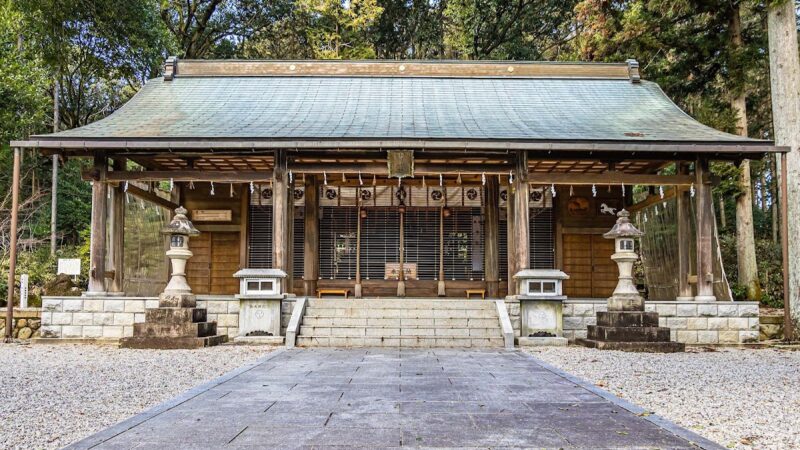
The main hall of Choei-ji Temple features the traditional architectural style of a Soto Zen temple. The principal image, the Holy Kannon Bodhisattva, is enshrined inside, allowing visitors to worship in a solemn atmosphere.
The temple grounds offer a tranquil space where one can feel the changing seasons. The cherry blossoms of spring, the fresh greenery of summer, the autumn leaves, and the snowy landscapes of winter each present different expressions.
Cultural Properties and Temple Treasures
Chōei-ji Temple houses cultural properties and temple treasures that have been passed down through its long history. While we recommend contacting the temple directly for details, historically valuable items such as Buddhist implements and ancient documents from the Edo period are carefully preserved.
About Goshuin (Temple Seals)
As a pilgrimage site of the Ena Thirty-Three Kannon Pilgrimage, Chōei-ji Temple offers Goshuin (temple seals). Goshuin are popular among many visitors as proof of their visit and as a record of their pilgrimage.
When obtaining a Goshuin, we recommend checking the temple’s reception hours in advance and bringing your Goshuincho (stamp book). Furthermore, Goshuin are not merely commemorative stamps, but important symbols of connection with Buddha, so it is important to receive them with respect.
Visiting Information and Access
Visiting Hours and Admission Fee
Chōei-ji Temple is generally open for daytime visits, but there may be times when visits are not possible due to religious services or events. If you wish to receive a Goshuin (temple stamp) or request special prayers, we recommend contacting the temple in advance.
Admission is usually free, but it is customary to offer a donation as a token of appreciation.
Access Information
Location: 568 Nakano, Nagashima-cho, Ena City, Gifu Prefecture
Access by Car
- Approximately 15 minutes from the Ena Interchange on the Chuo Expressway
- Accessible from National Route 19
- We recommend checking parking availability in advance.
Access by Public Transportation
- Take a taxi or local bus from Ena Station on the JR Chuo Main Line
- Also accessible from the nearest station on the Akechi Railway
- Since bus service is limited, we recommend checking the timetable in advance.
Nearby Tourist Attractions
Ena City has many other attractions besides Choeiji Temple.
- Ena Gorge: A scenic spot where a dam lake and unique rock formations intertwine, offering enjoyable cruises on sightseeing boats.
- Iwamura Castle Ruins: The ruins of a historical castle considered one of Japan’s three greatest mountain castles.
- Akechi Railway: A railway where you can enjoy a local train journey.
- Iwamura Town’s Old Townscape: A historical townscape designated as an Important Preservation District for Groups of Traditional Buildings.
By visiting these tourist spots in conjunction with a visit to Choeiji Temple, you can more deeply appreciate the charm of Ena City.
About the Soto Zen School
Teachings of the Soto Zen School
The Soto Zen School, to which Choeiji Temple belongs, is a branch of Zen Buddhism introduced to Japan by Zen Master Dogen during the Kamakura period. Its basic practice is “Shikantaza,” that is, simply sitting in meditation.
The Soto Zen School values the concept of “Shusho Itto,” which holds that sitting meditation itself is enlightenment. This teaching emphasizes that training and enlightenment are not separate things, but rather that the practice of zazen (seated meditation) itself is a manifestation of enlightenment.
Zen in Daily Life
The teachings of the Soto Zen school find the spirit of Zen not only in zazen but in all aspects of daily life. Eating, cleaning, working—all actions are considered training if performed carefully and with sincerity.
This teaching is expressed in the concept of “gyōjūzaga,” meaning that walking, standing, sitting, and sleeping are all forms of training.
History and Culture of Ena City
Overview of Ena City
Ena City is located in the southeastern part of Gifu Prefecture and was formed in 2004 (Heisei 16) through the merger of the former Ena City and five towns and villages in Ena District (Iwamura Town, Yamaoka Town, Akechi Town, Kushihara Village, and Kamiyahagi Town).
Ena City has a rich history as a post town on the Nakasendo road, and even today, many historical streetscapes and cultural assets remain. It is also known for the beauty of its natural scenery, including the Ena Gorge.
Local Temple Culture
Ena City is home to many temples, including Choei-ji Temple. These temples are not merely religious institutions; they have played a vital role in conveying the history and culture of the region.
Under the Edo period’s danka system (parishioner system), temples were central to local communities and also played a role in education and welfare. Even today, temples continue to play an important role as centers for traditional local events and cultural activities.
Related Temples
Relationship with Gukei-ji Temple
Gukei-ji Temple, where Shoho Sozen, the founder of Choei-ji Temple, served as chief priest, is a renowned Soto Zen temple located in Kani City, Gifu Prefecture. Its mountain name is Daichizan, and it is known as one of the important Soto Zen temples in Mino Province.
The relationship between Gukei-ji Temple and Choei-ji Temple demonstrates the lineage within the Soto Zen sect and speaks to the historical connection between the two temples.
Soto Zen Temples in the Ena Region
Besides Choei-ji Temple, many other Soto Zen temples exist in and around Ena City. These temples maintain relationships with one another and strive to preserve Buddhist culture in the region.
They also have deep connections with other temples on the Ena Thirty-Three Kannon Pilgrimage, forming a regional temple network through the pilgrimage route.
Manners and Etiquette for Visiting Temples
Basic Manners for Visiting Temples
When visiting temples, it is important to observe the following basic manners.
- A Bow at the Temple Gate: Before passing through the temple gate, which is the entrance to the temple, bow before entering the grounds.
- Respectful Attitude: Remain quiet and avoid speaking loudly or running around within the temple grounds.
- Worship at the Main Hall: Join your hands in prayer before the main hall and offer your prayers with sincerity.
- Consideration for Photography: Even in areas where photography is permitted, be considerate of other worshippers.
- Offering a Coin: Offer your coin quietly and with sincerity.
Guidelines for Kannon Pilgrimage
When undertaking a pilgrimage to the 33 Kannon temples of Ena, please note the following points.
- White Robe and Straw Hat: While wearing formal pilgrimage attire is desirable, it is not mandatory.
- Pilgrimage Notebook: Prepare a notebook for receiving temple stamps.
- Order of Pilgrimage: While it is not necessary to visit temples in numerical order, a planned visit is recommended.
- Gratitude: Remember that pilgrimage is not sightseeing, but an act of faith.
Annual Events and Memorial Services
Main Annual Events
At Choei-ji Temple, various events and memorial services are held throughout the year in accordance with the traditions of the Soto Zen sect.
- Shushō-e: A memorial service held to welcome the New Year.
- Spring and Autumn Equinoxes: Important periods for ancestor worship.
- Obon: A traditional event to welcome the spirits of ancestors.
- Kaisan-ki: A memorial service to commemorate the temple’s founder, Shōhō Sōzen.
For specific dates and details, please contact the temple directly.
Relationship between Temple Parishioners and the Community
Chōei-ji Temple, as a temple serving the local community, plays a vital role in conducting funerals and memorial services for local residents. For its parishioners, it holds a deep connection as their ancestral temple.
Furthermore, it actively participates in local events and cultural activities, serving as a spiritual pillar for the community.
Significance of Visiting Chōei-ji Temple
Touching History
Visiting Chōei-ji Temple, with its history spanning over 400 years since its founding in 1600 (Keichō 5), offers a valuable opportunity to connect with the history of this region. Founded during the transition from the Sengoku period to the Edo period, Chōei-ji Temple has witnessed the changing times and holds many stories.
Finding Peace of Mind
Removing the hustle and bustle of modern society and spending time in the quiet grounds of a temple is ideal for mental refreshment. At Chōei-ji Temple, a Sōtō Zen temple, one can find inner peace in a space imbued with the spirit of Zen.
The Practice of Kannon Worship
As a pilgrimage site of the Ena Thirty-Three Kannon Pilgrimage, Choeiji Temple is also a place for the practice of Kannon worship. Visiting the temple holds great significance as an opportunity to experience the compassion of Kannon Bodhisattva and reflect on oneself.
Summary
Choeiji Temple is a Soto Zen Buddhist temple located in Nakano, Nagashima-cho, Ena City, Gifu Prefecture, boasting a rich history and tradition. Since its founding in 1600 (Keicho 5), it has been a center of local faith and the second pilgrimage site of the Ena Thirty-Three Kannon Pilgrimage, cherished by many.
With the Holy Kannon Bodhisattva as its principal deity, this temple, founded by Shoho Sozen, possesses a unique charm, blending Zen teachings with Kannon worship. When visiting Ena City, be sure to visit Choeiji Temple and experience its history and spirituality.
The tranquil grounds of the temple offer a peaceful retreat where you can reflect on the compassion of Kannon Bodhisattva, a precious experience rarely found in everyday life. Visiting the temple in conjunction with other nearby attractions will allow you to gain a deeper understanding of Ena City’s rich history and culture.
When visiting, it is important to observe proper temple etiquette and show respect. We sincerely hope that Choeiji Temple will continue to fulfill its role as a spiritual pillar of the community and a custodian of Japanese Buddhist culture.