Complete Guide to Sokyu-ji Temple (Ena City, Gifu Prefecture) | History, Mizukake Jizo, Cultural Properties, and Access Information
Located in Higashino, Ena City, Gifu Prefecture, Sokyu-ji Temple is a Soto Zen Buddhist temple founded in the early Edo period. With Kannon Bodhisattva as its principal deity, it is the seventh temple on the Ena Thirty-Three Kannon Pilgrimage and the twenty-sixth temple on the Chubu Forty-Nine Yakushi Pilgrimage, attracting many worshippers. This article provides a detailed overview of Sokyu-ji Temple, including its history, highlights, cultural properties, and access information.
Basic Information about Sokyu-ji Temple
Location and Access
Location: 1282 Higashino, Ena City, Gifu Prefecture
Postal Code: 〒509-7202
Phone Number: 0573-25-2052
Sect: Soto Zen
Mountain Name: Banshozan
Principal Image: Kannon Bodhisattva
Transportation Access
The nearest station to Sokyu-ji Temple is Higashino Station on the Akechi Railway Akechi Line. It is within walking distance from the station and about a 15-minute drive from the center of Ena City. Ena City is located in the southeastern part of Gifu Prefecture and is a historical area that flourished as a post town on the Nakasendo road.
Access by Train:
- Get off at Higashino Station on the Akechi Railway Akechi Line, approximately 10 minutes on foot.
- Transfer to the Akechi Railway from Ena Station on the JR Chuo Main Line.
Access by Car:
- Approximately 20 minutes from Ena IC on the Chuo Expressway.
- Accessible via National Route 363.
History of Sokyu-ji Temple
Founding History
Sokyu-ji Temple was founded in 1616 (Genna 2). It began when Suzuki Shume Nyudo Sokyu, a retainer of Matsudaira Norinaga, the lord of the Iwamura Domain at the time, and serving as a local magistrate, built the temple in response to the strong demands of the people of the domain.
At its founding, Sokyu-ji Temple was built on “shinchi,” land exempt from land tax, and Yozan Doneki, the second abbot of Oi Chokoku-ji Temple, was invited to be its founding priest. Thus, Sokyu-ji Temple was established as a center of faith for the local people.
From the Edo Period to the Present
Throughout the Edo period, Sokyu-ji Temple functioned as an important temple within the Iwamura Domain. The Iwamura Domain was centered in Ena District, Mino Province, and its residence was Iwamura Castle. Sokyu-ji Temple received the protection of the domain and attracted the faith of the local residents.
Even after the Meiji Restoration and the abolition of the feudal domains, Sokyu-ji Temple continued to exist as a local temple, and to this day, it continues to uphold the teachings of the Soto Zen sect. As an ancient temple with a history of over 400 years since its founding, it is one of Ena City’s cultural heritage sites.
Origin of the Temple Name
The temple name “Sokyu-ji” originates from the name of its founder, Suzuki Shuma Nyudo Sokyu. The temple was named in honor of Sokyu’s achievements in serving the welfare of his people as a local magistrate, thus preserving the history and spirit of its founding to this day.
Highlights of Sokyu-ji
Principal Image: Kannon Bodhisattva
The principal image of Sokyu-ji is Kannon Bodhisattva. Kannon Bodhisattva is widely worshipped as a symbol of compassion, known as a Buddha who relieves people’s suffering and grants their wishes. The Kannon Bodhisattva at Sokyu-ji is the seventh stop on the Ena Thirty-Three Kannon Pilgrimage, attracting many pilgrims.
Enmei Jizo Bodhisattva (Water-Pouring Jizo)
Within the grounds of Sokyu-ji, the Enmei Jizo Bodhisattva, affectionately known as “Water-Pouring Jizo,” is enshrined. This Jizo Bodhisattva is believed to grant blessings such as longevity, good health, and family safety when water is poured over it while making a wish.
Characteristics of the Water-Pouring Jizo:
- A folk belief where wishes are granted by pouring water over it.
- Attracts the faith of parents praying for the healthy growth of their children.
- A familiar object of worship cherished by local residents.
While water-pouring Jizo are a form of worship found in temples throughout Japan, the water-pouring Jizo at Sokyu-ji Temple is particularly beloved by the local people, and there is a constant stream of visitors who come to pray daily.
Atmosphere of the Temple Grounds
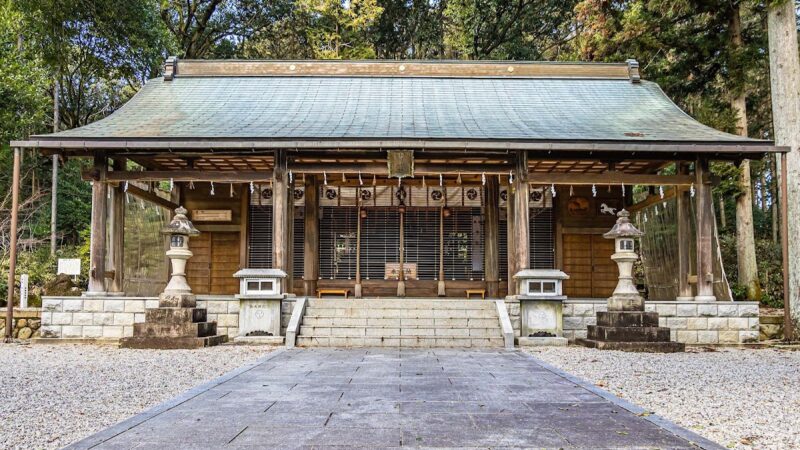
As the temple’s mountain name, Manshozan, suggests, the grounds of Sokyu-ji Temple are lush with trees, including pine trees, and are enveloped in a tranquil atmosphere. A Zen-like space, typical of a Soto Zen temple, spreads out, providing peace of mind to visitors.
The main hall is built in the traditional Japanese architectural style, and its heavy wooden construction conveys a sense of history. The temple grounds are neatly maintained, allowing visitors to enjoy the changing seasons.
Ena Thirty-Three Kannon Pilgrimage and Chubu Forty-Nine Yakushi Pilgrimage
Ena Thirty-Three Kannon Pilgrimage, Temple No. 7
Sokyu-ji Temple is designated as the seventh temple of the Ena Thirty-Three Kannon Pilgrimage. The Ena Thirty-Three Kannon Pilgrimage is a pilgrimage route visiting temples dedicated to Kannon Bodhisattva scattered throughout the Ena region, a path of faith that has continued since the Edo period.
Significance of the Pilgrimage:
- The number thirty-three originates from the thirty-three manifestations of Kannon Bodhisattva
- Purification of mind and body and accumulation of merit through pilgrimage
- A network of faith connecting local temples
Pilgrims visiting the Ena Thirty-Three Kannon Pilgrimage can receive a Goshuin (temple stamp) at each temple, including Sokyu-ji Temple (prior confirmation is recommended).
Chubu Forty-Nine Yakushi Pilgrimage Sites, Temple No. 26
Sokyu-ji Temple is also the 26th temple on the Chubu Forty-Nine Yakushi Pilgrimage Sites. The Chubu Forty-Nine Yakushi Pilgrimage Sites is a wide-area pilgrimage route spanning Aichi, Gifu, Mie, and Shizuoka prefectures, visiting temples dedicated to Yakushi Nyorai (Medicine Buddha).
Characteristics of the Yakushi Pilgrimage Sites:
- Yakushi Nyorai is the Buddha of healing illnesses and longevity.
- A large-scale pilgrimage site spanning a wide area of the Chubu region.
- Visited by many worshippers praying for good health.
By being a pilgrimage site for two different sites, Sokyu-ji Temple functions as a center for both Kannon (Goddess of Mercy) and Yakushi (Medicine Buddha) worship, meeting diverse religious needs.
Ena City Designated Cultural Property
Overview of Designated Cultural Property
Sokyu-ji Temple possesses valuable cultural properties protected as designated cultural properties of Ena City. These cultural properties demonstrate the historical value of the temple and hold significant meaning as regional cultural heritage.
Significance of Cultural Property Protection:
- Documents that tell the history from the Edo period
- Preservation of local faith and culture
- Valuable heritage to be passed down to future generations
For specific details on designated cultural properties, please contact the Ena City Board of Education or Sokyu-ji Temple directly. Temple buildings, Buddhist statues, and ancient documents may be designated as cultural properties.
Preservation and Public Access to Cultural Properties
Sokyu-ji Temple strives for the appropriate preservation and management of designated cultural properties. Public access may be limited depending on the condition of the cultural properties and the temple’s circumstances, so it is recommended that those wishing to visit contact the temple in advance.
Annual Events and Temple Festivals
Main Annual Events
As a Soto Zen temple, Sokyu-ji Temple holds various Buddhist events throughout the year.
Main Annual Events:
- Shushōe: A memorial service to welcome the New Year (January)
- Spring Equinox Service: A memorial service for ancestors (March)
- Segakie: A memorial service to offer prayers for beings in the realm of hungry ghosts (Summer)
- Autumn Equinox Service: A memorial service for ancestors (September)
- Kaisan-ki: A memorial service to commemorate the temple’s founder, Hayama Nen’yoku
Temple Festivals and Annual Festivals
The temple festival day for Kannon Bodhisattva is the 18th of every month, and it is believed that visiting on this day brings special blessings. The temple festival day for Yakushi Nyorai is the 8th of every month. Sokyu-ji Temple sometimes holds memorial services to coincide with these festival days.
Regular Festival Period:
- Special memorial services are held during the spring and autumn equinox periods.
- An important opportunity for local parishioners and believers to gather.
- Dharma talks and Zen meditation sessions may also be held.
For specific event dates and details, please contact the temple directly.
About the Soto Zen School
Teachings of the Soto Zen School
The Soto Zen School, to which Sokyu-ji Temple belongs, is a branch of Japanese Zen Buddhism, founded by Zen Master Dogen. Its characteristic practice is “Shikantaza,” that is, simply sitting in meditation.
Characteristics of the Soto Zen School:
- Considers seated meditation (zazen) as the most important practice
- Believes in the philosophy of “walking, standing, sitting, and lying down,” where all aspects of daily life are considered practice
- Its head temples are Eihei-ji in Fukui Prefecture and Soji-ji in Yokohama City
- It is the largest Zen sect in Japan, with approximately 14,000 temples nationwide
Soto Zen Practice at Sokyu-ji Temple
At Sokyu-ji Temple, Buddhist services and practices based on the teachings of the Soto Zen school are conducted. Zazen sessions and Dharma talks are also held for parishioners and local residents, providing opportunities to experience the teachings of Zen.
In modern society, the teachings of Zen are being re-evaluated as a source of inner peace and mindfulness, and local Soto Zen temples like Sokyu-ji are playing a role as spiritual havens in their communities.
History and Culture of Ena City and Surrounding Areas
Overview of Ena City
Ena City is located in the southeastern part of Gifu Prefecture and is a historical area close to the Oi-juku and Nakatsugawa-juku post towns on the Nakasendo road. Ena City is known for its rich natural beauty and historical heritage, including Enakyo Gorge and the ruins of Iwamura Castle.
Characteristics of Ena City:
- A regional city with a population of approximately 50,000
- A history as a post town on the Nakasendo road
- A culture of traditional Japanese sweets, such as kurikinton (sweet chestnut paste)
- Natural landscapes such as Enakyo Gorge and Mt. Kasagi
Relationship with the Iwamura Domain
In the early Edo period, when Sokyu-ji Temple was founded, this area was part of the Iwamura Domain. The Iwamura Domain was ruled by the Matsudaira clan, and Iwamura Castle is a famous castle counted as one of Japan’s three greatest mountain castles.
Shuma Nyudo Sokyu, the founder of Sokyu-ji Temple, served as a magistrate of the Iwamura Domain and dedicated himself to the welfare of the people. His achievements were recognized, and the temple was built as a result. This relationship between the domain and the temple is an important historical example illustrating the nature of regional society during the Edo period.
Nearby Tourist Spots
When visiting Sokyu-ji Temple, we recommend also visiting the tourist spots around Ena City.
Recommended Spots:
- Iwamura Castle Ruins: One of Japan’s three great mountain castles, a mountain castle ruin with beautiful stone walls
- Iwamura Castle Town: An important traditional building preservation district where the townscape of the Edo period remains
- Ena Gorge: A scenic spot where you can enjoy the beauty of the Kiso River gorge
- Nakasendo Oi-juku: A historical highway that retains the atmosphere of a post town
- Akechi Railway: A local line that runs through a peaceful rural landscape
Manners and Precautions for Visiting Temples
Basic Manners for Visiting Temples
When visiting Sokyu-ji Temple, please observe the following basic manners.
Temple Visiting Etiquette:
- Bow at the Temple Gate: Bow before entering the temple grounds.
- Be Quiet: Be quiet on the temple grounds and refrain from speaking loudly.
- Photography: Be mindful of areas where photography is prohibited, such as inside the main hall.
- Offering: Offer with gratitude.
- Pray and Bow: Pray and bow before the Buddha.
About Goshuin (Temple Seals)
While it may be possible to receive a Goshuin at Sokyu-ji Temple, this may not be possible when the head priest is absent or during religious services. Those wishing to receive a Goshuin are advised to confirm by phone in advance.
Points to Note Regarding Goshuin:
- Bring your Goshuincho (stamp book).
- Receive after visiting (it’s not a stamp rally).
- Prepare a donation (usually around 300 yen).
- Request politely.
Parking and Visiting Hours
For information regarding parking and visiting hours at Sokyu-ji Temple, it is recommended to contact the temple in advance. Generally, visiting temples is best done during daylight hours.
Notes on Visiting:
- Avoid visiting early in the morning or at night.
- Observe quietly during religious services or wait until they are finished.
- Refrain from eating or drinking on the temple grounds.
- Always take your trash with you.
Modern Significance of Sokyu-ji Temple
Center of the Local Community
Even now, more than 400 years after its founding, Sokyu-ji Temple functions as the center of local faith and culture. It maintains ties with local residents through the danka (parishioner) system and plays a role in strengthening community bonds through weddings, funerals, and annual events.
Value as a Cultural Heritage Site
Sokyu-ji Temple also possesses cultural heritage value, preserving Edo-period temple architecture, Buddhist art, and historical materials. As a designated cultural property of Ena City, it plays an important role in passing on the history of the region to future generations.
Place of Peace of Mind
In modern society, temples serve as a refuge for people seeking peace of mind. The tranquil grounds of Sokyu-ji Temple and the devotion to the Mizukake Jizo (water-pouring Jizo) offer an opportunity to escape the hustle and bustle of daily life and find peace of mind.
Summary
Located in Higashino, Ena City, Gifu Prefecture, Sokyu-ji Temple is an ancient Soto Zen temple founded in 1616. With Kannon Bodhisattva as its principal deity, it is the seventh temple on the Ena Thirty-Three Kannon Pilgrimage and the twenty-sixth temple on the Chubu Forty-Nine Yakushi Pilgrimage, attracting many worshippers and pilgrims.
Within the temple grounds is the Enmei Jizo Bodhisattva (Mizukake Jizo), beloved by local residents. Furthermore, it possesses a cultural property designated by Ena City, playing an important role in conveying the history and culture of the region.
Founded by Suzuki Shuma Nyudo Sokyu, the magistrate of the Iwamura Domain, Sokyu-ji Temple has a history of over 400 years as a center of faith for the people of the domain. Even today, it continues to play its role as a center of the local community and a place of solace for those seeking peace of mind.
When you visit Ena City, be sure to stop by Sokyu-ji Temple and experience history and faith in its tranquil grounds. Combine it with sightseeing in the surrounding area, such as the Iwamura Castle ruins and Enakyo Gorge, for a truly fulfilling trip to Ena.