Kakunenji Temple (Ogaki City, Gifu Prefecture) | A Comprehensive Guide to History, Access, and Visiting Information
Kakunenji Temple, located in Kyutoku-cho, Ogaki City, Gifu Prefecture, is a Jodo Shinshu Buddhist temple that attracts the faith of the local community. This article provides detailed information useful for visitors, from basic information about Kakunenji Temple to its historical background, access methods, and points to note when visiting.
Basic Information about Kakunenji Temple
Temple Overview
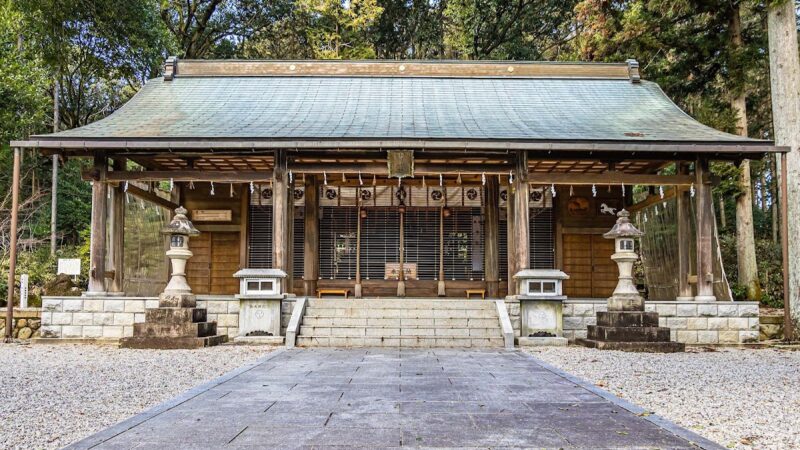
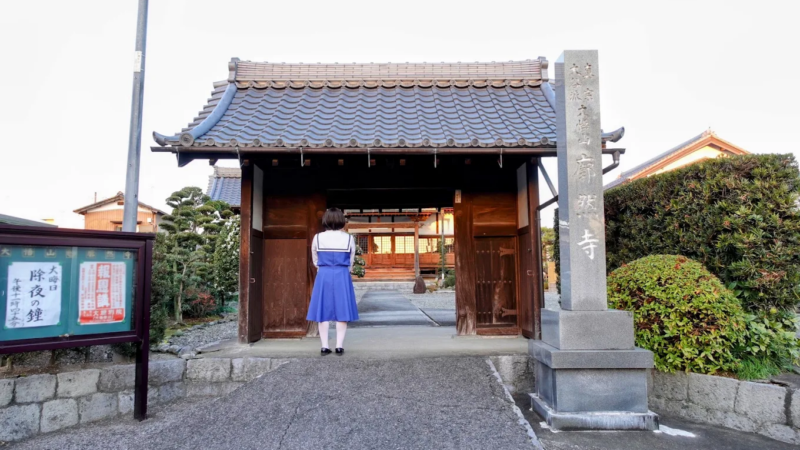
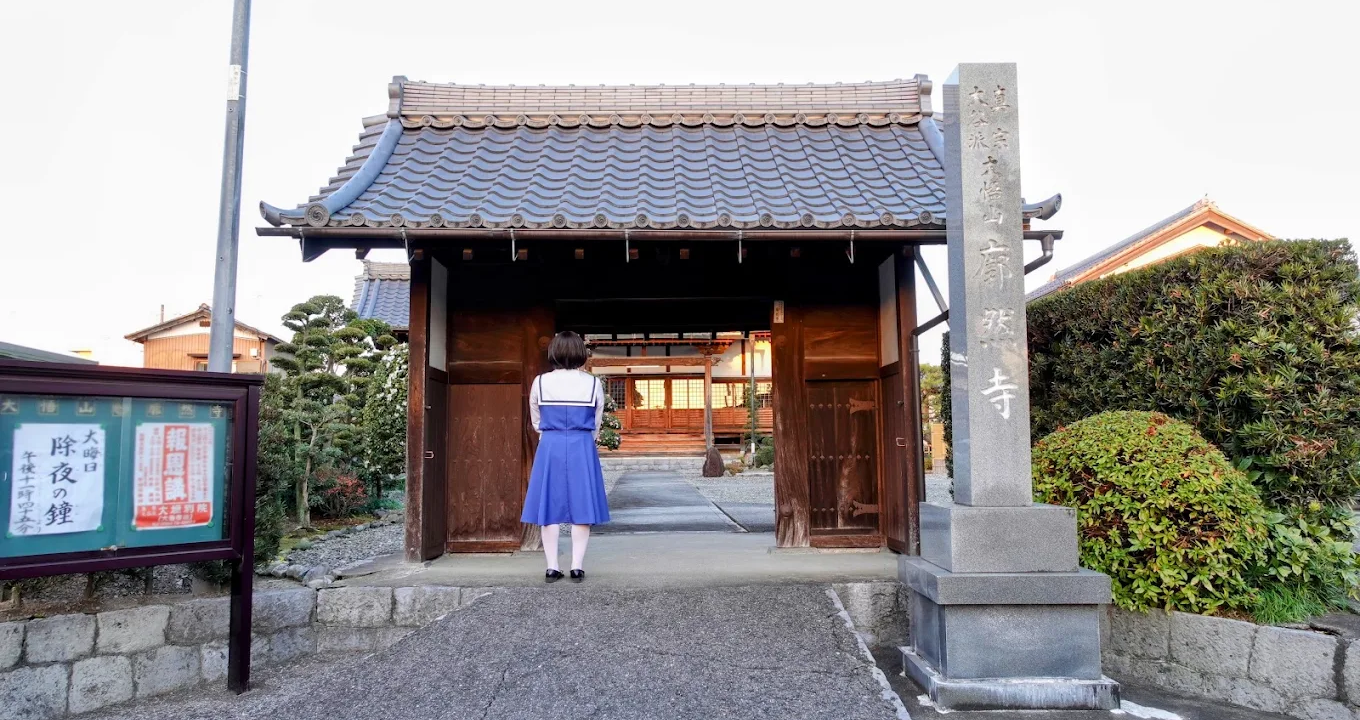
Kakunenji Temple is a Buddhist temple located in Kyutoku-cho, Ogaki City, Gifu Prefecture, and has long been cherished as a place of faith for local residents. Situated in a quiet residential area, it offers a peaceful environment for worship.
Official Name: Kakunenji Temple
Location and Contact Information
Address: 776-1, Kyutoku-cho, Ogaki City, Gifu Prefecture 503-0982
Phone Number: 0584-91-4999
For inquiries about the temple or questions regarding visits, you can contact them directly using the phone number above. However, it is considered polite to refrain from calling early in the morning or late at night.
Sect and Principal Image
Sect: Jodo Shinshu
Chief Priest: Reverend Akinori Nakamura
Jodo Shinshu is a branch of Japanese Buddhism founded by Shinran Shonin, and teaches that salvation is attained through the power of Amida Buddha’s vow by chanting “Namu Amida Butsu.” Kakunenji Temple also conducts its services and activities based on the doctrines of Jodo Shinshu.
Regarding the principal image of worship, while many Jodo Shinshu temples enshrine Amida Buddha, we recommend contacting the temple directly for detailed information.
History and Origins of Kakuzenji Temple
Origins of the Temple
While there is limited publicly available information regarding the founding date and detailed history of Kakuzenji Temple, it has developed as a temple closely intertwined with the history of the Kyutoku-cho area of Ogaki City.
Ogaki City has long flourished as a transportation hub, and many temples have been built there. Kakuzenji Temple has also contributed to the local community as a temple that plays a part in Ogaki’s religious culture.
Jodo Shinshu and the Ogaki Region
Gifu Prefecture, particularly the Ogaki region, is known as a region where Jodo Shinshu Buddhism is prevalent. From the Sengoku period to the Edo period, many Jodo Shinshu temples were built in this region, and it became deeply rooted among the people.
Kakuzenji Temple is believed to have functioned as a spiritual center for the people of Kyutoku-cho and the surrounding areas within the context of the spread of Jodo Shinshu Buddhism. Even today, it cherishes its ties with parishioners and local residents through local memorial services and annual events.
Connections with the Community
Kakuzenji Temple has played a central role in the local community, not merely as a religious facility. It is used not only for funerals and memorial services, but also as a venue for various local events and gatherings.
Jodo Shinshu temples, in particular, have a strong character of being “open temples,” providing opportunities for people other than parishioners to easily experience Buddhist teachings. Kakuzenji Temple continues its community-based activities while cherishing this spirit of Jodo Shinshu Buddhism.
Access Information
This section provides detailed information on how to access Kakuzenji Temple by public transport and by car.
Nearest Station & Rail Access
Nearest Station: Yoro Railway Yoro Line “Nishi-Ogaki Station”
- From Nishi-Ogaki Station: Approximately 15-16 minutes on foot (approx. 1.2-1.3 km)
- From Arao Station: Approximately 18 minutes on foot (approx. 1.5 km)
- From Muro Station: Approximately 21 minutes on foot (approx. 1.7 km)
The Yoro Railway Yoro Line runs from Ogaki Station towards Ibi and is an important means of transportation for local residents. Nishi-Ogaki Station is the closest station, but you will need to walk from the station to the temple.
Walking Route from Nishi-Ogaki Station
The route from Nishi-Ogaki Station to Kakuzenji Temple is a relatively flat path through a residential area. Exit the station and head southwest towards Kyutoku-cho. Using local signs and map apps along the way will help you arrive without getting lost.
On a fine day, it’s a distance where you can enjoy the scenery of Ogaki while strolling leisurely. However, please take appropriate precautions when going out in the scorching summer sun or on rainy days.
Nearest Bus Stops and Bus Routes
For bus routes around Kakuzenji Temple, you may be able to use Meihan Kintetsu Bus or Ogaki City Community Bus, which operate within Ogaki City. However, we recommend checking the Ogaki City public transportation information before your visit to confirm specific bus stop names and service frequencies.
There may be multiple bus routes passing through the area around Kyutoku-cho, but service frequencies and timetables may change, so please check the latest information on the Ogaki City Hall or transportation company websites.
Access by Car
Access from Major Roads:
- Approximately 10-15 minutes from the Ogaki-Nishi Interchange on the Tokai-Kanjo Expressway
- Approximately 15-20 minutes from the Ogaki Interchange on the Meishin Expressway
The roads within Ogaki City are relatively well-maintained, and you can arrive smoothly by entering the address (776-1 Kyutoku-cho, Ogaki City, Gifu Prefecture) into your car navigation system.
Parking: We recommend calling ahead to confirm the availability and number of parking spaces at the temple. It may be crowded during memorial services and events, so plan your visit with ample time.
Surrounding Geography and Environment
Kyutoku-cho, Ogaki City, where Kakuzenji Temple is located, is a quiet residential area slightly away from the city center. Rural landscapes remain in the surrounding area, allowing for a peaceful environment for worship.
Ogaki City is known as the “City of Water” and is blessed with abundant groundwater. Many temples and shrines are scattered throughout the city, and Kakuzenji Temple is one of them, supporting the local religious culture.
Points to Note and Manners When Visiting
Basic Manners for Visiting Temples
When visiting a temple, please observe the following basic manners:
- Attire: Modest, understated clothing is preferable. Especially when attending a memorial service, formal or semi-formal attire is recommended.
- Greetings: Bow when passing through the temple gate and behave quietly within the temple grounds.
- Photography: It is considered good manners to obtain permission before taking photographs within the temple grounds. In particular, photography inside the main hall and of Buddha statues should often be avoided.
- Worship Etiquette: In Jodo Shinshu Buddhism, you should join your hands in prayer and recite the Nembutsu, “Namu Amida Butsu.” Since the etiquette may differ from other sects, it is best to ask a temple staff member if you are unsure.
Visiting Hours
Official information regarding visiting hours and viewing times for Kakuzenji Temple is limited. Generally, temples are open for visits during the daytime (around 9:00 AM to 5:00 PM), but they may be closed for religious services or events.
If you wish to visit with certainty, it is recommended to inquire by phone in advance. This is especially important for first-time visitors or those traveling from afar.
About Religious Services and Events
Jodo Shinshu temples hold various religious services and events throughout the year.
Main Annual Events:
- Shōshō-e (January): New Year’s memorial service
- Shunki Higan-e (March): Spring equinox memorial service
- Hanamatsuri (Around April 8th): Memorial service celebrating the birth of Buddha
- Urabon-e (August): Obon memorial service
- Shūki Higan-e (September): Autumn equinox memorial service
- Hōon-kō (November-December): Most important memorial service commemorating the death anniversary of Shinran Shōnin
It is highly likely that these traditional Jōdo Shinshū events are also held at Kakuzenji Temple. For specific dates and details, please contact the temple directly.
Regarding Goshuin (Temple Seals)
In recent years, collecting Goshuin has become increasingly popular as part of temple and shrine visits. Whether Goshuin are available at Kakuzenji Temple is not clearly stated in publicly available information.
In Jodo Shinshu Buddhism, the handling of Goshuin (temple stamps) may vary depending on the sect. Those wishing to receive a Goshuin should confirm by phone beforehand or inquire at the temple office upon arrival.
When receiving a Goshuin, bring your Goshuincho (stamp book) and prepare the offering fee (generally around 300-500 yen). Furthermore, a Goshuin is not merely a commemorative stamp, but a symbol of a connection with Buddha, so treat it with respect.
Temple Culture of Ogaki City and Kakuzenji Temple
Religious Culture of Ogaki City
Ogaki City is a historic city located in western Gifu Prefecture, which has flourished since ancient times as a key point for east-west transportation. During the Sengoku period (Warring States period), it developed as a castle town centered around Ogaki Castle, and many temples and shrines were built.
Even today, numerous temples exist in Ogaki City, each supporting the local faith and culture. Temples of various sects, including Jodo Shinshu, Soto Zen, Rinzai Zen, and Nichiren Buddhism, coexist, and a diverse Buddhist culture thrives. ### History and Characteristics of Kyutoku-cho
Kyutoku-cho, where Kakuzenji Temple is located, is a relatively quiet residential area within Ogaki City. The name “Kyutoku” is thought to embody the meaning of accumulating virtue over a long period, reflecting the long history of people living there.
Farmland remains in the surrounding area, creating a harmonious blend of urban and rural life. Within this tranquil environment, Kakuzenji Temple has served as a spiritual haven for the local residents.
Jodo Shinshu Temple Network in Gifu Prefecture
Gifu Prefecture is one of the regions where Jodo Shinshu Buddhism is particularly prevalent. Many Jodo Shinshu temples exist within the prefecture, including those of the Shinshu Otani sect (Higashi Honganji sect) and the Jodo Shinshu Honganji sect (Nishi Honganji sect).
While these temples are independent religious corporations, they cooperate as part of the same sect, engaging in missionary and social contribution activities. Kakuzenji Temple, as part of this network of Jodo Shinshu temples in Gifu Prefecture, plays a role in spreading Buddhist teachings.
Visiting Nearby Tourist Spots
When visiting Kakuzenji Temple, combining your visit with a tour of nearby tourist spots will allow you to experience the charm of Ogaki more deeply.
Ogaki Castle
Ogaki Castle, a symbol of Ogaki City, is a historical castle that served as a base for the Western Army in the Battle of Sekigahara. While the current keep was rebuilt in 1959, historical materials are displayed inside the castle, allowing visitors to learn about Ogaki’s history.
Ogaki Castle is approximately a 10-15 minute drive from Kakuzenji Temple.
Oku no Hosomichi Musubi no Chi Memorial Museum
Ogaki, known as the place where Matsuo Basho’s journey along the “Oku no Hosomichi” (Narrow Road to the Deep North) ended, is home to the Oku no Hosomichi Musubi no Chi Memorial Museum. This facility, where you can learn about Basho and haikai culture, is especially recommended for literature fans.
Spring Water Spots in Ogaki City
Ogaki, known as the “City of Water,” has numerous spring water spots throughout the city. A “water tour,” visiting wells and water sources where high-quality groundwater springs forth, is a classic Ogaki sightseeing activity.
Other Temples and Shrines
Besides Kakuzenji Temple, there are many other temples and shrines in Ogaki City.
- Shinshu Otani-ha Ogaki Betsuin (Saihoji Temple): A large Jodo Shinshu temple located in the heart of Ogaki City.
- Entsuji Temple: A Soto Zen temple famous for its beautiful garden.
- Hachiman Shrine: A shrine revered as the guardian shrine of Ogaki.
Visiting these temples and shrines allows you to experience Ogaki’s diverse religious culture.
Funeral and Memorial Services at Kakuzenji Temple
Funeral Consultation
Kakuzenji Temple conducts funerals and memorial services for its parishioners. Jodo Shinshu funerals are conducted as solemn ceremonies, signifying the sending of the deceased to the Pure Land of Amida Buddha.
For consultations regarding funerals, please contact the temple in advance. Details such as the format, cost, and schedule of the funeral will be decided in consultation with the head priest or temple staff.
Memorial Services
In Buddhism, it is customary to hold memorial services on the anniversary of a person’s death. These services are held at designated intervals, such as the first, third, seventh, and thirteenth anniversaries, providing an opportunity to remember the deceased and engage with Buddhist teachings.
Kakuzenji Temple can also perform these memorial services. We recommend contacting the temple early to discuss scheduling and preparations for the services.
Other Memorial Services and Offerings
In addition to memorial services, the following memorial services and offerings can also be requested.
- Monthly Memorial Service: The custom of visiting temples on the anniversary of a death each month.
- Obon Sutra Chanting: Visiting each household during the Obon period to chant sutras.
- Memorial Service for Stillborn Children: Memorial service for stillborn children.
- Pet Memorial Service: Memorial service for pets (services vary by temple).
For specific details, please contact the temple directly.
The Teachings of Jodo Shinshu Buddhism and Kakuzenji Temple
Basic Doctrines of Jodo Shinshu Buddhism
Jodo Shinshu Buddhism, to which Kakuzenji Temple belongs, is a branch of Japanese Buddhism founded by Shinran Shonin (1173-1263), a monk of the Kamakura period.
Core Teachings:
- Reliance on Other Power: The teaching that salvation is achieved not through one’s own power (self-power), but through the power of Amida Buddha’s original vow (other-power).
- The Wicked Are the Righteous: The teaching that ordinary people suffering from worldly desires, rather than good people, are the ones who deserve Amida Buddha’s salvation.
- Nembutsu: Expressing devotion to Amida Buddha by chanting “Namu Amida Butsu.”
- Rebirth in the Pure Land: The teaching that one will be reborn in Amida Buddha’s Pure Land at the time of death and attain enlightenment there.
These teachings show a path to equal salvation for all people, without the need for difficult training or scholarship, and have been widely accepted by ordinary people.
The History of Shinran Shonin and Jodo Shinshu Buddhism
After training at Mount Hiei, Shinran Shonin became a disciple of Honen Shonin and deepened the teachings of exclusive recitation of the Buddha’s name. After being exiled to Echigo Province in 1207 due to the suppression of the Nembutsu (recitation of Amida Buddha’s name), Shinran Shonin spread the teachings of Jodo Shinshu Buddhism to many people in the Kanto region.
After Shinran Shonin’s death, his teachings were carried on by his disciples, eventually developing into a religious organization centered around Honganji Temple. During the Sengoku period (Warring States period), it gained significant social influence, including through the Ikkō-ikki uprisings.
Currently, Jodo Shinshu Buddhism is divided into several branches, the largest being the Shinshu Otani branch (Higashi Honganji) and the Jodo Shinshu Honganji branch (Nishi Honganji). It is best to inquire with the temple to determine which branch Kakuzenji Temple belongs to.
Characteristics of Jodo Shinshu Temples
Jodo Shinshu temples have several characteristics that differ from other Buddhist sects.
- Marriage of the Chief Priest: Because Shinran Shonin himself was married, marriage of the chief priest is permitted in Jodo Shinshu Buddhism.
- No Use of Memorial Tablets: In Jodo Shinshu Buddhism, it is believed that the deceased are reborn in the Pure Land of Amida Buddha, so memorial tablets are traditionally not used (however, they may be used in some regions or families).
- Buddhist Name, Not Buddhist Name: In Jodo Shinshu Buddhism, the name is called a “Buddhist name” (法名) rather than a “Buddhist name” (戒名).
- Open Temple: While there is a danka (parishioner) system, there is an atmosphere that makes it easy for the general public to participate in sermons and events.
It is believed that Kakuzenji Temple also maintains these Jodo Shinshu traditions while operating as a temple open to the community.
How to Contact the Temple
Telephone Inquiry
The most reliable way to contact Kakuzenji Temple is by telephone.
Phone Number: 0584-91-4999
Inquiry Hours: Generally 9:00 AM to 5:00 PM (However, inquiries may not be possible during memorial services, etc.)
Examples of Inquiries:
- Inquiries about visiting hours
- Availability of Goshuin (temple stamps)
- Requests for memorial services
- Detailed access information
- Availability of parking
- Schedule of annual events
When calling, please state your name and purpose concisely. Since the temple staff may be busy, it’s best to summarize your points.
Notes for Visitors
When visiting the temple in person, please note the following:
- Prior Contact: If possible, it’s best to call before your visit to ensure you’re there.
- Visiting Time: Avoid visiting early in the morning, late at night, or during meal times (around 12:00-13:00).
- Attire: Dress neatly and appropriately.
- Purpose of Visit: Clearly state your purpose, such as whether you only wish to pray or if you wish to meet with the head priest.
Utilizing Online Information
Information about Kakuzenji Temple can be found in various online temple databases and map services. However, this information is not always up-to-date, so for important matters, it is recommended to contact the temple directly.
Temple Pilgrimage in Ogaki City and Kakuzenji Temple
Recommendation for Temple Pilgrimage
Ogaki City has numerous temples, each with its own unique history and characteristics. By starting at Kakuzenji Temple and visiting surrounding temples, you can gain a deeper understanding of Ogaki’s religious culture.
Tips for Temple Visiting:
- Choose a Theme: Choosing a theme, such as by sect, historical buildings, or collecting temple stamps (Goshuin), will make your visit easier.
- Use Maps: Check the locations of the temples you plan to visit on a map beforehand and plan an efficient route.
- Allow Plenty of Time: It’s important to take your time to visit each temple and soak up the atmosphere.
- Respect Manners: Respect the rules and manners of each temple.
Temple Culture in Gifu Prefecture
Gifu Prefecture is a treasure trove of history and culture, including the old temple town of Hida Takayama, the Gassho-zukuri village of Shirakawa-go, and the ancient battlefield of Sekigahara. There are numerous temples within the prefecture, each deeply connected to the history of the region.
Characteristics of temples in Gifu Prefecture include a large number of Jodo Shinshu temples, many temples deeply connected to the history of the Sengoku period, and temples linked to mountain worship.
Kakuzenji Temple, as part of Gifu Prefecture’s rich temple culture, continues to support local faith.
Temples and Local Communities
In modern society, temples play a role beyond that of mere religious institutions.
Social Roles of Temples:
- Spiritual Sanctuary: A place for people with worries and anxieties to seek advice.
- Cultural Preservation: Preservation and transmission of traditional events and cultural assets.
- Community Center: A place for interaction among local residents.
- Educational Place: Human education through Buddhist teachings.
- Social Contribution: Welfare activities and disaster relief, etc.
Kakuzenji Temple is believed to contribute to the local community of Kyutoku-cho and Ogaki City by fulfilling these multifaceted roles.
Summary
Kakuzenji Temple is a Jodo Shinshu Buddhist temple located in Kyutoku-cho, Ogaki City, Gifu Prefecture. Situated in a quiet residential area, it has long been a cherished place of faith for local residents.
Basic Information about Kakuzenji Temple:
- Location: 776-1 Kyutoku-cho, Ogaki City, Gifu Prefecture 503-0982
- Phone: 0584-91-4999
- Sect: Jodo Shinshu
- Nearest Station: Approximately 15 minutes on foot from Nishi-Ogaki Station on the Yoro Railway Yoro Line
When visiting Ogaki City, why not take a stroll through the local temples, including Kakuzenji Temple, and experience its rich religious culture? Through worship, you can escape the hustle and bustle of everyday life and have time to quietly reflect on yourself.
When visiting, please be mindful of temple etiquette and show respect during your visit. We also recommend contacting the temple directly in advance for detailed information and the latest updates.
We hope that Kakuzenji Temple will continue to be a source of spiritual support for the local people and a place to transmit Buddhist teachings for many years to come.