Kanshoji Temple (Gifu Prefecture) Complete Guide: History, Highlights, and Access Information
Gifu Prefecture is home to numerous historical temples, but Kanshoji Temple is one of the most important temples that preserves the region’s faith and culture. This article provides detailed information you should know before visiting, from the temple’s historical background to its highlights and visiting information.
About Kanshoji Temple
Kanshoji Temple is a Buddhist temple located in Gifu Prefecture, a long-established temple that has served as a center of faith for the local community. The temple’s name, “Kansho,” embodies the profound meaning of saving all sentient beings through the compassion of Buddha, and it has welcomed many worshippers since its founding.
Basic Temple Information
Kanshoji Temple stands in a tranquil environment, offering a space to find peace of mind away from the hustle and bustle of the city. The temple grounds are surrounded by nature that changes with the seasons, revealing different expressions depending on the time of year you visit.
History of Kanshoji Temple
Founding History
The founding of Kanshoji Temple is documented in local historical records and temple traditions. The Gifu region from the medieval to early modern periods saw a flourishing of temple construction by feudal lords and influential local figures, and Kanshoji Temple is believed to have been established within this historical context.
Historical Changes
Throughout its long history, Kanshoji Temple has experienced several transformations. Despite suffering damage from wars and natural disasters, it has been rebuilt with the support of local residents and parishioners, reaching its current form. During the Edo period, it played a vital role in the local temple network, and even amidst the anti-Buddhist movement after the Meiji Restoration, it continued to uphold the flame of faith.
Development in the Modern Era
Since the Meiji era, Kanshoji Temple has continued to develop while strengthening its ties with the local community. With the establishment of the danka system (parishioner system), it has come to play a central role in local funerals and annual events, and continues to function as a spiritual pillar of the local community to this day.
Highlights of the Temple Grounds
Main Hall
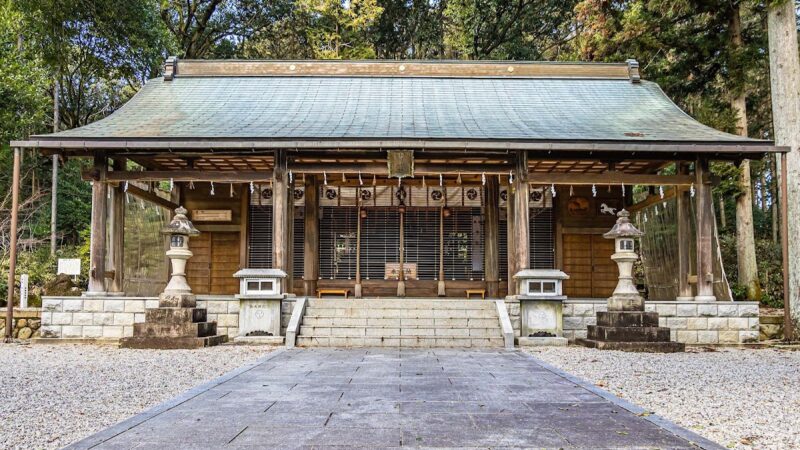
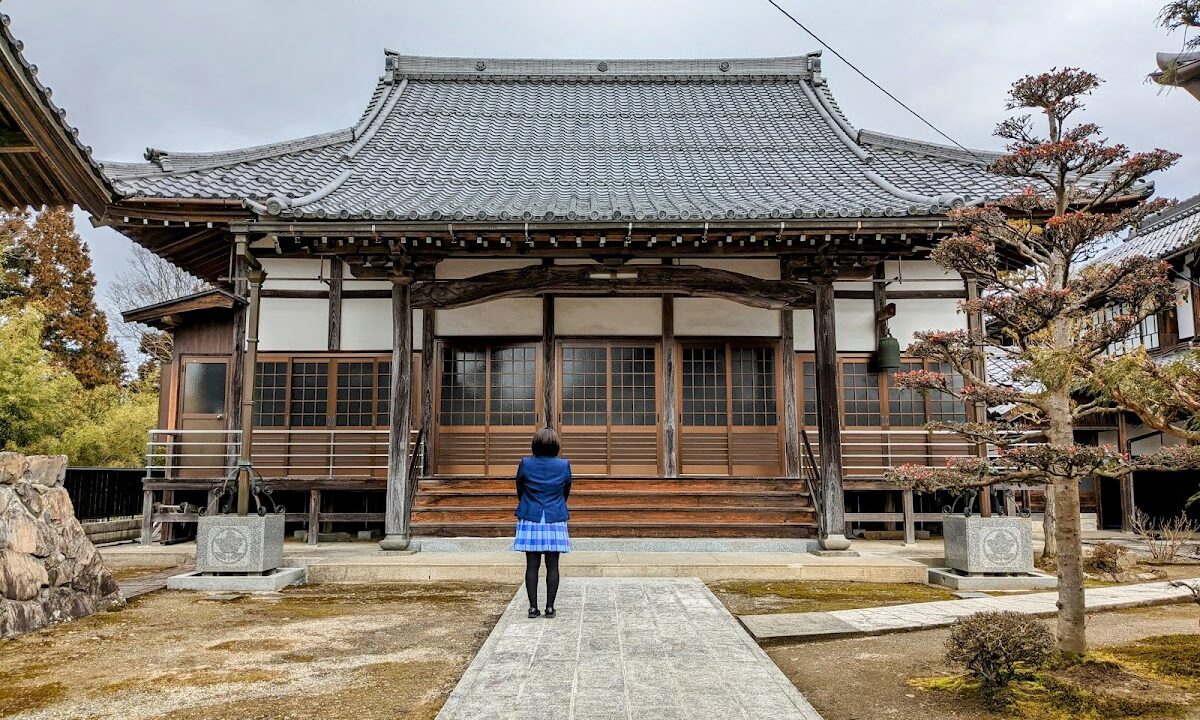
The main hall of Kanshoji Temple occupies an important position as the central building of the temple. Preserving the style of traditional temple architecture, the main hall leads visitors into a tranquil space for prayer. The principal image is enshrined inside, and daily services and religious ceremonies are held here.
Temple Gate and Approach
The temple gate, which serves as the entrance to the temple, acts as a boundary separating the secular world from the sacred realm. Passing through the gate and walking along the approach, one can experience a sense of purification of the heart. Seasonal flowers and plants are planted along the approach, allowing one to feel the changing seasons.
Garden and Natural Environment
The grounds of Kanshoji Temple feature a space that reflects the aesthetic sensibilities of Japanese gardens. The arrangement of stones and plants expresses the spirit of Japanese culture, which values Zen philosophy and harmony with nature. Many visitors come to the temple, especially during the cherry blossom season in spring and the autumn foliage season.
Cultural Properties and Temple Treasures
Buddhist Statues and Relics
Kanshoji Temple houses Buddhist statues and relics that have been preserved and passed down through its long history. These cultural properties are valuable resources that convey the Buddhist art and forms of faith of that time. The principal image and other Buddhist statues are sometimes unveiled during regular memorial services.
Ancient Documents and Records
The temple keeps ancient documents and records that document its history since its founding, and these are important historical materials for local history research. These records allow us to understand the changes in the local community from the Edo period to the present day.
Annual Events and Memorial Services
Regular Memorial Services
Kanshoji Temple holds various memorial services throughout the year. Monthly memorial services, Higan services, and Obon memorial services are held with the participation of parishioners and local residents, based on Buddhist traditions.
Special Events
Several special memorial services and events are held throughout the year. Many worshippers gather for important events related to the temple’s history and faith, such as the founding anniversary and the principal image’s festival. These events also play a role in passing on the region’s cultural traditions to future generations.
Seasonal Events
Seasonal Buddhist events are held, including the spring flower festival (Buddha’s birthday), the summer Obon festival, the autumn equinox festival, and the winter New Year’s Eve bell ringing. Through these events, local residents are exposed to Buddhist teachings and renew their gratitude to their ancestors.
Kanshoji Temple’s Sect and Teachings
Affiliated Sect
Kanshoji Temple belongs to a specific Buddhist sect and conducts missionary activities and rituals based on its doctrines. Through training and memorial services in accordance with the sect’s traditions, it plays a role in transmitting Buddhist teachings to the modern age.
Characteristics of the Faith
At temples, a unique form of faith has developed, centered on devotion to the principal image, while also integrating with local customs and folk beliefs. It coexists with aspects of popular faith, such as ancestral veneration and the pursuit of worldly benefits, and the aspect of Buddhist practice aimed at achieving enlightenment.
Access Information
Location
Kanshoji Temple is located in Gifu Prefecture, surrounded by historical townscapes and natural environments. For the detailed address, it is recommended to confirm directly with the temple before visiting.
Access by Public Transportation
You can access the temple by bus or taxi from the nearest station. If using public transportation, it is advisable to check the schedule in advance. Especially during memorial services and events, extra buses may be operated.
Access by Car
If visiting by private car, access via general roads from the nearest interchange. Entering the temple name into your car navigation system will provide route guidance. Parking is available on the temple grounds or nearby, but it may be full during peak times, so it is recommended to visit with ample time. ## Etiquette and Manners for Visiting a Temple
Basic Method of Visiting a Temple
When visiting a temple, it is important to observe the basic etiquette of visiting a Buddhist temple. Bow at the temple gate before entering the grounds, and purify your hands and mouth at the water basin. In the main hall, quietly join your hands in prayer and offer your respects with sincerity.
Clothing and Belongings
When visiting a temple, clean and understated attire is desirable, rather than excessively flashy clothing. If participating in a religious service, clothing in subdued colors such as black or navy is appropriate. Bringing prayer beads allows for a more respectful visit.
Photography
Photography within the temple grounds must be followed according to the temple’s regulations. Photography inside the main hall and of cultural properties may be restricted, so check before taking pictures or review any posted notices.
Nearby Tourist Attractions
Historical Buildings
Nearby Kanshoji Temple are numerous other historical temples, shrines, and historical sites. By planning a temple and shrine tour that includes these locations, you can gain a deeper understanding of Gifu’s history and culture.
Natural Scenery
Gifu Prefecture is blessed with abundant nature, and beautiful natural scenery unfolds around Kanshoji Temple. Depending on the season, you can enjoy nature walks in conjunction with temple visits.
Local Cultural Facilities
Nearby are cultural facilities such as local history museums and art museums, where you can experience local history and art. Visiting these in conjunction with temple visits allows for a more fulfilling cultural experience.
Kanshoji Temple and the Local Community
Connection with the Local Community
Kanshoji Temple is not merely a religious facility; it has functioned as a central presence in the local community. Beyond its ties through the danka (parishioner) system, it is deeply involved in local festivals and cultural activities.
Educational and Cultural Activities
The temple regularly holds cultural activities such as Buddhist lectures, sutra copying sessions, and Zen meditation sessions. These activities provide opportunities to learn about Buddhist teachings and Japanese culture.
Social Contribution Activities
Modern temples, in addition to traditional religious activities, are also engaged in community service activities. They contribute to the community in diverse ways, such as supporting the elderly, assisting with childcare, and providing shelter during disasters.
The Charm of Kanshoji Temple
A Space of Tranquility and Peace
The greatest charm of Kanshoji Temple is that it offers a space of tranquility and peace, far removed from the hustle and bustle of everyday life. Stepping onto the temple grounds, you can feel time slowing down and your mind becoming calmer.
The Weight of History
Temples with long histories carry the weight of traditions and culture passed down through generations. By touching the old buildings and cultural artifacts, you can feel the faith and daily lives of our ancestors.
The Changing Seasons
The nature within the temple grounds displays different expressions with each season, offering new discoveries with every visit. You can enjoy the different beauty of each season: the fresh green of spring, the deep green of summer, the autumn foliage, and the tranquility of winter.
Precautions When Visiting a Temple
Opening Hours
Temples have set opening and closing times. Gates may close, especially in the evening, so please be mindful of your visit time. Opening hours may differ during religious services and events.
Admission Fee
Regular visits are free, but special viewings and viewings of cultural properties may require an admission fee. Checking in advance will ensure a smoother experience.
Group Visits
If visiting as a group, it is advisable to contact the temple in advance and obtain permission. General visits may be restricted, especially during religious services and events.
Experiences at Kanseiji Temple
Sutra Copying/Buddhist Image Copying
Many temples offer experiences in sutra copying and Buddhist image copying. The act of carefully copying each character in a quiet environment has a meditative effect that calms the mind. Tools and examples are provided so that even beginners can easily participate.
Zen Meditation/Meditation
Opportunities to experience Zen meditation and meditation, which are Buddhist practices, are sometimes available. Under the guidance of expert instructors, you can learn correct posture and breathing techniques, and experience inner peace.
Dharma Talks
Listening to Dharma talks by the head priest is also a valuable experience. By having Buddhist teachings explained in a way that is relevant to modern life, you can gain wisdom that can be applied to your daily life.
The Future of Kanseiji Temple
Preservation of Cultural Properties
The temple is focusing on preservation activities to pass on valuable cultural properties to future generations. Restoration of buildings and preservation treatment of Buddhist statues are being carried out systematically with the cooperation of experts.
New Initiatives
While preserving tradition, new initiatives are also beginning to meet the needs of modern society. Activities are being developed that are in line with the times, such as information dissemination using the internet and activities to promote Buddhist culture to younger generations.
Strengthening Collaboration with the Community
There are also movements to further strengthen collaboration with the local community and expand its role as a tourist resource and a center for cultural education. It is expected that the temple will fulfill its original mission while contributing to the revitalization of the region.
Summary
Kanshoji Temple is an important temple that conveys the history and culture of Gifu Prefecture to the present day. The faith and traditions nurtured over its long history continue to be a spiritual anchor for many people today. By finding peace of mind in the tranquil temple grounds and engaging with Buddhist teachings, you can experience a sense of spiritual fulfillment that is difficult to find in everyday life.
With its seasonal natural beauty, historic buildings, and the warm faith of the local people, Kanshoji Temple is a must-visit spot when visiting Gifu Prefecture. When visiting, understanding the temple’s history and cultural background, and approaching it with a reverent heart, will undoubtedly lead to a deeper experience.
Why not spend some enriching time by experiencing traditional Japanese culture and Buddhist teachings through a visit to Kanshoji Temple?