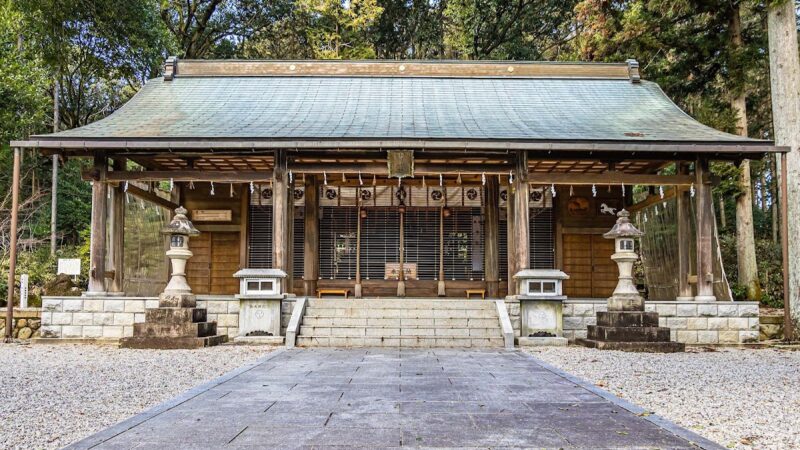
Complete Guide to Koju-ji Temple (Gifu Prefecture, Ogaki City) | History, Highlights, Access, and Perpetual Memorial Services
Koju-ji Temple, located in Sumimata-cho, Ogaki City, Gifu Prefecture, is a historic temple belonging to the Shinshu Otani sect. Situated in the temple district near Sumimata Ichiyajo Castle, this temple is known for its beautiful weeping plum blossoms (Hiryuume) and is also a popular venue for the annual “Tsuribina Komachi Meguri” (hanging doll festival). This article provides comprehensive information useful for those considering a visit to Koju-ji Temple, from its history and highlights to information on perpetual memorial services and access.
Basic Information about Koju-ji Temple
Temple Name: Shibama-san Koju-ji Temple
Sect: Shinshu Otani-ha (Higashi Honganji-ha)
Principal Image: Amida Buddha
Address: 211 Sumimata, Sumimata-cho, Ogaki City, Gifu Prefecture 503-0102
Phone Number: 0584-62-5722
Official Website: https://koujyuji.com/
Koju-ji Temple is located within walking distance of Sumimata Ichiyajo Castle and in the temple district of Sumimata-cho, an area that retains its historical streetscape. Several other temples are scattered around the area, creating a peaceful environment for worship.
History and Origins of Kōju-ji Temple
Founding as Hōzō-ji Temple of the Tendai Sect
Kōju-ji Temple has a long history, originally located in Futatsuki, Shibama-gō, Anpachi-gun, Mino Province (present-day Anpachi-gun, Gifu Prefecture). Initially founded as Hōzō-ji Temple of the Tendai Sect, it was established by Yoshikane (Senchian). The Tendai sect is one of the major Buddhist sects in Japan, with Enryaku-ji Temple on Mount Hiei as its head temple, and boasts a tradition dating back to the Heian period.
Conversion to and Development of Shin Buddhism
Later, Kōju-ji Temple converted to Shin Buddhism (Jōdo Shinshū) and became part of the current Shinshū Ōtani sect. The Shinshū Ōtani sect considers Shinran Shōnin as its founder and has Higashi Hongan-ji Temple in Kyoto as its head temple. It teaches that all people can be equally saved by chanting the Nembutsu, “Namu Amida Butsu.”
The reason for Kōju-ji Temple’s conversion to the Jōdo Shinshū sect lies in the spread of Jōdo Shinshū Buddhism in this region. From western Gifu Prefecture to Aichi Prefecture, the Jōdo Shinshū sect was actively propagated from the medieval to the early modern period, and many temples converted to the sect.
Relocation to Sumimata-cho and the Present
Originally located in Futatsuki, Kōju-ji Temple later relocated to its current location in Sumimata-cho, Ōgaki City. Sumimata is a historical town known for the “Sumimata One-Night Castle,” said to have been built overnight by Toyotomi Hideyoshi. Sumimata, which also flourished as a post town on the Mino Road, developed a temple district with several temples, including Kōju-ji Temple.
Today, Kōju-ji Temple continues to walk hand in hand with its local parishioners, not only preserving traditional Buddhist ceremonies but also functioning as a center for disseminating local culture.
Highlights of Koju-ji Temple
Hiryu-bai (Weeping Plum)
The greatest highlight of Koju-ji Temple is the Hiryu-bai (Weeping Plum) that blooms magnificently within the temple grounds. This beautiful weeping plum tree is at its best from late February to early March each year, captivating many visitors and photography enthusiasts.
The name Hiryu-bai comes from the way its branches gracefully droop, resembling a dragon ascending to the heavens. When in full bloom, the pale pink blossoms cascade down like a waterfall, creating a magnificent spectacle truly befitting the name “Flying Dragon.”
Best Viewing Period: Late February to Early March
Admission Fee: Free
Photography: Permitted (Please observe proper photography etiquette within the temple grounds)
The blooming period of the plum blossoms may vary slightly from year to year, so we recommend checking the official website or calling before your visit.
Hanging Doll Festival
Every year from late February to early March, the “Hanging Doll Festival” is held in Sumimata Town. During this period, beautiful Hina dolls are displayed in the temple’s living quarters, delighting visitors.
Hanging dolls are Hina dolls suspended from the ceiling by threads, a traditional display method that has continued since the Edo period. At Sumimata Temple, the living quarters are utilized to display a variety of colorful hanging dolls, creating a harbinger of spring’s arrival.
The Hanging Doll Festival is held not only at Sumimata Temple but also at several other locations throughout the Mino Road Sumimata area, allowing visitors to enjoy the hanging dolls while strolling through the town. Since it coincides with the blooming season of the Hiryu plum blossoms, it’s a luxurious time to enjoy both the plum blossoms and the hanging dolls.
Main Hall and Priest’s Quarters
The main hall of Koju-ji Temple is a magnificent building that follows the traditional style of the Shinshu Otani sect. The principal image, Amida Buddha, is enshrined inside, and daily services and religious ceremonies are held there.
The priest’s quarters are the residences of the temple’s head priest and his family, but at Koju-ji Temple, they are sometimes open to the public during events. The view of the main hall from in front of the priest’s quarters is an excellent photo spot, allowing you to feel the temple’s history and tranquil atmosphere.
Atmosphere of the Temple Grounds
The grounds of Koju-ji Temple are located in a quiet environment, far removed from the hustle and bustle of the city. The temple district of Sumimata-cho is a peaceful area with many historical buildings, where you can relax and find peace of mind while strolling around.
The temple grounds feature well-maintained landscaping, allowing you to experience the beauty of nature throughout the seasons. In particular, the temple displays different expressions depending on the season, such as the plum blossoms in spring, the fresh greenery in early summer, and the autumn foliage.
Information on Perpetual Memorial Graves and Cemeteries at Koju-ji Temple
What are Perpetual Memorial Graves?
Perpetual memorial graves are graves where the temple or cemetery provides perpetual memorial services and maintenance. They are gaining attention in recent years as a suitable method of memorial service for those without successors or those who do not want to burden their descendants with grave maintenance.
Koju-ji Temple also offers perpetual memorial graves, where you can receive careful memorial services based on the teachings of the Shinshu Otani sect.
Features of Koju-ji Temple’s Perpetual Memorial Grave
Sect: Shinshu Otani-ha (Consultation may be possible for those of other sects)
Memorial Service Type: Multiple plans available, including individual graves and communal graves
Management: Perpetual memorial services and management by the temple
Koju-ji Temple’s perpetual memorial grave is recommended for the following people:
- Those who have no successors and are worried about the future management of their grave
- Those who do not want to burden their descendants with grave maintenance
- Those who want to keep costs down for interment
- Those who wish for memorial services based on the teachings of Shinshu Otani-ha
- Those who desire memorial services at a historical temple
Cost of Perpetual Memorial Grave
The cost of Koju-ji Temple’s perpetual memorial grave/grave varies depending on the plan selected.
General Grave: From 500,000 yen
Individual Grave: Remains are kept individually for a set period.
Communal Grave: Burial together with the remains of others (for those who want to reduce costs)
For specific costs and details, we recommend contacting Koju-ji Temple directly. Many temples offer free tours and consultations, so it’s important to visit and get a feel for the atmosphere.
About Tree Burial and Columbarium
At Koju-ji Temple, we offer consultations not only on traditional graves but also on memorial services tailored to modern needs. You can choose the optimal plan by consulting with the temple about various options, such as tree burial and columbariums.
Grave Closure Support
We also provide support for grave closure for those who wish to relocate their existing graves to Koju-ji Temple. The following procedures are necessary for closing a grave:
- Contact the current cemetery administrator
- Obtain a reburial permit
- Retrieve and perform memorial services for the remains
- Interment at a new burial site
Kōjuji Temple provides advice and support regarding these procedures, so please feel free to contact us.
Flow of interment at Kōjuji Temple
- Inquiry/Consultation: Inquire by phone or through the official website
- Visit Reservation: Visit the temple and tour the grounds and facilities
- Plan Selection: Select the most suitable plan according to your budget and wishes
- Contract: Prepare necessary documents and complete the contract procedures
- Interment: Interment is performed along with a memorial service
- Perpetual Memorial Service: Continuous memorial services and management by the temple
About Visit Reservations
If you wish to visit Kōjuji Temple’s perpetual memorial graves or general graves, we recommend making a reservation in advance.
Reservation Method:
- Phone: 0584-62-5722
- Official Website: https://koujyuji.com/
When visiting, it is recommended to check the following points:
- Atmosphere and cleanliness of the temple grounds
- Sunlight and drainage of the cemetery
- Convenience of parking and facilities
- Demeanor of the head priest and temple staff
- Whether there are annual maintenance fees or additional charges
Koujyuji Temple Facilities Information
Parking
Koujyuji Temple has its own dedicated parking lot.
Location: Across from Ohashi Dental Clinic
Number of Spaces: 7
Fee: Free
The parking lot is located a short distance from the temple, but it is only a few minutes’ walk away. It may be crowded during the peak season for the Hiryu-ume plum blossoms and the Tsuribina Komachi festival, so please consider using public transportation.
Restrooms
Restrooms are available on the temple grounds for visitors. They are kept clean and are safe to use.
Barrier-Free Accessibility
Due to the nature of temple architecture, complete barrier-free access is difficult in some areas. However, consideration has been given to accessibility in some areas, such as the entrance to the temple grounds. Those wishing to visit in a wheelchair are advised to consult with the temple in advance.
Access to Koju-ji Temple
Access by Public Transportation
Nearest Station: Yoro Railway “Yokoya Station” or “Mino-Aoyagi Station”
- Approximately 15 minutes on foot from Yokoya Station
- Approximately 20 minutes on foot from Mino-Aoyagi Station
Bus: Gifu Bus
- Approximately 4 minutes on foot from the nearest bus stop “Sumimata”
Access by bus is the most convenient. Take a Gifu Bus from Gifu Station or Ogaki Station, get off at the “Sumimata” bus stop, and Koju-ji Temple is approximately a 4-minute walk from there.
Access by Car
Access from Major Roads:
- Approximately 15 minutes from the Meishin Expressway “Ogaki IC”
- Approximately 20 minutes from the Tokai-Kanjo Expressway “Ogaki-Nishi IC”
- Accessible from National Route 21
Car Navigation Settings:
- Address: 211 Sumimata-cho, Ogaki City, Gifu Prefecture
- Phone Number: 0584-62-5722
Using Sumimata Ichiyajo (Sumimata One-Night Castle) as a landmark will make it easier to find. Koju-ji Temple is located in the Teramachi area, within walking distance of Ichiyajo.
Nearby Tourist Attractions
When visiting Koju-ji Temple, we recommend also visiting nearby tourist attractions.
Sumimata Ichiyajo (Sumimata Castle Ruins): Approximately 5 minutes on foot
A legendary castle said to have been built overnight by Toyotomi Hideyoshi. It is currently open to the public as a historical museum, where you can learn about the history of Sumimata.
Minoji Sumimata Post Town: Within walking distance
A townscape that retains the atmosphere of an Edo-period post town. Historic buildings are scattered throughout, making it ideal for a stroll.
Other Temples in the Temple District: Within walking distance
Several temples are located around Koju-ji Temple, allowing you to enjoy a temple tour.
Annual Events at Koju-ji Temple
Main Buddhist Events
As a temple of the Shinshu Otani sect, Koju-ji Temple holds various Buddhist events throughout the year.
Spring Equinox Service: March (7 days centered around the Spring Equinox)
Birthday Celebration (Flower Festival): April 8th (Celebrating the birth of Shinran Shonin)
Obon Festival: August 13th-16th
Autumn Equinox Service: September (7 days centered around the Autumn Equinox)
Memorial Service: November (Memorial service on the anniversary of Shinran Shonin’s death)
New Year’s Eve Bell Ringing: December 31st
Some events are open to non-parishioners as well; please contact the temple for details.
Local Events
Tsuribina Komachi Festival: Late February to Early March
As mentioned above, this is a spring event held throughout Sumimata Town. Koju-ji Temple is one of the main venues.
Hiryu Plum Blossom Viewing: Late February to Early March
Many worshippers and photography enthusiasts visit during the plum blossom season.
Recommended Points of Koju-ji Temple
1. Seasonal Beauty to Enjoy for Free
The Hiryu plum blossoms and hanging hina dolls at Koju-ji Temple can be viewed free of charge. It’s a precious spot where you can easily visit and feel the arrival of spring.
2. Hidden Gem Photo Spot
Unlike famous tourist spots, it’s a hidden gem where you can take photos in peace. The beauty of the Hiryu plum blossoms is sure to make for great photos, perfect for posting on social media.
3. A Space Where You Can Feel the History
Koju-ji Temple has a long history, including its conversion from Tendai Buddhism to Shinshu Buddhism and its relocation from Futatsuki to Sumimata. Just standing on the temple grounds, you can feel the weight of this region’s history.
4. Respectful Memorial Services Based on the Teachings of the Shinshu Otani School
For those considering perpetual memorial services, receiving services at a historic Shinshu Otani School temple provides great peace of mind.
5. Easy Access
The temple is easily accessible from Ogaki city center and Gifu city, making it convenient to visit by bus or car. A dedicated parking lot is also available.
Finding Other Cemeteries in Ogaki City
Besides Koju-ji Temple, there are many other temples and cemeteries in Ogaki City. When considering perpetual care graves or traditional graves, we recommend visiting and comparing multiple facilities.
Main Temples and Cemeteries in Ogaki City
- Shinshu Otani-ha temples in Ogaki City
- Ogaki City Municipal Cemetery
- Private Cemeteries
- Temple cemeteries of other denominations
It is important to choose a place that suits your needs in terms of cost, location, denomination, and facilities. Koju-ji Temple may also provide information on other temples and cemeteries, so please feel free to contact us.
Points to Note and Manners When Visiting Koju-ji Temple
Visiting Manners
- Please behave quietly on the temple grounds and avoid disturbing other visitors.
- Permission may be required to take photographs inside the main hall.
- Please do not touch plants such as the Hiryu-ume plum tree or break any branches.
- Please take all your trash with you.
Attire
Casual clothing is acceptable, but please avoid revealing clothing and dress appropriately. For memorial services, mourning attire or dark-colored clothing is appropriate.
Photography
Photography is generally permitted on the temple grounds, but please note the following:
- Obtain permission in advance to photograph inside the main hall.
- Be considerate and avoid including other visitors in your photos.
- Avoid using tripods during crowded times.
- Consult the temple in advance for commercial photography.
Precautions During the Hanging Doll Festival
Many visitors are expected during the Hanging Doll Festival. Since the parking lot may be full, we recommend using public transportation or visiting early.
Summary
Koujyuji Temple (Sumimata-cho, Ogaki City, Gifu Prefecture) is a charming temple that combines the beauty of its Hiryu plum blossoms, the traditional culture of hanging hina dolls, and the solemnity of a historical temple of the Shinshu Otani sect.
It is not only a tourist spot where you can enjoy seasonal scenery, but also a temple where you can entrust memorial services with peace of mind for those considering perpetual memorial graves or general graves. Visiting in conjunction with a visit to Sumimata Ichiyajo Castle or a historical walk along the Mino Road will make for a fulfilling day.
For inquiries about visiting Koujyuji Temple or perpetual memorial graves, please contact us by phone (0584-62-5722) or through our official website (https://koujyuji.com/). Reservations may be required for visits, so we recommend contacting us in advance.
Spend a peaceful time at Koju-ji Temple, where history, nature, and a warm spirit of remembrance thrive.