Jurakuji Temple (Gifu Prefecture) Complete Guide: History, Access, and Highlights Explained in Detail
Located in Gifu Prefecture, Jurakuji Temple is a valuable temple that conveys the history and culture of the region to the present day. This article provides a detailed explanation of everything you need to know before visiting, from the historical background of Jurakuji Temple to its highlights, visiting information, and access methods.
What is Jurakuji Temple?
Jurakuji Temple is a Buddhist temple located in Gifu Prefecture and has long been cherished as a center of local faith. The name “Juraku” means “a place where pleasures gather,” and it has a history of functioning as a place where people gather and find peace of mind.
Basic Temple Information
Jurakuji Temple is one of the temples that embodies Japanese Buddhist culture, and is visited not only by local residents but also by worshippers from outside the prefecture. It offers a space where you can escape the hustle and bustle of everyday life and find peace of mind in a tranquil environment.
History of Jurakuji Temple
Origins of its Founding
The founding of Jurakuji Temple is closely intertwined with the history of the region. Gifu Prefecture flourished as a base for Oda Nobunaga during the Sengoku period, and many temples and shrines were built there. It is believed that Jurakuji Temple was established within this historical context, as a place to support the faith of the local people.
Historical Changes
Throughout the Edo period, Jurakuji Temple played a central role in the local community. Under the danka system (parishioner system), it strengthened its ties with local residents and contributed to the preservation of local culture through funerals, memorial services, and annual events.
Although it was affected by the anti-Buddhist movement after the Meiji Restoration, it survived thanks to the enthusiastic support of local residents and continues to uphold its religious traditions to this day.
From Modern to Contemporary Times
Even now, in the Reiwa era, after the Showa and Heisei periods, Jurakuji Temple continues to operate as a temple that meets the needs of modern society while preserving its traditions. Through regular Buddhist services, Zen meditation sessions, and sutra copying sessions, we foster interaction with a wide range of generations.
Highlights of the Temple Grounds
Main Hall
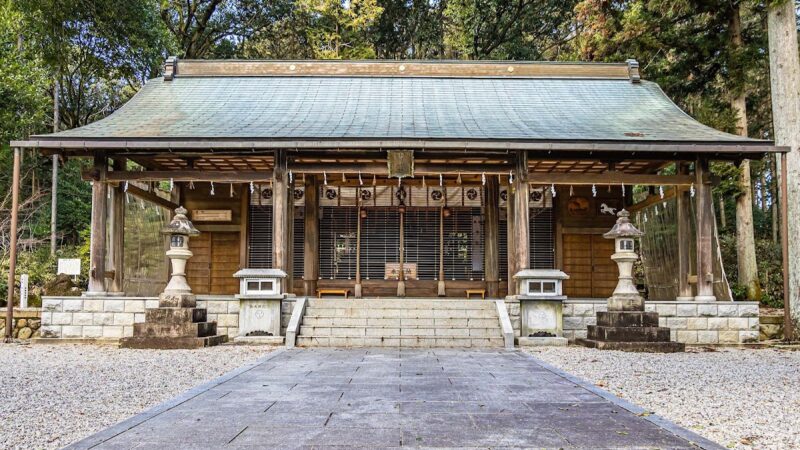
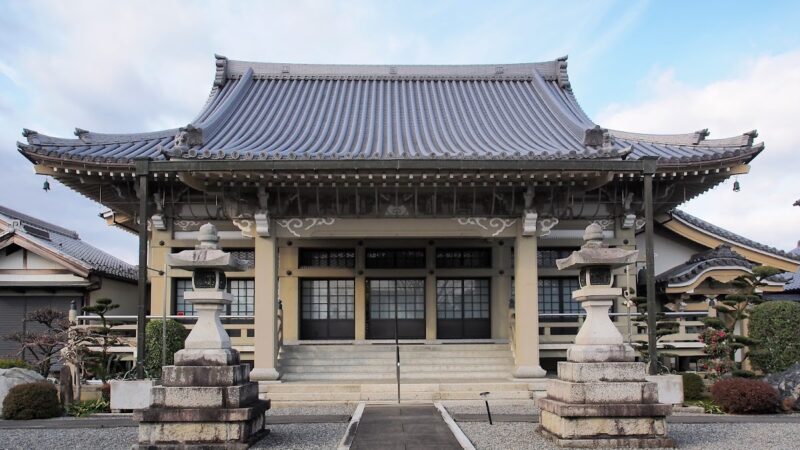
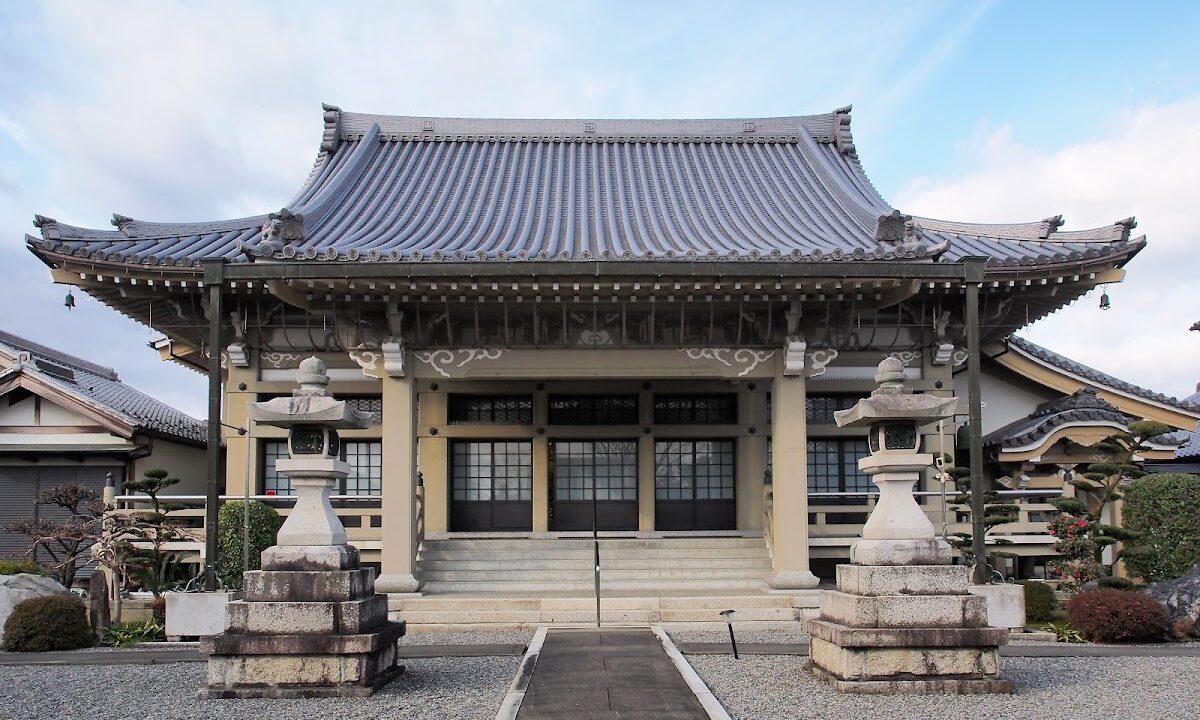
The main hall of Juraku-ji Temple is the central building of the temple. The principal image is enshrined inside, and daily services and Buddhist ceremonies are held there. The architectural style and decorations reflect the characteristics of the era in which it was built, making it of historical interest.
Garden
The temple grounds feature a garden that embodies the aesthetics of Japanese gardens. Visitors can enjoy the changing seasons, and many come during the cherry blossom season in spring and the autumn foliage season. By quietly practicing Zen meditation while gazing at the garden, one can attain inner peace.
Stone Monuments and Memorials
The temple grounds are dotted with stone monuments and memorials commemorating the temple’s history and local events. These are valuable resources for understanding local history and are a must-see for history enthusiasts.
Bell Tower
The bell tower, where the temple bell hangs, is one of the symbolic structures of the temple. The sound of the bell ringing on New Year’s Eve and the morning and evening hours is familiar to the local residents.
Annual Events
New Year’s Events
On New Year’s Day, the temple is bustling with worshippers making their first visit of the year. People visit to pray for safety and well-being in the new year, continuing the tradition of welcoming the start of the year at the temple.
Spring Events
In spring, the Hanamatsuri (Buddha’s Birthday Festival) is held, celebrating the birth of Buddha. The ceremony of pouring sweet tea is a popular event, especially among children.
Summer Events
During the Obon period, the Segaki memorial service and Urabon-e are held to honor ancestors. Many parishioners gather to renew their gratitude to their ancestors.
Autumn Events
In autumn, the Higan-e (equinox) ceremony is held, providing an opportunity to honor ancestors and reflect on one’s own life.
Winter Events
On New Year’s Eve, the temple bell is rung, a traditional ceremony to cleanse away the 108 worldly desires. Local residents gather to experience ringing the bell as a way to conclude the year.
Manners and Etiquette for Visiting Temples
Bowing at the Temple Gate
When entering a temple, it is basic etiquette to bow at the temple gate before entering the grounds. This shows respect for entering the realm of Buddha.
Hand-Washing Etiquette
If there is a hand-washing basin, cleanse your hands and mouth before praying. Hold the ladle in your right hand and wash your left hand, then hold the ladle in your left hand and wash your right hand. Switch the ladle back to your right hand, receive water in your left hand, rinse your mouth, and finally hold the ladle upright to rinse the handle.
Worship at the Main Hall
Before the main hall, quietly clasp your hands together and bow. If you wish to offer a donation, quietly place it in the offering box. Unlike Shinto shrines, clapping is not customary at Buddhist temples; worship is done only with clasped hands.
Behavior on the Temple Grounds
The temple grounds are a sacred place, so please refrain from speaking loudly or running around. Photography is only permitted in designated areas, and please refrain from taking pictures in prohibited areas such as inside the main hall.
About Goshuin (Temple Seals)
What is a Goshuin?
A Goshuin is a seal given as proof of visiting a temple or shrine. It is not merely a stamp rally, but something to be cherished as a record of your visit.
Goshuin at Jurakuji Temple
It is possible to receive a Goshuin at Jurakuji Temple. When requesting a Goshuin, it is important to complete your prayers first and then politely ask for one. Bring your Goshuincho (stamp book) and wait quietly while the seal is being written. ### Points to Note When Receiving a Goshuin (Temple Stamp)
Goshuin are carefully written one by one by the temple staff. During busy times or in the middle of religious ceremonies, they may not be able to provide them, so it is recommended to visit with plenty of time to spare. Also, it is a good idea to prepare small change for the Goshuin fee in advance.
Access Information
Location
Jurakuji Temple is located in Gifu Prefecture. For the specific location, it is recommended to check official information or local tourist guides in advance.
Access by Public Transportation
You can access the temple by bus or taxi from major stations in Gifu Prefecture. It is often within walking distance from the nearest bus stop, but since the number of buses may be limited, it is advisable to check the timetable in advance.
Access by Car
If visiting by private car, enter the temple name or address into your car navigation system. It is recommended to check in advance whether there is parking and how many spaces are available.
Nearby Tourist Attractions
There are many tourist attractions unique to Gifu Prefecture scattered around Jurakuji Temple. In addition to visiting the temple, you can also enjoy the local historical buildings and natural scenery.
Best Time and Season for Visiting
Charms of Each Season
Spring (March-May)
This is a beautiful season with cherry blossoms and fresh greenery. The mild climate makes for a comfortable visit. Events such as the Flower Festival are also held.
Summer (June-August)
The greenery becomes lush, allowing you to experience the vibrant energy of the temple grounds. Many visitors come during the Obon period.
Autumn (September-November)
This is a beautiful season with autumn leaves, and the temple gardens are at their most magnificent. Events such as the Higan-e (equinox) festival are also held.
Winter (December-February)
You can visit the temple in peace and tranquility. There are year-end and New Year events such as the ringing of the temple bell and the first shrine visit of the year.
Visiting Hours
Generally, temple visiting hours are from sunrise to sunset, but specific times vary depending on the temple. Please note that specific times may be designated for memorial services and other events, so we recommend checking in advance.
Activities at Jurakuji Temple
Zen Meditation Sessions
Many temples hold Zen meditation sessions open to the public. Beginners often receive careful instruction, making it a valuable experience to release daily stress.
Sutra Copying Sessions
Copying Buddhist scriptures is believed to calm the mind and enhance concentration. The time spent carefully writing each character with a brush becomes a meditative experience.
Dharma Talks
Dharma talks by the head priest offer insights into Buddhist teachings and wisdom for life. Many offer valuable insights for navigating modern society and are popular with a wide range of age groups.
Jurakuji Temple and the Local Community
Preservation of Local Culture
Jurakuji Temple is not merely a religious facility; it also functions as a center for preserving local culture. Through traditional events and festivals, it continues to protect the local identity.
Educational Role
The temple also plays an educational role in passing on Buddhist culture and Japanese traditions to local children. Activities include temple school-style programs and cultural education in collaboration with schools.
Community Space
In modern society, temples are important community spaces where local residents gather. They serve as places where various generations interact and deepen community bonds.
Temple Culture in Gifu Prefecture
Gifu Prefecture and Buddhism
Gifu Prefecture has a long history of flourishing Buddhist culture. The Hida region has many ancient temples, and the Mino region also boasts numerous historical temples. Jurakuji Temple plays a part in this rich Buddhist culture of Gifu Prefecture.
Connections with Other Famous Temples
Gifu Prefecture is home to nationally renowned temples such as Kegonji Temple (Tanigumi-san) and Kokeizan Eihoji Temple. Visiting these other temples after visiting Jurakuji Temple will deepen your understanding of Gifu Prefecture’s Buddhist culture.
Voices of Visitors
Voices of Local Residents
For local residents, Jurakuji Temple is a place they have cherished since childhood and a significant place they visit at various milestones in their lives. Through ancestral rites and annual events, bonds that transcend generations are nurtured.
Visitors from Outside the Prefecture
Visitors from outside the prefecture often comment on its “quiet and peaceful atmosphere” and the feeling of “being able to experience Gifu’s history.” Its unpretentious, unspoiled atmosphere is precisely what makes it so appealing.
Guidelines for Visiting Jurakuji Temple
Preparation
Before visiting, researching the temple’s history and sect will lead to a deeper understanding and appreciation. Also, please dress appropriately (clean, modest clothing).
Mindset During Your Visit
During your visit, please refrain from using your smartphone and walk quietly around the temple grounds. Remember that temples are places of prayer, and it is important to be respectful.
Reflecting After Your Visit
After your visit, it’s a good idea to take some time to reflect on your experiences and feelings. Note down the date and your impressions in your goshuincho (stamp book), and it will become a cherished memory when you look back on it later.
Summary
Jurakuji Temple is a valuable temple that conveys the rich Buddhist culture of Gifu Prefecture to the present day. Throughout its long history, it has been deeply connected to the local community and has functioned as a spiritual haven for people.
The tranquil atmosphere of the temple grounds, offering a chance to escape the hustle and bustle of everyday life and find peace of mind, will be a precious experience for modern people. By experiencing the beauty of nature in each season, traditional annual events, and the warmth of the local people, you can truly appreciate the splendor of Japanese temple culture.
When you visit Gifu Prefecture, be sure to visit Jurakuji Temple. You are sure to spend a peaceful time in the temple grounds where history and tradition breathe life into. Through your visit, you may gain an opportunity to confront yourself and reflect on life.
We hope that your experience at Jurakuji Temple will leave a deep impression on your heart and contribute to a richer life.