Complete Guide to Chikado Shrine (Tsukida, Kasukawa-cho, Maebashi City, Gunma Prefecture) | History, Cultural Assets, and Festival Highlights
Chikado Shrine, located in Tsukida, Kasukawa-cho, Maebashi City, Gunma Prefecture, boasts a history dating back to the Heian period. It is a shrine with many cultural assets, including valuable medieval stone structures, the oldest guardian lion-dogs in the prefecture, and the “Tsukida no Sasara” lion dance, which has a tradition of approximately 600 years. This article provides a detailed introduction to Chikado Shrine, including its history, highlights, festival, and access information.
Basic Information on Chikado Shrine
Name: Chikado Shrine (Chikado Jinja) / Tsukida Chikado Shrine
Location: 1261 Tsukida, Kasukawa-machi, Maebashi City, Gunma Prefecture
Former Shrine Rank: Village Shrine
Deities Enshrined: It is said to enshrine the same deities as Akagi Shrine, and early Meiji-era documents indicate that it was a branch shrine of Miyazawa Akagi Shrine. Akagi Daimyojin is the main deity, and Toyokiirihiko-no-mikoto and Onamuchi-no-mikoto are also enshrined.
Shrine Name Marker: The torii gate plaque reads “Sho-ichii Chikado Daimyojin,” a remnant of the former era of syncretism of Shinto and Buddhism.
History of Chikado Shrine
Chikado Shrine is said to have been founded during the Heian period, making it a shrine with a long history. It has been revered by the people of the Tsukida district as a center of local faith.
Relationship with Akagi Shrine
According to documents from the early Meiji period, Chikato Shrine is considered a branch shrine of Miyazawa Akagi Shrine. Akagi Mountain worship is widespread in Gunma Prefecture, and branch and subsidiary shrines of Akagi Shrine are scattered throughout the prefecture. Chikato Shrine is one such shrine, and has continued to uphold the worship of Akagi Daimyojin in the region.
Remnants of Shinto-Buddhist Syncretism
Traces of a former temple called Kozenji remain within the shrine grounds and surrounding area. Behind the shrine, there are Koshin-zuka (stone monuments dedicated to Koshin) and numerous stone Buddha statues, making it a valuable historical site that conveys the form of worship from the era of Shinto-Buddhist syncretism. It can be seen that before the Meiji-era separation of Shinto and Buddhism, shrines and temples were worshipped together as one.
Cultural Properties of Chikato Shrine
Chikato Shrine preserves many valuable cultural properties designated by the national and local governments.
Tsukida Chikato Shrine Medieval Stone Sculptures (Maebashi City Designated Important Cultural Property)
On March 13, 2025, the “Tsukida Chikato Shrine Medieval Stone Sculptures” were officially designated as a Maebashi City Designated Important Cultural Property. This group of stone sculptures consists of the following four structures:
Six Jizo Stone Hall
The Six Jizo Stone Hall, located within the shrine grounds, is a rare stone-built Jizo hall. It houses six Jizo Bodhisattva statues within a stone hall and is highly regarded as a representative work of medieval stone art. It is a valuable relic that demonstrates a unique form of worship where Jizo worship and Shintoism merged.
Stone Pagoda (Akagi Pagoda)
Within the shrine grounds stands a stone pagoda, commonly known as the “Akagi Pagoda.” It is a valuable cultural property that conveys medieval stonework techniques to the present day and is important material for understanding the form of worship and the level of stonemasonry at that time.
Stone Structure Foundations 1 & 2
Two foundations of former stone structures remain, and these are designated as part of the medieval stone structure group. These are important remains that provide clues to the layout of the shrine grounds and the state of worship at the time.
Oldest Komainu in Gunma Prefecture
Within the grounds of Chikato Shrine are the oldest komainu (guardian lion-dogs) in Gunma Prefecture. Although the stone komainu are weathered, they retain their ancient style and are extremely valuable cultural assets for understanding the evolution of komainu from the medieval to the early modern period. They are known as a hidden gem, visited by many komainu enthusiasts and researchers.
Portable Shrine (Designated Cultural Property)
The portable shrine owned by Chikato Shrine is also designated as a cultural property and is used during the annual festival. The elaborately decorated shrine is carefully preserved as a testament to the craftsmanship of local artisans.
Tsukida no Sasara (Gunma Prefecture Important Intangible Folk Cultural Property)
The lion dance “Tsukida no Sasara,” performed at the annual festival of Chikato Shrine, is designated as an Important Intangible Folk Cultural Property of Gunma Prefecture. This traditional performing art has a history of approximately 600 years and has been passed down through generations by the local people.
Tsukida Chikato Shrine Annual Festival (Tsukida no Sasara)
Overview of the Annual Festival
The annual festival of Tsukida Chikato Shrine is held every year in late August, and the lion dance called “Tsukida no Sasara” is performed. The name “Sasara” originates from the lion dance performed at the shrine.
Dates: August 29th and 30th every year (may vary depending on the year)
Venue: Chikato Shrine grounds and Chikato Shrine Outer Shrine
Characteristics of the Lion Dance
At the main festival on Sunday, the lion dance is performed to pray for peace and a bountiful harvest. This lion dance, with a history of approximately 600 years, is passed down by local youth groups and preservation societies, showcasing a traditional and elegant performance.
The lion dance consists of multiple acts, each with its own meaning. The sight of the lion dancing to the accompaniment of flutes and drums is magnificent and captivates the audience.
Highlights of the Grand Festival
- Yoimiya (Eve of the Festival): Held on August 29th, the Yoimiya involves Shinto rituals and preparations.
- Main Festival: On August 30th (if it falls on a Sunday), a lion dance is performed.
- Mikoshi Procession: The culturally designated mikoshi (portable shrine) parades through the area.
- Stalls: Numerous stalls are set up in and around the shrine grounds, adding to the festive atmosphere.
About Goshuin (Shrine Seals)
Goshuin are available at Chikato Shrine.
Goshuin Reception Location: The priest’s residence behind the shrine.
Reception Hours: During visiting hours (we recommend checking in advance).
The goshuin will have the calligraphy and red seal of “Chikato Shrine” and serve as a memento of your visit. Since the priest may be absent, we recommend contacting the shrine in advance if you are certain you will receive a goshuin.
Highlights of the Shrine Grounds
Approach and Torii Gate
Located approximately 1.5 km north of Jōmō Electric Railway’s Zen Station, just before Yoshiike Pond, are the grounds of Chikato Shrine. An approach extends along the road, marked by a torii gate. The plaque on the torii reads “Shōichii Chikato Daimyōjin,” signifying its high status.
Main Hall and Worship Hall
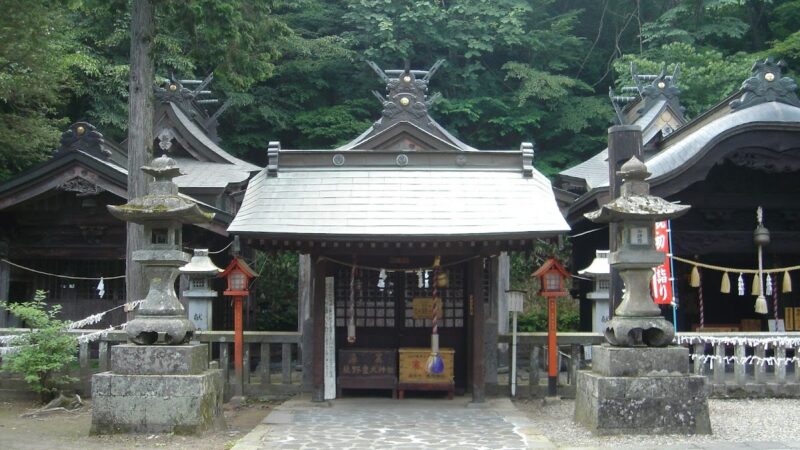
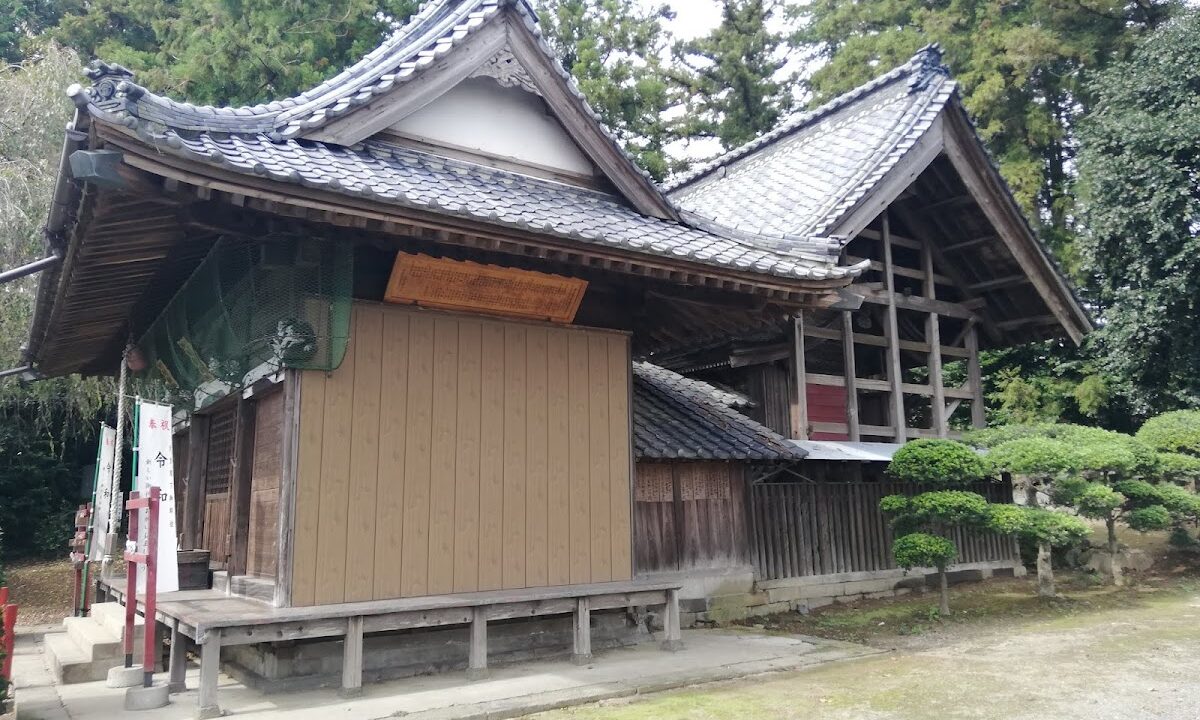
The wooden main hall and worship hall are carefully maintained as the center of local faith. The simple yet solemn atmosphere of the shrine quietly welcomes visitors.
Stone Buddha Group
Behind the shrine (northeast side), on what appears to be the site of Kōzenji Temple, are numerous stone Buddha statues and a Kōshin-zuka mound. This is a valuable historical site that conveys the state of faith from the Edo to Meiji periods, and a must-see spot for stone Buddha enthusiasts.
Subsidiary Shrines
Besides the main shrine, several small shrines are enshrined within the grounds, preserving the diverse beliefs of the region. ## Access Information
Access by Train
Nearest Station: Jomo Electric Railway “Zen Station”
Distance from Station: Approximately 20 minutes on foot (approximately 1.5 km north)
From Zen Station, head north towards Yoshiike to reach the grounds of Chikato Shrine. The route offers a peaceful stroll through a rural landscape.
Access by Bus
Furusato Bus (Demand Bus): Get off at Chikato Shrine bus stop.
*Advance reservations are required for the demand bus. Please check the Maebashi City official website for reservation methods.
Access by Car
Address: 1261 Tsukida, Kasukawa-cho, Maebashi City, Gunma Prefecture
Parking: There is parking space for visitors on the shrine grounds (congestion is expected during the annual festival).
Car Navigation Settings: Search for “Chikato Shrine” or the address above.
Approximately 30 minutes from the Maebashi IC on the Kan-Etsu Expressway, and approximately 25 minutes from the Isesaki IC on the Kita-Kanto Expressway.
Nearby Tourist Attractions
- Miyazawa Akagi Shrine: One of the Akagi Shrines considered to be the main shrine of Chikato Shrine.
- Kasukawa Historical and Folk Museum: A facility where you can learn about the history of the region.
- Mount Akagi: A famous mountain representing Gunma Prefecture, perfect for driving and hiking.
Manners and Precautions for Visiting the Shrine
Proper Way to Visit the Shrine
- Bow before passing through the torii gate.
- Avoid walking in the center of the approach to the shrine.
- Cleanse your hands and mouth at the water basin.
- Bow twice, clap twice, and bow once in front of the main hall.
- Photography of cultural artifacts on the shrine grounds is permitted, but please do so with moderation.
Precautions
- When receiving a Goshuin (shrine stamp), you will be visiting the priest’s residence, so please be respectful.
- The stone structures on the shrine grounds are valuable cultural artifacts. Please do not touch or climb on them.
- The shrine becomes crowded with many visitors during the annual festival. Please allow ample time for your visit.
- As it is located in a quiet residential area, please refrain from making loud noises.
The Charm of Chikato Shrine
Chikato Shrine may not be flashy, but its charm lies in its long history dating back to the Heian period and the cultural assets carefully preserved by the local people.
The oldest guardian lion-dogs in Gunma Prefecture and the medieval stone structures designated as important cultural properties by Maebashi City are a must-see for anyone interested in history or art. Furthermore, the 600-year-old “Tsukida no Sasara” is a wonderful example of the preservation of local traditional performing arts, and visiting during the annual festival allows you to experience a living cultural treasure.
Nestled in a quiet rural area, Chikato Shrine is the perfect place to escape the hustle and bustle of the city and find peace of mind. As a shrine that plays a part in the Akagi Mountain faith and a place that conveys the history of the region to the present day, why not visit it at least once?
Summary
Chikato Shrine, located in Tsukida, Kasukawa-cho, Maebashi City, Gunma Prefecture, boasts a history dating back to the Heian period. It is a valuable shrine with many cultural assets, including a group of medieval stone structures designated as an important cultural property of Maebashi City in 2025, the oldest guardian lion-dogs in Gunma Prefecture, and the “Tsukida no Sasara,” a Gunma Prefecture important intangible folk cultural property with a history of approximately 600 years.
As a branch shrine of Miyazawa Akagi Shrine, it enshrines Akagi Daimyojin and remains a beloved center of local faith. It is also recommended for those visiting shrines, as Goshuin (shrine stamps) are available.
Located about a 20-minute walk from Jomo Electric Railway Zen Station and easily accessible by car, it is a must-visit when in Gunma Prefecture. The annual festival in late August offers a rare opportunity to witness the traditional lion dance.