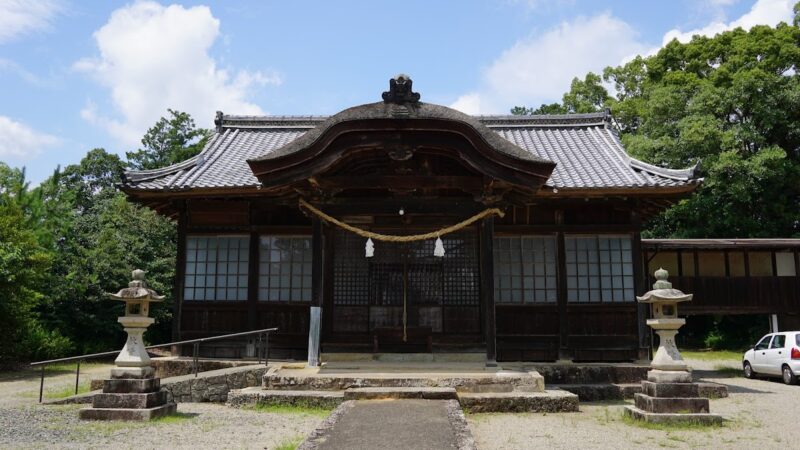
Tokumori Shrine (Tsuyama City, Okayama Prefecture) Complete Guide | History, Goshuin (Shrine Seals), Grounds Guide, and Annual Rituals
Tokumori Shrine, located in the heart of Tsuyama City, Okayama Prefecture, is a shrine with a long history as the guardian shrine of Tsuyama Castle town. It is said to have been founded in 733 AD (Tenpyo 5), and continues to attract deep devotion from the citizens of Tsuyama. This article comprehensively introduces information you should know before visiting Tokumori Shrine, including its history and origins, highlights of the grounds, goshuin information, annual rituals, and access methods.
History and Origins of Tokumori Shrine
From Founding to Fire
Tokumori Shrine is said to have been founded in 733 AD (Tenpyo 5) during the reign of Emperor Shomu. Initially located in the present-day Odaka area of Tsuyama City, it has long been a place of worship for the people of Mimasaka Province.
From the Heian period to the Muromachi period, Tokumori Shrine was known as the “Imperial Envoy Shrine” and was highly regarded by the Imperial Court. However, in 1539, amidst the chaos of the Sengoku period, it suffered a tragic fire that destroyed all of its buildings and treasures. While much of the historical documentation was lost in this fire, faith in the shrine continued uninterrupted.
Relocation and Restoration by Mori Tadamasa
A major turning point in the history of Tokumori Shrine occurred in 1603. Mori Tadamasa (younger brother of Mori Ranmaru), who was appointed as the governor of Mimasaka Province with a 186,500 koku domain for his achievements in the Battle of Sekigahara, began construction of Tsuyama Castle.
As part of his development of the castle town, Mori Tadamasa relocated Tokumori Shrine to its current location in Miyawaki-cho in 1604, establishing it as the guardian shrine of Tsuyama Castle town. This relocation meant that Tokumori Shrine assumed the role of a central shrine protecting the town and people of Tsuyama.
The main hall, rebuilt after being destroyed by fire, remains today as the Sumiyoshi Shrine, a subsidiary shrine within the grounds, and is a valuable cultural asset that conveys the architectural style of that time.
From the Edo Period to the Meiji Era
Throughout the Edo period, Tokumori Shrine continued to develop under the patronage of the Tsuyama Domain. Successive lords renovated and repaired the shrine buildings, enhancing its grandeur. The current main hall was rebuilt during the Edo period, and its architectural style demonstrates the high level of technology of the time.
In the Meiji era, under the modern shrine ranking system, it was designated a prefectural shrine and officially recognized as one of Okayama Prefecture’s leading shrines. Even today, it remains the guardian shrine of Tsuyama city, affectionately known as “Tokumori-san” by local residents, and attracts many worshippers during New Year’s visits, the Setsubun festival, and the autumn grand festival.
Deities and Divine Virtues
Tokumori Shrine enshrines Amaterasu Omikami as its principal deity, along with several other gods. Amaterasu Omikami is the supreme deity in Japanese mythology and is revered as the ancestral deity of the Imperial Family.
Main Divine Virtues
- Good Fortune and Prosperity: Prayers for new beginnings and business success
- Family Safety: Protection of family health and peaceful living
- Business Prosperity: Prosperity of business and development
- Protection from Evil: Protection from disaster and safeguards peaceful days
- Academic Success: Prayers for academic improvement and passing examinations
As the guardian shrine of Tsuyama Castle town, Tokumori Shrine has played a role in protecting the entire region and is believed to possess a wide range of divine virtues that can fulfill all kinds of wishes.
Highlights of the Shrine Grounds
Main Hall and Worship Hall
The main hall of Tokumori Shrine was rebuilt during the Edo period and still preserves the beauty of traditional shrine architecture. The worship hall is a magnificent structure that welcomes worshippers and is especially bustling with people during New Year’s and festivals.
Subsidiary Shrine: Sumiyoshi Shrine
Rebuilt after a fire in 1539 (Tenbun 8), the building that was used as the main hall before the relocation by Mori Tadamasa now serves as the subsidiary shrine, Sumiyoshi Shrine. This shrine is a valuable structure that tells the long history of Tokumori Shrine and is a must-see spot for visitors.
Grand Portable Shrine
The grand portable shrine, a source of pride for Tokumori Shrine, is a magnificent structure carried during the autumn festival. Its opulence and imposing presence are overwhelming to behold. Normally stored in the shrine’s storage building, it is paraded through the shrine grounds and castle town during festivals, becoming a quintessential autumn spectacle in Tsuyama.
Iron Shield (Important Cultural Property)
Tokumori Shrine houses an iron shield designated as a National Important Cultural Property. This iron shield is a valuable artifact as a medieval piece of armor and is one of the cultural properties that demonstrates the historical importance of Tokumori Shrine. It is not usually on public display, but is exhibited on special occasions.
Atmosphere of the Shrine Grounds
Despite being located in the heart of Tsuyama City, the shrine grounds are enveloped in a tranquil atmosphere. Ancient trees line the grounds, allowing visitors to experience the changing seasons. The cherry blossoms in spring and the autumn leaves are particularly beautiful, allowing visitors to enjoy the seasonal changes while praying.
Annual Rituals and Festivals
Tokumori Shrine holds various rituals throughout the year.
Main Annual Shinto Rituals
January
- Hatsumode: Many worshippers visit to welcome the New Year.
- Gantansai-sai: Prayers are offered for the prosperity of the parishioners at the beginning of the year.
February
- Setsubun-sai: Bean-throwing ceremonies are held to ward off evil and pray for good fortune. The bean-throwing by local dignitaries and those born in the year of the current zodiac animal is a lively event.
Spring
- Spring Grand Festival: Prayers are offered for a bountiful harvest as spring arrives.
Summer
- Natsukoshi no Oharae: A Shinto ritual to purify and cleanse away the sins and impurities accumulated over the past six months.
Autumn
- Autumn Grand Festival: The largest festival at Tokumori Shrine. A large portable shrine parades through the castle town, and numerous stalls line the streets, making it a beloved festival representing autumn in Tsuyama.
December
- Year-End Purification Ceremony: A Shinto ritual to cleanse away the sins and impurities of the past year and prepare to welcome the new year with a pure heart.
These rituals are an important opportunity to deepen the bonds of the local community, and many citizens still participate today.
Goshuin Information
Tokumori Shrine offers Goshuin (temple/shrine stamps).
Features of the Goshuin
- Location of Issuance: Shrine Office
- Reception Hours: Usually 9:00 AM to 5:00 PM (may vary depending on rituals, etc.)
- Offering Fee: Usually around 300-500 yen
- Design: Traditional style with the calligraphy of “Tokumori Shrine” and a red seal.
Goshuin are popular as proof of worship and as souvenirs of travel. You can bring your own goshuincho (stamp book) or purchase one on-site. During special festivals, limited-edition goshuin stamps may be offered, so it’s a good idea to check official information beforehand.
Access and Basic Information
Location
5 Miyawaki-cho, Tsuyama City, Okayama Prefecture 708-0047
Phone Number
0868-22-9532
Access by Car
- From Innosho IC on the Chugoku Expressway: Approximately 10 minutes
- From Tsuyama City Center: Located south of Tsuyama Castle (Tsuruyama Park), easily accessible from the city center
- Parking: Parking available for visitors on the shrine grounds and in the surrounding area (Public transportation is recommended during festivals due to congestion)
Access by Public Transportation
- From JR Tsuyama Station: Approximately 15 minutes on foot
- Route Bus: Tsuyama City Loop Bus is available (a few minutes’ walk from the nearest bus stop)
A recommended walking route from Tsuyama Station to Tokumori Shrine is via the Tsuyama Castle Ruins (Tsuruyama Park). You can enjoy the townscape that retains the atmosphere of a castle town while visiting the shrine.
Visiting Hours
- Shrine Grounds Visiting: Open all day
- Shrine Office Reception: Approximately 9:00 AM to 5:00 PM (may vary depending on season and day of the week)
- Prayer Request Reception: Advance telephone confirmation and reservation are recommended.
Nearby Tourist Attractions
When visiting Tokumori Shrine, we recommend also visiting nearby tourist attractions.
Tsuyama Castle Ruins (Tsuruyama Park)
Tsuruyama Castle Ruins, within walking distance of Tokumori Shrine, is the site of a famous castle built by Mori Tadamasa. Currently developed as Tsuruyama Park, the restored Bitchu Turret and stone walls evoke the castle’s former glory. In spring, it is a popular cherry blossom viewing spot, selected as one of “Japan’s Top 100 Cherry Blossom Viewing Spots,” attracting many visitors.
Joto Townscape Preservation District
The townscape, which flourished as a post town on the Izumo Kaido during the Edo period, is preserved here, allowing visitors to enjoy the charming scenery of white-walled merchant houses and samurai residences. ### Tsuyama Railway Museum
A recommended facility for railway enthusiasts, featuring a roundhouse and valuable railway vehicles.
About Shinto-Style Perpetual Graves
Tokumori Shrine also offers Shinto-style perpetual graves. This facility is for those who wish to have memorial services based on Shinto teachings. Please contact the shrine directly for details.
Manners and Points for Visiting a Shrine
Basic Worship Etiquette
- Bow before passing through the torii gate: A courtesy when entering the sacred area.
- Purify yourself at the water basin: Purify your left hand, right hand, and mouth in that order.
- Walk along the edge of the path: The center is considered the path of the gods.
- Etiquette in front of the main hall: Two bows, two claps, and one bow are the basics.
Attire for Visiting a Shrine
For regular visits, everyday clothes are fine, but if you are receiving a prayer, clean and subdued attire is preferable.
Photography
Photography is generally permitted on the shrine grounds, but please refrain from taking pictures inside the main hall or during religious ceremonies. Remember to be considerate of other worshippers.
Summary of Tokumori Shrine’s Charms
Tokumori Shrine is a historic shrine that has watched over the Mimasaka region for approximately 1300 years since its founding in 733 AD (Tenpyo 5). It has walked hand-in-hand with the history of Tsuyama, from the fire of 1539 (Tenbun 8), the relocation and reconstruction by Mori Tadamasa, its development throughout the Edo period, and up to the present day.
As the guardian shrine of Tsuyama Castle town, it plays a central role in the local community, attracting many worshippers throughout the year for events such as New Year’s visits, Setsubun festivals, and the autumn grand festival. The shrine grounds offer many points of interest, including the historically significant main hall, the valuable cultural asset of the iron shield, and the Sumiyoshi Shrine, which preserves the former main hall.
When you visit Tsuyama City, be sure to visit Tokumori Shrine and experience the sacred atmosphere nurtured by its long history. Visiting Tokumori Shrine in conjunction with exploring the Tsuyama Castle ruins and the castle town will allow you to enjoy a more fulfilling Tsuyama sightseeing experience.
Tokumori Shrine, still affectionately known as “Tokumori-san” by locals, continues to be an integral part of their daily lives. Its venerable history and warm atmosphere offer visitors peace of mind and renewed energy.