Katori Shrine (Sakuragawa City, Ibaraki Prefecture) Complete Guide | History, Access, and Highlights Explained in Detail
Several Katori Shrines are located in Sakuragawa City, Ibaraki Prefecture, each with a long history as a center of local faith. This article provides detailed information on each Katori Shrine in Sakuragawa City, including its location, history, enshrined deities, access methods, and highlights. This comprehensive guide will be useful for those planning a shrine pilgrimage or those interested in local history and culture.
What are Katori Shrines in Sakuragawa City?
Katori Shrines are a type of shrine with Katori Jingu, located in Katori City, Chiba Prefecture, as its head shrine, and there are approximately 400 such shrines distributed throughout Japan. Many Katori Shrines exist within Ibaraki Prefecture, and several in Sakuragawa City alone are revered by local residents.
The main enshrined deity is Futsunushi-no-Okami, known as a warrior god who appears in the myth of the transfer of the land, along with Takemikazuchi-no-Okami. Therefore, it is believed to bring good fortune in competitions, protection from evil, and traffic safety, and has been revered by samurai and common people since ancient times.
Main Katori Shrines in Sakuragawa City
Several Katori Shrines are located in Sakuragawa City. Each has its own unique history and characteristics, and plays a central role in the local community.
Katori Shrine (Iibuchi)
Location: 174 Iibuchi, Sakuragawa City, Ibaraki Prefecture
Postal Code: 309-1200
Nearest Station: Approximately 48 minutes on foot from Iwase Station on the JR Mito Line
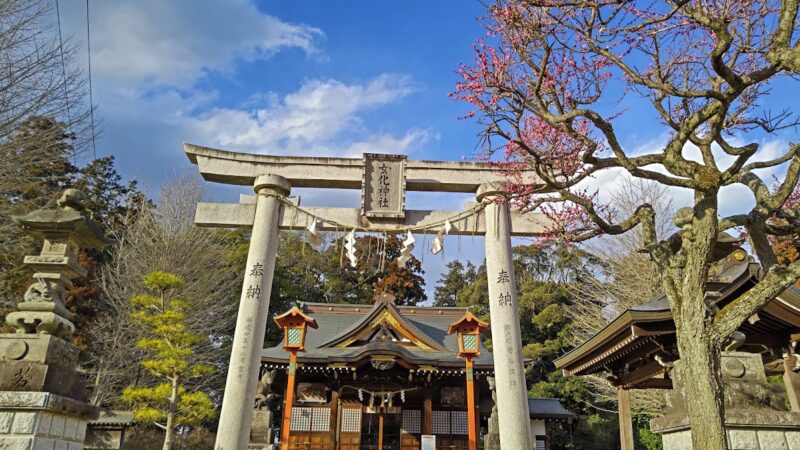
The Katori Shrine located in the Iibuchi area has long been worshipped as the local guardian deity. Located in an area where agriculture is thriving, it also plays an important role as a place of prayer for a bountiful harvest. The shrine grounds have a quiet and peaceful atmosphere, and serve as a place of relaxation for local residents.
Katori Shrine (Kameoka)
Location: 1 Kameoka, Sakuragawa City, Ibaraki Prefecture
Nearest Station: Approximately 33 minutes on foot from Haguro Station on the JR Mito Line
The Katori Shrine in the Kameoka area is relatively easy to access and attracts many visitors. During local festivals, many residents gather, and traditional Shinto rituals are performed. The shrine grounds feature a magnificent main hall, maintaining an atmosphere that reflects the region’s history.
Katori Shrine (Ikegame)
Location: 370 Ikegame, Sakuragawa City, Ibaraki Prefecture
Postal Code: 309-1332
The Katori Shrine in the Ikegame area is also an important center of worship in the region. This area is located in a naturally rich area of Sakuragawa City, and the surrounding environment of the shrine is well-maintained. Traditional local events and festivals are still passed down, contributing to the preservation of local culture.
History and Origins of Katori Shrine
Spread of Katori Faith
Katori faith, with Katori Jingu Shrine as its head shrine, spread throughout the Kanto region from ancient times to the Middle Ages. Ibaraki Prefecture, in particular, was geographically close to Katori Jingu Shrine, and Katori shrines were established throughout the prefecture.
The area around Sakuragawa City has long been a key point for water transport on the Tone River system, with a bustling flow of goods and people. Katori shrines were established at such transportation hubs to pray for safe travels and business prosperity.
Connections to the Community
Katori shrines in Sakuragawa City have functioned as the tutelary shrines of their respective communities. During the Edo period, they were important places of worship, serving as village guardian shrines and places of veneration during agricultural work and life’s rites of passage. Despite the impact of the Meiji-era shrine consolidation policy, many Katori shrines have survived to this day, continuing to play a vital role as spiritual pillars of their communities.
Deities and Benefits
Main Deity: Futsunushi-no-Okami
Futsunushi-no-Okami, the main deity of Katori Shrine, is a warrior god in Japanese mythology who successfully negotiated the transfer of the land. According to the *Nihon Shoki* (Chronicles of Japan), he descended to Izumo with Takemikazuchi-no-Okami and negotiated with Okuninushi-no-Mikoto to achieve the transfer of the land.
Due to his bravery and negotiation skills, he is believed to bring benefits in competitions, protection from evil, good fortune, and traffic safety. He is also known as the god of the sword and attracts worshippers seeking improvement in martial arts.
Futsunushi-no-Okami, the main deity of Katori Shrine, is a warrior god who successfully negotiated the transfer of the land in Japanese mythology. ### Expected Benefits
- Luck in Competition/Victory: Prayers for success in sports, exams, business, etc.
- Protection from Misfortune/Disaster: Prayers for protection from misfortune at important life events
- Traffic Safety: Prayers for safe travels, blessings for automobiles, etc.
- Family Safety: Prayers for the health and peaceful lives of family members
- Abundant Harvest: Prayers for agricultural success and a bountiful harvest
- Business Prosperity: Prayers for the development and prosperity of businesses
Access Methods
Access by Public Transportation
The most common way to get to Katori Shrine in Sakuragawa City is by using the JR Mito Line.
To Katori Shrine in Iibuchi
- Get off at JR Mito Line “Iwase Station,” approximately 48 minutes on foot
- By taxi, approximately 10 minutes
To Katori Shrine in Kameoka
- Get off at JR Mito Line “Haguro Station,” approximately 33 minutes on foot
- By taxi, approximately 7 minutes
Access by Car
Access by car is the most convenient.
Access from Major Roads
- Approximately 15-20 minutes from Kita-Kanto Expressway “Sakuragawa-Chikusei IC”
- Approximately 10-15 minutes from Joban Expressway “Iwase IC”
- Accessible from National Route 50
Parking Information
Each shrine has parking spaces for visitors on the grounds or nearby, but the scale is small. It can get crowded during festivals, so it is recommended to visit with plenty of time to spare.
Highlights and the Shrine Grounds
Shrine Architecture
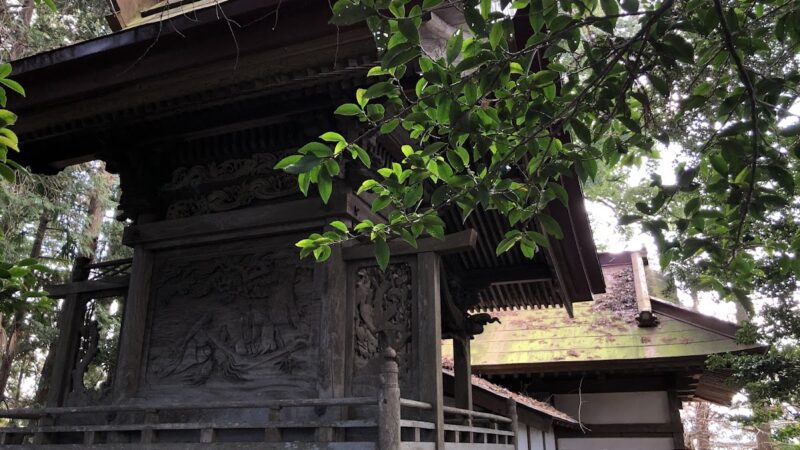
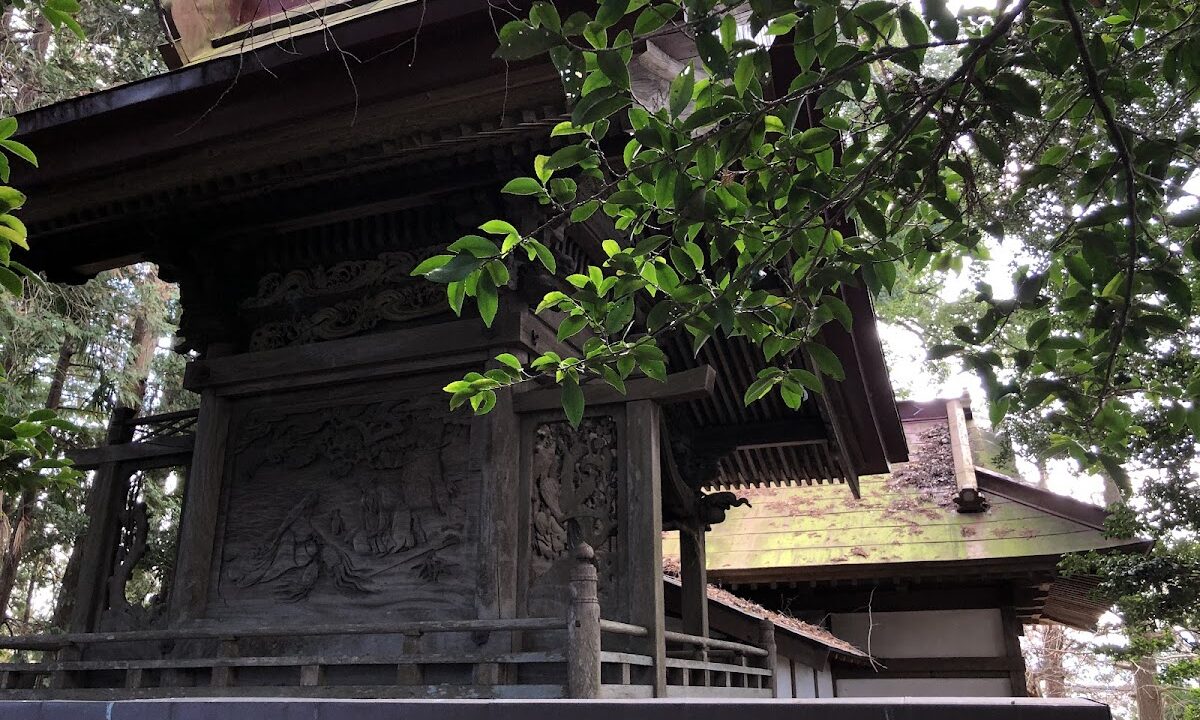
The Katori Shrines in Sakuragawa City each have shrine buildings that reflect the history of the region. The warm atmosphere of the wooden architecture provides peace to visitors. The Katori Shrine in Kameoka, in particular, is relatively large and boasts a magnificent main hall and worship hall.
Natural Environment of the Shrine Grounds
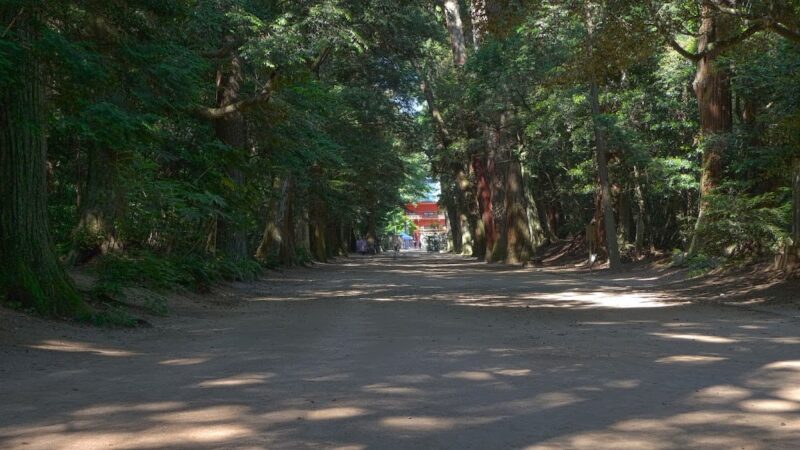
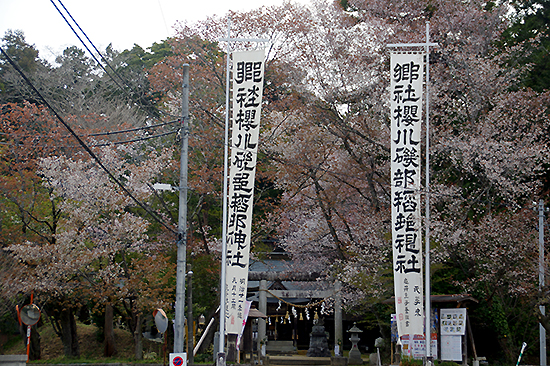
Each shrine is surrounded by abundant nature, allowing visitors to enjoy the scenery of each season. The fresh greenery of spring and the autumn foliage are especially beautiful, making them ideal for strolls. Some shrines retain ancient trees and sacred groves, playing a role in preserving the local natural environment.
Stone Monuments and Komainu (Guardian Dogs)
The shrine grounds are dotted with stone monuments and guardian dogs that evoke a sense of history. These stone structures reveal how the local people have cherished the shrines for many years. Many were donated during the Edo and Meiji periods, possessing high historical value.
Annual Events and Festivals
Grand Festival
Each Katori Shrine holds its annual grand festival once a year. The timing varies by shrine, but it is often held in the autumn. The festival includes a portable shrine procession and devotional performances, making it an important event where local people gather.
First Shrine Visit of the New Year
During the first three days of the New Year, many worshippers visit the shrine for their first shrine visit of the year. As the shrine is revered as the local guardian deity, many people, mainly from the surrounding area, visit to pray for the new year.
Other Annual Events
- Saitansai: A festival held on New Year’s Day to celebrate the New Year
- Setsubunsai: A Shinto ritual to ward off evil spirits held on Setsubun in February
- Natsukoshi no Oharae: A Shinto ritual held at the end of June to purify oneself of the impurities accumulated over the past six months
- Akiki Reitaisai: A festival to give thanks for the autumn harvest
- Toshikoshi no Oharae: A Shinto ritual held at the end of December to purify oneself of the impurities accumulated over the past year
Etiquette and Manners for Worship
Basic Worship Etiquette
- Bow before passing through the torii gate: As a courtesy before entering the sacred area
- Purify yourself at the water basin: Purify your left hand, right hand, and mouth in that order
- Walk along the edge of the path: The center is considered the path for the gods
- Etiquette in front of the main hall: Two bows, two claps, and one bow are the basics
Precautions when Worshiping
- Please maintain silence and respect the sacred atmosphere.
- Please take photographs only in designated areas.
- Please take all your trash with you.
- Please refrain from eating and drinking on the temple grounds.
- If you are bringing a pet, please follow the shrine’s rules.
Nearby Tourist Attractions
Tourist Attractions in Sakuragawa City
Makabe Townscape
The Makabe district, designated as an Important Preservation District for Groups of Traditional Buildings, is a charming area with many historical buildings remaining from the Edo period to the early Showa period. It is recommended to visit in conjunction with a visit to Katori Shrine.
Amabiki Kannon (Amabikiyama Rakuhōji Temple)
This ancient temple, known for its Kannon (Goddess of Mercy) for safe childbirth and child-rearing, is a representative tourist spot in Sakuragawa City. The flowers are beautiful throughout the seasons, and it is especially crowded with visitors during the hydrangea season.
Sakuragawa Cherry Blossoms
The cherry tree-lined banks of the Sakuragawa River, which gave Sakuragawa City its name, are a spring tradition. Some varieties are designated as national natural monuments, and it is known as a famous cherry blossom viewing spot.
Nearby Restaurants and Rest Areas
Sakuragawa City has restaurants using local ingredients and roadside rest areas. You can enjoy local flavors before or after visiting the shrine. Hitachi Aki soba noodles and dishes using local vegetables are especially recommended.
History and Culture of Sakuragawa City
Regional Formation
Sakuragawa City is a relatively new city, formed in 2005 through the merger of Iwase Town, Makabe Town, and Yamato Village. However, the history of this region is ancient, with numerous Kofun period (ancient burial mound) ruins discovered. In the Middle Ages, it flourished as a castle town of Makabe Castle, ruled by the Makabe clan, and in the Edo period, it developed as a post town on the Mito Highway.
Katori Faith and Local Culture
Katori Shrine has functioned not only as a place of worship but also as a center of the local community. Festivals are important opportunities to strengthen community bonds and serve as venues for the transmission of traditional performing arts and folk customs.
Even today, Katori Shrine plays an important role as a spiritual pillar of the region and as a historical and cultural heritage site.
Katori Shrine Network in the Kanto Region
Numerous Katori Shrines are located within Ibaraki Prefecture, in addition to those in Sakuragawa City.
Major Katori Shrines in Ibaraki Prefecture
- Katori Shrine (Higashi-Ohashi, Ishioka City): A representative Katori Shrine in Ishioka City
- Katori Shrine (Wakami, Shika, Fujii, Namegata City): Multiple shrines located around Lake Kasumigaura
- Katori Shrine (Mizuhara, Itako City): A center of Katori faith in the waterside region
- Katori Shrine (Goka-machi, Sarushima District): A Katori Shrine in the western part of the prefecture
These shrines have cultivated their own unique history and traditions in their respective regions. As part of a nationwide network with Katori Jingu as its head shrine, they form the religious culture of the Kanto region.
Katori Faith in Northern Kanto
In the northern Kanto region, many areas have been influenced by both Katori Jingu and Kashima Jingu, and both shrines are sometimes worshipped side by side. This trend is particularly strong in Ibaraki Prefecture, reflecting the region’s deeply rooted belief in warrior deities.
Practical Information for Visitors
Visiting Hours
Katori Shrine is generally open 24 hours for worship, but the shrine office’s operating hours are limited. If you wish to receive a Goshuin (shrine stamp) or amulet, it is recommended to check in advance. Generally, the office is open from 9:00 AM to around 4:00 PM.
About Goshuin
At Katori Shrine in Sakuragawa City, the availability of Goshuin varies by shrine. Since some shrines do not have resident priests, it is recommended to inquire in advance if you wish to receive a Goshuin.
Accessibility Information
Due to the small size of the local shrine, accessibility facilities are limited. Some shrines have stairs, so if you wish to visit in a wheelchair, it is recommended to check in advance.
Significance of Visiting Katori Shrine
Understanding Local Culture
Visiting Katori Shrine offers not only a religious significance but also an opportunity to understand the history and culture of the region. Shrines are closely intertwined with the lives of local people and reflect the characteristics and history of the land.
Peace of Mind and Connection with Nature
Praying in the tranquil shrine grounds provides a precious time to calm the mind, away from the hustle and bustle of everyday life. Furthermore, shrines surrounded by sacred forests offer value as places to connect with nature.
Inheritance of Tradition
Visiting and praying at a shrine contributes to the transmission of traditional Japanese faith and culture to future generations. Smaller local shrines, in particular, are maintained through the support of local residents, and the presence of worshippers supports their continued existence.
Summary
Katori Shrines in Sakuragawa City, Ibaraki Prefecture, are located in areas such as Iibuchi, Kameoka, and Ikegame, and have functioned as centers of local faith and culture throughout their long history. These shrines, which enshrine Futsunushi-no-Okami as their principal deity, are believed to offer blessings for success in competitions, protection from evil, and traffic safety, and continue to attract many worshippers.
While access is most convenient by car, they can also be reached by public transport. The shrine grounds have a quiet and peaceful atmosphere, allowing visitors to enjoy the changing seasons while praying.
When visiting Sakuragawa City, why not also visit the local Katori Shrine in conjunction with other tourist attractions such as the townscape of Makabe and Amabiki Kannon? It will be a valuable opportunity to experience the history and culture of the region.
When praying, it is important to respect the tranquil atmosphere of the shrine, observe proper etiquette, and offer your prayers with sincerity. The time spent quietly offering prayers at this shrine, which has been carefully preserved by the local people, will surely bring peace to the hearts of visitors.