Mishima Shrine (Naka City, Ibaraki Prefecture) Complete Guide | Detailed Explanation of Deities, Access, and History
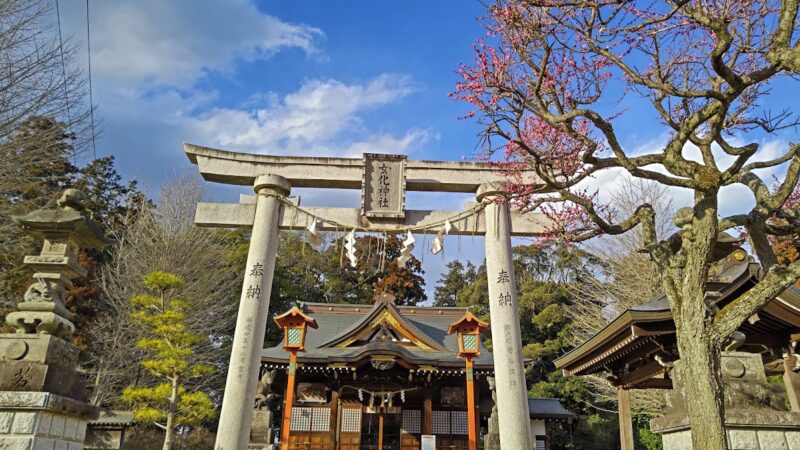
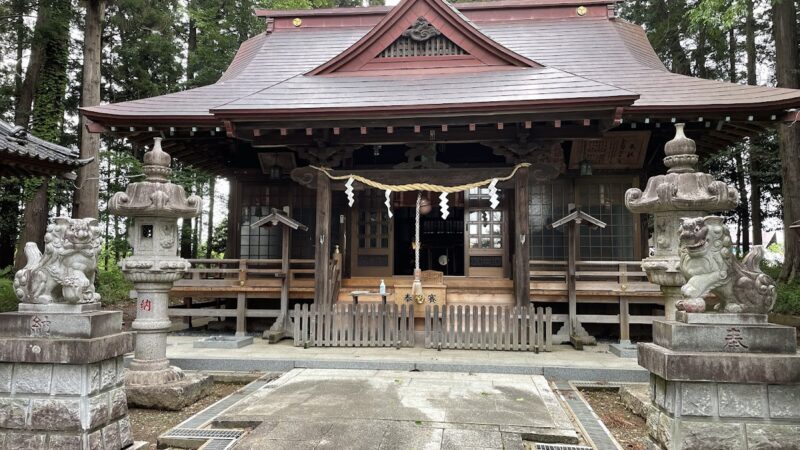
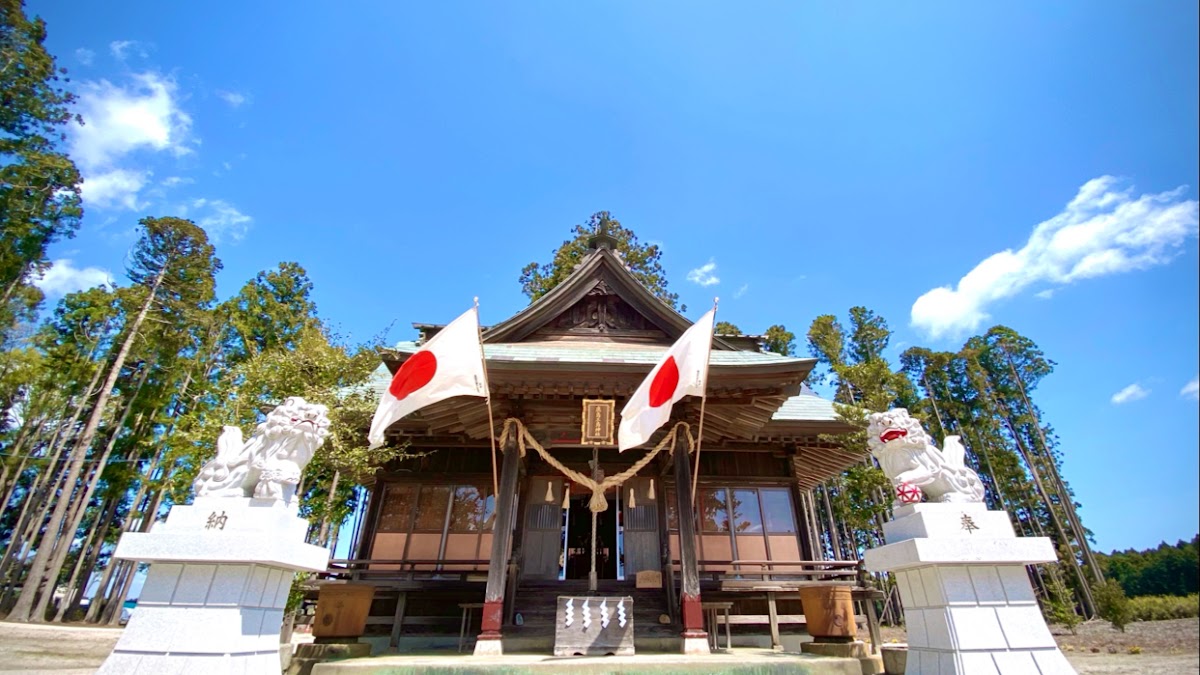
Mishima Shrine, located in Naka City, Ibaraki Prefecture, is a historic shrine that attracts the faith of the local community. Officially known as “Kashima Mishima Shrine,” this shrine, situated in Ushirodai, Naka City, has a long history as a spiritual center for local residents. This article provides detailed information you should know before visiting Mishima Shrine, including its enshrined deities, historical background, access methods, and annual events.
Basic Information about Mishima Shrine
Location
Mishima Shrine is located at 1 Ushirodai, Naka City, Ibaraki Prefecture. Naka City is located in the central part of Ibaraki Prefecture, bordering Mito City to the north. The shrine, nestled in a quiet residential area, plays a central role in the local community.
Address: 1 Ushirodai, Naka City, Ibaraki Prefecture 311-0111
Please note that there is also a “Mishima Shrine” in the Honmezaki area of Naka City (2768-1 Honmezaki, Naka City), which enshrines Oyamazumi-no-Mikoto as its main deity. Although the names are similar, please be aware that these are separate shrines.
Deities Enshrined
The deities enshrined at Mishima Shrine are gods who play important roles in Japanese mythology. As the name Kashima Mishima Shrine suggests, it is known as a shrine with a unique form of worship that fuses Kashima faith and Mishima faith.
Regarding the enshrined deities, a connection to Takemikazuchi-no-Mikoto of Kashima Jingu Shrine and Oyamazumi-no-Mikoto, widely enshrined in Mishima-type shrines, is possible. Takemikazuchi-no-Mikoto is revered as a god of war and victory, while Oyamatsumi-no-Mikoto is worshipped as a god of mountains and the sea.
These enshrined deities are believed to bring blessings such as abundant harvests, family safety, protection from evil, and good fortune in victory, and are deeply revered by the local residents.
History and Origins of Mishima Shrine
Origins of the Shrine
Mishima Shrine in Naka City has a history intertwined with the development and cultivation of the region. Many shrines in Ibaraki Prefecture are based on Kashima faith, and a regional faith strongly influenced by Kashima Jingu, the Ichinomiya (first-ranked shrine) of Hitachi Province, is deeply rooted.
In the case of Mishima Shrine, Kashima faith and Mishima faith are worshipped together, which is a distinctive form of faith within Ibaraki Prefecture. As a god protecting the region’s agriculture and livelihood, it has long been an integral part of people’s lives.
Connections to the Community
Regarding the Mishima Shrine in the Honmeizaki district of Naka City, there is a history of the village being divided into six sections, each worshipping a different deity. Some of these sections have been preserved as the Mishima Shrine to this day. This historical background indicates that the shrine was not merely a religious facility, but a symbol of community unity.
Similarly, the Mishima Shrine in the Godai district has functioned as a spiritual pillar for local residents and has been cherished as a place of worship at seasonal and life-changing occasions.
Access Information
Nearest Stations and Lines
The following stations are accessible by public transport to Mishima Shrine:
JR Suigun Line
- Kamisugaya Station: Approximately 3km to the shrine, about 40 minutes on foot, about 10 minutes by car
- Shimosugaya Station: Approximately 4km to the shrine, about 12 minutes by car
JR Joban Line
- Katsuta Station: Approximately 10km to the shrine, about 20 minutes by car
- Mito Station: Approximately 15km to the shrine, about 30 minutes by car
Kamisugaya Station on the JR Suigun Line is the closest station, but it’s a bit of a distance to walk from the station, so using a taxi or private car is recommended.
Nearest Bus Stops and Routes
If using local buses within Naka City:
- Ibaraki Kotsu Bus: There are routes operating within Naka City, and the nearest bus stop is within walking distance.
- Community Bus “Himawari Bus”: This community bus is operated by Naka City and connects various locations within the city.
Since the number of bus services is limited, it is recommended to check the timetable in advance. For details, please check the Naka City Hall or Ibaraki Kotsu website.
Access by Car
Using Expressways
- Approximately 10 minutes from the Joban Expressway “Naka IC”
- Approximately 15 minutes from the Joban Expressway “Tokai Smart IC”
- Approximately 20 minutes from the Higashi-Mito Road “Hitachinaka IC”
Travel Time from Major Cities
- From central Mito City: Approximately 25-30 minutes
- From Hitachinaka City: Approximately 20 minutes
- From Hitachi City: Approximately 40 minutes
Regarding parking, there may be parking spaces for visitors within the shrine grounds or nearby, but congestion is expected during festivals, so it is recommended to visit with plenty of time to spare.
List of Festivals and Events (2026)
Major Festivals throughout the Year
Mishima Shrine holds various festivals throughout the year. The main events scheduled for fiscal year 2026 are as follows:
January
- New Year’s Day Festival (January 1st): Celebrating the New Year and praying for peace throughout the year
- Coming-of-Age Day: A festival celebrating the coming of age of new adults
February
- Setsubun Festival (around February 3rd): Bean-throwing ceremony to ward off evil and pray for good fortune
- Kinensai Festival (around February 17th): A major spring festival praying for a bountiful harvest
April
- Spring Grand Festival: One of the shrine’s important annual events
July
- Summer Purification Ceremony (June 30th or early July): A Shinto ritual to purify and cleanse away the sins and impurities accumulated over the past six months
September
- Autumn Grand Festival: An important festival to give thanks for the harvest and pray for the prosperity of the region
November
- Niiname-sai Festival (around November 23rd): A festival to offer new grain to the gods and give thanks for the harvest
- Shichi-Go-San (7-5-3 Festival): Celebrating children’s growth and praying for their healthy development.
December
- Great Purification Ceremony (December 31st): A Shinto ritual to purify oneself of the sins and impurities of the year and prepare for the New Year.
*The dates of festivals may change from year to year. Please contact the shrine directly for the exact dates.
Highlights of the Annual Festival
The spring and autumn annual festivals are particularly important events among Mishima Shrine’s annual events. Local residents gather, and there are often processions of portable shrines and dedication ceremonies. These are valuable opportunities to deepen the bonds of the local community through traditional Shinto rituals.
Information for Visitors
Visiting Hours
Mishima Shrine is generally open for worship all day, but there are limited hours for the shrine office. If you wish to obtain a Goshuin (shrine stamp) or amulet, it is recommended to contact the shrine in advance to confirm.
General guidelines for visiting hours:
- Visiting hours: From sunrise to sunset (sometimes 24 hours)
- Shrine office hours: Approximately 9:00 AM to 5:00 PM (may be unattended)
About Goshuin (Shrine Seals)
Goshuin are available at Mishima Shrine. In recent years, many visitors have been using digital goshuin platforms such as “Yaoyorozu no Kami” to record their visits.
When receiving a Goshuin (temple/shrine stamp):
- Bring your Goshuincho (stamp book)
- Inquire at the shrine office after your visit
- Pay the offering fee (usually around 300-500 yen)
- If the shrine is absent, a pre-written Goshuin may be available.
Shrine Visit Manners
Please observe basic shrine visit manners and strive for a sincere visit:
- Bow before passing through the torii gate: This is a courtesy before entering the sacred area.
- Purify yourself at the temizuya (water basin): Purify your left hand, right hand, and mouth in that order.
- Walk along the edge of the path: The center is considered the path of the gods.
- Manners at the main hall: Two bows, two claps, and one bow are the basics.
- Be quiet on the shrine grounds: Be mindful that this is a sacred place.
Nearby Attractions
Tourist Attractions in Naka City
When visiting Mishima Shrine, why not explore other tourist attractions in Naka City?
Shizu Shrine
A historic shrine known as the second-ranked shrine of Hitachi Province, and one of Naka City’s representative shrines. It enshrines Takehazuchi-no-Mikoto and has been a place of worship since ancient times.
Naka General Park
A vast park where you can enjoy nature throughout the seasons. Ideal for family picnics and walks.
Magariya
A traditional farmhouse designated as an Ibaraki Prefecture cultural property, where you can see Edo-period farmhouse architecture. A valuable facility for learning about the lifestyle of that time.
Nearby Shrines and Temples
Naka City and the surrounding area are dotted with many other shrines and temples:
- Kashima Jingu (Kashima City): The Ichinomiya (first-ranked shrine) of Hitachi Province, and the head shrine of all Kashima shrines nationwide
- Oarai Isomae Shrine (Oarai Town): Famous for its torii gate built on a rocky outcrop on the coast
- Kasama Inari Shrine (Kasama City): One of Japan’s three major Inari shrines
Visiting these shrines is one of the highlights of sightseeing in Ibaraki Prefecture.
The Charm of Mishima Shrine
A Faith Rooted in the Community
The greatest charm of Mishima Shrine lies in its deep connection with the local residents. Unlike large-scale tourist shrines, it is deeply intertwined with the lives of local people and is cherished as an object of daily faith.
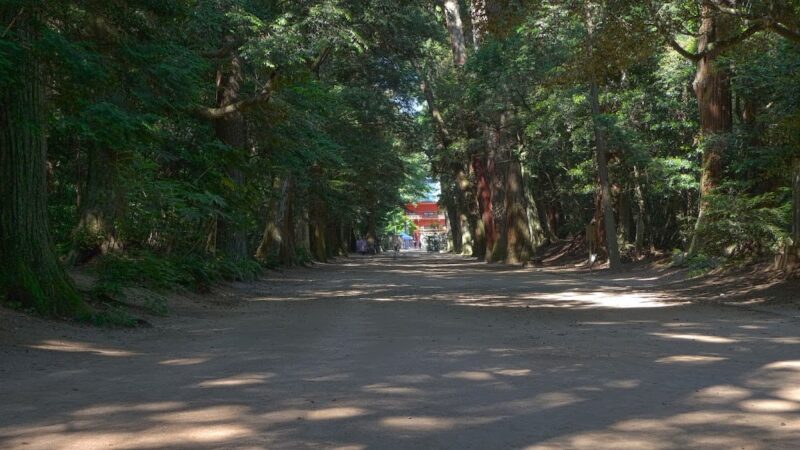
The quiet grounds offer a place to escape the hustle and bustle of the city and find peace, and a place to feel the history and culture of the region, providing solace to visitors.
Fusion of Kashima and Mishima Faiths
As the name Kashima Mishima Shrine suggests, this shrine possesses a unique form of faith, a fusion of the Kashima faith, which is deeply rooted in Ibaraki Prefecture, and the Mishima faith, which is widespread throughout Japan. This complex faith reflects the region’s historical and cultural background and is a prime example of the diversity of Japanese folk beliefs.
Scenery of the Four Seasons
The shrine grounds display different expressions with each season. In spring, the fresh greenery is beautiful; in summer, the lush trees provide shade; in autumn, the autumn leaves color the grounds; and in winter, a tranquil atmosphere prevails. Visiting in each season will allow you to discover the different charms of the shrine.
Precautions When Visiting
Regarding Attire
While casual attire is acceptable, please be mindful of the sacred nature of the place and dress accordingly. Especially when formally visiting or receiving prayers, clean and presentable attire is desirable.
Photography
Photography is generally permitted on the shrine grounds, but please observe the following points:
- Do not take photos in areas where photography is prohibited, such as inside the main hall.
- Be considerate and avoid disrupting religious ceremonies during festivals.
- Respect the privacy of other worshippers.
- When posting on social media, remember to show respect to the shrine.
Bringing Pets
Pet policies vary by shrine. When visiting Mishima Shrine, please check in advance or follow the signs on the grounds. Generally, pets are allowed if carried or in a cage, but it is considered good manners to refrain from bringing them near the main hall.
Summary
Mishima Shrine (Kashima Mishima Shrine), located in Naka City, Ibaraki Prefecture, is a historic shrine that attracts the faith of the local community. It is thought to be associated with Takemikazuchi-no-Mikoto and Oyamatsumi-no-Mikoto as its enshrined deities, and is believed to bring blessings such as abundant harvests and family safety.
The nearest station is Kami-Sugaya Station on the JR Suigun Line, and by car it’s about a 10-minute drive from the Naka Interchange on the Joban Expressway. Throughout the year, various festivals are held, including the New Year’s Day Festival, Setsubun Festival, and the Spring and Autumn Grand Festivals, playing a central role in the local community.
Unlike large-scale tourist shrines, Mishima Shrine possesses a simple charm rooted in the local community. It offers a valuable opportunity to find peace of mind in its tranquil grounds and experience traditional Japanese religious culture. When visiting Naka City, please be sure to pay your respects.
*Please note that festival dates and shrine office hours may change. Please check the latest information before visiting.