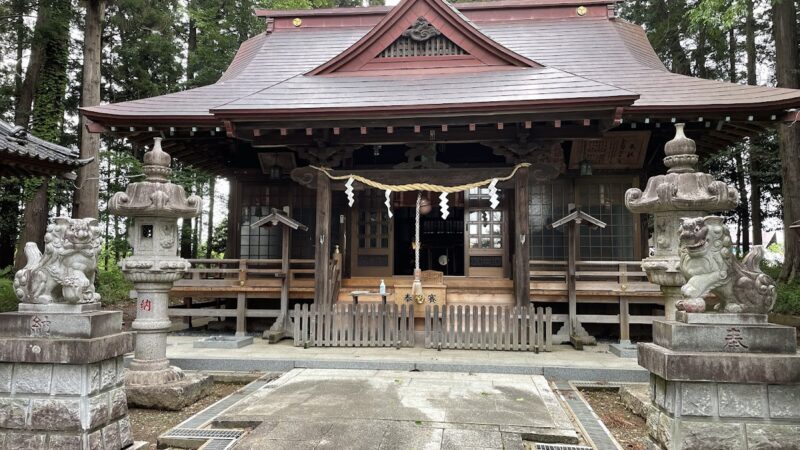
Washijinja Shrine (Naka City, Ibaraki Prefecture) Complete Guide | Thorough Explanation of Deities, Blessings, Access, and History
Washijinja Shrine, located in Naka City, Ibaraki Prefecture, is a historical shrine deeply rooted in the community and cherished by many worshippers. This article provides detailed information you should know before visiting, including the deities enshrined at Washijinja Shrine, blessings, access methods, history, and highlights of the shrine grounds.
Basic Information on Washijinja Shrine (Naka City)
Washijinja Shrine is located in Naka City, Ibaraki Prefecture, and has been revered as the local guardian deity for many years. Its grounds, nestled in a tranquil environment, serve as a spiritual haven for local residents.
Location and Contact Information
Location: Naka City, Ibaraki Prefecture
Washijinja Shrine is located in an area of Naka City that encompasses residential areas and rural landscapes, playing a central role in the local community.
Deities enshrined at Washijinja Shrine
The deity enshrined at Washijinja Shrine is likely to be Ame-no-Hiwa-no-Mikoto, similar to the deities generally worshipped at Washijinja shrines.
About Ame-no-Hiwa-no-Mikoto
Ame-no-Hiwa-no-Mikoto is a deity appearing in Japanese mythology and is particularly associated with the following areas:
- God of Weaving and Spinning: In ancient times, he was revered as the god who presided over the textile industry, such as hemp and cotton.
- God of Industrial Development: He is worshipped as a god who watches over the development of technology and industry.
- God of Pioneering and Development: He is believed to bring blessings for pioneering new lands and developing businesses.
The name Washijinja (Washijinja Shrine) comes from the eagle’s sharp eyesight and strength in catching prey, and it has also been worshipped as a symbol of good fortune in competitions and business prosperity.
Benefits of Washijinja Shrine
Washijinja Shrine is believed to offer the following benefits:
Business Prosperity and Success
As Ame-no-Hiwashi-no-Mikoto is the god of industry, many visitors come to pray for business prosperity and success. It is particularly popular with those starting new businesses or praying for business development.
Good Fortune and Prosperity
The image of an eagle soaring high in the sky is believed to bring good fortune and prosperity. Many people visit the shrine at turning points in their lives or when starting something new.
Abundant Harvest and Bountiful Harvest
In Naka City, where agriculture is thriving, Washijinja Shrine has also been worshipped as a shrine for praying for abundant harvests and bountiful harvests. Local farmers can often be seen visiting the shrine to pray for a good harvest.
Family Safety and Community Peace and Security
As the guardian deity of the region, the shrine also plays a role in protecting family safety and the peace and security of the community. It is an object of daily worship for local residents.
History and Origins of Washijinja Shrine
History of Founding
While the exact founding date of Washijinja Shrine is unclear due to the loss of old records, it is believed to be a shrine that has been worshipped since ancient times, based on the oral traditions of local elders and the surrounding historical background.
Naka City and Washijinja Shrine
Naka City is located in the central part of Ibaraki Prefecture, in a region with fertile land along the Kuji River basin. Agriculture has flourished here since ancient times, and it developed as an important agricultural area during the Mito Domain era.
Washijinja Shrine has walked hand in hand with the development of this region, functioning as a place to pray for agricultural prosperity and the safety of the community.
Connections to the Community
Washijinja Shrine has played an important role not only as a place of worship but also as a center of the local community. Through its annual festivals and seasonal events, it has become a place for residents to interact and deepen community bonds.
Highlights of the Shrine Grounds
Main Hall and Worship Hall
The main hall and worship hall of Washijinja Shrine exhibit a tranquil atmosphere befitting a local shrine. The warmth of the wooden architecture is palpable, quietly welcoming visitors.
Natural Environment of the Shrine Grounds
Trees are planted throughout the grounds, allowing visitors to enjoy the changing seasons. Especially:
- Spring: Beautiful fresh greenery and refreshing air.
- Summer: Cool shade and peaceful worship.
- Autumn: Autumn leaves and fallen leaves add to the charm.
- Winter: A solemn atmosphere permeates the crisp air.
Shrine Office and Gift Shop
While it may be possible to receive Goshuin (shrine stamps) and amulets, as it is a small shrine, this may not always be available. It is recommended to check before visiting.
Access Methods
Access by Car
Washijinja Shrine is easily accessible by car.
Access from Major Roads:
- Approximately 10-15 minutes by car from the Joban Expressway “Naka IC” (may vary depending on the specific location).
- Accessible via National Route 118 or prefectural roads.
Parking:
There may be parking spaces on the shrine grounds or nearby, but as it is a small shrine, the number of spaces may be limited.
Access by Public Transportation
Nearest Station:
- The nearest station may be JR Suigun Line’s “Kamisugaya Station” or “Shimosugaya Station”.
- From the station, you will need to travel by bus, taxi, or on foot.
Bus:
Naka City’s community buses and regular bus routes may operate, but the number of services may be limited, so it is recommended to check the timetable in advance.
Notes on Access
- When the shrine is located in a residential or rural area, some roads may be narrow, so please drive carefully.
- Please check the latest route by searching for “Washijinja Nakashi” on your car navigation system or smartphone map app.
- When using local roads, please be considerate of local residents and avoid causing them any inconvenience.
Manners and Etiquette for Worship
Basic Worship Etiquette
When visiting Washijinja Shrine, please observe the following basic etiquette:
- Bow before passing through the torii gate: Before entering the sacred area, compose yourself and bow.
- Purify yourself at the water basin: If there is a water basin, purify your hands and mouth.
- Avoid the center of the approach: The center of the approach is considered the path of the gods, so walk along the side.
- Etiquette in front of the main hall: The basic etiquette is two bows, two claps, and one bow.
- Bow deeply twice.
- Clap your hands twice.
- Pray with all your heart.
- Finally, bow deeply.
Attire for Visiting the Shrine
Everyday clothes are acceptable, but please be mindful of wearing clean clothing that is respectful to the gods. If you are receiving a special prayer, slightly more formal attire is preferable.
Photography
Photography is generally permitted on the shrine grounds, but please note the following:
- Do not take photos in areas where photography is prohibited, such as inside the main hall.
- Be considerate of other worshippers.
- When posting on social media, be mindful of information that could identify the location.
Annual Festivals and Events
Grand Festival
At Washijinja Shrine, the Grand Festival is held once a year. The Grand Festival is the most important festival for the shrine, where local residents gather to express gratitude to the gods and pray for the prosperity of the community.
Specific dates vary depending on the shrine, but it is generally held in the autumn (September to November).
New Year’s Visit
At the start of the new year, local residents visit the shrine for their first visit of the year, praying for safety and happiness throughout the year. Although a small shrine, it is an important place for locals to visit for the New Year’s pilgrimage.
Other Events
- Monthly Festival: A festival held regularly every month.
- Seasonal Festivals: Seasonal Shinto rituals such as Setsubun Festival and Natsukoshi no Harae (Summer Purification Ceremony) may be held.
For detailed dates, it is recommended to inquire with the shrine or the Naka City Tourism Association in advance.
Nearby Tourist Attractions
When visiting Washijinja Shrine, why not also visit some of the tourist attractions around Naka City?
Shizumine Furusato Park
A representative tourist spot in Naka City, especially known for its double-flowered cherry blossoms. The “Yaezakura Festival,” where approximately 2,000 double-flowered cherry trees bloom, attracts many tourists every year.
Ibaraki Prefectural Botanical Garden
Adjacent to the shrine in Naka City is the Ibaraki Prefectural Botanical Garden, where you can enjoy plants of all seasons. You can enjoy a nature walk on its vast grounds.
Naka City Historical and Folk Museum
This facility allows you to learn about the history and culture of Naka City. Recommended for those interested in local history.
Kuji River
The Kuji River, one of Ibaraki Prefecture’s representative rivers, offers beautiful natural scenery. It’s also a popular spot for fishing and strolling.
About Naka City
Overview of Naka City
Naka City is a city with a population of approximately 50,000 located in the central part of Ibaraki Prefecture. It borders Mito City to the north and boasts fertile land blessed by the Kuji River.
Local Specialties of Naka City
- Hitachi Aki Soba: A representative buckwheat variety of Ibaraki Prefecture, also cultivated in Naka City.
- Dried Sweet Potatoes: A nationally renowned specialty of Ibaraki Prefecture.
- Rice: Delicious rice is produced using the high-quality water and soil of the Kuji River basin.
Access to Naka City
- Train: The JR Suigun Line runs through the city, approximately 15-20 minutes from Mito Station.
- Car: The Naka IC on the Joban Expressway is accessible, approximately 1.5 hours from Tokyo.
Recommended Points for Visiting Washijinja Shrine
A Quiet Environment for Worship
Washijinja Shrine is a local shrine not heavily commercialized for tourism, offering a quiet and peaceful environment for worship. You can escape the hustle and bustle and offer your prayers in a calm and peaceful setting.
Experiencing Local History and Culture
Visiting a local shrine allows you to connect with the history, culture, and faith of the people of that area. It’s a valuable opportunity to experience authentic local culture, different from typical tourist attractions.
The Changing Seasons
The shrine grounds and surrounding natural environment reveal different facets with each season. Enjoy the fresh greenery of spring, the shade of summer leaves, the vibrant autumn foliage, and the tranquility of winter—each time of year offers its own unique charm.
Precautions During Your Visit
Visiting Hours
While shrines are generally open 24 hours, consideration should be given to avoiding disturbing local residents during nighttime or early morning visits. Daytime visits are recommended if possible.
Shrine Office Hours
For smaller shrines, the shrine office may not always be open. If you wish to obtain a Goshuin (shrine stamp) or amulet, it is recommended to contact the shrine in advance to confirm.
Observe Manners
- Be quiet on the shrine grounds
- Always take your trash with you
- Observe the no-smoking policy
- If you bring a pet, follow the shrine’s rules
- Do not trespass on private property
Washijinja Shrine and the Local Community
Role as a Guardian Deity
Washijinja Shrine serves as the guardian deity of a specific area in Naka City, a spiritual anchor for the people living there. A guardian deity is a god who protects the land and watches over the people who live there.
Center of Local Events
Annual festivals and other Shinto rituals are important opportunities for local residents to gather. Through these events:
- Intergenerational exchanges are fostered
- Local traditions are passed down
- Community bonds are strengthened
Preservation of Local Culture
Local festivals and events centered around the shrine play an important role in passing down unique local culture to the next generation. In today’s increasingly urbanized world, the preservation of such traditions is of great value.
Mindset for Visiting Washijinja Shrine
Have a Grateful Heart
Visiting a shrine is not merely a place to make wishes; it’s a time to express gratitude for daily blessings and to communicate with the gods. First and foremost, it’s important to express gratitude.
Maintain a Humble Attitude
In the presence of the gods, maintain a humble heart and use this as an opportunity to reflect on yourself. It’s also a place to reflect on your daily actions and renew your resolve to strive for a better life.
Respect for the Community
When visiting a local shrine, remember to show respect for the land and its people. As an outsider, it’s important to respect the local culture and customs.
Summary
Washijinja Shrine in Naka City, Ibaraki Prefecture, is a historical shrine deeply rooted in the community, known for its blessings of business prosperity, good fortune, and abundant harvests. It enshrines Amenohiwashi-no-Mikoto and has long been revered as the local guardian deity.
Washijinja Shrine, with its tranquil environment, offers a peaceful setting for worship and is a precious place to experience authentic local culture that hasn’t been commercialized for tourism. When visiting Naka City, be sure to stop by.
When visiting, it’s important to observe basic manners and show respect to the community. If you visit with gratitude and humility, your heart will surely be purified, and you will gain new vitality.
Naka City and its surroundings also boast other attractive tourist spots such as Shizumine Furusato Park and the Ibaraki Prefectural Botanical Garden, so please enjoy the charms of Naka City to the fullest in conjunction with your visit to Washijinja Shrine.