Complete Guide to Hiden Shrine (Hachiman-cho, Tokushima City, Tokushima Prefecture) | An Ancient Shrine for Protection Against Epidemics, Nestled on the Mountainside
Hiden Shrine, quietly nestled in the mountains of Babayama, Hachiman-cho, Tokushima City, is a historical shrine that has been revered by locals for centuries. This article provides a detailed introduction to the charm of this little-known shrine, how to worship, and its historical background.
Basic Information on Hiden Shrine
Hiden Shrine is located at 22 Babayama, Hachiman-cho, Tokushima City, nestled in the mountainous area of the Hachiman district of Tokushima City. The most distinctive feature of this shrine is its location. The shrine building stands at the top of a mountain path approximately 240 meters up from the foot of the mountain, making it known as a place where one can have a unique worship experience unlike that of typical shrines.
Location and Surrounding Environment
Location: 22 Babayama, Hachiman-cho, Tokushima City, Tokushima Prefecture
The entrance to the approach to Hide Shrine is located next to the shrine building of Tenichi Shrine (20-1, 20-2 Babayama, Hachiman-cho, Tokushima City), known locally as the “Dō no Torii Shrine.” The shrine building of Hide Shrine stands approximately 240 meters further into the mountains from Tenichi Shrine. The surrounding area is rich in nature, a quiet residential area of Hachiman-cho mixed with forests.
Deities and Divine Virtues
Main Deity: Wakahirume-no-Mikoto
The main deity of Hide Shrine is Wakahirume-no-Mikoto. Wakahirume-no-Mikoto is a goddess considered to be the younger sister or childhood name of Amaterasu Ōmikami, and possesses the characteristics of a sun goddess. This deity is also known as the goddess of weaving and has been worshipped as a guardian deity of industry and daily life.
Miraculous Protection Against Epidemics
According to the Hachiman Village History, Hiden Shrine is considered particularly miraculous against epidemics. Since ancient times, when epidemics have been rampant, local people have prayed at this shrine for recovery from illness. Even today, worshippers visit to pray for good health and recovery from illness.
This miraculous power is thought to be a combination of the pure energy of the mountain and the divine virtues of Wakuhime-no-Mikoto, and it has been a source of comfort for local people, especially during times of concern about infectious diseases.
Approach to the Shrine and Points to Note When Visiting
Characteristics of the Approach
The approach to Hiden Shrine is significantly different from that of typical shrines. The distance from the entrance next to Tenichi Shrine to the main shrine building is approximately 240 meters, which would take about 4-5 minutes on flat ground, but in reality, it is a mountain path resembling a light hiking trail.
Characteristics of the approach to the shrine:
- A full-fledged mountain trail climbing up a mountain slope
- There are sections with unstable footing
- A path that utilizes the natural terrain
- A quiet environment surrounded by trees
- The scenery changes with the seasons
Recommended Clothing and Equipment
When visiting Hideshima Shrine, please note the following:
Recommended Clothing and Equipment:
- Comfortable athletic shoes or trekking shoes
- Comfortable clothing
- Drinks (especially in summer)
- Towel
- Insect repellent spray (spring to autumn)
Clothing to Avoid:
- Sandals or high heels
- Clothing that restricts movement, such as skirts
- Slippery shoes in rainy weather
There have been reports of visitors who started climbing in sandals and had to turn back midway. It is recommended that you understand that the approach to the shrine is a fairly serious mountain trail before visiting.
Estimated Time Required for Visiting the Shrine
- Ascent: Approximately 15-25 minutes
- Visiting the Shrine: Approximately 5-10 minutes
- Descent: Approximately 10-15 minutes
- Total: Approximately 30-50 minutes
The time required will vary depending on your physical condition and the weather. We recommend allowing ample time for your visit.
History and Origins of Hideno Shrine
Founding and Historical Background
The exact founding date of Hideno Shrine is unknown, but it is an ancient shrine that has been located in the mountainous area of Hachiman-cho since ancient times. The name “Hideno” is thought to originate from the fact that it enshrines Wakuhime-no-Mikoto, the sun goddess.
Hachiman-cho is a region that has developed as an agricultural area located in the southern part of Tokushima City since ancient times, and many small shrines were scattered throughout the mountainous area. Hideno Shrine was one of the centers of faith in this region, and was closely intertwined with the lives of the residents.
Hiden Shrine as Seen in the History of Hachiman Village
The History of Hachiman Village describes Hiden Shrine as having “miraculous efficacy against epidemics.” This is thought to be based on a tradition from the Edo period to the Meiji period, where local people prayed at Hiden Shrine during epidemics, and their prayers were actually answered.
At that time, medical care was not well developed, and epidemics were a serious matter that threatened the very existence of the village. Therefore, praying to gods and Buddhas was one of the important coping mechanisms, and Hiden Shrine served as a center of faith for the community.
Relationship with Tenichi Shrine
Tenichi Shrine, the “Dō-no-Torii Shrine”
Tenichi Shrine, located at the entrance to the Hiden Shrine’s approach, is known locally as the “Dō-no-Torii Shrine.” This Tenichi Shrine is located at 20-1 and 20-2 Babayama, Hachiman-cho, Tokushima City, and has a close relationship with Hiden Shrine.
Relationship between Tenichi Shrine and Hide Shrine:
- The path to Hide Shrine begins from the grounds of Tenichi Shrine.
- Both shrines are located in the same Babayama district.
- They play a complementary role in local faith.
Order of Worship
When visiting Hide Shrine, it is customary in the local area to first visit Tenichi Shrine at the foot of the mountain before climbing the mountain path. Visiting both shrines together will allow for a deeper religious experience.
Highlights of the Shrine Grounds
Shrine Building
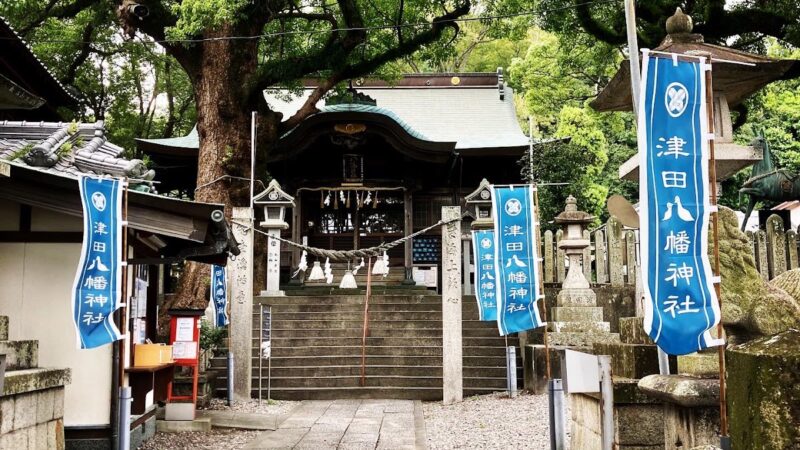
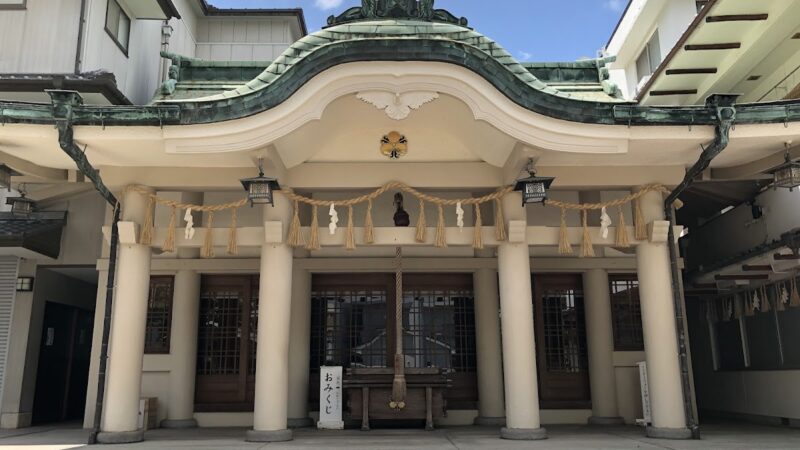
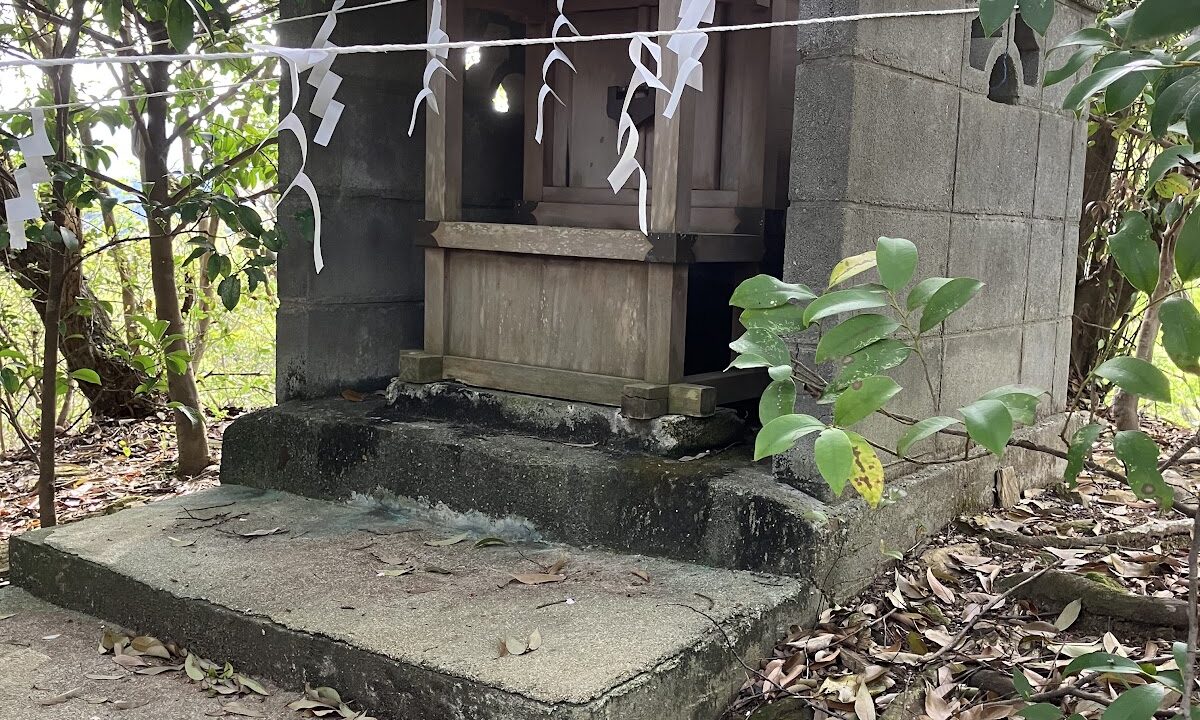
The shrine building of Hide Shrine, built on the mountainside, harmonizes with the surrounding nature. Although not large in scale, it is carefully maintained, reflecting the deep faith of the local people.
Lanterns and Stone Structures
Old lanterns and stone structures remain on the shrine grounds. These were donated from the Edo period to the Meiji period and are valuable cultural assets that convey the state of faith at that time. The inscriptions on the lanterns reveal the history of how local people have cherished this shrine for generations. ### Natural Environment
One of the greatest attractions of Hideno Shrine is its rich natural environment. The shrine grounds are surrounded by trees, displaying different expressions throughout the seasons.
Spring: Beautiful new greenery, the trees along the approach to the shrine are budding.
Summer: Surrounded by deep green, the cool shade of the trees is pleasant.
Autumn: Autumn leaves color the mountains, and the approach to the shrine is vibrant with color.
Winter: Distant scenery can be seen through the bare trees.
Access Method
Access by Car
Access to Hideno Shrine by car is convenient.
From Tokushima City Center:
- Travel time: Approximately 15-20 minutes
- From National Route 55 towards Hachiman-cho
- Head towards the Babayama area of Hachiman-cho
Parking:
There is some space around Tenichi Shrine, but there is no dedicated parking lot. If parking on the street, please be considerate of local residents.
Access by Public Transportation
Bus: Take a Tokushima City Bus or Tokushima Bus towards Hachimancho and walk from the nearest bus stop. However, the bus stop is a bit of a distance away, so plan accordingly.
Distance from Nearest Station
- From JR Tokushima Station: Approximately 7km
- From JR Bunka-no-Mori Station: Approximately 5km
If using public transportation, taking a taxi from the station is the most practical option.
Guidelines for Visiting the Shrine
Shrine Etiquette
As this shrine is located in the mountains, please pay particular attention to the following points:
- Respect Nature: Always take your trash with you.
- Be Quiet: Do not disturb the tranquility of the mountain.
- Safety First: Avoid strenuous visits.
- Time of Day: Visit during daylight hours (descend before sunset).
- Check the Weather: Be careful as the path can become slippery in rainy weather.
Best Time to Visit
Hinoide Shrine can be visited throughout the year, but the following times are especially recommended:
Spring (March-May):
- Beautiful fresh greenery
- Mild climate
- Suitable temperatures for hiking
Autumn (October-November):
- Enjoy the autumn foliage
- Cool and easy to walk
- Fewer insects
Time to Avoid:
- Extremely hot summer days (risk of heatstroke)
- Typhoon Season (September)
- During Snowfall (Small snowfall in Tokushima, but just in case)
Other Shrines in the Hachiman Area
Several other shrines are located in the Hachiman-cho area where Hideno Shrine is located.
Tenichi Shrine
As mentioned above, this shrine is the entrance to the Hideno Shrine’s approach. It is affectionately known locally as the “Dō no Torii Shrine.”
Location: 20-1, 20-2 Babayama, Hachiman-cho, Tokushima City
Hachiman Shrine
This shrine is located in Miyanotani, Hachiman-cho, and is a shrine dedicated to Hachiman worship.
Location: 1 Miyanotani, Hachiman-cho, Tokushima City
Shrine Pilgrimage in the Hachiman Area
If you have time, a “shrine pilgrimage” visiting several shrines in the Hachiman area is recommended. Each shrine has different characteristics, allowing you to experience the diversity of local beliefs.
Shrines in Other Areas of Tokushima City
Besides the Hachiman area, Tokushima City has many other shrines.
Uchimachi/Shinmachi Area
The Uchimachi/Shinmachi area, the central part of Tokushima City, has many shrines with a history as a castle town.
Sako Area
The Sako area is located northwest of Tokushima Station and has developed as a long-established residential area.
Tsuda Area
The Tsuda area, located in the eastern part of Tokushima City, also has many shrines rooted in the local community.
Kami-Hachiman Area
The Kami-Hachiman area, located further into the mountainous region of Hachiman-cho, also has shrines nestled in a rich natural environment.
The Charm of Visiting Hideshima Shrine
Enjoy a Pilgrimage Like a Hiking Trip
The greatest charm of Hideshima Shrine is that you can enjoy a pilgrimage while enjoying a light hike. Despite being close to an urban area, you can walk on authentic mountain trails, offering a special experience away from everyday life.
Tranquility and Pure Air
Located on the mountainside, this shrine offers a tranquil environment far removed from the hustle and bustle of the secular world. The grounds, surrounded by trees, boast refreshing air, creating a space for both mind and body rejuvenation.
Ideal for Prayers for Good Health
Hide Shrine, believed to have miraculous powers to ward off epidemics, attracts many worshippers praying for good health. Especially in today’s world, where infectious diseases are a major concern, its divine virtues are receiving renewed attention.
A Sense of Accomplishment
Worshipping at the shrine, reached after climbing a mountain path, offers a different sense of accomplishment than visiting a shrine on flat ground. The effort of climbing allows for a more sincere and heartfelt encounter with the deities.
Safety Measures During Your Visit
Health Management
Since you will be climbing a mountain path, please pay attention to the following points:
- Do not push yourself if you are not feeling well
- Consult your doctor in advance if you have a pre-existing medical condition
- Be especially careful if you are elderly or have young children
- Drink plenty of fluids frequently
Weather Precautions
- Consider postponing your visit if it is raining, as the path may become slippery
- Avoid visiting on days when thunderstorms are forecast
- Be careful of poor visibility on foggy days
Emergency Response
- Carry a mobile phone (check signal strength in advance)
- Avoid visiting alone; go in groups
- Allow ample time and descend before sunset
Connection with the Community
Local Beliefs
Hide Shrine has been cherished by the people of Hachiman-cho since ancient times. It has played an important role in local festivals and annual events.
Maintenance
Due to its location in the mountains, the cooperation of local people is essential for the maintenance of the path and shrine grounds. Local parishioners play a central role in maintaining the shrine through activities such as cleaning and preserving the approach to the shrine.
Summary: Key Points for Visiting Hiden Shrine
Hiden Shrine (Babayama, Hachiman-cho, Tokushima City) is a rare shrine in Tokushima City, situated on the mountainside. This ancient shrine, dedicated to Wakuhime-no-Mikoto and believed to have miraculous powers to ward off epidemics, is a special place to visit while enjoying a light hike.
Points to Note When Visiting:
- Attire and Equipment: Athletic shoes are a must, wear comfortable clothing.
- Estimated Time Required: Allow approximately 30-50 minutes round trip.
- Best Time to Visit: Spring and autumn are ideal; avoid mid-summer and rainy weather.
- Access: Car is convenient; take the approach road from Tenichi Shrine.
- Divine Blessings: Protection from epidemics, prayer for good health.
- Manners: Respect nature and worship quietly.
Hinode Shrine, while close to an urban area, offers a peaceful worship experience amidst abundant nature. It’s a special shrine worth visiting for those praying for good health, those seeking to refresh themselves in nature, and those wanting to visit a hidden shrine in Tokushima.
When visiting, please remember to be well-prepared and take safety precautions, and enjoy the unique worship experience of this mountain shrine.