Kasuga Shrine (Shimosukenin-cho, Tokushima City, Tokushima Prefecture) | Complete Guide to History, Deities, and Access
Kasuga Shrine, located in Shimosukenin-cho 3-chome, Tokushima City, Tokushima Prefecture, is a shrine that has long been revered as the tutelary deity of the local residents. This article provides a detailed explanation of the history of Kasuga Shrine, its enshrined deities, the characteristics of its grounds, and access methods—all essential information to know before visiting.
Basic Information about Kasuga Shrine
Kasuga Shrine is located at 42 Shimosukenin-cho 3-chome, Tokushima City, and is a historical shrine situated in the Iho district. Shimosukenin-cho is located in the northern part of Tokushima City and was once part of the northern edge of the Tokushima Castle town.
Location: 42, Shimosukenincho 3-chome, Tokushima City, Tokushima Prefecture 770-0805
Shrine Rank: Village Shrine
Main Annual Events: Spring Grand Festival, Autumn Grand Festival
History and Origins of Kasuga Shrine
Circumstances of Founding
The exact founding date of Kasuga Shrine is unclear due to the loss of historical records, but it is believed to have been enshrined in this location since the Edo period. In the Shimosukenincho area, which developed as a castle town of the Tokushima Domain, it has been revered as a spiritual pillar for the local residents.
Origin of Place Name and Relationship to the Shrine
The place name Shimosukenincho originates from the local place name “Sukenin.” The name Sukenin has existed since ancient times, and it came to be called “Shimosukenin” with the formation of the Tokushima castle town. In addition to Kasuga Shrine, Sukenin Hachiman Shrine (Hachiman Shrine) is also located in Shimosukenincho 4-chome, playing an important role as a center of local faith.
History since the Meiji Era
Due to the reform of the shrine system during the Meiji era, Kasuga Shrine was ranked as a village shrine. Even amidst the wave of modernization, it maintained its status as the local tutelary deity and has been carefully preserved by the residents of Shimosuke-cho to this day.
Deities and Divine Virtues
Main Deity
The deity enshrined at Kasuga Shrine is Kasuga-no-kami, the same as that of Kasuga Taisha in Nara. Kasuga Shrine is a collective term for the following four deities:
- Takemikazuchi-no-Mikoto: Known as the god of thunder and swords, the god of military fortune and victory in competitions.
- Futsunushi-no-Mikoto: God of swords and the god of pacifying the land.
- Amenokoyane-no-Mikoto: God of rituals and learning.
- Himegami: Consort of Amenokoyane-no-Mikoto.
Divine Virtues
Kasuga Shrine is believed to offer the following divine virtues:
- Family Safety: Health and peaceful living for the family.
- Protection from Misfortune and Bringing Good Fortune: Warding off misfortune and opening up good fortune.
- Business Prosperity: Success in business and prosperity.
- Academic Achievement: Improvement in academics and passing examinations.
- Traffic Safety: Safe travels and protection from traffic accidents.
Highlights of the Shrine Grounds
Shrine Buildings
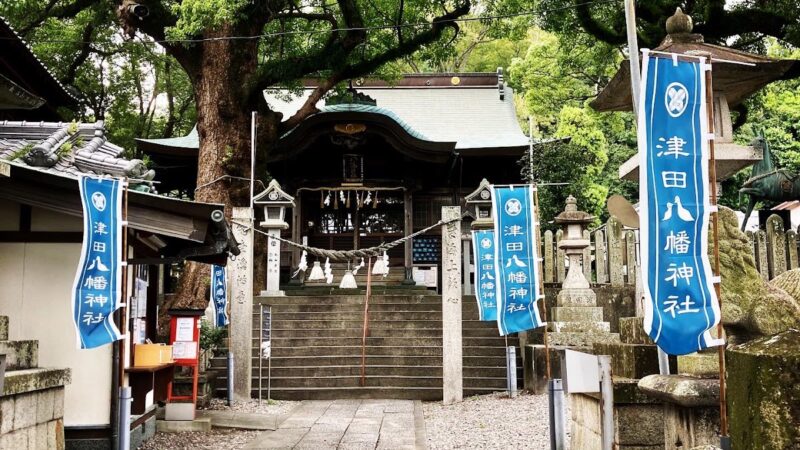
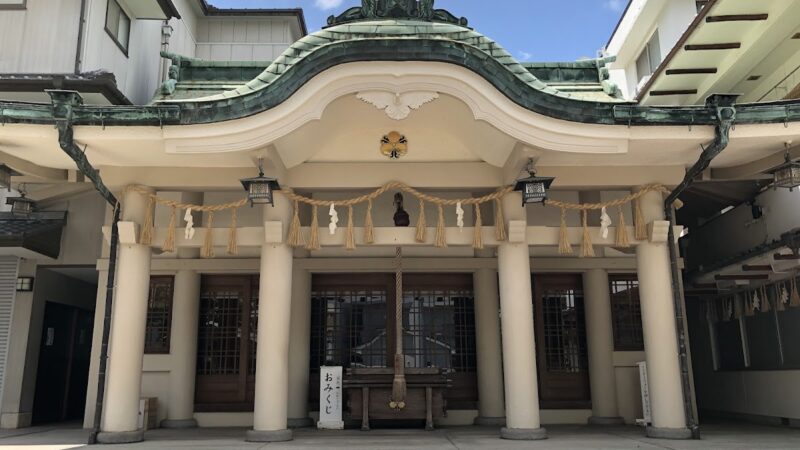
The shrine buildings of Kasuga Shrine preserve traditional shrine architectural styles. The main hall follows the Kasuga-zukuri style and, along with the worship hall, serves as the center of local faith.
Atmosphere of the Shrine Grounds
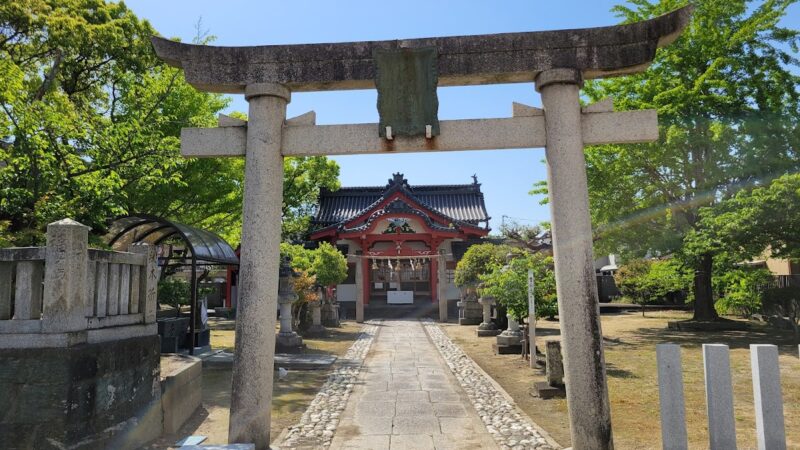
Although Kasuga Shrine is situated in a residential area, a tranquil atmosphere permeates the grounds, allowing visitors to forget the hustle and bustle of the city. Trees are planted throughout the grounds, allowing visitors to experience the changing seasons.
Komainu (Guardian Dogs) and Stone Monuments
Ancient guardian dogs (komainu) stand guard within the grounds, welcoming visitors. Stone monuments, which tell the story of the shrine’s history, also contribute to its profound historical significance.
Annual Events and Festivals
Spring Grand Festival
In spring, the Spring Grand Festival is held, attracting local residents. This important festival prays for a bountiful harvest and the prosperity of the region.
Autumn Grand Festival
The Autumn Grand Festival, a celebration of gratitude for the autumn harvest, is an important annual event at Kasuga Shrine. As a festival that preserves local traditions, it has been passed down through generations.
New Year’s Visit
At the start of the new year, local parishioners and neighboring residents visit the shrine for their first shrine visit of the year, praying for safety and well-being for their families throughout the year.
Geography and History of Shimosukenin-cho
Geographical Characteristics
Shimosukenin-cho is located in the northern part of Tokushima City and consists of five districts, from 1-chome to 5-chome. 3-chome, where Kasuga Shrine is located, is a developed residential area. The town is relatively flat and has good access to the center of Tokushima City.
Relationship with Rivers
The Sukenami River flows through the vicinity of Shimosukenin-cho, and the area once flourished as a key point for water transport. It is one of the areas that symbolizes Tokushima’s character as a “water city.”
Relationship with Tokushima Castle Town
During the Edo period, Shimosuketo-cho was located on the northern edge of Tokushima Castle Town and played an important role as a base for the defense and logistics of the castle town. The historical importance of this area is evident from the fact that Sukenami Hachiman Shrine, one of the 22 shrines of Tokushima Castle Town, is located nearby.
Nearby Shrines and Temples
Sukenami Hachiman Shrine (Hachiman Shrine)
Located at 4-18 Shimosuketo-cho, Sukenami Hachiman Shrine is a historically significant shrine, counted among the 22 shrines of Tokushima Castle Town. It was renamed Hachiman Shrine in 1870 (Meiji 3) and ranked as a local shrine. As the principal tutelary shrine of the Iho district, it supports local faith along with Kasuga Shrine.
Other Nearby Shrines
Many shrines are located within Tokushima City, and historical shrines such as Shinmei Shrine (Nakatsunejima-cho) are scattered throughout the surrounding areas.
Access Methods
Access by Public Transportation
From Tokushima Station:
- Take the Tokushima City Bus
- Travel time: Approximately 10-15 minutes
- A few minutes’ walk from the nearest bus stop
Access by Car
From Tokushima City Center:
- Take National Route 11 or the Prefectural Road
- Travel time: Approximately 5-10 minutes
- Parking: Use parking spaces within the temple grounds or nearby (details must be confirmed on-site)
From the Tokushima Expressway:
- Approximately 15 minutes from Tokushima IC
Address and Postal Code
〒770-0805 3-42 Shimosukenincho, Tokushima City, Tokushima Prefecture
Manners and Etiquette for Visiting a Shrine
Basic Visiting Etiquette
- Bow before passing through the torii gate: Show respect before entering the sacred area
- Purifying at the Water Basin: Purify your left hand, then your right hand, then your mouth.
- Worship at the Main Hall: The basic procedure is two bows, two claps, and one bow.
- Bow Upon Exiting: Before leaving through the torii gate, turn around and bow once.
Attire for Visiting
There are no specific dress code requirements, but clean attire that reflects the sacred nature of the place is desirable.
The Charm of Kasuga Shrine
A Faith Rooted in the Community
The greatest charm of Kasuga Shrine lies in its role as a beloved “guardian deity” of the local community. While not a large-scale tourist shrine, this allows visitors to experience the history and culture of the region firsthand.
A Quiet Worship Environment
Despite being located in a residential area, the shrine grounds maintain a tranquil atmosphere. It provides an environment where you can escape the hustle and bustle of everyday life and worship in peace.
Experiencing Tokushima’s History
Kasuga Shrine, located in Shimosukenin-cho, a town that preserves the history of Tokushima’s castle town, is a valuable place to experience Tokushima’s history firsthand. Visiting it along with nearby shrines such as Sukenami Hachiman Shrine will allow you to gain a deeper understanding of the region’s history.
Facilities and Life in Shimosukenin-cho
Major Facilities
Besides the shrine, Shimosukenin-cho has various facilities necessary for a residential area. It continues to develop as a convenient area close to the center of Tokushima City.
Transportation Convenience
It boasts excellent access to Tokushima Station and the city center, with a well-developed bus network. The grounds of Sukenami Hachiman Shrine are used as a stop for a mobile library, among other things, making it a community hub.
Advice for Visitors
Recommended Time to Visit
Kasuga Shrine is open year-round, but the following times are especially recommended:
- Hatsumode (January): Prayers for the New Year
- Spring Grand Festival: Visit while feeling the arrival of spring
- Autumn Grand Festival: Gratitude for the harvest and the atmosphere of autumn
Combining with Nearby Sightseeing
When visiting Kasuga Shrine, combining it with the following nearby spots will allow you to enjoy a more fulfilling Tokushima sightseeing experience:
- Suketo Hachiman Shrine: A historical shrine within walking distance
- Tokushima Castle Ruins: A historical spot in the heart of Tokushima City
- Shinmachi River Waterfront Park: A walking path where you can feel Tokushima’s water city culture
Regarding Photography
Photography is generally permitted on the shrine grounds, but consideration should be given to avoiding disturbing worshippers or festivals. There are also areas where photography is restricted, such as inside the main hall, so please check with shrine staff if you have any questions.
Kasuga Shrine and the Local Community
Relationship with Parishioners
Kasuga Shrine, as the tutelary shrine of Shimosuke-cho, is supported by the local residents (parishioners). It symbolizes the strong ties of the community through daily cleaning, maintenance, and the operation of festivals.
Preservation of Local Culture
Through the shrine’s festivals and annual events, traditional culture and customs are passed down to the next generation. Even in today’s increasingly urbanized world, it plays an important role in maintaining these community bonds.
Shrine Culture in Tokushima City
Characteristics of Shrines in Tokushima City
Numerous shrines are located in Tokushima City, each conveying the history and culture of the region. Many shrines, including the 22 shrines of Tokushima Castle town, have a history dating back to the feudal era, and Kasuga Shrine is one of them, supporting local faith.
Faith in the Iho District
The Iho district (the area north of the Yoshino River), where Kasuga Shrine is located, is home to several shrines, with Sukenami Hachiman Shrine serving as the main tutelary shrine. These shrines complement each other, forming the spiritual foundation of the entire region.
Summary
Kasuga Shrine (Shimosuketo-cho, Tokushima City, Tokushima Prefecture) is a historically significant shrine deeply rooted in the community, and continues to attract the faith of many people. Enshrining the deities of Kasuga Taisha, this shrine, known for its divine blessings of family safety, protection from misfortune and good fortune, and academic success, is a valuable presence that conveys the history of Tokushima’s castle town.
With easy access from central Tokushima City, the quiet grounds offer a healing space that allows you to forget the hustle and bustle of everyday life. When visiting Tokushima, be sure to visit Kasuga Shrine and experience the region’s history and culture.
Visiting both Kasuga Shrine and the nearby Sukenami Hachiman Shrine will allow you to more fully appreciate the history and depth of faith in Shimosuketo-cho. As a beloved local guardian deity, Kasuga Shrine will undoubtedly continue to be a spiritual pillar of Shimosuketo-cho.