Shisho Shrine (Tokushima Prefecture, Tokushima City) Complete Guide | From History, Goshuin (Shrine Seals), and Blessings to Highlights of the Grounds
Shisho Shrine, located in Fukushima 2-chome, Tokushima City, Tokushima Prefecture, is a venerable shrine boasting a history of over 1200 years. Affectionately known as “Fukushima no Myojin-san” by the local people, it is counted as one of the five major shrines in Tokushima City. This article comprehensively introduces all the information you need to know before visiting Shisho Shrine, including its history, enshrined deities, highlights of the grounds, goshuin information, and access methods.
Basic Information on Shisho Shrine
Location and Contact Information
Address: 3-40 Fukushima 2-chome, Tokushima City, Tokushima Prefecture
Phone Number: 088-622-3810
Hours of Reception for Goshuin: 8:00 AM – 5:00 PM
Shisho Shrine faces a major road in Tokushima City, making it easily accessible from the city center. The shrine grounds have a parking lot, so you can visit by car.
Deities Enshrined
Four deities are enshrined at Shisho Shrine.
- Takemikazuchi-no-Mikoto: Known as a god of war and thunder, believed to bring good fortune and protection from evil.
- Iwainushi-no-Mikoto: A deity who played an active role in the descent of the heavenly grandchild, believed to bring good fortune and guidance.
- Amenokoyane-no-Mikoto: A deity who presides over rituals, believed to bring academic success and family safety.
- Himegami: A goddess, believed to bring blessings for matchmaking and safe childbirth.
It is believed that the name “Shisho Shrine” (Four Shrines) comes from the fact that these four deities are enshrined there.
History and Origins of Shisho Shrine
Origin of Founding
Shisho Shrine is said to have originated in 807 AD (Daido 2). It is believed to have been founded during the early Heian period, in the reign of Emperor Saga, making it an ancient shrine with over 1200 years of history.
A legend remains that the shrine was relocated from an island called “Okame Senken” during the Daido era (806-810). “Okame Senken” was a settlement that once existed off the coast of Tokushima, and it is thought that the shrine was moved to its current location for some reason.
Names of Shisho Myojin and Shisho Daimyojin
In the past, it was called “Shisho Myojin” and “Shisho Daimyojin,” and was known by these names until the Edo period. After the Meiji Restoration’s separation of Shinto and Buddhism, it officially became known as “Shisho Shrine,” but it is still affectionately known locally as “Fukushima no Myojin-san.”
Deep Connection with the Tokushima Domain
Shisho Shrine is one of the “Five Shrines of Tokushima City,” established as the guardian shrine of Tokushima Castle, and has been deeply revered by successive generations of the Hachisuka clan, the lords of the Tokushima Domain.
Notably, records show that the lords always visited Shisho Shrine during their sankin-kotai (alternate attendance) journeys. The custom of praying for safe travels between Edo and Tokushima, and offering thanks upon their safe return, was passed down through generations. This demonstrates the importance of Shisho Shrine to the Tokushima Domain.
What are the Five Shrines of Tokushima City?
The Five Shrines of Tokushima City is a collective term for five shrines chosen as guardian deities of the Tokushima Castle town. In addition to Shisho Shrine, the following four shrines are included:
- Kasuga Shrine (Mayuyama-cho)
- Suwa Shrine (Minami-Sako)
- Hachiman Shrine (Iga-cho)
- Kotohira Shrine (Seimi-cho)
These five shrines were positioned around Tokushima Castle and played a crucial role in protecting the entire castle town. Even today, they remain indispensable to understanding the history of Tokushima City.
Tokushima City Heritage Designation
The historical and cultural value of Shisho Shrine has been recognized, and it has been designated a “Tokushima City Heritage Site.” This designation signifies that it is a regional treasure that Tokushima citizens should cherish and pass on, demonstrating that Shisho Shrine remains an important cultural asset even today.
Highlights of the Shrine Grounds
Tokushima City’s First Designated Preserved Tree: The Sacred Tree
The most striking feature of the Shisho Shrine grounds is the enormous pine tree, estimated to be over 400 years old. This pine is designated as Tokushima City’s First Preserved Tree and is cherished as a symbol of Shisho Shrine.
This towering pine tree is visible from afar and serves as a landmark for visitors to Shisho Shrine. Its trunk circumference is several meters, and its majestic presence speaks of a long history.
The Nickname “Owl Tree”
This sacred tree has the nickname “Owl Tree.” Until about 40 years ago, owls always nested in this pine tree, and it was beloved by the local people. Owls are considered auspicious birds due to their kanji characters (which can be interpreted as “no hardship” or “bringing good fortune”), further contributing to the sacredness of this pine tree.
Although owls can no longer be seen here, the nickname continues, and many worshippers visit to feel the power of the sacred tree.
Unique Komainu (Guardian Dogs)
Within the grounds of Shisho Shrine, there are unique komainu (guardian dogs) unlike those found at other shrines. These guardian lion-dogs, with their expressive faces and unique forms, have become a topic of conversation among visitors and are a popular photo spot.
Guardian lion-dogs are placed as guardian deities of shrines, and the ones at Shisho Shrine have also watched over the grounds for many years. Their unique appearance is well worth seeing.
Deer on the Shrine Grounds
Elements related to deer can also be seen on the grounds of Shisho Shrine. Deer have long been considered messengers of the gods and have had a deep connection with shrines, and they hold significant meaning at Shisho Shrine as well.
Shrine Buildings and Subsidiary Shrines
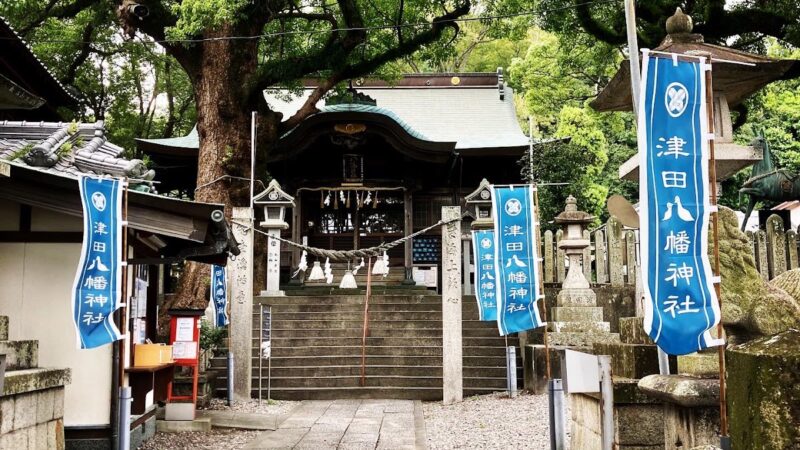
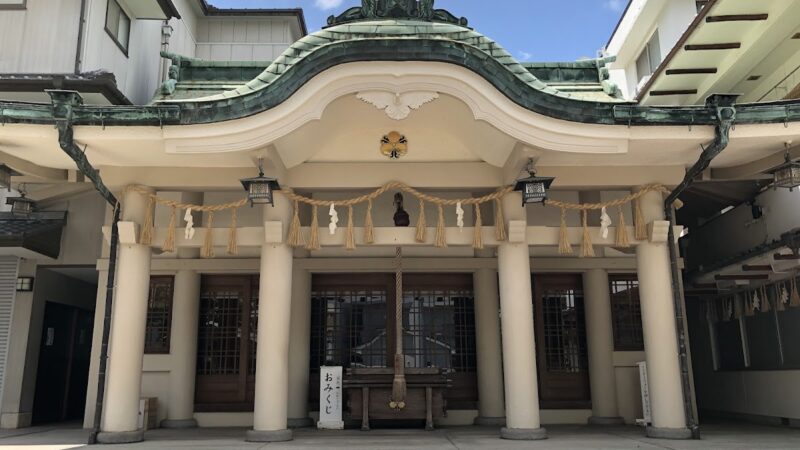
The shrine buildings of Shisho Shrine maintain traditional shrine architectural styles while being properly maintained. Both the main hall and the worship hall exude a solemn atmosphere, providing visitors with a sacred space.
Several subsidiary shrines are also enshrined on the grounds, each said to offer different blessings. It is recommended to visit these subsidiary shrines when praying at the main hall.
Legends and Mysterious Stories
The Legend of Okame Senken
The legend of “Okame Senken,” which is related to the origin of Shisho Shrine, is passed down as one of Tokushima’s historical mysteries.
According to the legend, there was once a prosperous settlement called “Okame Senken” off the coast of Tokushima. It is said that a shrine, the predecessor of Shisho Shrine, was enshrined in this settlement. However, due to some disaster or incident, this settlement was lost, and only the shrine was relocated to its current location in Fukushima.
Young People and Mysterious Events
Among the legends surrounding Shisho Shrine, there are also mysterious stories involving young people and the shrine. Although many details have been lost over time, it can be seen that the shrine was the center of faith for the local people and the stage for various events.
Historical Discontinuity and Reconstruction
Throughout the long history of Shisho Shrine, epidemics, wars, and disasters have occurred repeatedly, resulting in the loss of many legends and records. Detailed records are believed to have been lost, particularly during the turbulent period from the Sengoku period to the early Edo period.
However, thanks to the faith and efforts of the local people, the shrine has been preserved and continues to be affectionately known as “Fukushima’s Myojin-san” to this day. In recent years, shrine officials have been actively working to uncover and disseminate historical information, leading to the rediscovery of lost history.
Festivals and Annual Events
Annual Festival
Shisho Shrine holds its annual festival every year. This is the most important festival for the shrine, where gratitude is offered to the enshrined deity and prayers are offered for the peace and prosperity of the region.
During the festival, many parishioners and local residents attend, and traditional Shinto rituals are solemnly performed. Processions of portable shrines and offering ceremonies are also held, enveloping the entire region in a festive atmosphere.
Other Annual Events
In addition to the annual festival, Shisho Shrine holds various Shinto rituals throughout the year.
- Hatsumode: Many worshippers visit the shrine in the new year to pray for safety and happiness throughout the year.
- Setsubun Festival: Events such as bean-throwing are held to pray for protection from evil.
- Natsukoshi no Oharae: A Shinto ritual to purify and cleanse away the impurities accumulated over the past six months.
- Shichi-Go-San: A celebration of children’s growth and prayers for their healthy development.
For detailed dates and information on each event, please contact the shrine directly or check the official information.
Goshuin Information
Goshuin Issuance
Shisho Shrine offers goshuin (shrine stamps). The reception hours are from 8:00 to 17:00, and you can receive a goshuin during these hours.
Goshuin are popular among many worshippers as proof of their visit and as a way to forge a connection with the shrine. The goshuin (temple/shrine stamp) at Shisho Shrine is characterized by its meticulous ink writing and red seal, and will be inscribed in your goshuincho (stamp book).
Manners for Receiving a Goshuin
When receiving a goshuin, please observe the following manners:
- Complete your visit first: The goshuin is proof of your visit, so always visit the main shrine first before going to the goshuin office.
- Prepare your goshuincho: It is customary to have the goshuin inscribed in your goshuincho.
- Prepare the offering: It is thoughtful to have small change ready to avoid needing change.
- Use polite language: Treat the Shinto priests with respect.
Goshuin of Other Shrines
Shisho Shrine oversees several other shrines, and you may be able to obtain goshuin for those shrines at Shisho Shrine. Please inquire at the goshuin office for details.
Benefits and Faith
Main Benefits
The benefits bestowed by the deities enshrined at Shisho Shrine are diverse.
- Victory and Success: Due to the nature of Takemikazuchi-no-Mikoto as a god of war, prayers are offered for success in competitions, examinations, and other endeavors.
- Protection from Misfortune and Disaster: Protection from misfortune through powerful divine authority.
- Good Fortune and Guidance: Good guidance in life from Saishu-no-Mikoto.
- Academic Achievement: Improvement in academics through the wisdom of Amenokoyane-no-Mikoto.
- Family Safety: Health and peaceful living for the family.
- Matchmaking and Safe Childbirth: Protection for good relationships and safe childbirth from Himegami.
Guardian Shrine of the Itō District
Shisho Shrine has served as the guardian shrine of the Itō district, playing the role of a protector of the entire region. A “Sōchinju” is a central shrine that protects a specific region and serves as the center of faith for the local residents.
Even today, many worshippers visit to pray for the safety and prosperity of the region, and it continues to be affectionately known as “Fukushima’s Myōjin-san.”
Sankin-kōtai and Safe Travels
Due to its history of being a place of worship for the lords of the Tokushima domain during their sankin-kōtai (alternate attendance) journeys, Shisho Shrine is also believed to offer blessings for safe travels and traffic safety. Even today, many people visit before traveling or long-distance journeys.
Access and Transportation Information
Access by Public Transportation
From JR Tokushima Station:
- Approximately 25 minutes on foot
- By bus: Get off at the “Fukushima 2-chome” bus stop (Tokushima City Bus), approximately 3 minutes on foot
While Shisho Shrine is a relatively long distance from Tokushima Station, walking through the city of Tokushima while strolling along the way is also enjoyable. Along the way, you can see the ruins of Tokushima Castle and Mount Bizan, allowing you to experience Tokushima’s history and nature as you make your way to the shrine.
Access by Car
Shisho Shrine is located on a major road in the city, making it easily accessible by car.
From the Tokushima Expressway:
- Approximately 15 minutes from Tokushima IC
Parking: There is a parking lot for visitors on the shrine grounds.
Because it faces a main road, it is relatively easy to find even for first-time visitors. A large pine tree visible from afar serves as a landmark.
Nearby Tourist Attractions
When visiting Shisho Shrine, we recommend also visiting nearby tourist attractions.
- Tokushima Castle Ruins/Tokushima Central Park: The site of the castle of the Hachisuka family of the Tokushima Domain (approx. 10 minutes by car)
- Mt. Bizan: A mountain that is a symbol of Tokushima City (approx. 15 minutes by car)
- Awa Odori Hall: A facility where you can experience Tokushima’s traditional culture (approx. 10 minutes by car)
- Other Shrines in Nakagosha, Tokushima City: The “Five Shrine Pilgrimage,” which visits Kasuga Shrine, Suwa Shrine, Hachiman Shrine, and Kotohira Shrine, is also popular.
Shisho Shrine’s Present and Future Initiatives
Strengthening Information Dissemination
In recent years, Shisho Shrine has been actively disseminating information through official note and social media such as Instagram. Efforts are underway to convey the charm of Shisho Shrine to more people by introducing its history, anecdotes, and festival scenes.
Official Instagram: @shisyojinja
These official accounts post seasonal photos of the shrine grounds, event information, and interesting historical information. By following them, you can learn about the “present” of Shisho Shrine. ### Rediscovering History Project
Efforts are underway to reconstruct the history of Shisho Shrine by unearthing records and traditions lost over its long history. Through research of ancient documents, interviews with local elders, and investigations of related historical sites, gaps in history are gradually being filled.
As a Center of the Local Community
Shisho Shrine is not merely a tourist spot; it also plays a central role in the local community. Through festivals and annual events, it deepens the bonds among local residents and serves as a place for passing on traditional culture to future generations.
Points and Manners for Visiting the Shrine
Etiquette for Visiting the Shrine
When visiting Shisho Shrine, please observe the following basic etiquette.
- Bow before passing through the torii gate: This is a greeting before entering the sacred area.
- Purify yourself at the water basin: Purify your left hand, then your right hand, then your mouth.
- Walk along the edge of the path: The center is considered the path of the gods.
- Worship at the main hall: Two bows, two claps, and one bow is the basic form.
- Worship at the subsidiary shrines: In addition to the main shrine, please also pay your respects at the subsidiary shrines.
- Bow at the torii gate when leaving: With gratitude.
Regarding Photography
Photography is generally permitted on the shrine grounds, but please note the following:
- Do not take photos in areas where photography is prohibited, such as inside the main hall.
- Refrain from taking photos during festivals or other times when photography should be avoided.
- Be considerate of other worshippers.
- When posting on social media, remember to show respect to the shrine.
Recommended Visiting Time
Shisho Shrine has different charms depending on the time of day.
- Early Morning: You can visit the shrine slowly in a quiet and refreshing atmosphere.
- Daytime: You can receive a Goshuin (shrine stamp) and take your time to explore the grounds.
- Evening: The sacred tree is beautifully illuminated by the setting sun.
The reception hours for receiving Goshuin are from 8:00 to 17:00, so please visit within these hours if you wish to receive a Goshuin.
Summary
Shisho Shrine (Tokushima City, Tokushima Prefecture) is a venerable shrine with a history of over 1200 years, said to have been founded in 807 AD. As one of the five major shrines in Tokushima City and the guardian shrine of the Ito district, it has long been a place of worship for the local people.
The fact that it received deep reverence from the Hachisuka clan, the lords of the Tokushima domain, and that they always visited it during their sankin-kotai (alternate attendance) journeys, speaks to the high status of Shisho Shrine.
The shrine grounds are full of attractions, including a 400-year-old sacred tree designated as Tokushima City’s first protected tree, and unique guardian lion-dogs. You can receive various blessings from the four deities enshrined there—Takemikazuchi-no-Mikoto, Saishu-no-Mikoto, Amenokoyane-no-Mikoto, and Himegami—for good fortune, protection from evil, academic success, and finding love.
Shisho Shrine, affectionately known as “Fukushima’s Myojin-san,” is a must-visit shrine when you’re in Tokushima City. You can quietly pray in the historic grounds, receive a Goshuin (shrine stamp), and have a valuable experience of touching Tokushima’s history and culture.
Located about a 25-minute walk from Tokushima Station and easily accessible by car, Shisho Shrine is definitely worth a visit during your Tokushima sightseeing trip.