Shiinomiya Hachiman Shrine (Tokushima Prefecture) Complete Guide | History, Deities, Azalea Blooming Season, and Access Information
Shiinomiya Hachiman Shrine, located at the northwestern foot of Mt. Bizan in Tokushima City, is a shrine affectionately known locally as “Shiinomiya-san.” Every year from late April to early May, approximately 3,000 azaleas bloom, making it a popular recreational spot for Tokushima citizens and a designated “Tokushima Citizen’s Heritage Site.” This article provides a detailed explanation of Shiinomiya Hachiman Shrine’s history, deities, highlights within the grounds, festivals, and access information.
What is Shiinomiya Hachiman Shrine?
Shiinomiya Hachiman Shrine is located in Minami-Sako 7-bancho, Tokushima City, Tokushima Prefecture, on the slopes of Mt. Sako Mannen, at the foot of Mt. Bizan. Also known as “Shiinomiya Shrine,” the area surrounding Shiinomiya Hachiman Shrine is developed as “Shiinomiya Park.”
Basic Information
- Location: Minami-Sako 7-bancho, Tokushima City, Tokushima Prefecture (Sakoyama-cho 1-chome)
- Former Shrine Rank: Village Shrine
- Common Name: Shiinomiya-san, Tengu Shrine (Local Name)
- Main Features: Approximately 3,000 azalea bushes, 152 stone steps, Tengu mask
- Designation: Selected as a Tokushima City Heritage Site
Located close to the center of Tokushima City, this shrine is beloved by the citizens and offers a place to enjoy the beauty of the four seasons.
History of Shiinomiya Hachiman Shrine
The history of Shiinomiya Hachiman Shrine dates back to the early Edo period.
History of Founding and Relocation
Shiinomiya Hachiman Shrine was originally located in Yasomura, Myoto-gun (also known as Ko-Hachiman). It is said that the shrine was relocated to its current location in Sho during the Kanbun era (1661-1673). Counting from this relocation, the shrine boasts a history of over 350 years.
While detailed records of the relocation from Yasami Village to its current location at the foot of Mt. Sakomannen are not available, it is believed that regional development and the shift of religious centers in Awa Province at the time played a role.
Changes Since the Modern Era
Under the Meiji-era shrine system, it was designated a village shrine and revered as the local tutelary deity. In 1930, approximately 3,000 azalea bushes were planted on the eastern slope of the shrine grounds, which now form the representative landscape of Shiimiya Hachiman Shrine.
After World War II, it was developed as Shiimiya Park, and the shrine grounds and park have developed into a public recreational area. Since the Heisei era, it has been designated a “Tokushima Citizen’s Heritage Site” and is protected and utilized as a valuable cultural asset of Tokushima City.
Deities and Divine Virtues
Several deities are enshrined at Shiimiya Hachiman Shrine.
Main Deity
Honda-wake no Mikoto
Another name for Emperor Ojin, this deity is worshipped at Hachiman shrines throughout Japan. He is believed to bestow blessings of military success, national protection, and industrial prosperity.
Konohanasakuya-hime no Mikoto
A beautiful goddess known as the deity of Mount Fuji, she bestows blessings of safe childbirth, child-rearing, and protection from fire. She is also worshipped as the goddess of cherry blossoms and flowers, and is deeply connected to the azaleas of Shiimiya Hachiman Shrine.
Enshrined Deities
Sarutahiko no Kami
Known as the god of opening paths, he bestows blessings of guidance in life, traffic safety, and protection from misfortune.
Oichihime-no-Mikoto
A deity worshipped as the guardian deity of markets and commerce.
Sakae-Okami
Enshrined as the deity who presides over prosperity and development.
Due to these enshrined deities, Shiimiya Hachiman Shrine is revered as a shrine with diverse divine blessings, including military success, safe childbirth, business prosperity, and traffic safety.
Highlights of the Shrine Grounds
The grounds of Shiimiya Hachiman Shrine boast numerous attractive spots where history and nature harmonize.
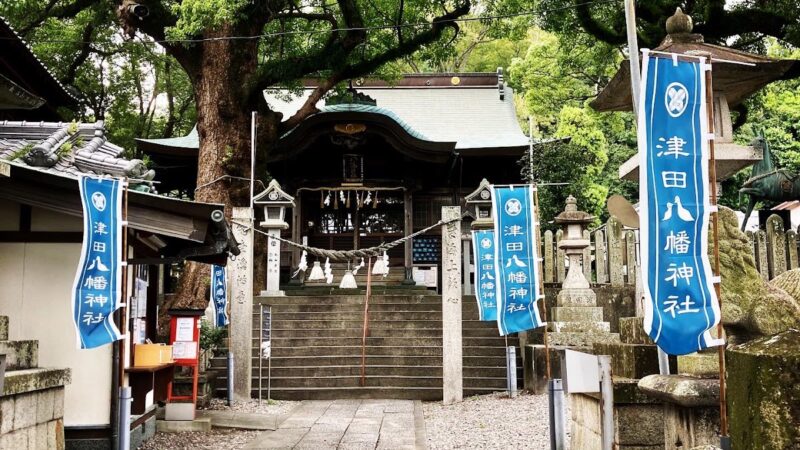
152-Step Stone Staircase
The first thing visitors to Shiimiya Hachiman Shrine see is the long stone staircase leading to the main hall. The 152 steps are a sacred path that encourages worshippers to prepare themselves for entering the sacred area.
A large torii gate stands at the end of a straight road, which appears to be the old approach, and beyond it, the path leading to the shrine grounds begins. As you climb the stone steps, step by step, you can feel the nature of Mount Bizan, and at the top, a panoramic view of Tokushima city unfolds.
Tengu Mask
A Tengu mask is displayed at the entrance to the main shrine, which is the origin of the local people’s nickname, “Tengu Shrine.” Tengu are associated with mountain worship, making them a fitting symbol for Shiimiya Hachiman Shrine, located at the foot of Mount Bizan.
The Tengu mask has the meaning of warding off evil and misfortune, and serves to protect worshippers.
Approximately 3,000 Azaleas
The biggest highlight of Shiimiya Hachiman Shrine is the approximately 3,000 azaleas that adorn the eastern slope of the shrine grounds. Planted in 1930, these azaleas have grown splendidly over more than 90 years, and bloom magnificently every year from late April to early May. The sight of the slopes covered in azaleas of various colors—red, white, and pink—is breathtaking, making it one of Tokushima City’s most famous azalea viewing spots. During the blooming season, many citizens and tourists visit to enjoy photography and strolling.
The best time to see the azaleas is usually from late April to early May, but this can vary depending on the weather. If you plan to visit during the peak blooming season, it’s recommended to check the blooming status beforehand.
Shiimiya Park
Shiimiya Park, integrated with the shrine grounds, is maintained as a place of relaxation for citizens. Even outside of azalea season, the quiet environment with the green of Mount Bizan as a backdrop is ideal for strolling and refreshing oneself.
Walking paths are maintained within the park, allowing you to stroll slowly while enjoying nature. Benches are also provided, so you can rest after visiting the shrine and enjoy the view of Tokushima city.
Shrine Precincts
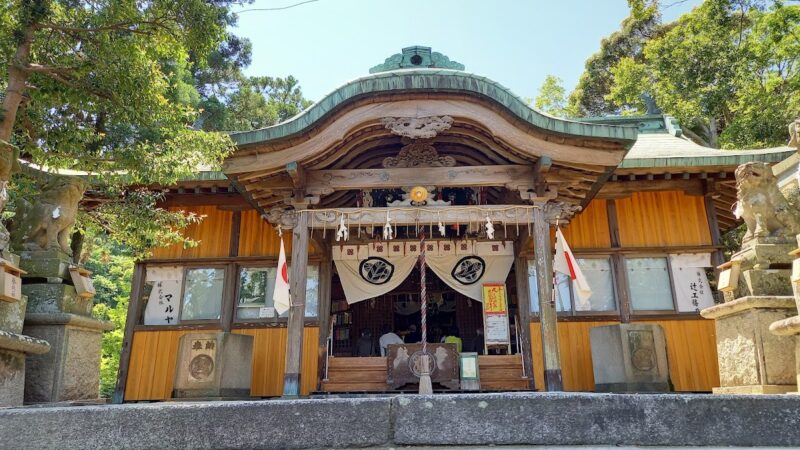
Several subsidiary shrines (subsidiary shrines and minor shrines) are enshrined around the main shrine building. These small shrines each house their own deities and are revered by the local community. Visiting these smaller shrines while exploring the grounds will deepen your pilgrimage experience.
Annual Events and Festivals
Shiimiya Hachiman Shrine holds various festivals throughout the year.
Azalea Festival
Every year in early May, the “Azalea Festival” is held in grand style to coincide with the blooming of the azaleas. This festival is the biggest event at Shiimiya Hachiman Shrine and attracts many worshippers and tourists.
The Azalea Festival features local stalls and events, drawing families and photography enthusiasts. The shrine grounds, with their azaleas in full bloom, truly represent the quintessential spring scenery of Tokushima.
Other Annual Events
- Hatsumode (First Shrine Visit of the New Year): Many worshippers visit the shrine in the new year to pray for safety and prosperity throughout the year.
- Reitaisai (Grand Festival): As the most important festival of the shrine, traditional Shinto rituals are performed.
- Tsukimisai (Monthly Festival): A festival held regularly every month to pray for the peace and security of the community.
These festivals also play a role in strengthening community ties, demonstrating that Shiimiya Hachiman Shrine is not merely a tourist spot, but a living place of faith.
Access and Transportation Information
Here’s how to access Shiimiya Hachiman Shrine.
Access by Public Transportation
Using JR
- Approximately 25-30 minutes on foot from JR Tokushima Station
- Approximately 15-19 minutes on foot from JR Kuramoto Station (nearest station)
Access from Kuramoto Station is the most convenient. Walk northwest from the station towards Mount Bizan. After passing through the residential area, you will see the large torii gate of Shiimiya Hachiman Shrine.
If using a local bus:
Take a Tokushima City Bus or Tokushima Bus and get off at a bus stop towards Sako. It’s about a 10-minute walk from there. We recommend checking the Tokushima City Transportation Bureau or Tokushima Bus websites for specific bus routes and timetables.
Access by car:
From the Tokushima Expressway:
- Approximately 15 minutes from Tokushima IC
- Take National Route 11 or a prefectural road towards Tokushima city center.
Parking:
There is parking space for visitors at Shiimiya Park, but it can become full during peak times such as the Azalea Festival. There are coin-operated parking lots nearby, but the number is limited, so consider using public transportation.
Address and Location Information
- Address: Minami-Sako 7-bancho, Tokushima City, Tokushima Prefecture (or Sakoyama-cho 1-chome)
- Landmark: Northwestern foot of Mt. Bizan, at the foot of Mt. Sakomannen
From central Tokushima City, head towards Mt. Bizan. You will see signs once you enter the Sako area. Searching for “Shiimiya Hachiman Shrine” or “Shiimiya Park” on your car navigation system or smartphone map app will show the exact location.
Nearby Tourist Attractions
When visiting Shiimiya Hachiman Shrine, you can enhance your Tokushima sightseeing experience by also visiting nearby tourist attractions.
Mt. Bizan
Mt. Bizan, towering behind Shiimiya Hachiman Shrine, is a symbol of Tokushima City. Taking the Bizan Ropeway to the summit offers breathtaking views of Tokushima city, the Yoshino River, and, on a clear day, even Awaji Island.
Tokushima Castle Ruins & Tokushima Central Park
Located in the heart of Tokushima City, the Tokushima Castle Ruins were the residence of the Hachisuka family, who ruled Awa Province. Currently, the site is maintained as Tokushima Central Park, with stone walls, moats, and gardens remaining. It is also known as a famous cherry blossom viewing spot.
Awa Odori Hall
This facility allows visitors to experience Tokushima’s traditional performing art, “Awa Odori,” year-round. The Bizan Ropeway station is also located here, and visitors can learn about the history and culture of Awa Odori.
Suwa Shrine & Yasaka Shrine
Within a 15-minute walk from Shiimiya Hachiman Shrine, there are other shrines such as Suwa Shrine and Yasaka Shrine. Enjoying a shrine tour is also recommended.
Manners and Tips for Visiting
Here are some tips for visiting Shiimiya Hachiman Shrine, including proper etiquette and ways to enhance your experience.
Basic Worship Etiquette
- Bow before passing through the torii gate: As a sign of respect before entering the sacred area, bow before the torii gate.
- Walk along the edge of the path: The center of the path is considered the path of the gods, so walk along the edge.
- Purify yourself at the water basin: If there is a water basin, purify your hands and mouth.
- Etiquette at the main hall: The basic procedure is two bows, two claps, and one bow.
- Bow deeply twice.
- Clap your hands twice.
- Recite your wish silently.
- Finally, bow deeply once.
Enjoying the 152 Stone Steps
Climbing the stone steps is part of the worship experience. Instead of rushing, we recommend taking your time, stepping deliberately and calming your mind as you ascend. Looking back along the way, you’ll see a panoramic view of Tokushima city, and enjoy the changing scenery as you climb.
If you’re not confident in your physical stamina, climb at a comfortable pace, taking breaks as needed.
How to Enjoy the Azalea Season
The azalea season, from late April to early May, is the most beautiful time to visit Shiimiya Hachiman Shrine.
- Early Morning Visit: There are fewer people, allowing for a peaceful visit. The azaleas illuminated by the morning sun are especially beautiful.
- Photography: The combination of colorful azaleas, stone steps, and the main shrine makes for an excellent photo spot.
- Stroll: Walk along the well-maintained promenade that winds through the azaleas, enjoying the flowers from various angles.
It gets crowded during the Azalea Festival, but that’s also part of the festival atmosphere.
Charms of the Four Seasons
Besides the azalea season, Shiimiya Hachiman Shrine has its own unique charm in each of the four seasons.
- Spring: A beautiful season with azaleas and lush greenery.
- Summer: The greenery of Mount Bizan deepens, and the shade of the trees is cool.
- Autumn: Autumn leaves color the shrine grounds, creating a tranquil atmosphere.
- Winter: Fewer visitors, allowing for a peaceful and serene experience.
Cultural Value of Shiimiya Hachiman Shrine
Shiimiya Hachiman Shrine is not merely a tourist spot; it holds significant cultural value as a cultural heritage site of Tokushima City.
Significance as a Tokushima Citizen’s Heritage Site
Shiimiya Hachiman Shrine has been designated a “Tokushima Citizen’s Heritage Site.” This means it has been recognized as a local treasure that Tokushima citizens cherish.
Citizen’s Heritage sites include not only historical buildings, but also tangible and intangible assets closely linked to the lives of citizens, such as local memories, culture, and nature. The following factors contributed to Shiimiya Hachiman Shrine’s selection:
- Value as a shrine with over 350 years of history
- Landscape as a famous azalea spot since the early Showa period
- A central hub of the local community, affectionately known as “Shiinomiya-san”
- An environment in harmony with the nature at the foot of Mt. Bizan
As a center of local faith
Shiinomiya Hachiman Shrine has been revered by local residents as the tutelary shrine of the Sako district and surrounding areas. It is a place visited at important life events such as New Year’s visits, Shichi-Go-San (a traditional rite of passage for children), and exorcisms, and is cherished across generations.
The fact that locals affectionately call it “Shiinomiya-san” or “Tengu Shrine” demonstrates the deep roots of the shrine in the community.
Nature conservation and landscape preservation
The vegetation within the shrine grounds, including approximately 3,000 azalea bushes, has been carefully protected for over 90 years. This is a testament to the efforts of local residents and shrine officials, and it is valuable from an environmental conservation perspective as a precious green space in an urban area.
The development of Shiimiya Park has harmonized the religious function of the shrine with the public function of the park, creating a space open to a wider audience.
Summary of the Charms of Shiimiya Hachiman Shrine
Shiimiya Hachiman Shrine is a historical shrine located at the foot of Mt. Bizan in Tokushima City, and possesses the following diverse attractions:
- Over 350 Years of History: A venerable shrine with a history dating back to its relocation during the Kanbun era.
- Diverse Divine Virtues: A wide range of blessings from the enshrined deities, including Hondawake-no-Mikoto and Konohanasakuya-hime-no-Mikoto.
- 3,000 Azaleas: A breathtaking sight when they bloom from late April to early May every year.
- 152 Stone Steps: A majestic approach leading to the sacred grounds.
- Tengu Mask: A distinctive decoration at the entrance to the main hall.
- Citizen Heritage: Cultural value recognized as a Tokushima Citizen Heritage site.
- Easy Access: Close to the center of Tokushima City, within walking distance of Kuramoto Station.
- Enjoying the Seasons: Enjoy nature throughout the year, not just during azalea season.
Shiinomiya Hachiman Shrine, affectionately known as “Shiinomiya-san” by the local community, provides healing and vitality to visitors. When you visit Tokushima, be sure to stop by. Especially during the azalea season, a breathtaking spectacle of red, white, and pink blossoms awaits you.
Climbing the 152 stone steps one by one, being greeted by a Tengu mask, and offering your prayers at the main shrine—and then turning back to see the azalea-adorned grounds and the city of Tokushima spread out before you—a visit to Shiimiya Hachiman Shrine will surely become a memorable experience.
Shiimiya Hachiman Shrine, where history and nature, faith and culture harmonize, is a treasure that Tokushima City is proud of. We hope that both locals and tourists will fully appreciate the charm of this shrine.