
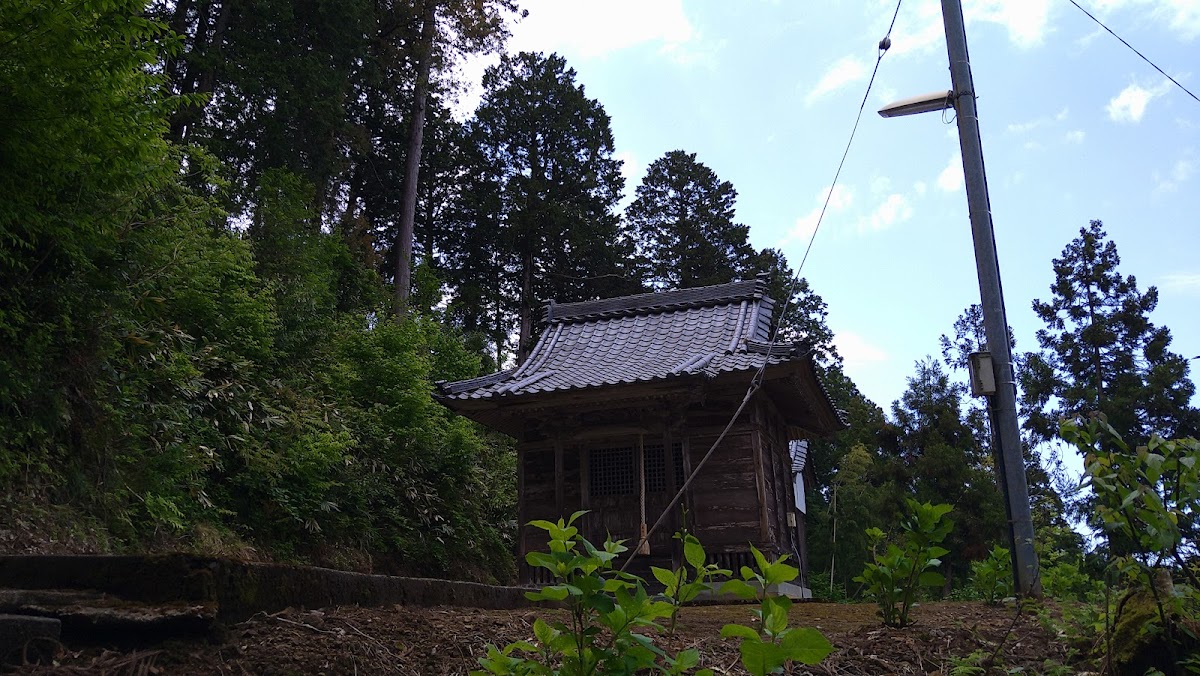
Hikawa Shrine (6-1 Ikube-cho, Fukui City, Fukui Prefecture) Complete Guide
Hikawa Shrine, located in Ikube-cho, Fukui City, Fukui Prefecture, is a shrine that attracts the faith of the local community. This article provides comprehensive information useful for those considering visiting Hikawa Shrine or those interested in local history, from detailed information about the shrine to its surrounding environment and access methods.
Basic Information about Hikawa Shrine
Location and Contact Information
Hikawa Shrine is located at 6-1 Ikube-cho, Fukui City, Fukui Prefecture. The postal code is 〒919-0314. This area is somewhat removed from the center of Fukui City and is known as a shrine where visitors can worship in a quiet environment.
Corporate Information
Hikawa Shrine’s corporate number is “4210005001992”. This corporate number was assigned on October 5, 2015 (Monday). The corporate number system makes the official registration information as a religious corporation public, confirming the shrine’s official existence.
Deities and History
The name Hikawa Shrine is a widely distributed shrine name throughout Japan. Generally, Hikawa Shrines often enshrine Susanoo-no-Mikoto as their principal deity, and are frequently found in the Kanto region, particularly in Musashi Province. The Hikawa Shrine in Ikube-cho, Fukui City, Fukui Prefecture, may also follow this traditional faith.
In Japanese mythology, Susanoo-no-Mikoto is a brave god known for slaying the Yamata-no-Orochi (eight-headed serpent), and is believed to bestow divine blessings such as protection from evil, disaster, and matchmaking. He has long been revered as a guardian deity of the region.
Relationship with Hikawa Shrines Nationwide
Distribution of Hikawa Shrines
There are 226 Hikawa Shrines nationwide. This is a relatively large number for a shrine name, indicating that a specific faith area is widespread. The most famous is Musashi Ichinomiya Hikawa Shrine in Saitama City, Saitama Prefecture, which boasts a history of over 2,000 years and is the center of Hikawa worship throughout the Kanto region.
Hikawa Shrines in Fukui Prefecture
In addition to the Hikawa Shrine in Ikube-cho, there are several other Hikawa Shrines in Fukui City, Fukui Prefecture. For example:
- Sunagoda-cho Hikawa Shrine (Corporate Number: 8210005001989, Address: 18-46 Sunagoda-cho, Fukui City, Fukui Prefecture, Postal Code: 910-3141)
- Wada-cho Hikawa Shrine (Corporate Number: 5210005001991, Address: 17 Takahata, Wada-cho, Fukui City, Fukui Prefecture, Postal Code: 918-8235)
These shrines each carry on the Hikawa faith while rooted in different local communities. Fukui City in Fukui Prefecture boasts a high density of shrines, with 443 shrines in total.
Fukui City’s Shrine Culture
Historical Background of Shrines
Fukui City has flourished since ancient times as the center of Echizen Province. It developed as a castle town of the Fukui Domain, and many shrines and temples were built. The number of shrines, 443, speaks to the depth of the region’s history and the strength of its faith.
The Role of Shrines in the Community
Even today, shrines remain central to local communities. They function as places where residents gather for life’s milestones and seasonal events such as New Year’s visits, Shichi-Go-San (a traditional rite of passage for children), exorcisms, and ground-breaking ceremonies. Hikawa Shrine in Ikube-cho is also believed to be a local guardian deity, attracting the faith of residents.
How to Access Hikawa Shrine
Access by Car
Ikube-cho in Fukui City is located away from the city center, making access by car convenient. It can be accessed from central Fukui City via national and prefectural roads. We recommend checking the availability of parking in advance.
Access by Public Transportation
To find the distance from the nearest bus stop or train station, you will need to check the information on Fukui City’s community buses and regular bus routes. Since public transportation around Ikube-cho may be limited, we recommend checking Fukui City’s transportation information before your visit.
Landmarks in the Area
The address, Ikube-cho 6-1, indicates that it is a designated land parcel in the area. You can confirm the exact location by searching for “Hikawa Shrine, Fukui City, Ikube-cho” on your car navigation system or smartphone map app.
Map of the Area Around Hikawa Shrine
Geographical Environment
Ikube-cho, Fukui City, is located in the suburbs of Fukui City and enjoys a relatively natural environment. The surrounding area is characterized by rural landscapes, making it a quiet place to visit.
Surrounding Facilities
Around the shrine, there are local community centers, elementary schools, and farmland, creating a typical rural Fukui settlement landscape. When visiting a shrine, you can also enjoy the local nature and culture.
Using Digital Maps
By searching for “6-1 Ikube-cho, Fukui City, Fukui Prefecture” or “Hikawa Shrine Ikube-cho” on online map services such as Google Maps or Yahoo! Maps, you can check the exact location and surrounding environment. Using satellite imagery mode, you can also understand the layout of the shrine grounds and the surrounding topography.
List of Nearby Shrines
Major Shrines in Fukui City
Fukui City has 443 shrines, and several are scattered around Ikube-cho. Major shrines include:
Major Shrines Belonging to the Fukui Prefectural Shrine Association
- Ashiwa Shrine (Ashiwa-kami-cho, Fukui City)
- Sakae-no-sha Shrine (Ote, Fukui City)
- Kegaya Kuro-ryu Shrine (Keya, Fukui City)
These are representative shrines of Fukui City, with long histories and many visitors.
Shrines around Ikube-cho
Several small shrines, revered as local guardian deities, exist in the areas surrounding Ikube-cho. Visiting these shrines (“shrine pilgrimage”) is a good opportunity to learn about the local history and culture.
Comparison with other Hikawa Shrines
As mentioned above, there are also Hikawa Shrines in Sunagoda-cho and Wadanaka-cho within Fukui City. Each shrine has its own independent corporate number and belongs to a different local community, but they share a common foundation of Hikawa worship.
Manners and Etiquette for Visiting a Shrine
Basic Etiquette for Visiting a Shrine
There are basic manners for visiting a shrine:
- Bow before passing through the torii gate: This is a courtesy when entering the sacred area.
- Purify yourself at the water basin: Purify your left hand, right hand, and mouth in that order.
- Two bows, two claps, and one bow: This is the basic way to bow in front of the main hall.
- Bow again after passing through the torii gate: This is a courtesy when leaving the sacred area.
Clothing and Belongings
Unless you are receiving a special prayer, everyday clothing is acceptable for visiting a shrine, but clean and modest attire is preferable. It is considered good manners to remove your hat before passing through the torii gate.
Photography
Photography is generally permitted on the shrine grounds, but you should refrain from taking pictures inside the main hall or in sacred areas. Also, please be considerate of other visitors.
Annual Events and Festivals
General Annual Events at Shrines
Many shrines hold the following annual events:
- New Year’s Day Festival (January 1st): A festival celebrating the New Year
- Setsubun Festival (around February 3rd): Events such as bean-throwing
- Spring Grand Festival (Spring): Timing varies by region
- Summer Purification Ceremony (June 30th): A ceremony to purify oneself of the impurities accumulated over the past six months
- Autumn Grand Festival (Autumn): A festival to give thanks for the harvest
- Year-End Purification Ceremony (December 31st): A ceremony to purify oneself of the impurities accumulated over the past year
Regionally Unique Festivals
It is possible that Hikawa Shrine in Ikube Town also holds its own unique regional festivals and events. For details, we recommend referring to the Fukui Prefectural Shrine Association or local information.
Goshuin (Shrine Seals) and Offerings
About Goshuin
In recent years, collecting goshuin has become a popular pastime during shrine visits. While it may be possible to obtain a goshuin at Hikawa Shrine, smaller shrines may not always offer them. We recommend checking in advance.
Amulets and Offerings
Many shrines offer amulets and talismans corresponding to various divine blessings, such as traffic safety, family safety, academic success, and matchmaking. Information about Hikawa Shrine’s offerings can be found at the shrine office during your visit.
Shrine Culture and History of Fukui Prefecture
Shrine Beliefs in Echizen Province
Fukui Prefecture corresponds to the ancient Echizen Province and has long been a region with a strong tradition of shrine belief. Many historically significant shrines exist, including Kehi Shrine (Tsuruga City), the Ichinomiya (first-ranked shrine) of Echizen Province.
Role of the Fukui Prefectural Shrine Association
The Fukui Prefectural Shrine Association (Address: 1-3-28 Hanado-naka, Fukui City, Fukui Prefecture 918-8014, Japan; Tel: 0776-34-5846) is the organization that oversees shrines within Fukui Prefecture. It provides information about shrines, trains Shinto priests, and provides guidance on rituals.
Historical Background of Hikawa Faith
From Musashi Province to the Nationwide
Hikawa faith originally developed primarily in Musashi Province (present-day Saitama and Tokyo prefectures). With Musashi Ichinomiya Hikawa Shrine as its head shrine, over 280 Hikawa shrines are distributed mainly in the Kanto region.
Why are there Hikawa Shrines in Fukui?
There are several possible reasons why the Hikawa faith, which is centered in the Kanto region, spread to Fukui Prefecture:
- Migration of people: People who migrated from Kanto to Fukui during the Edo period due to the sankin-kotai system and commercial activities brought the faith with them.
- Invitation of shrines: Existing shrines invited (brought in) the deities of Hikawa Shrines.
- Consolidation after the Meiji era: The name Hikawa Shrine was adopted during the process of shrine consolidation and reorganization in the Meiji era.
The specific circumstances vary depending on the history of each shrine, but it is an interesting phenomenon that reflects the history of the region.
Shrine Databases and Information Search
Online Shrine Information
Nowadays, it is possible to search for information about shrines on the internet. Main databases include:
- Shrine Search: A database for searching shrines nationwide.
- Religious Information Research Center: A religious information database operated by the International Institute for Religious Studies.
- Fukui Prefecture Shrine Association Website: Provides information on shrines within Fukui Prefecture.
- Agency for Cultural Affairs Religious Corporation Database: Allows verification of official information via corporate number.
By utilizing these resources, you can check basic information, location, corporate number, etc., of shrines.
Smartphone Use
Using QR codes, you can easily access shrine location information and detailed data on your smartphone. This is convenient for checking information before visiting a shrine or researching details after your visit.
Fukui City Sightseeing and Shrine Visits
Attractions of Fukui City
Fukui City boasts numerous historical tourist spots, including Fukui Castle Ruins, Yokokan Garden, and Ichijodani Asakura Clan Ruins. Visiting these historical sites in conjunction with shrine visits will allow you to gain a deeper understanding of Fukui’s history and culture.
Designing a Shrine Pilgrimage Route
Visiting all 443 shrines in Fukui City is not realistic, but it is possible to design a route that includes the major shrines and the three Hikawa Shrines. For efficient travel, we recommend checking the route in advance using a map app.
Enjoying Shrines by Season
- Spring: Cherry blossom season; many shrines offer cherry blossom viewing.
- Summer: Summer festivals and annual festivals are held throughout the area.
- Autumn: Season of autumn leaves and harvest festivals.
- Winter: New Year’s visits; quiet worship amidst snowy landscapes.
Local Communities and Shrines
The Ujiko System
Traditionally, shrines have been supported by local residents called ujiko. Ujiko cooperate in the maintenance and management of shrines and the operation of festivals, and shrines serve as a spiritual anchor for the community.
The Role of Shrines in Modern Times
Even in modern times, with declining populations and increasing urbanization, shrines play an important role in maintaining the identity of the community. Festivals and events foster intergenerational exchange and strengthen community bonds.
Precautions for Visiting
Visiting Hours
Many shrines are open for worship from sunrise to sunset, but the reception hours at the shrine office are limited. If you wish to receive a Goshuin (shrine stamp) or prayers, it is recommended to check the hours in advance.
Parking and Access
Hikawa Shrine in Ikube-cho is located in the suburbs, so it is important to check the availability of parking and road conditions in advance. Crowds are expected, especially during festivals and the New Year’s visit period.
Weather Considerations
Fukui Prefecture is a region with heavy snowfall in winter. When visiting in winter, caution is necessary regarding snow and icy roads. Please prepare appropriate clothing and shoes.
Summary
Hikawa Shrine, located at 6-1 Ikube-cho, Fukui City, Fukui Prefecture, is a formal religious corporation with corporate number 4210005001992, and is a place of worship for the local community. As one of 226 Hikawa Shrines nationwide, it possesses a unique history and culture deeply rooted in the Fukui region.
Fukui City boasts 443 shrines, each playing a vital role as a center of its local community. The Hikawa Shrine in Ikube-cho is also considered to be closely intertwined with the lives of the residents as the local guardian deity.
When planning your visit, please check access methods, etiquette for visiting shrines, and nearby tourist attractions in advance to ensure a fulfilling shrine experience. More detailed information can be obtained by utilizing the Fukui Prefectural Shrine Association and various online databases.
Understanding the history of Hikawa worship, Fukui’s regional culture, and the role of shrines in modern times will provide a deeper spiritual experience beyond mere sightseeing.


