
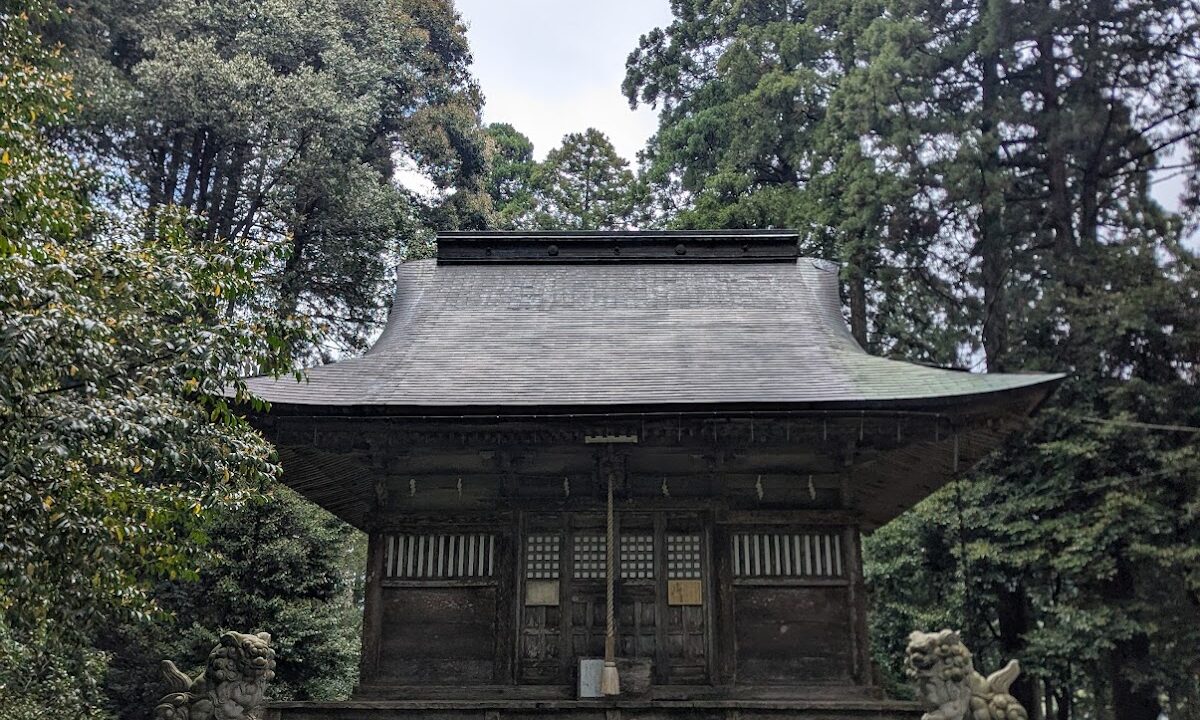
Kasuga Shrine (Ishibata-cho, Fukui City) | Complete Guide to Deities, Blessings, and Access
Kasuga Shrine, located at 3-7 Ishibata-cho, Fukui City, Fukui Prefecture, is a historic shrine that has been cherished by the local community for centuries. This article provides detailed information you should know before visiting, including the history of Kasuga Shrine, its enshrined deities, blessings, highlights of the grounds, and access methods.
Basic Information about Kasuga Shrine
Location: 3-7 Ishibata-cho, Fukui City, Fukui Prefecture 918-8003
Kasuga Shrine is located in the city center of Fukui City and has long been a center of faith for local residents. Situated in a quiet residential area, it maintains a tranquil atmosphere despite being in an urban area.
History and Origin of the Shrine
While there are various theories regarding the founding date of Kasuga Shrine, it has been enshrined in this location since ancient times and revered as the guardian deity of the region. The name Kasuga Shrine indicates that it was established by inviting a deity from Kasuga Taisha Shrine in Nara.
Kasuga Taisha Shrine is known as the tutelary shrine of the Fujiwara clan, and branch shrines of Kasuga Shrine were established throughout Japan. The Kasuga Shrine in Ishibata-cho, Fukui City, is also believed to have been founded within this spread of Kasuga faith.
Having walked hand in hand with the history of the region, Kasuga Shrine has been carefully preserved by the local people despite the changing times. Even today, it is maintained and managed by parishioners and devotees, serving as a spiritual pillar of the local community.
Deities and Divine Virtues
Main Deity
The deities enshrined at Kasuga Shrine are the Kasuga Four Pillars of Great Deities, just like at Kasuga Taisha Shrine.
The Kasuga Four Pillars of Great Deities is a collective term for the following four deities:
- Takemikazuchi-no-Mikoto – The enshrined deity of Kashima Jingu Shrine. 1. Known as the god of thunder and swords, he is the god of good fortune in competitions and protection from evil.
- Futsunushi-no-Mikoto – The enshrined deity of Katori Shrine. As a god of war, he presides over the longevity of military fortune.
- Amenokoyane-no-Mikoto – The god of the power of words, the god of learning and wisdom.
- Himegami – The consort of Amenokoyane-no-Mikoto. God of Matchmaking and Family Safety
Divine Blessings and Virtues
Kasuga Shrine is believed to bestow the following blessings:
- Protection from Evil and Disaster: Protected from all kinds of calamities by the powerful divine authority of Takemikazuchi-no-Mikoto
- Prayers for Victory and Success: As a god of war, prayers are offered for success in competitions and examinations
- Academic Achievement: Prayers are offered for academic improvement and passing examinations by the divine virtues of Amenokoyane-no-Mikoto
- Family Safety: Prayers are offered for the peace and prosperity of the family by the protection of Himegami
- Matchmaking: Many worshippers pray for successful relationships and marital harmony
- Business Prosperity: Worshipped as a god who watches over the commercial development of the region
Highlights of the Shrine Grounds
Shrine Building
The shrine building of Kasuga Shrine maintains the style of traditional shrine architecture while being adapted to the local climate and environment. The main shrine and worship hall are neatly arranged, welcoming visitors in a solemn atmosphere.
Subsidiary Shrines
Around the main shrine, there may be subsidiary shrines dedicated to deities associated with the local area. These auxiliary shrines are also important elements in understanding the local faith.
Atmosphere of the Sacred Precinct
Despite its urban location, the shrine grounds maintain a tranquil atmosphere, offering peace of mind to visitors. Surrounded by trees, the sacred precincts function as a place to escape the hustle and bustle of everyday life and find peace of mind.
Annual Events and Festivals
Grand Festival
Kasuga Shrine holds various Shinto rituals throughout the year. The Grand Festival, in particular, is the most important festival for the shrine, providing an opportunity for local residents to gather and express their gratitude for divine blessings.
New Year’s Visit
At the start of the new year, visitors come for their first shrine visit of the year, praying for good health and safety for their families throughout the year. It is an important place for local people to welcome the new year.
Other Events
- Setsubun Festival: A ceremony involving bean-throwing to ward off evil and invite good fortune.
- Summer Purification Ceremony: A ceremony to cleanse oneself of the impurities accumulated over the past six months and pray for safety in the remaining half of the year.
- Shichi-Go-San Festival: A celebration of children’s growth and a prayer for their continued healthy development.
Etiquette and Manners for Visiting a Shrine
Basic Etiquette for Visiting a Shrine
- Bow at the Torii Gate: Bow before entering the shrine grounds.
- Purification at the Water Basin: Purify your left hand, then your right hand, then your mouth.
- Worship: Place your offering in the offering box and worship using the two bows, two claps, and one bow ritual.
- Departure: Bow again at the torii gate before leaving the shrine grounds.
Things to Keep in Mind When Visiting a Shrine
- Worship quietly and avoid disturbing other worshippers.
- Remove your hat while on the shrine grounds.
- Please take photographs only within permitted areas and with moderation.
- Please take your trash with you and keep the shrine grounds clean.
Access Information
Address
3-7 Ishibata-cho, Fukui City, Fukui Prefecture 918-8003
Access by Public Transportation
Access from Fukui Station:
- Accessible on foot or by bus from JR Fukui Station.
- Approximately 2-3 km from Fukui Station; taxis are also convenient.
- If using a local bus, it’s a few minutes’ walk from the nearest bus stop.
Access by Car
From the Hokuriku Expressway:
- Approximately 15 minutes from Fukui IC towards Fukui city center.
- As it is located in the city center, it is convenient to enter “3-7 Ishibata-cho, Fukui City, Fukui Prefecture” into your car navigation system.
Parking
Parking space may be limited due to the size of the shrine. When visiting, please consider using nearby paid parking lots or public transportation.
Nearby Tourist Attractions
Fukui Castle Ruins
Located approximately 2km from Kasuga Shrine, Fukui Castle Ruins was the center of the Fukui Domain and now houses the Fukui Prefectural Government building. Remaining stone walls and moats allow visitors to experience history.
Yohokan Garden
Yohokan Garden, formerly the villa of the Matsudaira family, the lords of the Fukui Domain, is a beautiful Japanese garden designated as a National Place of Scenic Beauty. Visitors can enjoy the scenery of each season.
Fukui City Local History Museum
This museum allows visitors to learn about the history and culture of Fukui, including the history of Fukui Castle and its surrounding castle town.
Shibata Shrine
This shrine, dedicated to Lord Shibata Katsuie, offers insights into Fukui’s Sengoku period history.
Characteristics of Kasuga Shrine in Fukui City
Community-Based Faith
Kasuga Shrine in Ishibata-cho is not a large-scale tourist shrine, but rather functions as a place of daily worship for local residents. These community-oriented shrines offer a glimpse into the origins of Japanese Shinto worship.
A Healing Space in an Urban Area
Despite being located in the heart of Fukui City, the shrine grounds maintain a quiet and peaceful atmosphere. Its convenient location, easily accessible for daily visits, is of great value to the local community.
The Spread of Kasuga Faith
As one of approximately 3,000 Kasuga shrines nationwide, it plays a part in the network of Kasuga faith, with Kasuga Taisha in Nara as its head shrine.
Recommended Time to Visit
Spring (March-May)
The cherry blossom season and the season of fresh greenery are ideal times to visit, as the shrine grounds are beautiful. The weather is mild, allowing for a peaceful and tranquil visit.
New Year’s Visit (January)
The New Year’s visit is an important opportunity to offer gratitude and prayers to the gods at the start of the year. It offers a chance to share the joy of welcoming the new year with the local community.
During the Annual Festival
During the annual festival of a shrine, you can enjoy a lively atmosphere different from the usual. It’s a great opportunity to experience local traditional events.
About Goshuin (Shrine Seals)
Depending on the size and structure of the shrine, it is recommended to check in advance about the issuance of Goshuin. Those who collect Goshuin should inquire before visiting.
Goshuin are not merely commemorative stamps, but are given by the shrine as proof of worship. Handle them carefully and keep them safe.
Shrine Culture in Fukui City
History and Shrines of Fukui
Fukui City is dotted with many shrines, each reflecting the history and culture of the region. Successive lords who ruled Fukui, such as the Asakura clan during the Sengoku period and the Matsudaira family during the Edo period, protected shrines and cherished their faith.
Center of the Local Community
Even in modern times, shrines play a central role in local communities. Through festivals and events, bonds between residents are deepened, and local traditions are passed down to future generations.
Summary
Kasuga Shrine, located at 3-7 Ishibata-cho, Fukui City, Fukui Prefecture, has long been a beloved place of worship deeply rooted in the community. Enshrining the four deities of Kasuga, it is a shrine that bestows various blessings, including protection from misfortune, academic success, and family safety.
Despite its location in the heart of Fukui city, its quiet and peaceful atmosphere is a major attraction. When visiting Fukui, we highly recommend visiting Kasuga Shrine to experience the region’s history and faith.
Kasuga Shrine can be visited for a variety of occasions, from daily prayers to prayers for important life events. Experience the warm atmosphere of this shrine, which has walked hand in hand with the local people, by visiting in person.
Visiting a shrine is a precious time to calm the mind and offer daily gratitude. May your visit to Kasuga Shrine be a enriching experience.

