Complete Guide to Konomoto Shrine (Kobe City, Hyogo Prefecture) | History, Deities, Access, and Highlights Explained in Detail
Konomoto Shrine, located in Yoshida, Tamatsu-cho, Nishi-ku, Kobe City, Hyogo Prefecture, is a historic shrine founded in 1621 during the early Edo period. Built on land with a rich history, including Yayoi period ruins and medieval castle remains, it has been a center of local faith for over 400 years.
This article comprehensively covers everything you need to know before visiting Konomoto Shrine, including its detailed history, enshrined deities, highlights within the grounds, access methods, and nearby tourist attractions.
Basic Information about Konomoto Shrine
Location: 900 Shiroyama, Yoshida, Tamatsu-cho, Nishi-ku, Kobe City, Hyogo Prefecture
Pronunciation: Konomoto Jinja
Main Deity: Izanagi-no-Mikoto
Enshrined Deities: Izanami-no-Mikoto, Kunitokotachi-no-Mikoto, Ohirume-no-Mikoto
Founded: Genna 7 (1621)
Former Name: Kakimoto Daimyojin
Nearest Station: JR Kobe Line Nishi-Akashi Station (approx. 18-20 minute walk)
History of Konomoto Shrine
Founded in the Early Edo Period
The founding of Konomoto Shrine dates back to the time of Ogasawara Tadamasa, the first lord of the Akashi domain. In 1619 (Genna 5), three tan (approximately 900 tsubo) of rice fields were donated to the shrine, and in 1621 (Genna 7), it was established as “Kakimoto Daimyojin” in Yoshida Village, Hayashizaki Manor, Akashi District.
Ogasawara Tadamasa is known as a senior retainer of Tokugawa Ieyasu and a figure who laid the foundation for the Akashi Domain. The fact that the shrine was founded during his time speaks to the importance of Shinto faith in the Akashi Domain at that time.
Renaming in the Meiji Era
In 1874 (Meiji 7), influenced by the separation of Shinto and Buddhism and modernization policies, the name was changed from “Kakimoto Daimyojin” to “Kamimoto Shrine.” This renaming was carried out as part of the Meiji government’s reorganization of the shrine system.
Historical Changes of the Shrine Grounds
The land where Kamimoto Shrine is located has a very long history.
Yayoi Period: This area was the site of a Yayoi period settlement known as the “Yoshida Ruins.” Yayoi period pottery and dwelling remains have been discovered in the surrounding area, leaving traces of human habitation since ancient times.
Medieval Period: During the transition from the medieval to the early modern period, the Akashi clan, vassals of the Akamatsu clan, built “Edagishi Castle” in this area. The castle hill, where the sacred grove now stands, is precisely the site of this Edagishi Castle.
Early Modern Period: The shrine grounds are believed to be the site of the Akashi clan’s residence. Samurai and merchants each had their own residences with moats in the surrounding area, forming a castle town-like landscape.
Thus, Kamimoto Shrine stands on land that has been the stage for a continuous history from the Yayoi period to the Edo period.
About the Deities Enshrined
Kamimoto Shrine enshrines four deities who play important roles in Japanese mythology.
Main Deity: Izanagi-no-Mikoto
Izanagi-no-Mikoto is the central male deity in Japanese mythology, responsible for the creation of the land and the gods. Together with his wife, Izanami-no-Mikoto, he is said to have created the Japanese archipelago and many other gods.
He is worshipped as the god of creation and the source of life, and is believed to bestow blessings such as matchmaking, marital harmony, prosperity of descendants, and good fortune.
Enshrined Deities
Izanami-no-Mikoto: The wife of Izanagi-no-Mikoto, and a goddess who participated in the creation of the land and the gods. She is believed to bestow blessings such as safe childbirth, child-rearing, and matchmaking.
Kunitokotachi-no-Mikoto: One of the primordial deities who appeared at the time of the creation of heaven and earth in Japanese mythology. As a god of land formation, he is believed to bestow blessings of national peace and protection of the land.
Ohirume-no-Mikoto: This is another name for Amaterasu-Omikami. She is the sun goddess and the highest-ranking deity, considered the ancestral deity of the Imperial family. She bestows blessings such as good fortune, victory, and protection from evil.
These deities are all fundamental gods involved in the formation of Japan’s land and the birth of the gods, suggesting that Kamimoto Shrine has played an important role as the guardian shrine of the region.
Highlights of the Shrine Grounds
The Large Torii Gate
A large torii gate stands along Prefectural Road 21, welcoming visitors. Despite being located in a residential area, the gate’s presence is striking, serving as a gateway to the sacred grounds.
Stone Steps and Approach
After passing through the torii gate, stone steps leading to Shiroyama (Castle Mountain) appear. As you ascend these steps, you leave the hustle and bustle of everyday life behind, and your mind becomes calm in this sacred space. The approach to the shrine is of a moderate length, ideal for preparing oneself for worship.
Shrine Buildings
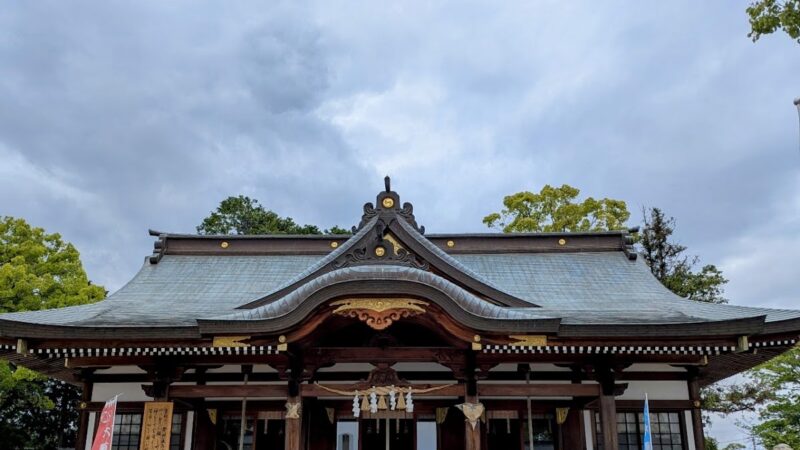
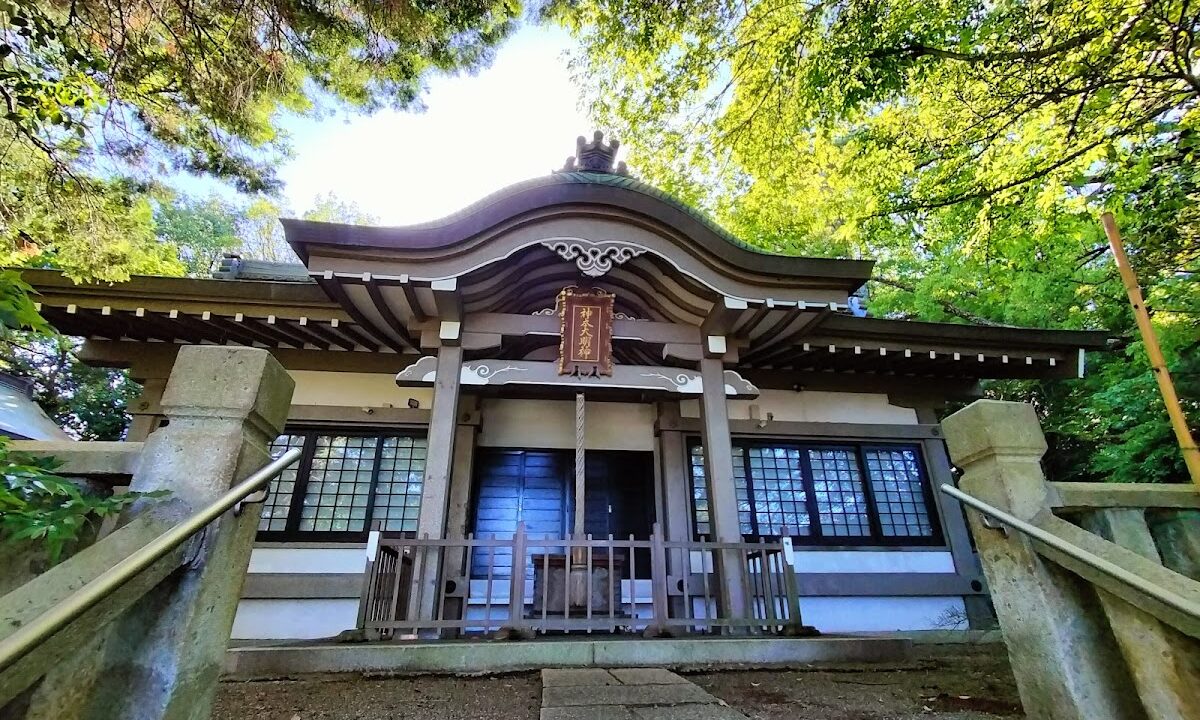
At the top of the stone steps stand the main shrine and the worship hall. The grounds are relatively spacious, allowing for a peaceful atmosphere during worship. The shrine buildings are constructed in a traditional Shinto architectural style, exuding a sense of long history.
Guardian Forest
The guardian forest surrounding the shrine grounds is part of the Yoshida archaeological site, which dates back to the Yayoi period. In Kobe’s Nishi Ward, where urbanization is progressing, the preservation of such a naturally rich space is precious. Being able to worship while experiencing the changing seasons is one of the charms of Kamimoto Shrine.
Remains of Edagishi Castle
The shrine grounds are the site of Edagishi Castle, and careful observation reveals topographical features that suggest the castle’s remnants. For history buffs, there is the added pleasure of exploring the traces of a medieval castle while visiting the shrine.
Access Information
Access by Train
Nearest Station: JR Kobe Line, Nishi-Akashi Station
Distance from Station: Approximately 18-20 minutes on foot
Route: Exit the east exit of Nishi-Akashi Station and head towards Prefectural Road 21. After passing through the residential area, you will see the large torii gate of Kamimoto Shrine along Prefectural Road 21.
Access by Car
The shrine is conveniently located right off Prefectural Road 21, making it easily accessible by car. However, it is recommended to check the availability and size of parking before visiting.
Surrounding Environment
The area around Kamimoto Shrine is a quiet residential area. There are restaurants and other establishments along Prefectural Road 21, so you can enjoy a meal before or after your visit.
Collaboration with Yoshida Local History Museum
When visiting Kamimoto Shrine, be sure to also visit the adjacent “Yoshida Local History Museum.”
Exhibits at Yoshida Local History Museum
The Yoshida Local History Museum, located to the right of the shrine, is a valuable museum that conveys the history of this region. Inside, artifacts from ancient times to the early modern period are displayed, including Yayoi-style pottery excavated from the Yoshida ruins of the Yayoi period.
It is an ideal facility for gaining a deeper understanding of the historical background of the grounds of Kamimoto Shrine. Seeing actual pottery and stone tools allows you to truly feel that people have lived in this area since ancient times.
Recommendation for a Historical Walk
By visiting both Kamimoto Shrine and the Yoshida Local History Museum, you can experience the history of this area spanning approximately 2000 years, from the Yayoi period to the Edo period. It is recommended to spend about half a day leisurely enjoying a historical walk.
Manners and Etiquette for Worship
Basic Worship Etiquette
- Bow Before Passing Through the Torii Gate: Before entering the sacred area, bow before the torii gate.
- Walk along the edge of the approach to the shrine: The center of the approach is considered the path for the gods, so walk along the edge.
- Purify yourself at the water basin: If there is a water basin, purify your hands and mouth.
- Etiquette at the main hall: The basic ritual is “two bows, two claps, one bow.”
Points to remember when visiting Kamimoto Shrine
Located in a quiet residential area, Kamimoto Shrine offers a peaceful atmosphere for worship. Especially on weekday mornings, there are fewer visitors, allowing for a calm and peaceful visit.
When climbing the stone steps, it is recommended to take each step deliberately, calming your mind as you ascend.
Annual events at Kamimoto Shrine
Like many shrines, Kamimoto Shrine likely holds various festivals and events throughout the year. The following are some of the main annual events at typical shrines:
- New Year’s Day Festival (January 1st): A festival celebrating the New Year
- Spring Festival: A prayer for a bountiful harvest
- Summer Purification Ceremony (June 30th): A purification ceremony to cleanse away the impurities accumulated over the past six months
- Autumn Festival: A festival to give thanks for the harvest
- Year-End Purification Ceremony (December 31st): A purification ceremony to cleanse away the impurities accumulated over the past year
For specific dates and details of festivals, we recommend contacting the shrine directly or confirming during your visit.
Tourist Attractions Around Kamimoto Shrine
Around Nishi-Akashi Station
The area around JR Nishi-Akashi Station has a wide variety of commercial facilities and restaurants, making it convenient to stop by before or after visiting the shrine.
Tourist Attractions in Akashi City
With a short trip from Kamimoto Shrine, you can access major tourist attractions in Akashi City.
- Akashi Castle Ruins (Akashi Park): A castle ruin designated as a national historic site.
- Akashi Municipal Astronomical Science Museum: An observatory built on the Japan Standard Time meridian.
- Uonotana Shopping Street: A market where you can enjoy Akashi’s seafood.
- Akashi Kaikyo Bridge: One of the world’s longest suspension bridges.
Temples and Shrines in Tamatsu Town
Tamatsu Town also has many other historical temples and shrines, making it a great place to enjoy a temple and shrine tour.
Summary of the Charms of Kamimoto Shrine
The greatest charm of Kamimoto Shrine lies in its layered history. The history of different eras—Yayoi period ruins, medieval castle ruins, and the founding of the shrine in the Edo period—are condensed into one place.
Value for History Enthusiasts
For those interested in archaeology and Japanese history, Kamimoto Shrine and its surroundings are extremely interesting spots. Visiting it in conjunction with the Yoshida Local History Museum allows you to experience the history you learned in textbooks through actual artifacts and topography.
A Quiet Place of Worship
One of its charms is the quiet and peaceful atmosphere, as it hasn’t been commercialized for tourism. It’s an ideal shrine to visit when you want to escape the hustle and bustle of the city and find peace of mind.
A Center of Local Faith
For over 400 years, Kamimoto Shrine has been a center of faith for the local people. You can feel the warm atmosphere unique to a shrine deeply rooted in the community.
Precautions When Visiting
Attire
Please dress appropriately for visiting a shrine. Especially during formal visits, it’s best to avoid overly casual clothing.
Photography
Photography is generally permitted on the shrine grounds, but please refrain from taking pictures in sacred areas such as inside the main hall. Also, please be considerate of other visitors.
Visiting Hours
It is recommended to check the shrine’s opening hours and the hours of the shrine office in advance. Generally, many shrines are open for worship from early morning until evening, but the issuance of goshuin (shrine stamps) and amulets is limited to the hours the shrine office is open. ## Summary: The Significance of Visiting Kamimoto Shrine
Kamimoto Shrine (Nishi-ku, Kobe City, Hyogo Prefecture) is a historic shrine founded in 1621, situated on land that has been the stage for approximately 2000 years of history, including the Yoshida Ruins of the Yayoi period and the ruins of the medieval Edagishi Castle.
With Izanagi-no-Mikoto as its principal deity, and enshrining gods involved in the creation of Japan and the gods, it has attracted the faith of the local people. Despite being located in a quiet residential area, the large torii gate and the surrounding forest create a sacred space, making it a place where one can pray with peace of mind.
Its location, approximately a 20-minute walk from JR Nishi-Akashi Station, makes it easily accessible from urban areas. Visiting the adjacent Yoshida Local History Museum in conjunction with the shrine allows you to learn about the rich history of the region.
For those seeking historical walks, a peaceful place of worship, or an interest in local history, Kamimoto Shrine is a shrine worth visiting. When visiting Hyogo Prefecture, why not pay a visit?
Feeling the weight of history that has continued since ancient times, Kamimoto Shrine stands quietly today as a place where we who live in the modern age can find peace of mind and gain new vitality.