Fukuo Shrine (Nishinomiya City, Hyogo Prefecture) Complete Guide | History, Deities, Goshuin (Shrine Seal), and Access Information
Fukuo Shrine is a historic shrine located in Imazu Daito-cho, Nishinomiya City, Hyogo Prefecture. Along with Nishinomiya Shrine and Koshikiwa Shrine, it is known as one of the “Three Lucky Gods” of Nishinomiya and enjoys deep devotion from the local community. Despite its location approximately 700 meters west of Hanshin Koshien Stadium, the tranquil grounds offer peace and tranquility to visitors.
This article provides detailed information about Fukuo Shrine, including its history, enshrined deities, highlights of the grounds, goshuin (shrine seal), annual events, and access methods—all essential information before your visit.
Basic Information about Fukuo Shrine
Location: 1-28 Imazu Daito-cho, Nishinomiya City, Hyogo Prefecture
Deity Enshrined: Yaekotoshironushi-no-Okami
Former Shrine Rank: Prefectural Shrine
Nearest Station: Approximately 4 minutes on foot (approx. 300m) southwest from Kusugawa Station on the Hanshin Main Line
Phone Number: 0798-26-0769
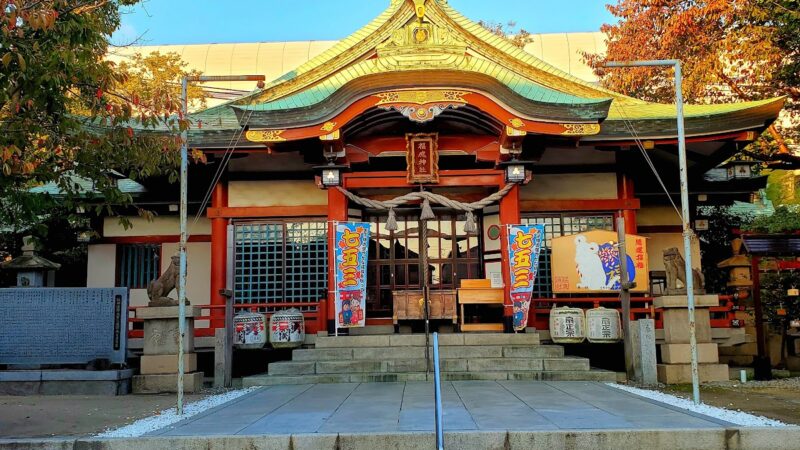
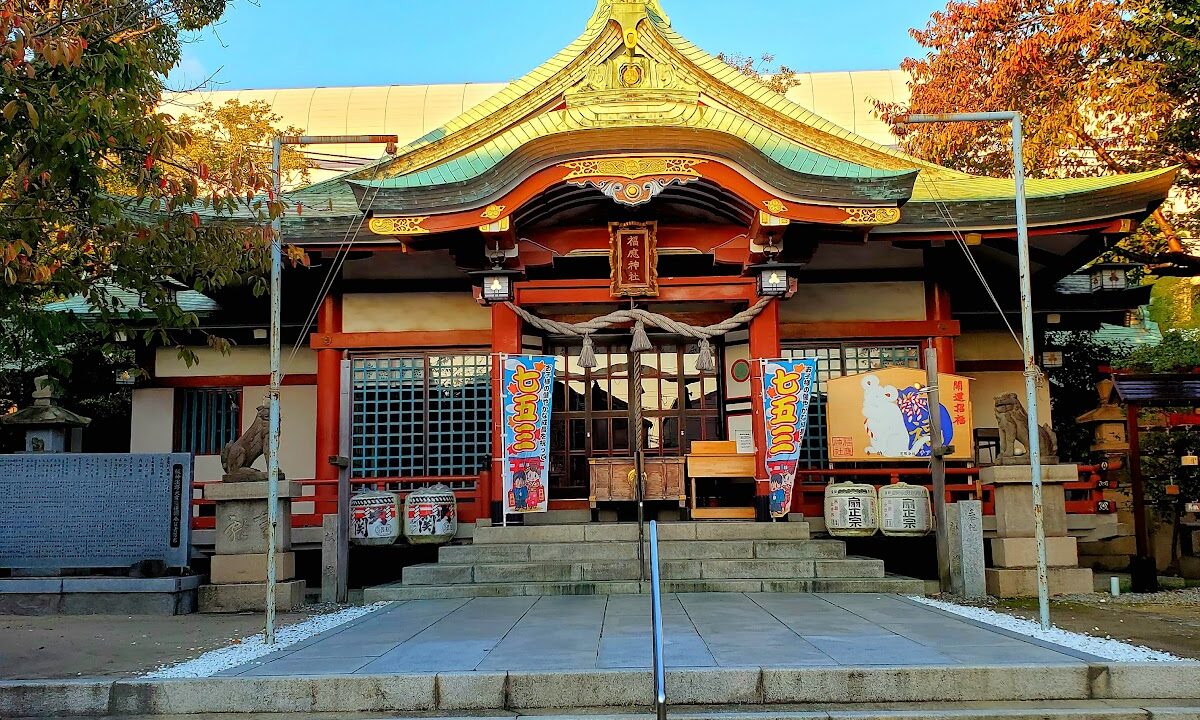
Fukuo Shrine is located in the Imazu district in the southern part of Nishinomiya City, nestled in a residential area south of National Route 43 and the Hanshin Expressway Route 3 Kobe Line. Its distinctive green roof makes it stand out amidst the surrounding cityscape.
History of Fukuo Shrine
Founding and History
The founding date of Fukuo Shrine is unknown, but its history is ancient, dating back to the age of mythology. According to shrine tradition, a divine spirit once descended upon Imazu Bay, delivering a divine oracle: “Enshrine and worship me in this pure land of the bay. Then I will protect all people and grant all wishes.”
Originally located in Imazu-michi, Imasato Village, Muko District, it is said to have been established by inviting a deity from the ancient Yamato Miwa Shrine. Yamato Miwa refers to Omiwa Shrine in Sakurai City, Nara Prefecture, known as one of Japan’s oldest shrines. The enshrined deity of Fukuo Shrine, Yaekotoshironushi-no-Okami, has a deep connection to Omiwa Shrine, and this history speaks to the high status of Fukuo Shrine.
Records from the Heian Period
Records from 1106 (Kajō 1), during the late Heian period, exist, confirming the presence of a shrine in Imazu at that time. This is important evidence that Fukuo Shrine is an ancient shrine with a history of at least 900 years.
Origin of the Name “Fukuō Shrine”
The current name “Fukuō Shrine” was bestowed during the Bunroku era (1592-1596). It is said that during this period, a representative of Emperor Go-Yōzei visited the shrine, and at that time, the name “Fukuō Shrine” was bestowed upon it, meaning “a shrine that responds to good fortune.”
This name embodies the deep meaning of a shrine that responds to the good fortune of its worshippers, and since then, it has attracted the faith of local people as a shrine that brings good fortune.
History in Modern Times
Under the Meiji era’s shrine ranking system, Fukuō Shrine was ranked as a prefectural shrine. A prefectural shrine refers to a shrine of high status among those managed by prefectures, indicating the importance of Fukuō Shrine in the region.
Even after the war, it continues to welcome many worshippers as the local tutelary shrine and as one of the three Nishinomiya shrines dedicated to good fortune. It is especially crowded during the New Year’s visit and the annual festival.
Deity Enshrined: Yaekotoshironushi-no-Okami
The deity enshrined at Fukuo Shrine is Yaekotoshironushi-no-Okami.
About Yaekotoshironushi-no-Okami
Yaekotoshironushi-no-Okami is a deity appearing in the Kojiki and Nihon Shoki, and is considered a child of Okuninushi-no-Kami. He is known as a deity who played an important role in the myth of the transfer of the land.
He is generally known as “Ebisu-sama” and is believed to bestow blessings such as business prosperity, maritime safety, abundant fishing, and bountiful harvests. In particular, as a god of commerce, many worshippers visit the shrine to pray for business success and prosperity.
Divine Virtues
- Business Prosperity: As the god of commerce, it brings success and prosperity to businesses.
- Maritime Safety and Abundant Catch: It also has aspects of a god of the sea, attracting the faith of those involved in fishing.
- Abundant Harvest: It is also revered as the guardian deity of agriculture.
- Fulfillment of All Wishes: It is worshipped as an all-powerful god that grants various wishes.
- Perfect Fortune and Virtue: As its name suggests (“Responding to Fortune”), it is a god that brings good fortune.
Nishinomiya City has Nishinomiya Shrine, the head shrine of “Ebisu,” but Fukuo Shrine also enshrines Yaekotoshironushi-no-Okami, making it an important center of “Ebisu faith” in the Nishinomiya area.
What are the Three Gods of Fortune of Nishinomiya?
Fukuo Shrine, along with Nishinomiya Shrine and Koshikiwa Shrine, is known as one of the “Three Gods of Fortune” of Nishinomiya.
Pilgrimage to the Three Lucky Gods
- Nishinomiya Shrine: Nationally famous as the head shrine of Ebisu, the god of fortune.
- Fukuō Shrine: Dedicated to Yaekotoshironushi-no-Ōkami, a shrine that grants good fortune.
- Koshikiwa Shrine: An ancient shrine of Iwakura (sacred rock) worship, known as a deity of fertility and safe childbirth.
It is believed that by visiting these three shrines, one can receive various blessings such as business prosperity, family safety, and the prosperity of descendants. Especially during the New Year, many worshippers make this pilgrimage.
Highlights of the Shrine Grounds
Main Hall
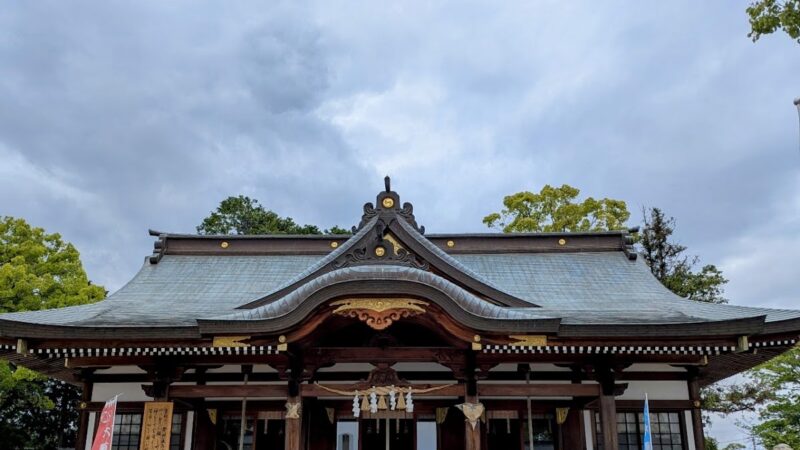
The main hall of Fukuō Shrine is built in the traditional style of shrine architecture. Its distinctive green roof makes it easily recognizable from afar. In front of the main hall is the worship hall, where worshippers offer their prayers.
Atmosphere of the Shrine Grounds
Despite being located in a residential area, the shrine grounds are enveloped in a quiet and peaceful atmosphere. Trees are strategically placed, creating a space that allows one to forget the hustle and bustle of the city.
The shrine grounds are not very large, but they are meticulously clean, giving the impression that they are cherished and well-maintained by the local community.
Shrine Office
There is a shrine office on the grounds where you can receive Goshuin (shrine stamps) and amulets. Please feel free to stop by when you visit.
About Goshuin
Goshuin are available at Fukuo Shrine.
Features of Goshuin
The Goshuin features the calligraphy and red seal of “Fukuo Shrine.” It is characterized by a simple yet powerful calligraphy style, and many people receive it as a memento of their visit.
Issuance Hours
The hours for issuing Goshuin are the same as the shrine office’s opening hours. We recommend calling ahead to confirm before visiting. Please note that issuance hours may change during festivals and events.
About Goshuincho (Shrine Stamp Books)
Please inquire directly with the shrine regarding the availability of original Goshuincho. Many people visit as part of the Nishinomiya Three Lucky Gods pilgrimage, and collecting the goshuin (stamps) from all three shrines is one of the pleasures.
Annual Events and Festivals
Fukuo Shrine holds various festivals throughout the year.
Annual Festival
The annual festival is held at a fixed time each year, and local people gather to offer thanks to the gods. Please contact the shrine directly for the date of the annual festival.
New Year’s Visit
The New Year’s visit is one of the busiest times for Fukuo Shrine. As a shrine that “responds to fortune,” many worshippers visit to receive blessings for the new year. Many also visit as part of the Nishinomiya Three Lucky Gods pilgrimage.
Other Events
Seasonal events such as the Setsubun Festival and Summer Festival are also held. Please check the shrine’s bulletin board or official information for detailed dates and content.
Access and Transportation Information
Access by Train
Hanshin Main Line “Kusugawa Station” is the nearest station.
- Approximately 4 minutes on foot (about 300m) southwest from Kusugawa Station
- Located south of the station, past National Route 43.
Also accessible from Hanshin Main Line “Imazu Station”
- Approximately 10 minutes on foot from Imazu Station
Access by Car
- Approximately 5 minutes from the Hanshin Expressway Route 3 Kobe Line “Mukogawa Exit”
- Easily accessible from National Route 43
Parking
There may be parking spaces on the temple grounds, but the number is limited. During busy times such as New Year’s, we recommend using public transportation. There are also coin-operated parking lots nearby.
Landmarks in the vicinity
Located approximately 700 meters west of Hanshin Koshien Stadium. It is recommended to visit the shrine when you are visiting Koshien Stadium.
Nearby Tourist Attractions
Nishinomiya Shrine
One of the three shrines of Nishinomiya’s Lucky Gods, and nationally famous as the head shrine of Ebisu. Located approximately 2 kilometers north of Fukuo Shrine, it can be accessed on foot, by bicycle, or by bus.
Koshikiwa Shrine
Another of the three shrines of Nishinomiya’s Lucky Gods. An ancient shrine with a massive iwakura (sacred rock) as its object of worship, it is known as a deity of fertility and safe childbirth. Located approximately 3 kilometers northwest of Fukuo Shrine.
Hanshin Koshien Stadium
One of Japan’s leading baseball stadiums. Known as a sacred place for high school baseball and the home ground of the Hanshin Tigers. Located approximately 700 meters east of Fukuo Shrine, it’s a convenient place to visit before or after watching a baseball game.
Imazu Lighthouse
A historic lighthouse located in Imazu Port. Situated approximately 1 kilometer south of Fukuo Shrine along the coast, it’s a popular spot for a stroll.
Manners and Points for Visiting a Shrine
Etiquette for Visiting a Shrine
- Bow before passing through the torii gate: Before entering the sacred area, bow to show respect.
- Purify yourself at the water basin: If there is a water basin, purify your hands and mouth.
- Worship at the main hall: The basic procedure is two bows, two claps, and one bow.
- Bow deeply twice
- Clap your hands twice
- Bow deeply once
Attire for Visiting a Shrine
There are no specific dress code requirements, but please dress neatly, as you are going to meet the gods.
Photography
Photography is generally permitted on the shrine grounds, but please refrain from taking pictures inside the main hall or during religious ceremonies. Also, please be considerate of other visitors.
The Charm of Fukuo Shrine
A Faith Rooted in the Community
Fukuo Shrine has been located in Imazu since ancient times and has been deeply intertwined with the lives of the local people. As the guardian deity of the region, it continues to watch over the safety and prosperity of the area.
Divine Virtue of “Responding to Fortune”
The shrine’s name, “Fukuō Shrine,” bestowed by Emperor Go-Yōzei, holds the profound meaning of responding to the fortunes sought by worshippers. It is worshipped as a deity that grants various wishes, including business prosperity, family safety, and the fulfillment of all desires.
One of the Three Fortune Gods of Nishinomiya Pilgrimage
Along with Nishinomiya Shrine and Koshikiwa Shrine, it forms the Nishinomiya Three Fortune Gods pilgrimage. By visiting all three shrines, one can receive various blessings. Each shrine possesses different divine virtues, allowing one to pray for overall good fortune.
Quiet and Peaceful Grounds
Despite being located in a residential area, the shrine grounds are enveloped in a quiet and peaceful atmosphere. It is a precious space where one can escape the hustle and bustle of the city and worship in peace.
Visitor Voices and Reviews
Many visitors to Fukuō Shrine have shared the following impressions:
- “Despite being located in a residential area, the quiet and peaceful atmosphere is wonderful.”
- “I visited as part of the Nishinomiya Three Lucky Gods pilgrimage, and I was able to offer my prayers respectfully.”
- “I felt that this shrine is cherished by the local community.”
- “It’s close to Koshien Stadium, so I visited before watching a baseball game.”
- “The goshuin (shrine stamp) was also written very carefully.”
As a community-oriented shrine, it has received high praise from visitors.
Summary
Fukuō Shrine is a historical shrine located in Imazu, Nishinomiya City, Hyogo Prefecture. While the exact founding date is unknown, it is an ancient shrine with records dating back to the Heian period. During the Bunroku era, Emperor Go-Yōzei bestowed upon it the name “Shrine that Responds to Fortune.”
The enshrined deity, Yaekotoshironushi-no-Ōkami, is believed to bestow blessings such as business prosperity, maritime safety, and the fulfillment of various wishes, and is affectionately known as “Ebisu-sama.” Along with Nishinomiya Shrine and Koshikiwa Shrine, Fukuo Shrine forms one of the three Nishinomiya Lucky Gods shrines, and is a popular destination for many visitors on a pilgrimage to these three shrines.
Its convenient location, approximately a 4-minute walk from Hanshin Kusugawa Station and about 700 meters from Hanshin Koshien Stadium, is also a major draw. The quiet and peaceful grounds offer a tranquil oasis in the city, providing peace and solace to visitors.
When visiting Nishinomiya, be sure to visit Fukuo Shrine and receive its divine blessings for “receiving good fortune.” You can also receive a Goshuin (shrine stamp), so please be sure to get one as a memento of your visit.
Frequently Asked Questions (FAQ)
Q1: When can I receive a Goshuin at Fukuo Shrine?
A1: You can receive a Goshuin at Fukuo Shrine during the shrine office’s opening hours. However, the hours may change during festivals and events, so we recommend checking in advance by phone (0798-26-0769).
Q2: Is there parking available?
A2: There may be parking spaces on the shrine grounds, but the number is limited. During busy times such as New Year’s Day, we recommend using public transportation. There are also coin-operated parking lots nearby that you can use.
Q3: How should I visit the three shrines of Nishinomiya?
A3: The three shrines of Nishinomiya consist of Nishinomiya Shrine, Fukuo Shrine, and Koshikiwa Shrine. Each shrine is several kilometers apart, so it’s common to visit them over a day using trains, buses, or bicycles. There is no set order, so please visit them in the order that is easiest for you to access.
Q4: When is the annual festival of Fukuo Shrine held?
A4: For specific dates of the annual festival, please contact the shrine directly (0798-26-0769). Various festivals are held throughout the year, so visiting according to the dates of these festivals is also recommended.
Q5: Are amulets and talismans available?
A5: At Fukuo Shrine, you can receive amulets and talismans at the shrine office. There are various types of amulets available, such as those for business prosperity and family safety, so please be sure to receive one when you visit. For details on the available items, please inquire directly at the shrine office.
Q6: How crowded is it during the New Year’s visit?
A6: During the first three days of the New Year, many visitors come as it is one of the three shrines visited on the Nishinomiya Three Lucky Gods pilgrimage, but it is not as crowded as Nishinomiya Shrine. You can visit relatively peacefully, but it can get crowded on the morning of New Year’s Day, so we recommend visiting with plenty of time to spare.
Q7: Is it within walking distance from Koshien Stadium?
A7: Fukuo Shrine is approximately 700 meters from Hanshin Koshien Stadium, about a 10-minute walk. You can visit before or after watching a baseball game. It is located west along National Route 43, past the Hanshin Expressway overpass.
Q8: Is it possible to visit the shrine with a pet?
A8: Policies regarding bringing pets to shrines vary from shrine to shrine. We recommend calling Fukuo Shrine in advance to confirm their policy. Generally, it is possible as long as you carry your pet or keep it in a cage, taking care to avoid disturbing other visitors.