Hiyoshi Shrine (Tsumon-Ogocho, Nishinomiya City, Hyogo Prefecture) Complete Guide | History, Deities, and Access Information
Hiyoshi Shrine, located at 8-31 Tsumon-Ogocho, Nishinomiya City, Hyogo Prefecture, is a community-oriented shrine quietly nestled in a residential alley. While a historical shrine founded during the Tensho era, it usually maintains a peaceful atmosphere, beloved by locals, and becomes bustling with worshippers during festivals. This article comprehensively introduces everything you need to know before visiting Hiyoshi Shrine, from its history and enshrined deities to its highlights and detailed access information.
History and Origins of Hiyoshi Shrine
Founded during the Tensho Era
Hiyoshi Shrine’s founding dates back to the Tensho era (1573-1591). According to the information board on the shrine grounds, it is said that Noda Hyogo-no-kami, a warrior of the Kawarabayashi clan, founded the shrine to pray for peace and prosperity in the village when he constructed a fort in this area. During this late Sengoku period, the movement for national unification by Oda Nobunaga and Toyotomi Hideyoshi intensified in Settsu Province. Many local warlords built shrines to pray for stability in their territories and the peace and well-being of their people. Hiyoshi Shrine is one such shrine that emerged during this period.
Enshrinement from Hiyoshi Taisha Shrine in Omi Province
Noda Hyogo-no-kami invited the divided spirits of Amaterasu Omikami, the great ancestral deity of Japan, and Oyamakui-no-kami, known since the age of the gods as the guardian deity of the land and the god of industrial development, from Hiyoshi Taisha Shrine in Omi Province (present-day Shiga Prefecture), and enshrined them as the guardian deities of this land.
Hiyoshi Taisha Shrine is the head shrine of all Hiyoshi, Hie, and Sanno shrines throughout Japan, located at the foot of Mount Hiei. It is a renowned shrine that has attracted the reverence of the imperial court and samurai families since ancient times. It was likely believed that inviting its divided spirits would bring powerful divine power to the Tsuto area.
As a Guardian Deity of the Region
Since its founding, Hiyoshi Shrine has been cherished by the local residents as the guardian deity of the Tsuto area. Throughout the Edo period, rituals were performed as the local tutelary deity, and even after the Meiji era, it continued to function as a central presence in the local community. Currently, it is carefully preserved by local people, and various festivals are held throughout the year.
Deities Enshrined
Hiyoshi Shrine enshrines two deities.
Amaterasu Omikami
Amaterasu Omikami, the supreme deity in Japanese mythology and known as the sun goddess, is revered as the ancestral deity of the Imperial Family and the tutelary deity of all Japanese people. She is also the principal deity enshrined in the Inner Shrine of Ise Grand Shrine, and is believed to bestow divine blessings such as national peace, abundant harvests, and good fortune.
Oyamakui-no-kami
Oyamakui-no-kami is one of the principal deities of Hiyoshi Taisha Shrine and has been worshipped since ancient times as the guardian deity of Mount Hiei. As its name, meaning “owner of the mountain,” suggests, it is known as the god of mountains and agriculture, and is believed to bestow blessings for industrial development, abundant harvests, and business prosperity. It is also worshipped as a god of protection against evil and misfortune.
The combination of these two deities makes Hiyoshi Shrine a shrine with a wide range of divine blessings, from national peace and security to regional prosperity and personal good fortune.
Highlights of the Shrine Grounds
Shrine Buildings
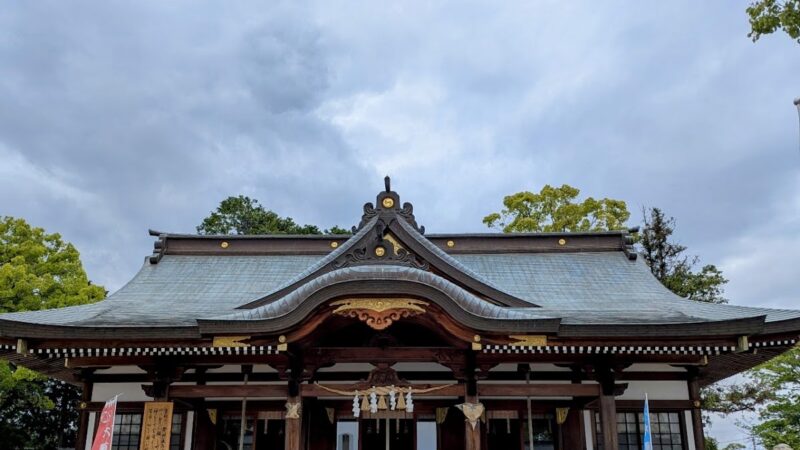
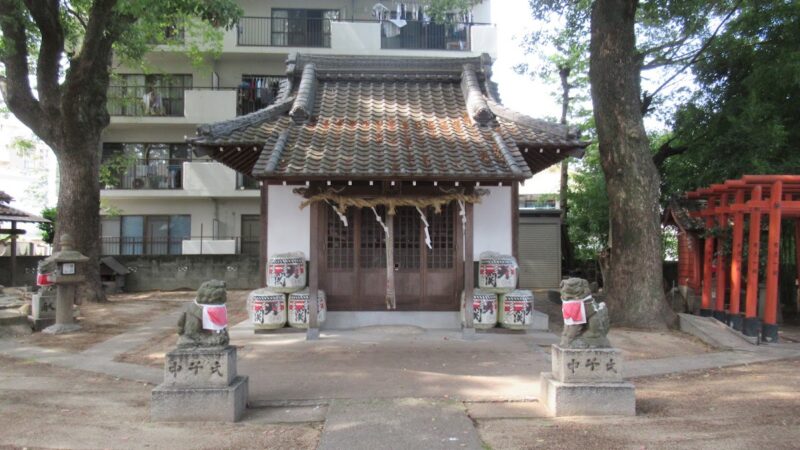
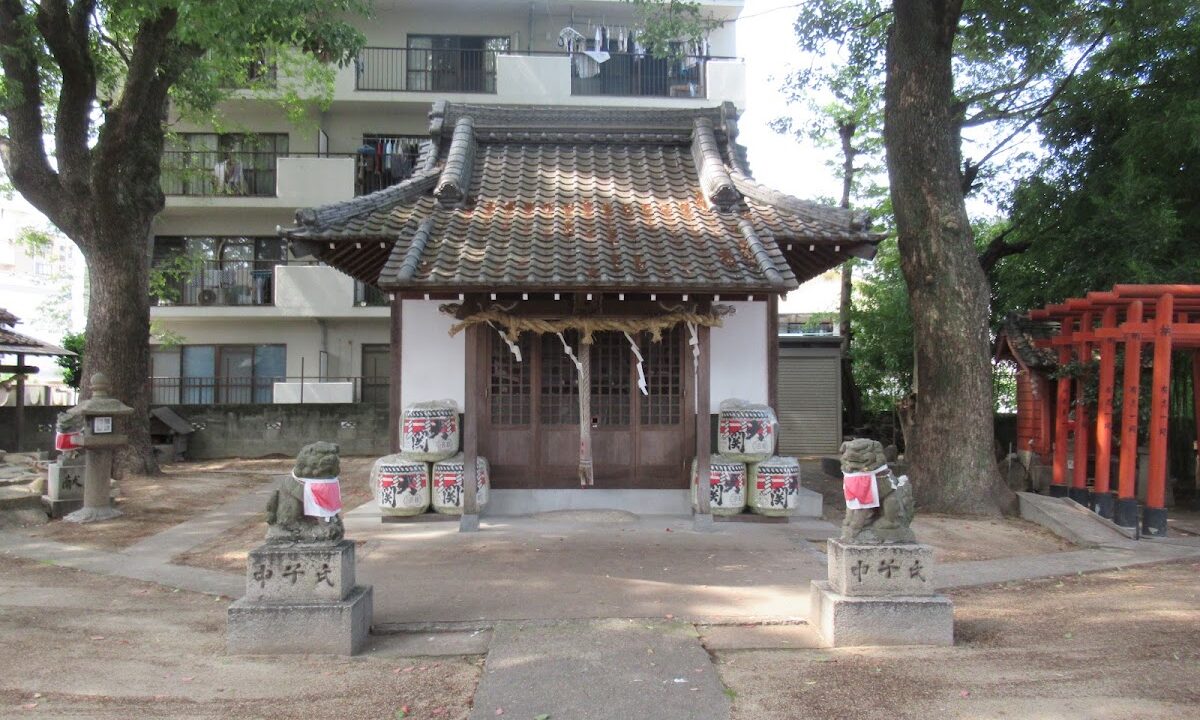
Although located in a residential area, Hiyoshi Shrine’s buildings maintain a tranquil atmosphere. While relatively small in scale, they are meticulously maintained, reflecting the deep faith of the local people. The main hall is built in a traditional shrine architectural style, and worshippers can pray from the worship hall.
Atmosphere of the Shrine Grounds
Hiyoshi Shrine is located down an alley in a residential area, so it is usually enveloped in a quiet and peaceful atmosphere. Despite being in an urban area, it offers a tranquil space away from the hustle and bustle, allowing for a peaceful visit. The shrine grounds are meticulously clean, reflecting the care and attention the local community takes of it.
Information Boards
Information boards detailing the history of Hiyoshi Shrine are installed on the grounds, allowing visitors to learn about the shrine’s history and enshrined deities. First-time visitors will gain a deeper understanding of the shrine by reading these boards.
List of Festivals and Events (2025)
Hiyoshi Shrine holds various festivals and events throughout the year. Especially during local festivals, the shrine becomes a major community event, bustling with many worshippers, featuring stalls, and attracting children.
Main Annual Events
- New Year’s Day Festival (January 1st): A festival celebrating the New Year and praying for peace throughout the year.
- Setsubun Festival (around February 3rd): An event involving bean-throwing and other rituals to ward off evil and invite good fortune.
- Spring Grand Festival (Spring): An important festival praying for the prosperity of the region and a bountiful harvest.
- Summer Festival (Summer): A lively festival where local residents gather and stalls are set up.
- Autumn Grand Festival (Autumn): A festival expressing gratitude for the harvest and praying for a good harvest in the coming year.
- Shichi-Go-San Festival (November): A celebration of children’s growth and prayers for their healthy development.
- Great Purification Ceremony (June and December): A Shinto ritual to purify and cleanse away the impurities accumulated over the past six months.
For specific dates of festivals, please contact the managing shrine, Koshikiwa Shrine (0798-31-0009).
Location
Address: 8-31, Tsutsumi-Ogocho, Nishinomiya City, Hyogo Prefecture 663-8245
Hiyoshi Shrine is located in the Tsutsumi district, in the southern part of Nishinomiya City. Tsutsumi is an old residential area with convenient transportation, served by the Hanshin Main Line and Hankyu Imazu Line. The shrine is situated in a quiet area within the residential neighborhood, down a side street off the main road.
Surrounding Environment
The area surrounding the shrine is a residential area, within the living area of local residents. There are also shopping streets and schools nearby, functioning as part of the local community. It is close to the center of Nishinomiya City and offers good access to Osaka and Kobe.
Nearest Stations and Lines
Hiyoshi Shrine is accessible from several train lines. The main nearest stations are listed below.
Hanshin Kokudo Station (Hanshin Main Line)
Travel Time: Approximately 4-5 minutes on foot (approx. 314m)
The nearest station to Hiyoshi Shrine is Hanshin Kokudo Station on the Hanshin Main Line. This is the most easily accessible route, taking approximately 4-5 minutes on foot from the station exit.
Access Method:
- Exit the ticket gate at Hanshin Kokudo Station
- Head north
- Enter the alley in the residential area
- Arrive at Hiyoshi Shrine in approximately 4-5 minutes on foot
Imazu Station (Hankyu Imazu Line)
Travel Time: Approximately 8 minutes on foot (approx. 649m)
Imazu Station on the Hankyu Imazu Line is also accessible. This station is convenient for those using the Hankyu Line.
Access Method:
- Exit the ticket gate at Imazu Station
- Head south
- Walk through the residential area for approximately 8 minutes.
Kusugawa Station (Hankyu Imazu Line/Hanshin Main Line)
Travel Time: Approximately 10 minutes on foot (approx. 829m)
Access is also possible from Kusugawa Station, where the Hankyu Imazu Line and Hanshin Main Line intersect. While it’s a bit of a distance, it’s a convenient station where both lines are available.
Access Method:
- Exit the ticket gate at Kusugawa Station
- Head northwest
- Walk through the residential area for approximately 10 minutes.
Nearest Bus Stop/Route
Hanshin Kokudo Station Bus Stop
Travel Time: Approximately 4 minutes on foot (approx. 263m)
The Hanshin Kokudo Station bus stop is the nearest bus stop. Hanshin buses operate here, providing access from various locations within Nishinomiya City.
Available Routes:
- Hanshin Bus routes (including Nishinomiya City Loop)
The shrine is approximately a 4-minute walk from the bus stop, following almost the same route as from Hanshin Kokudo Station.
Access Map and Surrounding Information
Hiyoshi Shrine is located down an alley in a residential area, so first-time visitors are advised to use a map app. Searching for “Hiyoshi Shrine Nishinomiya City Tsutsumi-Ogocho” on Google Maps or Yahoo! Maps will display the exact location and route.
Access by Car
While access by car is possible, the area around the shrine is a residential area with narrow roads and no dedicated parking. Using public transportation is recommended for visitors. If you must use a car, you will need to use a nearby coin parking lot and walk to the shrine.
Nearby Attractions
After visiting Hiyoshi Shrine, we recommend visiting other shrines and temples in Nishinomiya City.
- Nishinomiya Shrine: A famous shrine known as the head shrine of Ebisu (approximately 2km from Hiyoshi Shrine)
- Koshikiwa Shrine: A shrine known for its megalithic worship, and also the managing shrine of Hiyoshi Shrine
- Hirota Shrine: An ancient shrine dedicated to the fierce spirit of Amaterasu Omikami
Manners and Etiquette for Visiting Shrines
When visiting Hiyoshi Shrine, please observe basic shrine visiting manners.
Basic Worship Etiquette
- Bow before passing through the torii gate: This is a courtesy before entering the sacred area.
- Walk along the edge of the path: The center is considered the path of the gods.
- Purify yourself at the water basin: Cleanse your hands and mouth before praying.
- Etiquette in front of the main hall: Two bows, two claps, and one bow is the basic procedure.
- Bow again at the torii gate when leaving: This expresses gratitude when leaving the sacred area.
Photography
Photography is generally permitted on the shrine grounds, but please refrain from taking pictures inside the main hall or during religious ceremonies. Also, please be considerate of other worshippers.
Goshuin (Shrine Seal)
For information on obtaining a Goshuin at Hiyoshi Shrine, please contact Koshikiwa Shrine, the managing shrine. As it is a small shrine, there may not be a permanently staffed shrine office.
Contact Information: Koshikiwa Shrine (0798-31-0009)
Please note that while some apps offer electronic goshuin (shrine stamp) services, these are not official shrine services.
The Charm of Hiyoshi Shrine
Community-Oriented Warmth
The greatest charm of Hiyoshi Shrine is its warm, community-rooted atmosphere. Unlike large tourist shrines, it is a shrine loved and cherished by locals. While usually quiet and peaceful, it becomes lively during festivals, showcasing the strong bonds of the community.
Tranquility in the City
Despite being in the urban area of Nishinomiya City, its location down a residential alley allows for a peaceful visit away from the hustle and bustle. It is a precious space where you can forget the noise of everyday life and find peace of mind during your visit.
The Weight of History
With a long history dating back to the Tensho era, it is a valuable shrine that conveys the state of the region at the end of the Sengoku period. Though small, its historical value is high, and it also serves as a cultural heritage site for the region.
Precautions When Visiting the Shrine
Consideration for the Residential Area
Hiyoshi Shrine is located in a residential area, so consideration for nearby residents is necessary when visiting. Please refrain from loud conversations and nighttime visits, and pray quietly.
Navigation of Alleys
Some alleys leading to the shrine are narrow. Please be very careful when traveling by bicycle or car, and always give way to pedestrians.
Crowds During Festivals
While the shrine is usually quiet, it becomes very crowded with many visitors during festivals. If you plan to visit during this time, it is recommended to allow ample time to avoid crowds.
Summary
Hiyoshi Shrine, located at 8-31 Tsutsumi-Ogocho, Nishinomiya City, Hyogo Prefecture, is a historical shrine founded during the Tensho era. It enshrines Amaterasu Omikami and Oyamakui-no-kami as its deities and has long been cherished as a guardian deity of the region.
Located just a 4-5 minute walk from Hanshin Kokudo Station, Hiyoshi Shrine boasts excellent accessibility while offering a peaceful and tranquil atmosphere in a quiet residential area. While normally a serene shrine frequented by locals on a daily basis, it transforms into a vibrant and lively place during festivals, fostering a strong sense of community.
When visiting Nishinomiya City, be sure to stop by Hiyoshi Shrine and experience its warm, community-rooted atmosphere. It will be a valuable experience that offers a glimpse into the unique relationship between Japanese local communities and shrines, distinct from large-scale tourist shrines.