Takagi Hachiman Shrine (Takagi Nishimachi, Nishinomiya City, Hyogo Prefecture) Complete Guide | History, Deities, Access, and Highlights
Takagi Hachiman Shrine, located in Takagi Nishimachi, Nishinomiya City, Hyogo Prefecture, is a shrine that has been cherished by local residents as the local tutelary deity for centuries. Despite its convenient location within walking distance of Hankyu Nishinomiya Kitaguchi Station, it maintains a tranquil atmosphere, offering peace and tranquility to visitors as an urban oasis. This article provides a detailed overview of Takagi Hachiman Shrine, including its history, enshrined deities, highlights within the grounds, access information, and annual events.
Basic Information about Takagi Hachiman Shrine
Official Name: Takagi Hachiman Shrine
Location: 6-15 Takagi Nishimachi, Nishinomiya City, Hyogo Prefecture 663-8032
Deities Enshrined: Hondawake-no-mikoto, Emperor Ojin
Nearest Station: Approximately 7-10 minutes on foot from Nishinomiya-Kitaguchi Station on the Hankyu Kobe Line and Imazu Line
Parking: Limited space available on the shrine grounds
Shrine Office: Available (may be unattended)
Takagi Hachiman Shrine is located in the residential area of Takagi-cho, Nishinomiya City, and functions as a center of faith for local residents. It is conveniently located near Hankyu Nishinomiya Gardens, making it easy to stop by while shopping.
History and Origins of Takagi Hachiman Shrine
A Long-Continued Faith as a Local Guardian Deity
The exact founding date of Takagi Hachiman Shrine is unknown, but an ancient document from Genroku 5 (1692) states, “This shrine has been the guardian deity since ancient times; its origins and history are unknown,” indicating its existence prior to that date. This description suggests that the shrine’s origins are very old, and that its history was already unknown at that time.
As the local guardian deity of Takagi town, it has a history of being deeply revered by the local residents, and together with Kumano Shrine, another guardian deity of the region, it has been a spiritual pillar of the Takagi area. A local guardian deity is a god that protects people born in a particular land throughout their lives, illustrating its deep connection to the community.
The Great Hanshin-Awaji Earthquake and Relocation/Reconstruction
A significant turning point in the history of Takagi Hachiman Shrine was the Great Hanshin-Awaji Earthquake, which occurred on January 17, 1995. This major earthquake caused significant damage to the shrine’s buildings and grounds.
After the earthquake, thanks to the enthusiasm and efforts of local residents, the shrine was relocated and rebuilt. At this time, the trees on the grounds were also replanted, creating a new environment. The bright and open atmosphere of the shrine grounds today was shaped during this post-earthquake reconstruction process.
The recovery from the earthquake also became an opportunity to deepen the bonds of the local community, and Takagi Hachiman Shrine once again fulfilled its role as a spiritual center for the region.
About the enshrined deity: Emperor Ojin
The main deity enshrined at Takagi Hachiman Shrine is Emperor Ojin, also known as Hondawake-no-mikoto. Emperor Ojin is considered the 15th emperor and is worshipped as Hachiman-sama at Hachiman shrines throughout Japan.
The Divine Nature of Hachiman
Hachiman is a representative god of war in Japan, and is believed to possess the following divine virtues:
- Long-lasting Military Fortune: Success in martial arts and competitions
- National Protection: Peace and security of the country and region
- Promotion of Industry: Development and prosperity of industry
- Protection from Misfortune and Bringing Good Fortune: Warding off disasters and inviting good fortune
- Prosperity of Descendants: Prosperity of the family and safety of descendants
Many worshippers visit Takagi Hachiman Shrine seeking these divine virtues. Especially due to its character as the local tutelary deity, it serves as a place of daily prayer for local residents.
Highlights and Features of the Shrine Grounds
Torii Gate and Approach
Upon entering the grounds of Takagi Hachiman Shrine, the first thing you see is the torii gate. The torii gate, renovated after the earthquake, is clean and serves its purpose as the entrance to the sacred area.
Although the approach to the shrine is relatively short, its location within a residential area creates a tranquil space, giving a sense of being a special place away from the hustle and bustle of everyday life.
Features of the Shrine
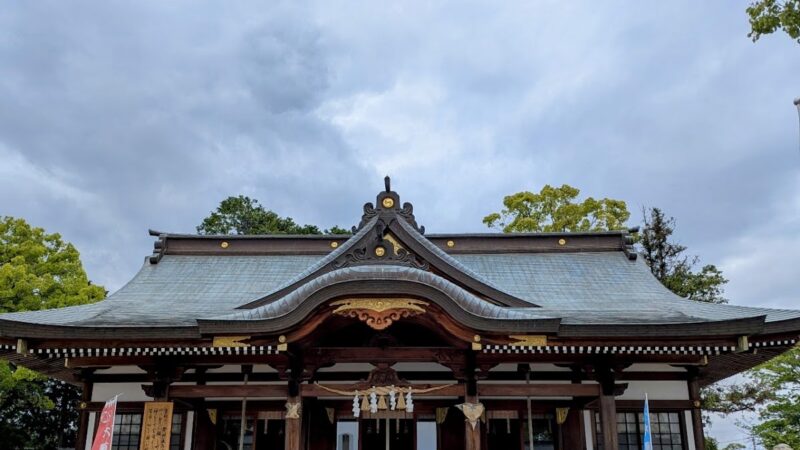
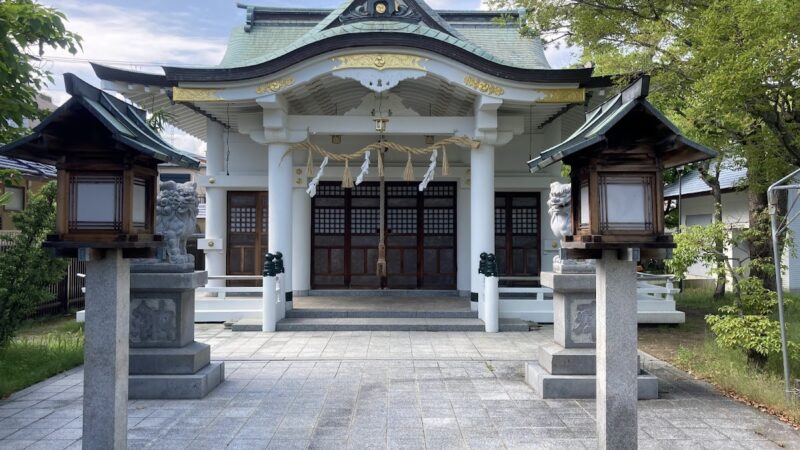
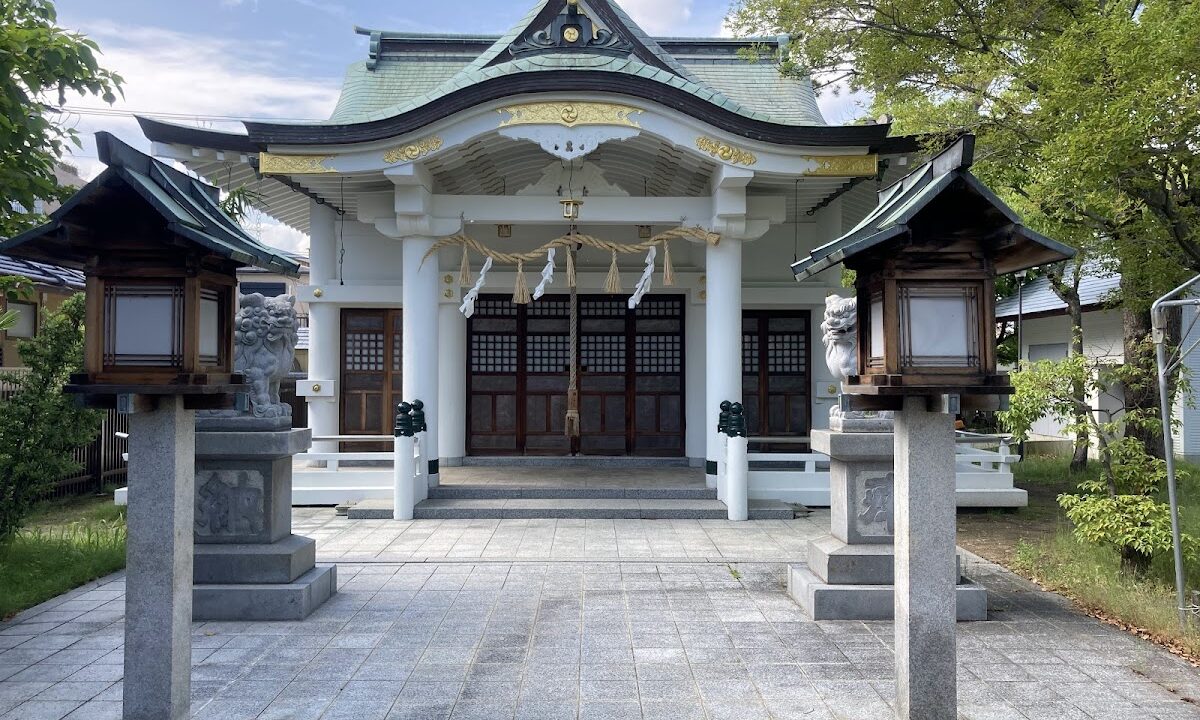
The current shrine building was rebuilt after the earthquake. While maintaining the style of traditional shrine architecture, it is a building that exudes the freshness of new wood. Though small, it is carefully maintained, conveying the affection the local people have for the shrine.
Trees and Environment of the Shrine Grounds
The trees that were replanted when the shrine was relocated after the earthquake have grown over the years, bringing lush greenery to the grounds. Despite being in an urban area, it is a space where you can feel nature, characterized by a bright and open atmosphere.
Although the grounds are small, you can feel the changing seasons and it also functions as a place of relaxation for local residents.
Quiet Presence
One of the greatest charms of Takagi Hachiman Shrine is its quiet and peaceful atmosphere. Despite being located in the urban area of Nishinomiya-Kitaguchi, stepping onto the shrine grounds envelops you in a silence that feels like another world.
This tranquility provides the perfect environment to soothe the fatigue of daily life and calm the mind.
Annual Events and Festivals
Spring Festival (March)
At Takagi Hachiman Shrine, the Spring Festival is held every March. During this festival, the traditional Shinto ritual “Yutate Kagura” is performed.
Yutate Kagura is a ritual in which boiling water from a large cauldron is sprinkled on worshippers using bamboo leaves. It is believed that being bathed in this water brings good health and protection from evil. As a traditional local event, many residents participate.
Summer Festival (July)
In July, the Summer Festival is held, and Yudate Kagura is also performed. This festival, held during the hot summer months, is meant to ward off summer diseases and calamities and pray for good health.
Children from the community also participate, making it a place for intergenerational exchange.
Daily Worship
Besides annual events, the shrine is also used for visits at important life milestones such as New Year’s Day, Shichi-Go-San (a traditional rite of passage for children), and exorcisms. As the local guardian deity, it is deeply rooted in the daily lives of the residents.
Access and Surrounding Information
Access by Train
Approximately 7-10 minutes on foot from Nishinomiya-Kitaguchi Station on the Hankyu Kobe Line and Imazu Line
Nishinomiya-Kitaguchi Station is a terminal station where the Hankyu Kobe Line and Imazu Line intersect, making it conveniently accessible from Osaka Umeda, Kobe Sannomiya, and Takarazuka.
Directions from the Station:
- Exit the northeast exit of Nishinomiya-Kitaguchi Station.
- Proceed northeast, keeping Hankyu Nishinomiya Gardens on your right.
- Continue through the residential area towards Takagi-cho.
- Arrive at 6-15 Takagi-Nishimachi.
Hankyu Nishinomiya Gardens is within walking distance, making it possible to combine a visit with shopping or dining.
Access by Car
Access from Major Roads:
- Approximately 1 km north from National Route 171
- Approximately 10 minutes from the Nishinomiya Interchange on the Hanshin Expressway Route 3 Kobe Line
While there is some parking space on the temple grounds, the number of spaces is limited, so we recommend using public transportation. Coin-operated parking lots nearby are also available.
Nearby Attractions
Hankyu Nishinomiya Gardens: One of the largest shopping malls in Western Japan, offering a wide variety of shops. Convenient for visiting before or after your visit.
Nishinomiya Kitaguchi Area: Many cafes and restaurants, perfect for enjoying gourmet food. Popular local bakeries and ramen shops are also scattered throughout the area.
Other Shrines and Temples: Nishinomiya City boasts numerous historical shrines, including Nishinomiya Shrine (Ebisu Shrine’s main shrine) and Hirota Shrine, making it a great place for shrine hopping.
Manners and Etiquette for Visiting a Shrine
Basic Shrine Visit Etiquette
- Bow Before Passing Through the Torii Gate: As a sign of respect before entering the sacred area, bow before the torii gate.
- Walking Along the Path: The center of the path is considered the path of the gods, so it is considered best to walk along the edges.
- Washing Ritual (If there is a washbasin):
- Hold the ladle in your right hand and wash your left hand.
- Switch the ladle to your left hand and wash your right hand.
- Switch the ladle back to your right hand, receive water in your left hand, and rinse your mouth.
- Finally, stand the ladle upright and wash the handle.
- Worship Ritual:
- Quietly place your offering in the offering box.
- Ring the bell if there is one.
- Two bows, two claps, one bow (bowing deeply twice, clapping twice, bowing deeply once).
- When Leaving: After leaving the torii gate, turn around and bow. ### Mindset When Visiting a Shrine
Visiting a shrine is an act of expressing gratitude and respect to the gods. Approach the shrine with a pure heart, as it is a place to express daily gratitude and pray for future happiness.
The Charm and Value of Visiting Takagi Hachiman Shrine
Warmth Rooted in the Community
The greatest charm of Takagi Hachiman Shrine lies in its history as a local guardian deity, cherished by residents, and the warm atmosphere that stems from it. Unlike large-scale tourist shrines, it plays a central role in the local community.
A Tranquil Space in the City
Despite being located in the urban area of Nishinomiya-Kitaguchi, the shrine grounds maintain a quiet and peaceful atmosphere. It offers solace to both local residents and visitors, providing a place to escape the hustle and bustle of everyday life and find peace of mind.
A Symbol of Recovery from Earthquake
Takagi Hachiman Shrine, which recovered from the Great Hanshin-Awaji Earthquake, is a symbol of community bonds and efforts toward recovery. The shrine, rebuilt after overcoming difficulties, is a source of pride for the community.
Easy Access
One of its attractions is its convenient location, within walking distance of Hankyu Nishinomiya-Kitaguchi Station. You can easily stop by while shopping or dining, enjoying shrine visits as part of your daily life.
Nishinomiya City’s Shrine Culture and Takagi Hachiman Shrine
Characteristics of Shrines in Nishinomiya City
Nishinomiya City is home to many historical shrines, including Nishinomiya Shrine, known as the “head shrine of Ebisu.” Many shrines with unique characteristics, such as Hirota Shrine and Koshikiwa Shrine, are located throughout the city.
Unlike these large shrines, Takagi Hachiman Shrine is a small, community-oriented shrine, closely integrated into the daily lives of residents.
The Importance of Local Deity Worship
In modern society, the weakening of local communities is a problem, but shrines like Takagi Hachiman Shrine, which enshrine local deities, play an important role in maintaining community bonds.
Through festivals and annual events, intergenerational exchanges are fostered, and the region’s traditional culture is passed down.
Advice for Visitors
Recommended Time to Visit
Takagi Hachiman Shrine is open year-round, but the following times are especially recommended:
- Spring Festival (March): A rare opportunity to witness the Yudate Kagura (hot water purification ritual)
- Summer Festival (July): A time to experience the vibrant atmosphere of the local community
- New Year’s Visit (January): Ideal for New Year’s prayers
- Mild Spring and Autumn Seasons: A suitable time to enjoy the natural beauty of the shrine grounds
Photography
Photography is generally permitted on the shrine grounds, but please note the following:
- Refrain from taking photos or obtain permission when Shinto rituals are being performed
- Be considerate of other visitors
- Refrain from taking photos inside the shrine buildings
- When posting on social media, be mindful of privacy, including location information
Goshuin (Shrine Seals)
Takagi Hachiman Shrine may offer Goshuin, but the shrine office may be unattended. If you wish to receive a Goshuin, it is recommended to check in advance.
Summary: The Value of Takagi Hachiman Shrine
Located in Takagi-Nishimachi, Nishinomiya City, Hyogo Prefecture, Takagi Hachiman Shrine has been cherished by residents as the local tutelary deity since ancient times. Its history of overcoming the hardships of the Great Hanshin-Awaji Earthquake and being rebuilt through the bonds of the community further enhances the shrine’s value.
Despite being in the heart of the city, Takagi Hachiman Shrine maintains a tranquil atmosphere, offering peace to visitors. Its convenient location, within walking distance of Hankyu Nishinomiya-Kitaguchi Station, is also a major draw, making it a must-visit shrine when in Nishinomiya.
With its warm, community-rooted atmosphere, traditional festivals, and significance as a symbol of recovery from the earthquake, Takagi Hachiman Shrine, though small in scale, is well worth a visit.
Why not extend your trip a little while shopping or dining in Nishinomiya-Kitaguchi and visit Takagi Hachiman Shrine? The time spent experiencing local history and culture, and offering quiet prayers, will surely bring a new richness to your daily life.