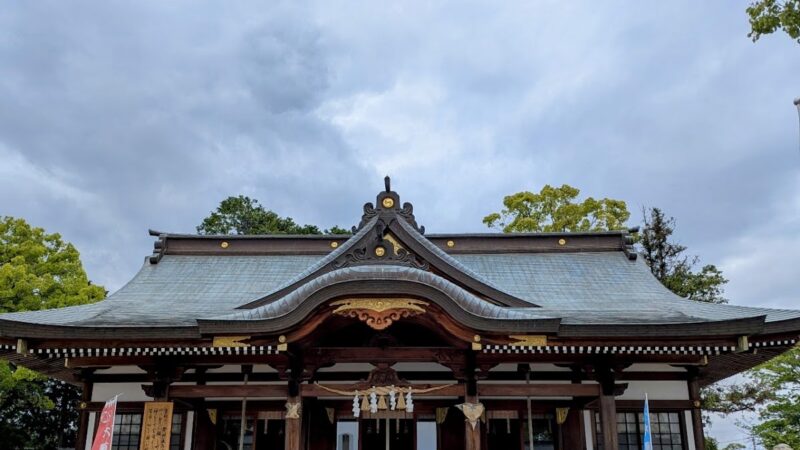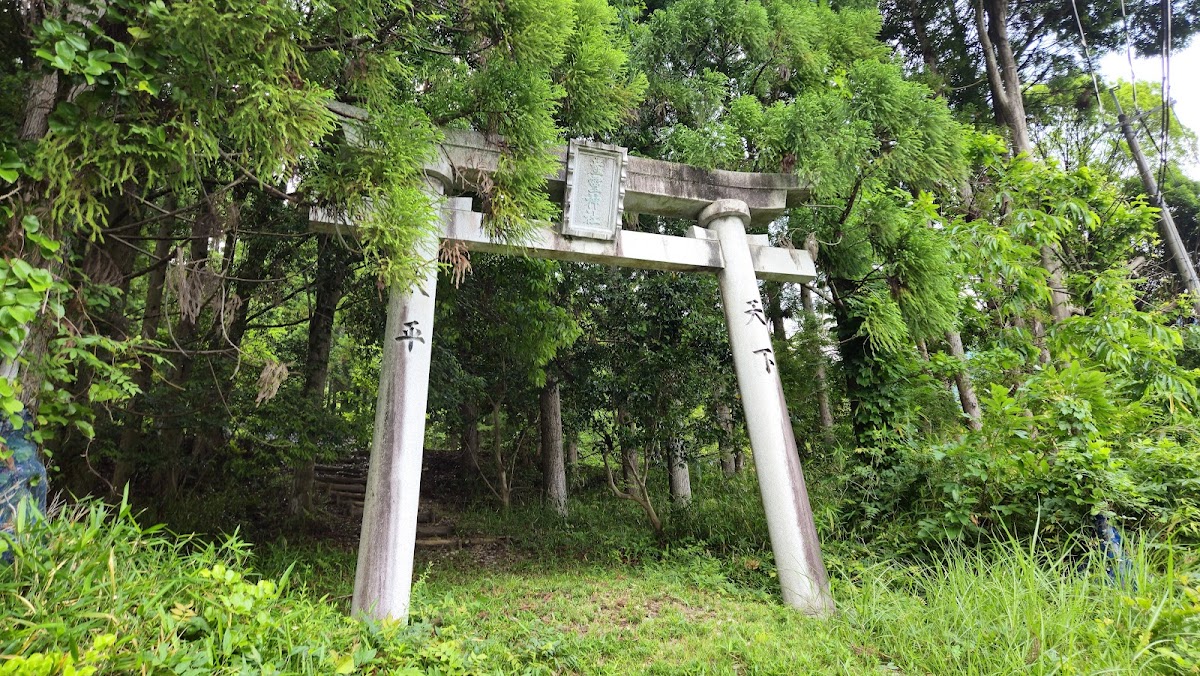
Complete Guide to Musubi Shrine (1093 Higashi-Ichiba, Ichinomiya-cho, Shiso City, Hyogo Prefecture)
Musubi Shrine, located at 1093 Higashi-Ichiba, Ichinomiya-cho, Shiso City, Hyogo Prefecture, is a shrine that preserves the history and beliefs of the region. This article provides detailed information about Musubi Shrine, from its basic information and enshrined deities to access methods and information about surrounding shrines.
Basic Information about Musubi Shrine
Location and Contact Information
Official Name: Musubi Shrine (産靈神社)
Location: 1093 Higashi-Ichiba, Ichinomiya-cho, Shiso City, Hyogo Prefecture 671-4132
Corporate Number: 6140005007021
Jurisdiction: Hyogo Prefectural Shrine Association
Musubi Shrine is located in the Higashi-Ichiba district of Ichinomiya-cho, Shiso City, Hyogo Prefecture, and has been revered as the local guardian deity since ancient times. Shiso City is located in the central-western part of Hyogo Prefecture and is a region blessed with a rich natural environment.
Regarding the spelling of the shrine
Musubi Shrine is also written as “Musubi-jinja.” “霊” and “靈” are simply differences in the old and new forms of the characters, referring to the same shrine. While “Musubi-jinja” is often used in official documents, “Musubi Shrine” is also widely used in general.
Deities and Beliefs
About the deities of Musubi
The name Musubi Shrine originates from the “Musubi” deities in Japanese mythology. The Musubi deities appear in the Kojiki and Nihon Shoki as fundamental deities involved in the creation of heaven and earth and the birth of life.
Representative deities of Musubi include the following:
- Takamimusubi-no-Kami: The god of creation, one of the three creation deities
- Kamimusubi-no-Kami: The god who presides over generation and union
- Musubi-no-Okami: A collective term for these deities
These deities are believed to possess the power to create and unite all things, and are associated with the birth of life, abundant harvests, matchmaking, and safe childbirth.
Local Beliefs
Musubi Shrine in Ichinomiya-cho, Shiso City, is deeply rooted in the lives of the local residents as their tutelary shrine. Given the region’s thriving agriculture, it is believed that prayers for abundant harvests, family safety, and prosperity of descendants have been offered there.
Overview of Shrines in Shiso City, Hyogo Prefecture
Statistics on Shrines in Shiso City
Shiso City, Hyogo Prefecture, has 127 shrines, making it one of the areas with the highest density of shrines in the prefecture. This reflects the history of Shiso City being a settled area since ancient times, with each settlement having its own tutelary deity.
Shrines in Shiso City are distributed in the following areas:
- Ichinomiya-cho: The area where the Musubi Shrine is located
- Yamazaki-cho: The city center
- Haga-cho: The northern area
- Chikusa-cho: The western area
Number of Shrines in Hyogo Prefecture
Hyogo Prefecture as a whole has 3,837 shrines, making it one of the prefectures with the highest number of shrines in Japan. This reflects Hyogo Prefecture’s history of being close to the Kinai region since ancient times and its cultural development.
Major shrines in Hyogo Prefecture include:
- Izanagi Shrine (Awaji City)
- Ikuta Shrine (Kobe City)
- Hirota Shrine (Nishinomiya City)
- Harima-no-Kuni Soja Shrine (Himeji City)
How to Access Musubi Shrine
Access by Public Transportation
Nearest Station: JR Kishin Line “Harima-Ichinomiya Station”
Musubi Shrine is approximately 3km from Harima-Ichinomiya Station. Taking a taxi from the station is convenient. Community buses may also be operating; please check the latest information on the Shiso City official website.
Access by Car
Major Road: National Route 29
- From Himeji: Head north on National Route 29 to the Higashi-Ichiba area of Ichinomiya Town
- From Tottori: Head south on National Route 29 to the Higashi-Ichiba area of Ichinomiya Town
It is approximately 15 minutes from the Chugoku Expressway “Yamazaki IC”.
Parking Information
As this is a small local shrine, it is recommended to check in advance whether there is a dedicated parking lot. When visiting, please be considerate of nearby residents and avoid causing any inconvenience.
Information on Nearby Shrines
Major Shrines in Ichinomiya-cho, Shiso City
Several shrines are located in Ichinomiya-cho, near Musubi Shrine:
Niwata Shrine
- Location: 1286 Nokura, Ichinomiya-cho, Shiso City, Hyogo Prefecture
- One of the representative shrines of Ichinomiya-cho
Suwa Shrine
- Located within Ichinomiya-cho
- A shrine established by inviting a deity from Suwa Grand Shrine in Shinano Province
Kasuga Shrine
- Located within Ichinomiya-cho
- A shrine established by inviting a deity from Kasuga Grand Shrine in Nara
These shrines each enshrine different deities and support local faith.
Musubi Shrine in Shiso City
Besides the Musubi Shrine in Higashiichiba, Ichinomiya-cho, Shiso City, there is another shrine with the same name:
Musubi Shrine (Shioda, Yamazaki-cho)
- Address: 514 Shioda, Yamazaki-cho, Shiso City, Hyogo Prefecture
- Postal Code: 671-2563
- Corporate Number: 6140005007016
This is also a shrine that enshrines the god of Musubi, but it is a different shrine. Please check the address carefully before visiting.
History and Culture of Shiso City
Formation of Shiso City
Shiso City was formed on April 1, 2005 (Heisei 17) through the merger of four towns: Yamazaki-cho, Ichinomiya-cho, Haga-cho, and Chigusa-cho. The city name “Shisō” originates from the ancient county name “Shisawa-no-kōri.”
History of Ichinomiya Town
Ichinomiya Town developed as a temple town for Iwa Shrine, the Ichinomiya (first-ranked shrine) of Harima Province. The name “Ichinomiya” comes from the fact that Iwa Shrine was the most prestigious shrine (Ichinomiya) in Harima Province.
The Higashi-Ichiba district, where Musubi Shrine is located, flourished as a market town from ancient times and was one of the centers of the local economy.
Local Cultural Properties
Shisō City has many cultural properties:
- Iwa Shrine: Ichinomiya of Harima Province, main hall designated as a National Important Cultural Property
- Mikata Shrine: Important historical building
- Hara Fudo Falls: One of Japan’s Top 100 Waterfalls
These cultural properties convey the rich history and nature of Shisō City to the present day.
Basic Manners for Visiting a Shrine
Etiquette for Visiting a Shrine
Here are the basic manners for visiting Musubi Shrine:
- Bow before passing through the torii gate
- As a sign of respect before entering the sacred area
- Purify yourself at the water basin
- Purify your left hand, then your right hand, then your mouth
- Walking along the approach
- Walk along the edge of the approach, as the center is considered the path of the gods
- Worship at the main hall
- The basic method is two bows, two claps, and one bow
- If there is a bell, ring it before bowing
- Bow again at the torii gate when leaving
- As a sign of gratitude when leaving the sacred area
Attire for Visiting a Shrine
Unless it is a special festival, clean clothing is acceptable. However, please note the following:
- Avoid overly revealing clothing.
- Remove your hat before passing through the torii gate.
- Remove your sunglasses.
Shrine Culture in Hyogo Prefecture
Association of Shinto Shrines and Hyogo Prefectural Association of Shinto Shrines
Musubi Shrine belongs to the Hyogo Prefectural Association of Shinto Shrines. As a local branch of the Association of Shinto Shrines, which oversees shrines nationwide, the Hyogo Prefectural Association of Shinto Shrines supports the management and operation of shrines within the prefecture.
The Hyogo Prefectural Association of Shinto Shrines provides information on shrines, trains Shinto priests, and supports festivals. It also provides a “Shrine Search” system, widely disseminating information on shrines within the prefecture.
Major Shrines in Hyogo Prefecture
Hyogo Prefecture has many historically important shrines:
Awaji Island
- Izanagi Shrine: One of the oldest shrines in Japan
- Onokoro-jima Shrine: The setting of the creation myth
Kobe/Hanshin Area
- Ikuta Shrine: The origin of the name Kobe
- Hirota Shrine: Dedicated to the fierce spirit of Amaterasu Omikami
Harima Area
- Harima-no-kuni Soja: The chief guardian shrine of Harima Province
- Iwa Shrine: The Ichinomiya (first-ranked shrine) of Harima Province
Tajima Area
- Izushi Shrine: The Ichinomiya (first-ranked shrine) of Tajima Province
- Awaga Shrine: Another Ichinomiya (first-ranked shrine) of Tajima Province
Shrines in Neighboring Prefectures
Shrine Culture in Surrounding Areas
Shiso City in Hyogo Prefecture is located near the border with Okayama and Tottori Prefectures. There are also distinctive shrines in the surrounding areas:
Okayama Prefecture
- Kibitsu Shrine: A shrine associated with the Momotaro legend
- Kibitsuhiko Shrine: The Ichinomiya (first-ranked shrine) of Bizen Province
Tottori Prefecture
- Ube Shrine: The Ichinomiya (first-ranked shrine) of Inaba Province
- Ogamiyama Shrine: The Ichinomiya (first-ranked shrine) of Hoki Province
Kyoto Prefecture
- Kamigamo Shrine: The Ichinomiya (first-ranked shrine) of Yamashiro Province
- Shimogamo Shrine: Another Ichinomiya (first-ranked shrine) of Yamashiro Province
Osaka Prefecture
- Sumiyoshi Taisha: The Ichinomiya (first-ranked shrine) of Settsu Province
- Ikusuri Shrine: Another Ichinomiya (first-ranked shrine) of Settsu Province
Visiting these shrines will allow you to gain a deeper understanding of the shrine culture of Western Japan.
Shiso City Tourism Information
Natural Scenery
Shiso City is a region blessed with abundant nature:
Hara Fudo Falls
- One of Japan’s Top 100 Waterfalls
- A magnificent waterfall with a drop of 88 meters
- A famous spot for autumn foliage
Onzui Valley
- One of Japan’s Top 100 Forests for Forest Bathing
- A valley with clear streams and lush greenery
Akanishi Valley
- A valley with beautiful fresh greenery and autumn foliage
Local Products
Shiso Beef
- A brand of beef inheriting the bloodline of Tajima beef
Mochi Soybeans
- A soybean variety unique to Shiso City
Shiso Forest Kingdom Pork
- A regional brand of pork
Hot Spring Facilities
Chikusa Kogen Onsen
- A hot spring facility located in Chikusa Town
Haga Onsen
- Day-trip hot springs in Haga Town
When visiting the Musubi Shrine, visiting these other tourist spots will allow you to experience the charm of Shiso City more deeply.
Annual Events and Festivals
General Annual Events at Shrines
It is believed that the following annual events are held at Musubi Shrine, similar to those at other shrines:
January
- Saitansai (New Year’s Day Festival): A festival celebrating the New Year
- Hatsumōde (First Shrine Visit of the Year): A visit to the shrine at the beginning of the year
February
- Setsubunsai (Bean-Throwing Festival): Including bean-throwing
- Kinensai (Prayer for a Bountiful Harvest): A prayer for a bountiful harvest
Spring
- Spring Grand Festival: The grand festival of spring
Summer
- Natsukoshi no Harae (Summer Purification Ceremony): A purification ceremony to cleanse oneself of the impurities accumulated over the past six months
Autumn
- Autumn Grand Festival: The grand festival of autumn
- Niinamesai (Harvest Festival): A festival to give thanks for the harvest
Winter
- Ōharae (Great Purification Ceremony): A purification ceremony to cleanse oneself of the impurities accumulated over the past year
For specific festival dates, please check local bulletin boards or city newsletters.
Shrine Databases and Information Search
Online Shrine Information
In modern times, it is possible to search for information on shrines nationwide via the internet:
Shrine Association Official Website
- Basic Information on Shrines Nationwide
- Explanation of Shinto
Hyogo Prefecture Shrine Association
- Search System for Shrines within the Prefecture
- Shrine Database
Private Shrine Information Sites
- Yaoyorozu no Kami (Eight Million Gods)
- Shrine Search
- Other Temple and Shrine Databases
These sites allow you to search for basic information such as location, enshrined deities, and corporate number.
Corporate Number System
The corporate number for Musubi Shrine is “6140005007021”. The corporate number is a 13-digit number assigned to corporations by the National Tax Agency, and is also assigned to shrines, which are religious corporations.
This number allows for accurate identification of shrines with the same name and is used for administrative procedures and information management.
Local Communities and Shrines
Role as a Guardian Deity
Musubi Shrine, as the guardian deity of the Higashi-Ichiba district, plays a spiritual role in the local community.
Role of the Guardian Deity:
- Protecting the safety and prosperity of local residents
- Building community bonds through seasonal festivals
- Passing on traditional culture
- Watching over the healthy growth of children
Shrines and Community Activities
Many local shrines engage in the following activities:
- Cleaning Activities: Cleaning of the shrine grounds by parishioners
- Festival Preparations: Cooperation by local residents
- Children’s Portable Shrine: Participation of local children
- Lion Dance: Passing on traditional performing arts
Through these activities, intergenerational exchanges are fostered, deepening community bonds.
How to Use with Your Smartphone
Using Map Apps
When visiting Musubi Shrine, a smartphone map app is convenient:
Address Input:
Entering “1093 Higashi-Ichiba, Ichinomiya-cho, Shiso City, Hyogo Prefecture” will display the exact location.
Navigation Function:
Route guidance from your current location is available.
Aerial Photo Mode:
You can check the surrounding terrain and building layout.
Shrine Information Apps
Specialized shrine information apps are also available:
- Goshuincho (stamp book) app
- Shrine search app
- Visit record app
By using these, you can keep a record of your visit and refer to information from other visitors.
Summary
Musubi Shrine (1093 Higashi-Ichiba, Ichinomiya-cho, Shiso City, Hyogo Prefecture) is a shrine that has long been revered as the local guardian deity. It enshrines the god of Musubi (connection) and is believed to have divine blessings related to the birth of life, abundant harvests, and matchmaking. Shiso City has 127 shrines, and Musubi Shrine is one of them, supporting the local faith. Hyogo Prefecture as a whole has 3,837 shrines, and the ancient religious culture still thrives there.
The nearest station is Harima-Ichinomiya Station on the JR Kishin Line, and by car, use National Route 29. Several other shrines, including Niwata Shrine, Suwa Shrine, and Kasuga Shrine, are located in the surrounding area.
When visiting Musubi Shrine, please observe basic worship etiquette and offer a quiet prayer while reflecting on the history and culture of the region. Visiting Shiso City’s rich nature and historic shrines will allow you to gain a deeper understanding of traditional Japanese culture.
Frequently Asked Questions (FAQ)
Q1: What is the deity enshrined at Musubi Shrine?
A1: Musubi Shrine is a shrine that enshrines the god of “Musubi” (connection/relationship). Specifically, the enshrined deities include Takamimusubi-no-Kami and Kamimusubi-no-Kami, gods associated with the creation of heaven and earth and the birth of life. These deities are believed to possess the power to create and connect all things, and are associated with blessings such as abundant harvests, matchmaking, and safe childbirth.
Q2: How do I access Musubi Shrine?
A2: The nearest public transportation to Musubi Shrine (1093 Higashi-Ichiba, Ichinomiya-cho, Shiso City, Hyogo Prefecture) is Harima-Ichinomiya Station on the JR Kishin Line. Since it’s about 3km from the station, taking a taxi is recommended. By car, take National Route 29; it’s about 15 minutes from the Yamazaki Interchange on the Chugoku Expressway.
Q3: Are there other Musubi Shrines in Shiso City?
A3: Yes, in addition to the Musubi Shrine in Higashi-ichiba, Ichinomiya-cho, Shiso City, there is another Musubi Shrine with the same name at 514 Shioda, Yamazaki-cho (corporate number 6140005007016). Since these are different shrines, please carefully check the location before visiting. The corporate number for the Musubi Shrine in Higashi-ichiba, Ichinomiya-cho is 6140005007021.
Q4: How many shrines are there in Shiso City?
A4: There are a total of 127 shrines in Shiso City, Hyogo Prefecture. This is one of the highest shrine densities in the prefecture, reflecting the long history of local shrines being worshipped in each settlement. The city is divided into four areas: Ichinomiya-cho, Yamazaki-cho, Haga-cho, and Chigusa-cho, with many shrines located in each area.
Q5: Are there any tourist attractions around Musubi Shrine?
A5: Shiso City has many tourist attractions. Famous ones include Hara Fudo Falls, selected as one of Japan’s Top 100 Waterfalls; Onzui Valley, one of Japan’s Top 100 Forests for Forest Bathing; and Iwa Shrine, the Ichinomiya (first-ranked shrine) of Harima Province. You can also enjoy local specialties such as Shiso beef and mochi soybeans. There are also hot spring facilities, allowing you to fully enjoy the nature and culture of Shiso City in conjunction with a visit to Musubi Shrine.
Q6: What are the basic manners for visiting a shrine?
A6: The basic manners for visiting a shrine are as follows: (1) Bow before passing through the torii gate, (2) Cleanse your hands at the water basin in the order of left hand, right hand, and mouth, (3) Walk along the edge of the path, (4) Bow twice, clap twice, and bow once at the main hall, (5) Bow once again at the torii gate on your way out. Clean clothing is acceptable, but avoid excessive exposure, and remove hats and sunglasses.
Q7: How many shrines are there in Hyogo Prefecture as a whole?
A7: There are 3,837 shrines in Hyogo Prefecture as a whole. This makes it one of the prefectures with the most shrines in Japan, reflecting its history of cultural development since ancient times due to its proximity to the Kinai region. There are also many historically important shrines, such as Izanagi Shrine, Ikuta Shrine, Hirota Shrine, and Harima Province Grand Shrine.