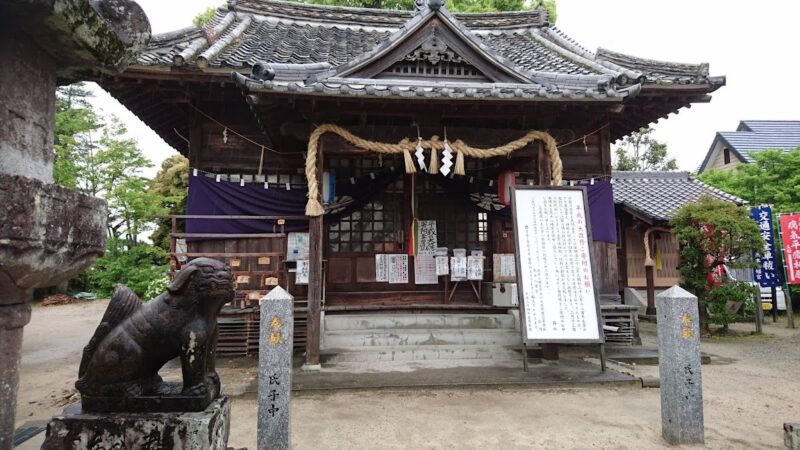
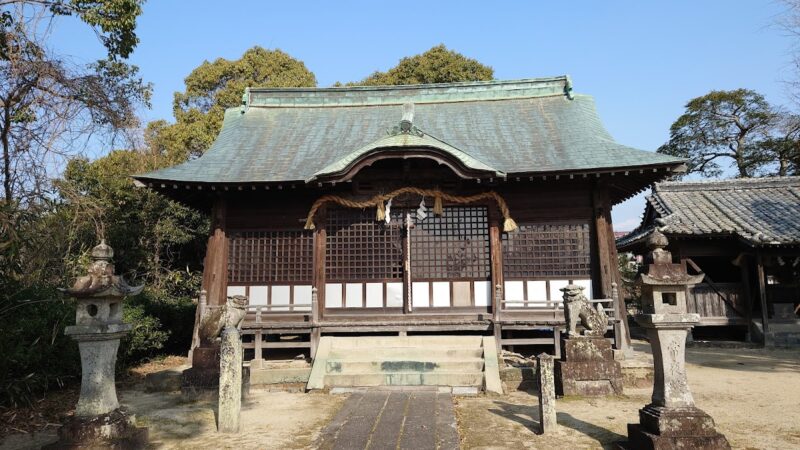
Otogo Shrine (Saga City) Complete Guide | Sacred Camphor Tree, History, and Access Information
Otogo Shrine, located in Saga City, Saga Prefecture, is a historic shrine that has long been cherished by the local community. In particular, the enormous camphor tree, hundreds of years old, towering over the shrine grounds, is designated as a protected tree by Saga City, creating a sacred space where nature and faith are fused. This article comprehensively covers information useful for local residents and visitors to Saga Prefecture alike, including the history of Otogo Shrine, its enshrined deities, details of the sacred tree, visiting information, and access methods.
What is Otogo Shrine? | A Historic Guardian Shrine in Saga City
Otogo Shrine, located in Saga City, Saga Prefecture, is a local guardian shrine that has long attracted the faith of local residents. Its unique name, “Otogo,” is deeply intertwined with the region’s history and culture, making it one of the most distinctively named shrines in Saga Prefecture.
There are several shrines in Saga Prefecture with the similar name “Otomiya Shrine.” In Ashikari-cho, Ogi City, there is an Otomiya Shrine dedicated to Tagorihime-no-Mikoto, Ichikishimahime-no-Mikoto, and Takitsuhime-no-Mikoto. There is also an Otomiya Shrine in Ushizu-cho, Ogi District. While these shrines and Otogo Shrine share similar names, they are all independent and separate shrines, and care should be taken not to confuse them.
Saga City boasts numerous historically important shrines, including Yoga Shrine (founded in 564 AD), Saga Prefecture Gokoku Shrine (founded in 1870), Yotohime Shrine (the Ichinomiya of Hizen Province), and Saga Shrine. Otogo Shrine, too, has played a vital role in Saga City’s shrine culture, serving as a spiritual pillar for the region.
The Sacred Tree of Otogo Shrine | A Camphor Tree Designated as a Protected Tree by Saga City
An indispensable element when discussing Otogo Shrine is the gigantic camphor tree that stands tall within its grounds. This camphor tree is officially designated as a protected tree by Saga City and is listed on the Saga City official website’s list of protected trees as “30. The Camphor Tree of Otogo Shrine.”
Characteristics and Value of the Camphor Tree
The camphor tree (Cinnamomum camphora) is an evergreen tree belonging to the laurel family, and is a representative giant tree species of Japan, growing wild and being cultivated mainly in western Japan. It is not uncommon for them to exceed 20 meters in height, and individuals ranging from several hundred to over a thousand years old exist in various locations. The camphor tree at Otogo Shrine is also thought to be quite old, and its majestic appearance deeply impresses visitors.
The camphor tree has been treated as a sacred tree since ancient times and is a species often planted within the grounds of shrines. The reasons for this designation are as follows:
- Longevity: Its vitality allows it to live for hundreds or even over a thousand years.
- Evergreen Nature: It remains green throughout the year, symbolizing eternity.
- Aromatic Nature: Its unique scent, the raw material for camphor, is believed to ward off evil spirits.
- Gigantic Nature: When fully grown, it exhibits an overwhelming presence, symbolizing a sacred area.
Saga City’s Preservation Tree System
Saga City has a system in place to designate valuable trees within the city as protected trees and to protect and preserve them. To be designated as a protected tree, it must meet criteria such as age, height, trunk circumference, beauty of its shape, and historical and cultural value.
The fact that the camphor tree at Otogo Shrine has been designated as Protected Tree No. 30 indicates that this tree is an important natural heritage for Saga City. Just as the 1400-year-old camphor tree at Yoga Shrine is designated a natural monument of Saga Prefecture, many camphor trees of high historical value exist in Saga City and Saga Prefecture, and the camphor tree at Otogo Shrine is one of them, carefully preserved.
Faith as a Sacred Tree
Giant trees growing within the grounds of shrines are generally not merely trees, but are objects of worship as “sacred trees.” It is believed that gods reside in these sacred trees, and worshippers clasp their hands together before them, praying for health, longevity, family safety, business prosperity, and more.
The camphor tree at Otogo Shrine is also a special presence for the local people, revered as a “living witness” that has watched over the history of the region for many years. The tree’s vitality provides energy and healing to worshippers, serving as a spiritual support.
Deities and History of Otogo Shrine
While information on the detailed deities and founding date of Otogo Shrine is currently limited, it is certain that it has a long history as a local guardian shrine.
Looking at “Otomiya” shrines in Saga Prefecture, the Otomiya Shrine in Ashikari-cho, Ogi City, enshrines the Munakata Three Goddesses (Tagorihime-no-Mikoto, Ichikishimahime-no-Mikoto, and Takitsuhime-no-Mikoto). The Munakata Three Goddesses are worshipped as goddesses of the sea and traffic safety, and are also revered as goddesses of performing arts and wealth, often syncretized with Benzaiten.
The character “Otsu” in Otogo Shrine may originate from ancient land divisions or place names. In ancient Japan, land was sometimes divided into “Ko, Otsu, Hei, Tei,” with “Otsu” indicating the second category. Furthermore, since it is also used in words indicating femininity, such as “Otome” (maiden) and “Otohime” (princess), it is possible that a goddess is enshrined there.
Looking at the deities enshrined in major shrines around Saga City:
- Yoga Shrine: Toyotama-hime no Mikoto (daughter of the sea god, model for Otohime in the Ryugu legend)
- Yotohime Shrine: Yotohime no Mikoto (identified with Toyotama-hime no Mikoto)
- Saga Shrine: Nabeshima Naomasa and Nabeshima Naohiro (lords of the Saga domain)
- Saga Prefecture Gokoku Shrine: Approximately 35,000 war dead from Saga Prefecture since the Meiji Restoration
As you can see, shrines in Saga City enshrine a diverse range of deities, including goddesses of the sea, local heroes, and war dead. It is believed that Otogo Shrine also enshrines deities rooted in the characteristics and history of the region.
The Shrine Culture of Saga Prefecture and the Position of Otogo Shrine
Numerous shrines within Saga Prefecture are under the jurisdiction of the Saga Prefecture Shrine Association, which oversees shrines within Saga Prefecture as part of the organization of the Association of Shinto Shrines. The Saga Prefectural Shrine Association is located in Kawahara-cho, Saga City, Saga Prefecture, and is engaged in promoting shrines within the prefecture, training Shinto priests, and disseminating Shinto culture.
Role of the Saga Prefectural Shrine Association
The Saga Prefectural Shrine Association engages in the following activities:
- Comprehensive Support and Coordination of Shrines: Supporting the operation and coordinating liaison of shrines within the prefecture
- Training and Development of Shinto Priests: Providing training programs specifically for Shinto priests within its jurisdiction
- Dissemination of Shinto Culture: Promoting understanding of Shinto in local communities
- Youth Organization Activities: Nurturing young Shinto priests through organizations such as the Saga Prefectural Shinto Youth Association
The Saga Prefectural Shrine Association’s website allows users to search for shrines within the prefecture on a map, and the map pins are color-coded according to whether or not they offer Goshuin (shrine stamps). These efforts make visiting shrines in Saga Prefecture more accessible.
Relationship with Major Shrines in Saga City
Saga City has 168 registered shrines and temples (according to the Omairi website), making it a region with a high density of shrines. Otogo Shrine plays a role as a spiritual center of the local community as part of this Saga City shrine network.
In particular, some of the representative shrines in Saga City include:
- Yoga Shrine: An ancient shrine built by imperial decree in the 25th year of Emperor Kinmei’s reign (564 AD). The gate tower from the Muromachi period is a nationally important cultural property, and the 1400-year-old camphor tree is a prefectural natural monument.
- Yotohime Shrine: An ancient shrine with the highest rank as the Ichinomiya (first shrine) of Hizen Province.
- Saga Shrine: A shrine dedicated to the Nabeshima clan, lords of the Saga Domain.
- Saga Prefecture Gokoku Shrine: Founded in 1870, a Gokoku shrine dedicated to those who died in war.
- Ryuzoji Hachimangu Shrine: A shrine associated with the Ryuzoji clan, a powerful daimyo family of the Sengoku period.
Compared to these large-scale shrines, Otogo Shrine is a more familiar object of worship as a community-oriented guardian shrine. While large shrines attract worshippers from a wide area, local guardian shrines function as the center of daily religious life, playing a role in strengthening community bonds through local festivals and annual events.
How to access Otogo Shrine
For specific access information to Otogo Shrine, please refer to the information listed in the list of preserved trees on the official Saga City website. ### Transportation in Saga City
The following are common modes of transportation when visiting shrines in Saga City:
Public Transportation:
- Bus routes originate from JR Saga Station and operate throughout the city.
- Saga City Buses and Showa Buses are available.
- Bus services to major shrines are relatively frequent.
Car:
- Access to Saga City is convenient by car.
- Many shrines have parking lots for visitors.
- Access to various parts of the city is possible from the Nagasaki Expressway Saga Yamato Interchange.
Walking/Cycling:
- Shrines in the central part of Saga City can be visited on foot or by bicycle.
- Rental bicycle services are also available.
Combining Visits to Nearby Shrines
Since there are many shrines scattered throughout Saga City, when visiting Otogo Shrine, we recommend combining your visit with a visit to nearby shrines. You can plan an efficient pilgrimage route by utilizing the Saga Shrine Pilgrimage website (operated by young Shinto priests in Saga Prefecture) or the map function of the Saga Prefectural Shrine Association. For those who enjoy collecting Goshuin (temple/shrine stamps), a popular route involves visiting shrines in Saga City that offer Goshuin. Saga Shrine, Ushijima Tenmangu Shrine, and Yotohime Shrine are particularly popular Goshuin spots.
Points to Remember When Visiting Otogo Shrine
Etiquette for Visiting a Shrine
Following the basic etiquette for visiting a shrine will make your visit more meaningful:
- Bow at the Torii Gate: Bow before passing through the torii gate to signal your entry into the sacred area.
- Purification at the Water Basin: Purify your left hand, then your right hand, then your mouth.
- Walking Along the Path: The center of the path is considered the path of the gods, so walk along the sides.
- Worship at the Main Hall: The basic method is two bows, two claps, one bow (two bows, two claps, one bow).
- Respect for the Sacred Tree: Put your hands together in front of the camphor tree to express your gratitude.
Seasonal Highlights
The camphor tree is an evergreen, but it shows different expressions depending on the season:
- Spring: A beautiful time of fresh greenery; feel the vitality of the sprouting young leaves.
- Summer: Lush, deep green leaves create a cool, shady resting space.
- Autumn: The time when old leaves fall and are replaced by new ones.
- Winter: The strength of the evergreen stands out, and its ability to maintain its green color even in the harsh cold is truly moving.
Photography Etiquette
Regulations regarding photography of sacred trees and shrine grounds vary by shrine. Generally, please observe the following etiquette:
- Refrain from taking photos inside the main hall.
- Remember to be considerate of other worshippers.
- Obtain permission in advance for commercial use.
- When posting on social media, accurately state the location and shrine name, and strive for respectful language.
Saga City’s Protected Tree Tour
The camphor tree at Otogo Shrine is one of Saga City’s protected trees, but many other protected trees are designated throughout the city. A tour of protected trees is a unique Saga City sightseeing style that allows you to enjoy nature and history simultaneously.
The official Saga City website lists protected trees, introducing the location, species, and characteristics of each tree. Many trees are designated as sacred trees of the shrines, and combining a visit to the shrines with a tour of these protected trees will make for a more fulfilling experience.
In particular, the 1400-year-old camphor tree at Yoga Shrine is designated as a natural monument of Saga Prefecture and is a must-see as a representative giant tree of Saga City. Visiting it together with the camphor tree at Otogo Shrine will give you a deeper understanding of Saga City’s culture of giant trees.
Connections with the Community | The Role of the Local Shrine
Local shrines like Otogo Shrine fulfill roles beyond mere religious institutions:
Center of the Community
- Festivals and Events: Providing opportunities for local residents to gather, such as the spring and autumn festivals and the summer festival.
- Life Cycle Rituals: A place to celebrate life milestones, such as the first shrine visit for a newborn, Shichi-Go-San (a traditional rite of passage for children), and exorcism rituals.
- Preservation of Local History: A role in passing on local history and traditions across generations.
Preservation of the Natural Environment
The shrine grounds, as a “guardian forest,” play a vital role in preserving valuable green spaces even amidst increasing urbanization. The camphor tree at Otogo Shrine is not merely a single tree, but an important element supporting the surrounding ecosystem. It serves as a habitat for birds and insects, contributing to the conservation of biodiversity.
Spiritual Pillar
Even in modern society, shrines continue to function as a spiritual anchor. The time spent away from the hustle and bustle of daily life, finding peace in the tranquil sacred space, is a precious opportunity for healing for modern people. ## MENU | Access to Otogo Shrine Information
If you are looking for information about Otogo Shrine, please use the following resources:
Official Information Sources
- Saga City Official Website: Information on protected trees, information on cultural properties in the city
- Saga Prefecture Shrine Association: Comprehensive information on shrines in the prefecture, shrine map
- Saga Shrine Pilgrimage: Shrine information site by young Shinto priests
Sites Useful for Planning Your Pilgrimage
- NAVITIME: List of shrines in Saga City, Saga Prefecture, access information
- Jalan.net: Ranking of shrines in Saga City, tourist information
- Hotokami: Ranking of shrines and temples in Saga Prefecture, information on Goshuin (shrine stamps)
- Omairi: Popular ranking of Goshuin, shrines, and temples in Saga City
Contact Information
For specific visiting hours, festival dates, Goshuin availability, etc., please contact the Saga Prefecture Shrine Association (telephone inquiries accepted) or the Cultural Properties Division of Saga City Hall. The Saga Prefectural Shrine Association is located in Kawahara-cho, Saga City, Saga Prefecture. It has a dedicated contact point for Shinto priests within its jurisdiction, and also handles inquiries from the general public.
Summary | The Charm and Value of Otogo Shrine
Otogo Shrine, located in Saga City, Saga Prefecture, is a historic guardian shrine with a giant camphor tree hundreds of years old as its sacred tree. Designated as Saga City’s protected tree No. 30, this camphor tree is a living cultural heritage that has watched over the history of the region, deeply moving visitors.
While Saga City boasts numerous famous shrines such as Yoga Shrine, Saga Prefectural Gokoku Shrine, Yotohime Shrine, and Saga Shrine, community-oriented guardian shrines like Otogo Shrine also play a vital role as a spiritual pillar of the local community. The greatest charm of Otogo Shrine lies in its tranquil and intimate atmosphere, unlike large-scale shrines, where nature and faith harmonize.
The shrines in Saga Prefecture, encompassed by the Saga Prefectural Association of Shinto Shrines, are part of the organization of the Association of Shinto Shrines, and, including the activities of young Shinto priests such as the Saga Prefectural Shinto Youth Association, they are passing on traditional Shinto culture to the modern age. Otogo Shrine also plays a part in this Saga Prefecture shrine network, strengthening community bonds through local festivals and annual events.
When visiting Saga City, be sure to visit not only the famous tourist shrines, but also local guardian shrines like Otogo Shrine. Experiencing the quiet presence emanating from the protected camphor tree and the warmth of the faith rooted in the community will allow you to gain a deeper understanding of Saga’s shrine culture.
When searching for shrines by keyword, you can efficiently visit various shrines in Saga Prefecture by utilizing the map function of the Saga Prefectural Association of Shinto Shrines or the Saga Shrine Pilgrimage website. For those who enjoy collecting Goshuin (shrine stamps), Saga City is an attractive area with a diverse array of shrines.
Why not experience the rich nature, history, and vibrant culture of faith of Saga City through a visit to Otogo Shrine?