Complete Guide to Shimen Shrine (Saga City) | Thorough Explanation of Deities, Benefits, Access, and Visiting Hours
Shimen Shrine, located in Saga City, is a historic shrine that has been cherished by locals for a long time. This article provides all the information you need to know before visiting, including the deities enshrined at Shimen Shrine, its benefits, highlights of the grounds, detailed access information, and proper etiquette for visiting.
What is Shimen Shrine? | A Historic Shrine in Saga City
Shimen Shrine is a shrine located in Saga City, Saga Prefecture, and has long been revered as the local guardian deity. The name “Shimen” is said to originate from the fact that it enshrines deities that protect the four directions, and is known for its benefits in warding off evil and misfortune.
While there are many shrines scattered throughout Saga City, Shimen Shrine, with its unique name and history, is a place visited not only by local residents but also by worshippers from outside the prefecture. Nestled in a quiet residential area and rural landscape, the shrine grounds offer a sacred space that allows you to forget the hustle and bustle of everyday life.
History and Origins of Shimen Shrine
While there are various theories regarding the founding date of Shimen Shrine, local historical documents and oral traditions suggest it existed before the Edo period. During the time of the Saga Domain, it was revered by the feudal lord and his people as a shrine protecting the region.
Even during the Meiji era’s policy of consolidating shrines, it survived as an independent shrine due to strong demands from local residents, and continues to play a central role in the local community to this day. During the post-war reconstruction period, the shrine grounds were maintained by local people, and have been passed down to their present form.
Deities and Divine Virtues of Shimen Shrine
The deities enshrined at Shimen Shrine are considered to be gods who protect the four directions. Generally, the following deities are often enshrined at Shimen Shrine:
Main Deity
The main deity of Shimen Shrine may vary depending on the region, but most enshrine Amaterasu Omikami as the central deity, along with deities protecting the four cardinal directions. Amaterasu Omikami is the supreme deity in Japanese mythology, a deified representation of the sun, and is associated with the source of life, national peace and security, and abundant harvests.
Furthermore, deities such as Susanoo-no-Mikoto, Okuninushi-no-Mikoto, and Kotoshironushi-no-Mikoto may also be enshrined, each believed to play a role in protecting a specific direction.
Benefits of Shimen Shrine
Shimen Shrine is believed to offer the following benefits:
- Protection from Misfortune and Directional Disaster: Protection from misfortune from all directions through the guardian deities of the four directions.
- Exorcism and Warding Off Evil: Warding off evil at life’s turning points and ensuring peaceful days.
- Family Safety: Protecting the health and safety of all family members.
- Traffic Safety: Praying for safe travels and safe daily commutes to work or school.
- Business Prosperity: Wishing for business development and prosperity.
- Abundant Harvest: Expressing gratitude for a bountiful harvest and the blessings of food.
- Good Fortune and Happiness: Opening up good fortune and inviting happiness.
It is particularly common for people to visit for protection from misfortune when building a new house or moving, for safety prayers related to construction, and for protection from evil at life’s turning points.
Guide to Shimen Shrine Grounds | Highlights and Places to Visit
Shimen Shrine’s grounds are small but well-maintained, offering a peaceful atmosphere for worship.
Torii Gate and Approach
A traditional Myojin-style torii gate stands at the entrance to the shrine. Passing through the gate, a gravel-covered approach leads to the main hall. Seasonal flowers and plants line both sides of the approach, offering different scenery depending on the time of year.
When walking along the approach, it is proper etiquette to walk on either the left or right side, as the center is considered the path of the gods.
Water Basin (Chozuya)
A water basin (chozuya) is located along the approach or just before the main hall. Be sure to purify your body and mind here before worship.
Correct Hand-Washing Etiquette:
- Take the ladle with your right hand and wash your left hand.
- Switch the ladle to your left hand and wash your right hand.
- Take the ladle back into your right hand, receive water in your left hand, and rinse your mouth.
- Wash your left hand once more.
- Hold the ladle upright, let water flow over the handle, and return it to its original position.
Worship Hall and Main Shrine
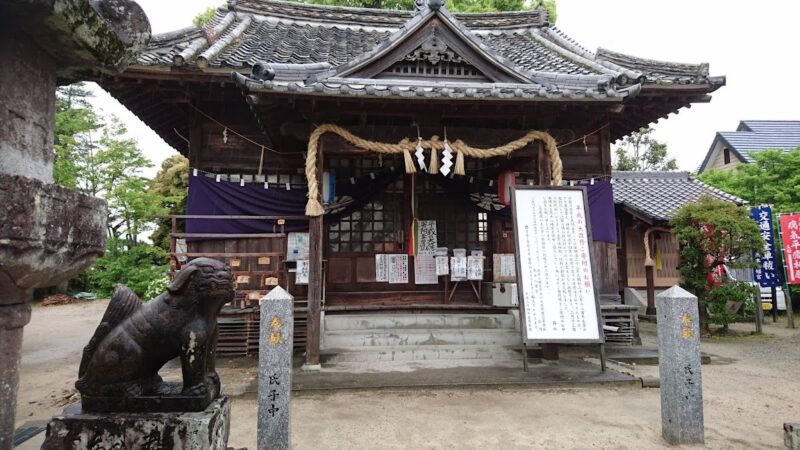
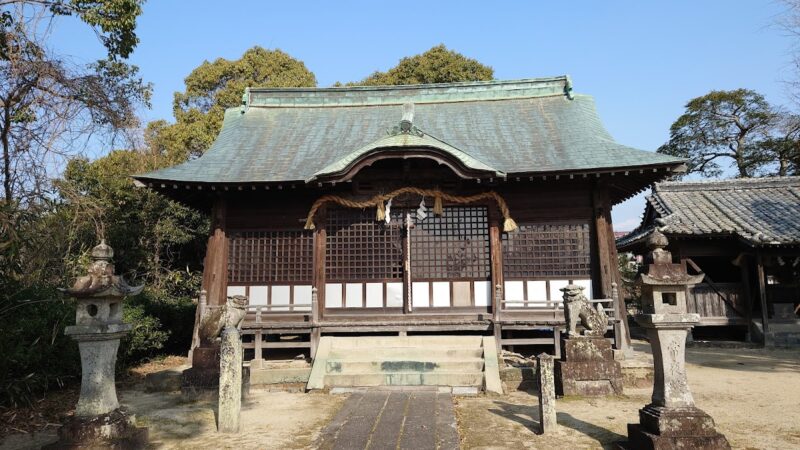
The worship hall is where worshippers pray, and the main shrine is located behind it. The worship hall of Shimen Shrine is a traditional wooden building and is carefully maintained as the center of local faith.
Correct Worship Etiquette (Two Bows, Two Claps, One Bow):
- Place your offering in the offering box.
- Ring the bell if there is one.
- Bow deeply twice.
- Clap your hands twice at chest height.
- While keeping your hands together, express your wishes or gratitude.
- Finally, bow deeply once.
Subsidiary Shrines and Auxiliary Shrines
Within the grounds of Shimen Shrine, there may be small shrines dedicated to deities other than the main deity. These include Inari shrines and Tenjin shrines, each offering different blessings, so it’s a good idea to visit them as well if you have the time.
Sacred Trees and Nature
There may be ancient sacred trees standing within the shrine grounds. These trees have watched over the history of the shrine and are believed to possess sacred power. Many worshippers can be seen clasping their hands together in front of these sacred trees, expressing gratitude for the blessings of nature.
How to Access Shimen Shrine
This section provides detailed information on how to access Shimen Shrine by public transport and by car. ### Access by Train and Bus
Using JR:
- Get off at JR Nagasaki Main Line “Saga Station”
- Take a local bus or taxi from Saga Station
- If taking the bus, get off at the nearest bus stop and walk for a few minutes to 10 minutes.
Using Bus:
- Use Saga City Bus or Showa Bus routes
- The nearest bus stop varies depending on the shrine’s location, so it is recommended to check the Saga City Transportation Bureau or each bus company’s website in advance.
Using a Taxi:
- Approximately 10-20 minutes by taxi from Saga Station (depending on the exact location of the shrine)
- The fare is approximately 1,500-2,500 yen.
Access by Car
Using the Expressway:
- Approximately 15-25 minutes via local roads from Nagasaki Expressway “Saga Yamato IC”
- Or approximately 10-20 minutes via local roads from “Saga IC”
Car Navigation Settings:
- Search by shrine name or enter the address.
- Detailed addresses within Saga City can be found on the Saga City Hall or Tourism Association websites.
Parking Information
Shimen Shrine may have parking spaces for visitors. However, smaller shrines may not have dedicated parking lots, so please note the following:
- There are often a few parking spaces on the shrine grounds or adjacent land.
- Parking may be full during busy periods such as New Year’s Day or annual festivals.
- Street parking is strictly prohibited as it inconveniences local residents.
- If unsure, use nearby coin-operated parking lots.
Nearby Landmarks
To understand the shrine’s location within Saga City, it’s helpful to check the surrounding major facilities.
- Approximately 10-15 minutes by car from Saga Castle Ruins (Saga Castle Honmaru History Museum)
- Approximately 10-20 minutes by car from Saga Prefectural Government Office
- Approximately 5-15 minutes by car from Saga City Cultural Center
*Specific distances and times may vary depending on the exact location of the shrine.
Visiting Hours and Shrine Office Hours
Visiting Hours
The grounds of Shimen Shrine are generally open for worship 24 hours a day. However, please note the following points when visiting at night:
- There may be no lighting or limited lighting on the grounds.
- For security reasons, daytime visits are recommended whenever possible.
- Please be considerate of nearby residents and visit quietly in the early morning and at night.
Recommended Visiting Times:
- Mornings (especially between 8:00 AM and 11:00 AM) offer a refreshing and peaceful atmosphere for worship.
- Evenings offer a beautiful and mystical atmosphere with the setting sun.
Shrine Office Hours
The general hours for the shrine office when staff are present are as follows:
- Weekdays: 9:00 AM to 4:00 PM
- Weekends and Holidays: 9:00 AM to 4:00 PM
*For smaller shrines, the shrine office may not be open all the time. If you wish to obtain a Goshuin (shrine stamp) or amulet, it is recommended to check by phone in advance.
Annual Festivals and Events
Shimen Shrine holds various festivals and events throughout the year.
Main Annual Events:
- New Year’s Day Festival (January 1st): Celebrating the New Year and praying for peace throughout the year
- Setsubun Festival (around February 3rd): Driving away evil spirits and inviting good fortune with bean-throwing
- Spring Grand Festival (Spring): Praying for a bountiful harvest and the prosperity of the community
- Summer Purification Ceremony (June 30th): Cleansing away the sins and impurities accumulated over the past six months
- Autumn Grand Festival (Autumn): Expressing gratitude for the harvest and repaying divine blessings
- Shichi-Go-San Festival (November): Celebrating the growth of children and praying for their health
- Year-End Purification Ceremony (December 31st): Cleansing away the sins and impurities accumulated over the past year and preparing for the New Year
The dates of the annual festivals vary depending on the shrine, so please contact the shrine directly for details.
Goshuin and Amulet Information
About Goshuin
Goshuin (temple/shrine stamps) may be available at Shimen Shrine. Goshuin are popular among many visitors as proof of worship and as a memento of their journey.
Manners for Receiving a Goshuin:
- Always complete your prayers before going to the shrine office.
- Open your goshuin book and specify the page you would like it written on.
- Prepare the offering fee (approximately 300-500 yen).
- Do not insist if a priest or shrine maiden is absent.
- Wait quietly while the goshuin is being written.
*Note: Smaller shrines may not always offer goshuin, so it is recommended to check in advance if you wish to receive one.
Amulets and Souvenirs
Shimen Shrine may offer a variety of amulets and souvenirs.
Common Types of Amulets:
- Exorcism Amulet: For those in their unlucky year or those seeking protection from misfortune.
- Traffic Safety Amulet: For safe driving, attached to cars or bicycles.
- Family Safety Amulet: For the health and peace of all family members.
- Academic Success Amulet: For students and those taking exams to improve their academic performance.
- Business Prosperity Amulet: For the development and prosperity of businesses.
- Directional Protection Amulet: For protection from negative directions during moving or travel.
Amulets are sacred objects containing a divided spirit of the gods, so please handle them with care. The correct procedure for old amulets is to return them to the shrine where you received them or request a burning ceremony.
Prayers and Sorrows at Shimen Shrine
Shimen Shrine may accept prayers for individuals and groups.
Types of Prayers
The following are some of the prayers generally accepted:
- Prayer for Protection Against Misfortune: For warding off misfortune during unlucky years.
- Prayer for Protection Against Unfavorable Directions: For protection against unfavorable directions during moving or travel.
- Prayer for Family Safety: For the health and safety of the family.
- Prayer for Traffic Safety: For the blessing of a new car and safe driving every day.
- Prayer for Business Prosperity: For the development and prosperity of your business.
- Prayer for Safe Childbirth: For the safety of the pregnant woman and baby.
- First Shrine Visit for a Newborn: For the healthy growth of the baby.
- Shichi-Go-San Visit: To celebrate the growth of a child and pray for their future health.
- Prayer for Success in Exams: For success in exams.
- Prayer for Recovery from Illness: For recovery from illness.
How to Apply for a Prayer
If you wish to request a prayer, please apply using the following procedure.
- Advance Notice: Reserve a date and time for the prayer by phone (same-day reservations may be possible).
- Registration: Fill out the application form at the shrine office on the day of your visit.
- Offering: Pay the prayer fee (5,000 yen and up is typical).
- Prayer: Receive a prayer from a Shinto priest in the worship hall or main shrine.
- Gift: Receive a talisman or amulet after the prayer.
*Please note that some smaller shrines may not accept prayer requests, so please check in advance.
Shimen Shrine Annual Event Calendar
This is a summary of the main annual events at Shimen Shrine for your reference when visiting.
January
- New Year’s Day Festival (January 1st): First shrine visit of the year, prayers for the new year
- Coming-of-Age Day Festival: Celebrating the coming of age for new adults
February
- Setsubun Festival (around February 3rd): Bean-throwing, exorcism of evil spirits
- National Foundation Day Festival (February 11th): Celebration of National Foundation Day
March
- Spring Ancestral Spirit Festival: Worshiping the spirits of ancestors
April
- Spring Grand Festival: Grand spring festival, prayers for the prosperity of the community
May
- Children’s Day Festival: Prayers for the healthy growth of children
June
- Summer Purification Ceremony (June 30th): Purification of sins and impurities accumulated over the past six months
July-August
- Summer Festival: Local Summer Festivals (Depending on the shrine, the event may or may not be held)
September-October
- Autumn Grand Festival: The grand autumn festival, expressing gratitude for the harvest
November
- Shichi-Go-San Ceremony: Celebrating the growth of children aged 3, 5, and 7
- Autumn Ancestral Spirit Festival: Worshiping the spirits of ancestors
- Niiname-sai (November 23rd): Expressing gratitude for the new harvest
December
- Year-End Purification Ceremony (December 31st): Purifying oneself of sins and impurities accumulated over the past year
- Joya-sai (New Year’s Eve Festival): A New Year’s Eve celebration
*Event dates and content may change from year to year. Please contact the shrine directly for details.
Manners and Precautions When Visiting Shimen Shrine
There are manners to observe when visiting a shrine. Please pay attention to the following points to ensure a pleasant visit.
Regarding Attire
- Casual clothing is acceptable, but please ensure it is clean.
- If receiving prayers, avoid overly casual attire such as jeans or T-shirts.
- Avoid revealing clothing.
- Remove hats and sunglasses before passing through the torii gate.
Regarding Photography
- Photography is generally permitted on the shrine grounds, but please note the following:
- Photography may be prohibited inside the main hall or in sacred areas.
- Please be considerate of other worshippers.
- Obtain permission before using a tripod.
- Post on social media with moderation.
Manners on the Shrine Grounds
- Do not speak loudly or make noise.
- Smoking is prohibited on the shrine grounds.
- Pets are generally not allowed (except for guide dogs, etc.).
- Always take your trash with you.
- Do not damage sacred trees or plants.
- Do not enter restricted areas without permission.
Mindset During Worship
Worshiping a shrine is an act of expressing gratitude and respect to the gods. It’s important not only to make wishes, but also to have a feeling of gratitude for the blessings you receive every day. Also, after visiting the shrine, don’t forget to make an effort to put into practice the promises you made to the gods.
Tourist Spots Around Shimen Shrine
When visiting Shimen Shrine, why not also explore the surrounding tourist spots?
Saga Castle Ruins and Saga Castle Honmaru History Museum
This is the site of the castle of the Saga Domain, which had a 360,000 koku (unit of rice production) yield. The Honmaru Palace has now been restored. It boasts a wealth of exhibits on Saga’s history, and admission is free. It’s about a 10-15 minute drive from Shimen Shrine.
Saga Prefectural Museum & Art Museum
This facility comprehensively exhibits Saga’s history, culture, and art. In addition to permanent exhibitions, special exhibitions are held regularly. It’s adjacent to the Saga Castle Ruins, making a visit to both highly recommended.
Okuma Shigenobu Memorial Museum
This memorial museum is built on the site of the birthplace of Okuma Shigenobu, a leading figure of the Meiji era and founder of Waseda University. You can learn about Okuma’s life and achievements.
Saga Shrine
This shrine is dedicated to Nabeshima Naomasa, the 10th lord of the Saga Domain, and Naohiro, the 11th lord, and is one of Saga City’s representative shrines. Many worshippers visit for New Year’s prayers and Shichi-Go-San (a traditional Japanese rite of passage for children).
Yodohime Shrine
This ancient shrine, located in Yamato-cho, Saga City, is known as the Ichinomiya (first-ranked shrine) of Hizen Province. Situated on the banks of the Kawakami River, it is worshipped as the god of water.
Gourmet Food & Souvenirs
Saga City offers many delicious local delicacies, such as Saga beef, Yobuko squid, and Ariake Sea seaweed. Local sweets like Ogi yokan (sweet bean jelly) and marubouro (a type of cookie) are also recommended as souvenirs.
Comparison with Other Shrines in Saga City
Besides Shimen Shrine, there are many other shrines in Saga City. Learning about the unique characteristics of each shrine and enjoying a shrine tour is a good idea.
Saga Shrine
- Features: The largest shrine in Saga City, with the highest number of visitors for New Year’s prayers
- Deities Enshrined: Nabeshima Naomasa, Nabeshima Naohiro
- Benefits: Good fortune, academic success, victory
Yotohime Shrine
- Features: Ichinomiya of Hizen Province, one of the oldest shrines in the prefecture
- Deities Enshrined: Yotohime-no-Mikoto (Toyotama-hime-no-Mikoto)
- Benefits: Safe childbirth, child-rearing, protection from water-related disasters
Matsubara Shrine
- Features: The guardian shrine of Saga Castle town
- Deities Enshrined: Takeuchi-no-Sukune-no-Mikoto and others
- Benefits: Protection from evil, good fortune
Shimen Shrine Features
- Features: A shrine protecting all four directions, deeply rooted in the local community
- Deities Enshrined: Gods Guarding the Four Directions
- Benefits: Protection from evil influences, warding off misfortune, family safety
Shimen Shrine is not a large shrine, but its charm lies in its quiet and peaceful atmosphere, perfect for worship. It’s a warm and welcoming shrine beloved by the locals, well worth a visit.
Best Season to Visit Shimen Shrine
Shimen Shrine can be visited year-round, but each season offers its own unique charm.
Spring (March-May)
Cherry blossoms and other flowers planted in the shrine grounds and surrounding area bloom, creating a vibrant atmosphere. This is also the time of the Spring Grand Festival, allowing visitors to feel the energy of the community. The weather is mild, making it ideal for worship.
Summer (June-August)
The greenery deepens, and the shrine grounds take on a life-affirming atmosphere. At the end of June, the Summer Purification Ceremony is held, where visitors can purify themselves of the impurities accumulated over the past six months by passing through a ring of reeds. However, heat and insect repellent are essential.
Autumn (September-November)
The Autumn Grand Festival is held, offering thanks for the harvest. It’s also a beautiful time of year for autumn foliage, with the trees in the temple grounds displaying magnificent colors. It’s also the season for Shichi-Go-San (a traditional Japanese rite of passage for children), and the sight of children in their festive attire is heartwarming.
Winter (December-February)
With the year-end purification ceremony and New Year’s visits, this is the busiest time of year for worshippers. Visiting in the crisp, cold air is a solemn experience. The Setsubun festival’s bean-throwing ceremony is a winter tradition. Be sure to dress warmly when visiting.
Recommended Season: Spring (April-May) and Autumn (October-November) are especially recommended due to the pleasant weather and the beauty of the temple grounds.
Frequently Asked Questions about Shimen Shrine
How much should I offer as a first offering?
The first offering varies depending on the type of prayer, but generally, it starts from 5,000 yen. For individual prayers such as Shichi-Go-San (children’s festival) or exorcism, 5,000 to 10,000 yen is a good guideline. For on-site prayers such as ground-breaking ceremonies, the amount will be higher. If you are unsure, it is recommended to inquire with the shrine in advance.
Do you sell Goshuincho (stamp books)?
Whether Shimen Shrine sells Goshuincho depends on the size and policy of the shrine. Smaller shrines may not carry them, so it is recommended to check in advance or bring your own Goshuincho.
Is it possible to visit in a wheelchair?
Depending on the structure of the shrine grounds, it may be difficult to visit in a wheelchair if there are steps. It is recommended to inquire with the shrine in advance regarding accessibility. If assistance is needed, it is safer to visit with a companion.
Can I visit with my pet?
Generally, pets are not allowed on shrine grounds. This is to maintain the purity of the sacred area. Assistance dogs such as guide dogs and service dogs may be permitted as exceptions; please inquire in advance if necessary.
When are the unlucky years?
Unlucky years are calculated using the traditional Japanese age system (counting the year of birth as age one). For men, the main unlucky years are 25, 42 (major unlucky year), and 61. For women, the main unlucky years are 19, 33 (major unlucky year), 37, and 61. The year before the main unlucky year is called the pre-unlucky year, and the year after is called the post-unlucky year, making a total of three years the unlucky period. It is recommended to receive a prayer for protection against misfortune during your unlucky years.
Summary: A peaceful visit to Shimen Shrine
Shimen Shrine is a historical and traditional shrine located in Saga City. It enshrines deities that protect the four directions, and has long been revered by local people for its blessings of protection against misfortune and evil.
While not a large-scale tourist shrine, it offers a quiet and peaceful atmosphere, perfect for heartfelt worship. Why not escape the hustle and bustle of everyday life and spend some time reflecting on yourself in this sacred space?
When you visit Saga City, please be sure to pay your respects at Shimen Shrine and receive the blessings of the gods. By observing proper worship etiquette and visiting with gratitude, you will surely find peace of mind.
Saga’s rich nature, history, and warm-hearted people will enrich your trip. May your visit to Shimen Shrine be a wonderful experience.