Girinji Temple (Mutsuzawa Town, Chiba Prefecture) Complete Guide | The Charm and Access Information of a Historic Soto Zen Temple
Girinji Temple, quietly nestled in Mutsuzawa Town, Chosei District, Chiba Prefecture, is a historic temple belonging to the Soto Zen sect. Located on a hilltop, the temple grounds offer a panoramic view of the beautiful Boso Peninsula countryside. While beloved by locals, it also provides visitors with a tranquil atmosphere. This article provides detailed information about Girinji Temple, from its basic information and history to its highlights and access methods.
Basic Information about Girinji Temple
Girinji Temple is a Soto Zen temple located at 717 Ogami, Mutsuzawa Town, Chosei District, Chiba Prefecture. The nearest station is Kazusa-Nakagawa Station on the JR Sotobo Line.
Location and Access
Address: 717 Ogami, Mutsuzawa-machi, Chosei-gun, Chiba Prefecture
Sect: Soto Zen
Nearest Station: Kazusa-Nakagawa Station, JR Sotobo Line
Mutsuzawa-machi is a town of approximately 7,000 people located in Chosei-gun, in the central part of Chiba Prefecture. Blessed with a rich natural environment, it is an agricultural area, and Girinji Temple is situated within this rural landscape.
Detailed Transportation Access
Access by Train
The temple can be accessed on foot or by taxi from Kazusa-Nakagawa Station on the JR Sotobo Line. Kazusa-Nakagawa Station is located between Mobara Station and Ohara Station. It is convenient to take the Limited Express Wakashio from Tokyo Station. Transfer to a local train on the Sotobo Line at Mobara Station and head to Kazusa-Nakagawa Station.
The distance from the station is approximately 3 kilometers, taking about 40 minutes on foot. While a stroll enjoying the local scenery is pleasant, taking a taxi is more convenient.
Access by Car
It is approximately 15 minutes from the Ken-O Expressway Mobara-Chonan Interchange. Access is via National Route 409. Parking is available around the temple, but it is recommended to check in advance.
History and Origins of Girinji Temple
Origins as a Soto Zen Temple
Girinji Temple belongs to the Soto Zen sect. The Soto Zen sect is a branch of Zen Buddhism brought to Japan by Zen Master Dogen during the Kamakura period, and is characterized by its emphasis on seated meditation (“shikantaza”).
Many Soto Zen temples exist in Chiba Prefecture, and Girinji Temple has been a center of local faith. The head temples of the Soto Zen sect are Eiheiji Temple in Fukui Prefecture and Sojiji Temple in Kanagawa Prefecture.
History of Mutsuzawa Town and the Role of the Temple
Mutsuzawa Town has long been a thriving agricultural area, and during the Edo period, it belonged to Nagara District of Kazusa Province. Girinji Temple has supported the faith of the people of this region, playing an important role as a place for funerals, memorial services, and ancestral worship.
As a local temple, Girinji Temple was not merely a religious facility, but also a central presence in the local community. Through the danka system (parishioner system), it maintained deep ties with local residents, and this tradition continues to this day.
Highlights and Features of Girinji Temple
The Giant Chestnut Tree on the Temple Grounds
One of the most striking features of Girinji Temple is the giant chestnut tree towering in a corner of the temple grounds. This giant tree has grown over many years, watching over the history of the temple. The chestnut tree is an evergreen broad-leaved tree, and its majestic presence leaves a deep impression on visitors.
Said to be several hundred years old, it symbolizes the richness of nature in Mutsuzawa Town. The chestnut tree shows different expressions depending on the season; in spring, its fresh green leaves are beautiful, in summer, its dark green leaves create cool shade, and its presence remains unchanged from autumn to winter.
Rural Landscape from a Hilltop
Because Girinji Temple is located on a hilltop, you can enjoy a beautiful view of the rural landscape of Mutsuzawa Town from its grounds. Mutsuzawa Town, located in the central part of the Boso Peninsula, retains a typical rural landscape with rice paddies and fields spread across gently rolling hills.
In spring, preparations for rice planting begin; in summer, lush green rice sway in the wind; and in autumn, golden rice stalks spread across the landscape. These seasonal scenes evoke a sense of quintessential Japanese scenery in visitors, bringing a sense of peace and tranquility.
Serene Atmosphere of the Temple Grounds
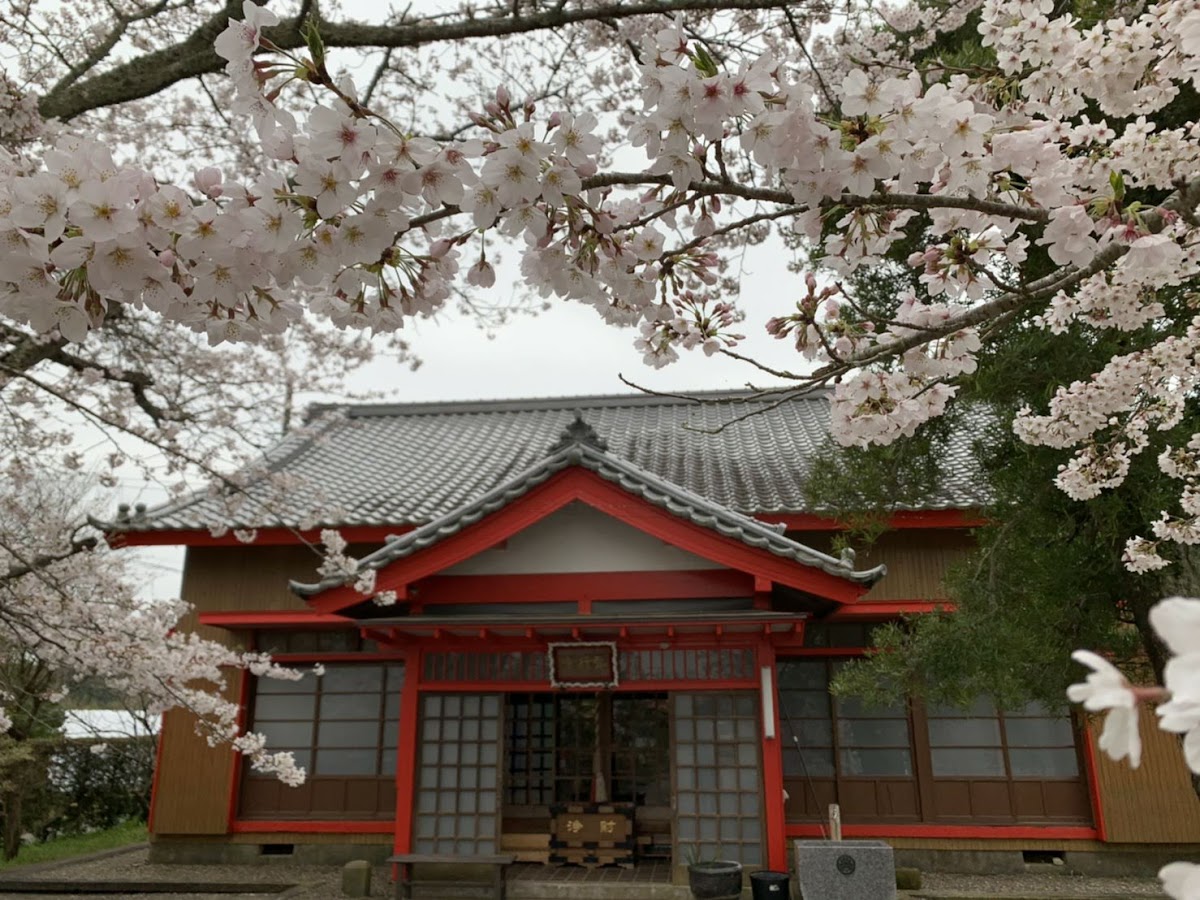
The grounds of Girinji Temple are situated in a quiet environment, far removed from the hustle and bustle of the city. As befits a Soto Zen temple, it features a simple and serene appearance. The buildings, including the main hall and the priest’s quarters, maintain the style of traditional Japanese architecture while being adapted to the local climate and environment.
Walking through the grounds, you can hear the chirping of birds and the sound of the wind, experiencing a sense of oneness with nature that cannot be found in urban areas. Zen meditation sessions and Dharma talks are sometimes held, providing opportunities to experience the teachings of Zen.
Deepening Your Understanding of the Soto Zen School
Teachings and Characteristics of the Soto Zen School
The Soto Zen school, to which Girinji Temple belongs, upholds “authentic Buddhist teachings” and aims to connect with the Buddha’s mind through Zen meditation. The teaching of “Shusho Itto” (practice and enlightenment are one), expounded by Zen Master Dogen, is the idea that practice and enlightenment are not separate things, but that Zen meditation itself is enlightenment.
In the Soto Zen school, all aspects of daily life are considered practice, and even daily actions such as preparing meals (tenzo), cleaning, and manual labor (samu) are imbued with the meaning of Buddhist practice. This idea that “walking, standing, sitting, and lying down” are all practice is highly insightful even for modern people.
Soto Zen Temples in Chiba Prefecture
Many Soto Zen temples exist in Chiba Prefecture. Soto Zen temples are scattered throughout Chiba Prefecture, including Hokoji Temple in Ichikawa City, Koryuji Temple in Matsudo City, and Koseiin Temple in Kashiwa City, each supporting local faith.
Girinji Temple is also part of this network of Soto Zen temples in Chiba Prefecture, participating in the sect’s activities and conveying Buddhist teachings through sermons and Zen meditation instruction for its parishioners.
The Charms of Mutsuzawa Town and Surrounding Sightseeing
Characteristics of Mutsuzawa Town
Mutsuzawa Town is a small town located almost in the center of Chiba Prefecture, with an area of approximately 35 square kilometers. Local specialties include rice and vegetables, and Mutsuzawa-grown Koshihikari rice, in particular, is known for its high quality.
Mutsuzawa Town is also known as a natural gas producing area, and an environmentally conscious town development project called “Mutsuzawa Smart Wellness Town” is underway. At the hot spring facility “Tsudoi no Sato Mutsuzawa,” you can enjoy a hot spring bath using natural gas.
Nearby Temples and Shrines
Besides Girinji Temple, there are other temples and shrines worth visiting in Mutsuzawa Town and the surrounding area.
Temples in Chosei District
Chosei District is home to temples of various sects, including Nichiren, Shingon, and Soto Zen. The neighboring town of Chonan has historical temples such as Keirinji and Chofukuji.
Temples in Mobara City
In the nearby city of Mobara, there is Mobara-ji Temple, the head temple of the Nichiren sect. Mobara-ji Temple is known for its connection to Nichiren Shonin and attracts many visitors every year.
Nature and Tourist Spots in Mutsuzawa Town
Mizusawa River
A promenade is maintained along the Mizusawa River, which flows through the town, allowing visitors to enjoy a stroll. In spring, cherry blossoms bloom, making it a popular spot for cherry blossom viewing.
Michi-no-Eki Tsudoi-no-Sato Mutsuzawa
This roadside station offers fresh local agricultural products and specialty goods. The temple also has a hot spring facility, making it an ideal stop after visiting Yirinji Temple. The restaurant serves dishes made with local ingredients.
Manners and Etiquette for Visiting Yirinji Temple
Basic Manners for Temple Visits
When visiting Yirinji Temple, please observe the following basic manners:
Bow at the Temple Gate
When entering the temple, bow before the temple gate. This is a way of showing respect to Buddha.
Worship at the Main Hall
Before the main hall, bow slightly, offer your donation, and then quietly clasp your hands together. Unlike Shinto shrines, you do not clap at temples. Express your gratitude and prayers to Buddha silently in your heart.
Behavior on the Temple Grounds
Please be quiet on the temple grounds and refrain from speaking loudly or running around. While photography is often permitted, it is considered bad manners to photograph the interior of the main hall or the Buddha statues. If you have any questions, please check with the temple office.
Customs Unique to Soto Zen Temples
Soto Zen temples sometimes offer opportunities to experience Zen meditation. Girinji Temple also occasionally holds Zen meditation sessions, so those interested should inquire in advance.
The basics of Zen meditation are sitting with a straight back, regulating breathing, and calming the mind. Beginners are often given careful instruction, so feel free to participate.
Temple Culture in Chiba Prefecture and the Position of Girinji Temple
Characteristics of Temples in Chiba Prefecture
Chiba Prefecture has over 3,000 temples, and is particularly known for its large number of Nichiren Buddhist temples. This stems from the fact that Nichiren Shonin was from Awa Province (present-day southern Chiba Prefecture).
On the other hand, temples of various other sects, such as Soto Zen, Shingon, Jodo, and Tendai, also exist, and a diverse Buddhist culture is deeply rooted. There are also many nationally famous temples, such as Nakayama Hokkeji Temple in Ichikawa City, Hondoji Temple in Matsudo City, and Naritasan Shinshoji Temple in Narita City.
The Role of Girinji Temple as a Local Temple
Unlike large-scale tourist temples, local temples like Girinji Temple play a vital role in supporting the daily religious lives of local residents. Through funerals, memorial services, and ancestral rites, they maintain deep ties with their parishioners and pass on Buddhist teachings to future generations.
While the role of such local temples is changing in modern society, their function as a spiritual anchor and core of the local community remains important. Girinji Temple, as a temple rooted in the Mutsuzawa town area, continues to fulfill this mission.
Annual Events and Memorial Services
Main Annual Events
Soto Zen temples hold various events and memorial services throughout the year. Girinji Temple may also hold the following events:
Spring and Autumn Equinoxes
The seven-day period centered around the spring and autumn equinoxes is when the Higan-e (equinox service) is held. Many parishioners visit graves to pay respects to their ancestors.
Obon (Urabon-e)
In mid-August, Obon memorial services are held to welcome the spirits of ancestors. Tanagyo (visiting parishioners to recite sutras) are also performed.
Segaki-e
This is a memorial service to appease the spirits that have fallen into the realm of hungry ghosts, and is held in many temples during the summer.
Joya no Kane (New Year’s Eve Bell)
On New Year’s Eve, the temple bell is rung to cleanse away the 108 worldly desires.
Individual Memorial Services
In addition to annual events, temples also accept individual memorial services at any time.
- Funeral/Memorial Service
- Memorial Services from the 7th to the 49th day after death
- Annual memorial services such as the first and third anniversaries
- Perpetual memorial services
- Memorial services for stillborn babies
- Pet memorial services (services vary by temple)
If you wish to have any of these services, you need to contact the temple in advance to discuss the date and content.
Points to Note When Visiting Girinji Temple
Visiting Hours and Advance Contact
Girinji Temple is a temple for temple parishioners, so it may not be open to the public at all times like a typical tourist temple. If you wish to visit, it is recommended to contact the temple in advance to confirm.
Especially if you wish to view the main hall or meet with the head priest, be sure to make an appointment in advance.
Attire and Items to Bring
When visiting a temple, it is best to wear modest, understated clothing. Especially if attending a memorial service, choose clothing in subdued colors such as black or navy.
In summer, it is a good idea to bring insect repellent, a hat, and drinking water. In winter, don’t forget to take precautions against the cold.
Parking and Surrounding Facilities
If you are visiting by car, it is reassuring to check the availability and location of parking spaces in advance. Also, there may be few convenience stores or restaurants in the surrounding area, so it is recommended to prepare any necessary items in advance.
Access and Accommodation Information for Mutsuzawa Town
Access from Wider Areas
From Tokyo
Take the JR Sobu Line Rapid or Keiyo Line to Chiba Station, then transfer to the Sotobo Line to Mobara Station or Kazusa-Nakagawa Station. The journey takes approximately 90-120 minutes.
By Car, it takes approximately 60-90 minutes via the Keiyo Expressway, Tateyama Expressway, and Ken-O Expressway to Mobara-Chonan IC.
From Narita Airport
Take a highway bus from Narita Airport to Mobara Station (approximately 90 minutes). Alternatively, take the JR Narita Line and Sotobo Line to Mobara Station.
Accommodation
There are few large-scale accommodations within Mutsuzawa Town, so it is common to use accommodations in the neighboring city of Mobara or the Kujukuri area.
Hotels in Mobara City
Several business hotels are located around Mobara Station. Mobara Daiichi Hotel and Hotel Sunroute Mobara are among the options.
Kujukuri Area
Along the coast, there are hot spring inns and resort hotels, making it suitable for overnight stays combined with sightseeing.
Summary: The Charm and Value of Visiting Girinji Temple
Girinji Temple, located in Mutsuzawa Town, Chosei District, Chiba Prefecture, is a historic temple that has supported the faith of the local people while preserving the traditions of the Soto Zen sect. The giant chinquapin trees on the temple grounds and the rural landscape from the hilltop offer visitors a glimpse into the quintessential Japanese scenery and a sense of peace.
Unlike large-scale tourist temples, it offers a quiet and peaceful atmosphere where you can slowly pray and have time to reflect on yourself. By experiencing the teachings of the Soto Zen sect and practicing Zen meditation, you can spend a precious time away from the hustle and bustle of modern society.
When visiting Mutsuzawa Town, be sure to stop by Girinji Temple and experience its history and natural beauty. Combining a visit with nearby tourist spots and hot spring facilities will make for a fulfilling Boso Peninsula trip.
A visit to Girinji Temple is not just sightseeing; it will be a valuable experience to touch upon Japanese temple culture and the history of the region. For those planning a temple tour in Chiba Prefecture, those interested in Soto Zen temples, or those seeking a peaceful environment to calm their minds, Girinji Temple is definitely worth a visit.