Gugyoji Temple Complete Guide | History, Highlights, and Access Information for Chosei Fudo-son
About Gugyoji Temple
Gugyoji Temple is a Tendai sect temple located in Shimonogo, Mutsuzawa-machi, Chosei-gun, Chiba Prefecture. Its mountain name is Gyokumeizan, and its temple name is Sanno-in. It is widely known as “Chosei Fudo-son.” The principal image, a statue of Fudo Myoo, is believed to be a work from the late Heian period and is an important cultural asset that attracts the faith of the local community.
As a central temple of the Tendai sect in Kazusa Province, it has long been a place of prayer for the local people. It is particularly deeply connected to Matsudaira Nobuhira (the legend of Matsudaira Choshichiro) and is known as a temple of high historical and cultural value.
Basic Information about Kogyoji Temple
- Official Name: Tamamyozan Sannoin Kogyoji Temple
- Sect: Tendai Buddhism
- Principal Image: Fudo Myoo (created in the late Heian period)
- Common Name: Chosei Fudo-son
- Location: 1875 Shimonogo, Mutsuzawa-machi, Chosei-gun, Chiba Prefecture 299-4414
- Founding: Heian period (the exact date is debated)
History of Kogyoji Temple
Founding and Origin
While there are several theories regarding the founding of Kogyoji Temple, it is certainly an ancient temple dating back to the Heian period. As a Tendai sect temple, it developed under the influence of Enryaku-ji Temple on Mount Hiei. The temple’s name, “Kogyoji,” means to widely spread Buddhist teachings, indicating its role as a base for missionary activities in the region.
The temple’s mountain name, “Gyokumeizan,” is said to represent the sacred and auspicious natural environment of this region, while its temple name, “Sannoin,” originates from the Sanno faith, which has deep ties to the Tendai sect. Sanno faith is a belief system that enshrines the deities of Hiyoshi Taisha Shrine, the guardian deity of Mount Hiei, and is a characteristic widely found in Tendai sect temples.
Connection with Matsudaira Nobuhira
An essential aspect of the history of Kogyoji Temple is its deep connection with Matsudaira Nobuhira (Matsudaira Choshichiro). The legend of Matsudaira Choshichiro is an important local folk tale, and Kogyoji Temple is closely linked to this legend.
Matsudaira Nobuhira is believed to have lived in the early Edo period and contributed to the development of this region. Kogyoji Temple houses items related to the Matsudaira family, which are important historical materials for understanding the region’s history.
From the Edo Period to the Meiji Period
During the Edo period, Kogyoji Temple was an important Tendai sect temple in Kazusa Province, boasting many parishioners and serving as a religious center for the region. It is believed to have been granted a considerable amount of land, and its temple buildings were properly maintained.
During the anti-Buddhist movement of the Meiji era, many temples faced difficulties, but Kogyoji Temple, supported by the fervent faith of the local people, was able to preserve its religious traditions. The faith in the long-life Fudo Myoo has been passed down through the ages.
Kogyoji Temple in Modern Times
As times have shifted from Showa to Heisei and Reiwa, Kogyoji Temple has continued to explore its role as a temple in the modern era while preserving its traditions. It provides opportunities for Buddhist experiences such as Zen meditation and sutra copying, and engages in activities that deepen its ties with the local community.
Principal Image and Cultural Assets
Statue of Fudo Myoo
The statue of Fudo Myoo, the principal image of Kogyoji Temple, is a valuable Buddhist statue believed to have been created in the late Heian period. Fudo Myoo is an important deity in Esoteric Buddhism, and as an incarnation of Dainichi Nyorai, he is responsible for crushing worldly desires and saving all sentient beings.
The Fudo Myoo statue at Kogyoji Temple has long been revered as “Chosei Fudo-son” (Longevity Fudo) due to its elegant form and high spiritual efficacy. It is particularly believed to offer protection against fire, ward off evil, and bring prosperity to businesses, attracting many worshippers.
Other Cultural Assets
Besides the main deity, Kogyoji Temple possesses many other cultural assets. Temple treasures include ancient documents, Buddhist implements, and paintings, which are valuable resources for understanding the history of the region.
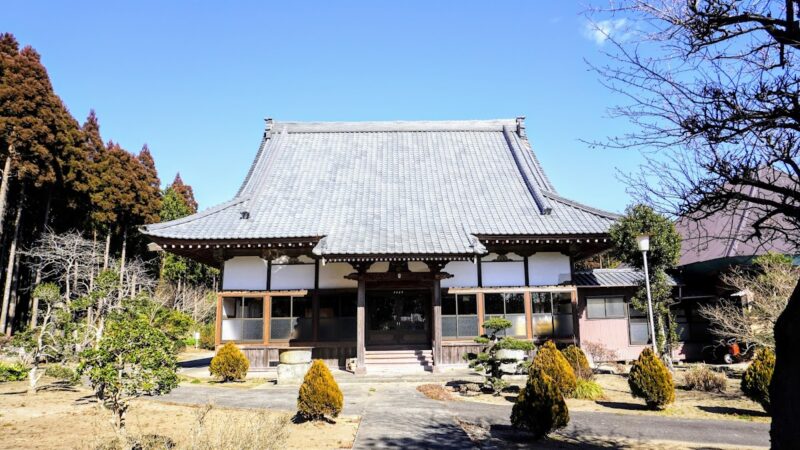
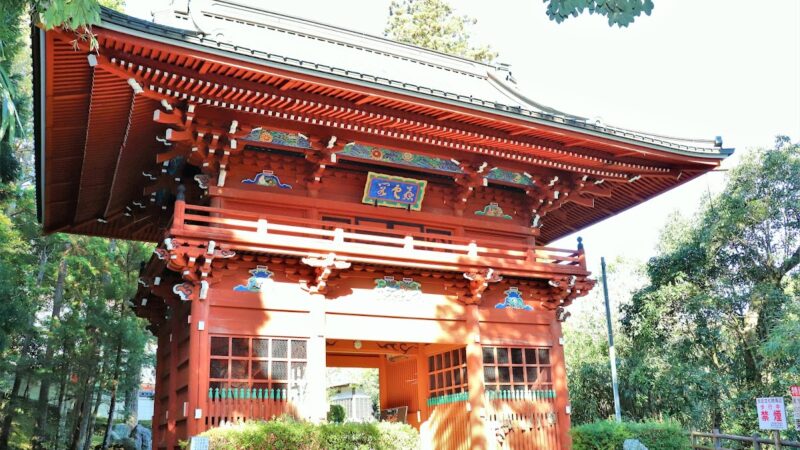
The temple grounds are dotted with historical buildings and stone structures, offering visitors a peaceful experience. The main hall, in particular, is an important building that preserves the traditional style of temple architecture.
Highlights of the Temple Grounds
Main Hall
The main hall of Kogyoji Temple is a building in the traditional style of Tendai sect temples. The main hall houses a statue of Fudo Myoo (Acala), the principal deity, creating a solemn atmosphere. Visitors can join their hands in prayer and offer their heartfelt solitude.
The architectural style and decorations of the main hall reflect the doctrines of the Tendai sect and the esoteric Buddhist worldview, making it a fascinating building for those interested in Buddhist architecture.
Natural Environment of the Temple Grounds
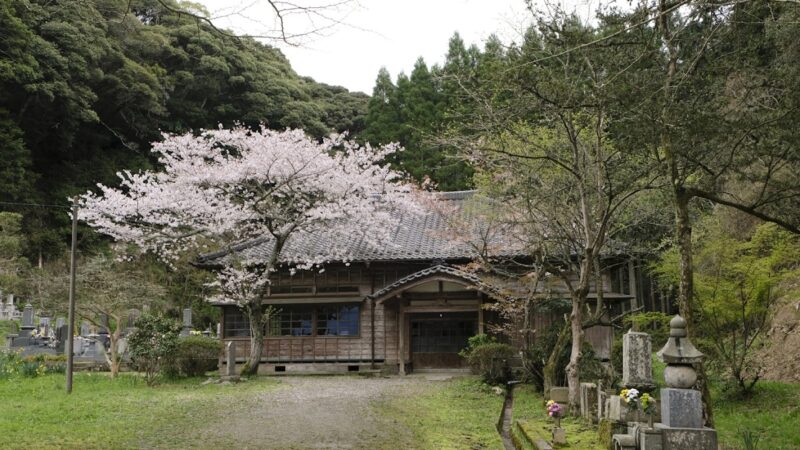
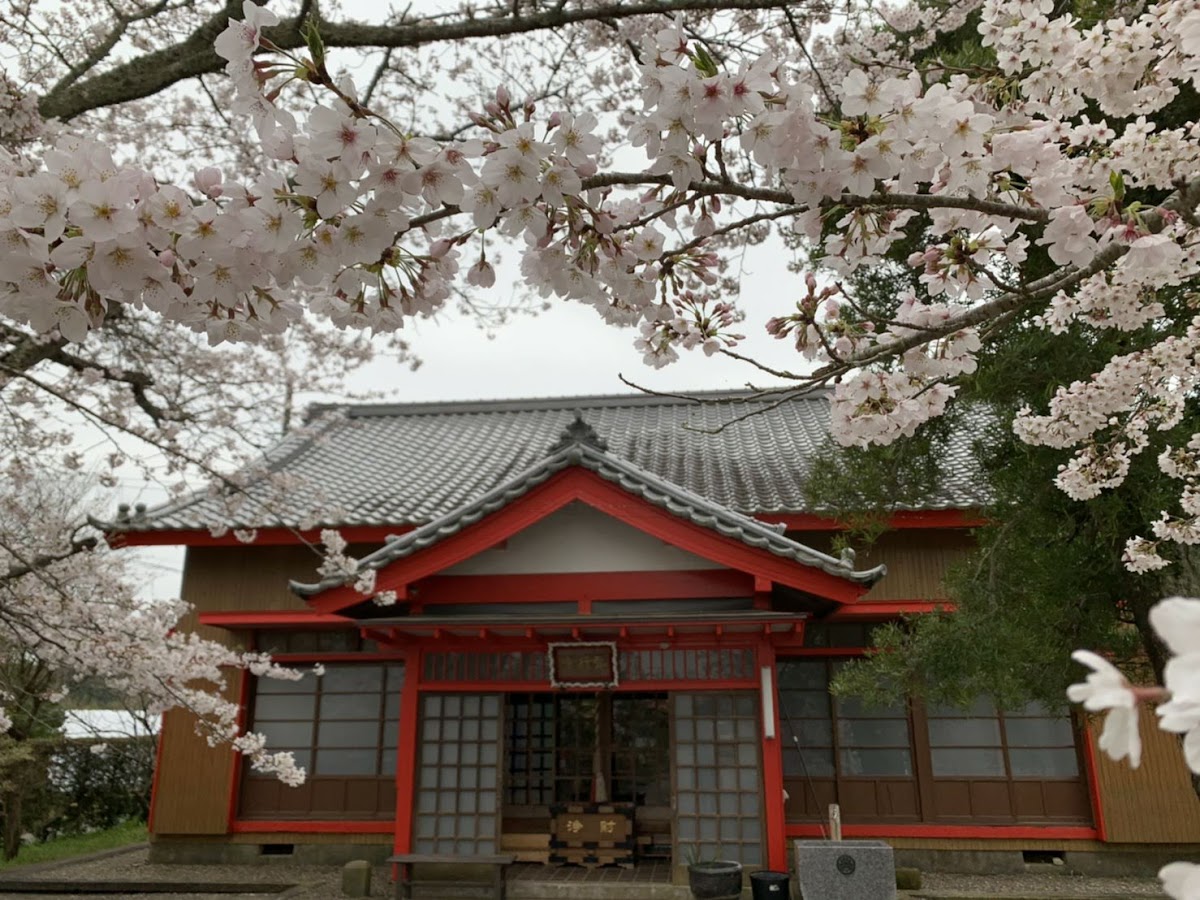
The grounds of Kogyoji Temple are surrounded by abundant nature. Seasonal flowers and plants adorn the grounds, allowing visitors to feel the changing seasons. The cherry blossoms in spring, the fresh greenery in early summer, and the autumn leaves are particularly beautiful, making it a popular spot for photography.
The tranquil grounds are cherished by many as a place to escape the hustle and bustle of everyday life and find peace of mind. Walking along the paths, one can feel the breath of nature.
Stone Structures and Monuments
Various stone structures and monuments that tell the story of history are placed throughout the temple grounds. These demonstrate Kogyoji Temple’s long history and its deep connection with the local community. By carefully exploring the temple, you can gain a deeper understanding of its history.
Annual Events
New Year’s First Fudo Goma Prayer Ceremony
At Kogyoji Temple, the first Fudo Goma prayer ceremony is solemnly performed to welcome the new year. This is a goma ritual performed for Fudo Myoo (Acala), an important Buddhist service praying for good health throughout the year, family safety, business prosperity, and more.
Goma is an important ritual in esoteric Buddhism, where offerings are made by burning fire, which is believed to burn away worldly desires and grant wishes. Many worshippers visit the first Fudo Goma prayer ceremony of the new year to pray for happiness in the coming year.
Regular Services and Events
Kogyoji Temple holds various services and events throughout the year. These include monthly services, spring and autumn equinox services, and the Obon (Buddhist festival) Segaki service, all based on Buddhist traditions.
These events are important opportunities for parishioners and local residents to gather at the temple and offer prayers together. Detailed event schedules are available on the temple’s official website.
Seasonal Special Events
Kogyoji Temple also holds special events throughout the seasons. Traditional Japanese Buddhist events such as Setsubun bean-throwing, Hana Matsuri (Buddha’s Birthday), and New Year’s Eve bell ringing are held together with local residents.
These events provide opportunities to experience Buddhist teachings firsthand and serve as a place for the transmission of culture across generations.
Zen Meditation and Sutra Copying Sessions
Zen Meditation Experience
Kogyoji Temple regularly holds Zen meditation sessions. Zen meditation is considered an important practice not only in Zen Buddhism but also in Tendai Buddhism, providing a valuable opportunity to calm the mind and reflect on oneself.
Anyone, from beginners to experienced practitioners, can participate in the Zen meditation sessions. Basic instruction on posture and breathing techniques is provided by the head priest and instructors, making it easy for beginners to participate.
Evening Zen meditation sessions and Saturday Zen meditation meetings are held regularly, allowing participation after work or on weekends. The latest schedule is updated on the temple’s website, so it is recommended to check in advance if you wish to participate.
Sutra Copying Experience
Sutra copying is a practice of carefully copying Buddhist scriptures character by character. Kogyoji Temple also holds sutra copying sessions in conjunction with Zen meditation. Through sutra copying, you can concentrate your mind and connect with the teachings of Buddhism.
All necessary tools for sutra copying are provided by the temple, so even beginners can participate empty-handed. You can start with relatively short scriptures such as the Heart Sutra, and spend time calming your mind amidst the scent of ink and silence.
Changes and Updates to Zen Meditation and Sutra Copying Sessions
The schedule and content of Kogyoji Temple’s Zen meditation and sutra copying sessions may change depending on the time of year and circumstances. For example, the time may be changed if it coincides with seasonal events or memorial services.
Those wishing to participate should check the latest schedule on the temple’s official website. The website provides detailed information on the date, time, content, and precautions for each session.
Access to Kogyoji Temple
Location
Address: 1875 Shimonogo, Mutsuzawa-machi, Chosei-gun, Chiba Prefecture 299-4414
Kogyoji Temple is located in Mutsuzawa-machi, Chosei-gun, in the central part of the Boso Peninsula in Chiba Prefecture. Situated in a rich natural environment, it offers a quiet and peaceful atmosphere for worship.
Access by Public Transportation
By Train/Bus:
- The nearest stations are JR Sotobo Line’s “Kazusa-Ichinomiya Station” or “Mobara Station.”
- From the station, you will need to take a taxi or a local bus.
- If taking the bus, board a bus bound for Mutsuzawa-machi, get off at the nearest bus stop, and then walk to the site.
Public transportation is limited, so it is recommended to check the timetable in advance. It is especially advisable to check the return schedule beforehand.
Access by Car
By Car:
- Approximately 15-20 minutes from the Ken-O Expressway’s “Mobara-Chonan IC.”
- Access via National Route 128.
- When using a car navigation system, please search by address or phone number.
Parking is available for visitors on the temple grounds. However, congestion is expected during the New Year holidays and special events, so it is recommended to visit with plenty of time to spare.
Nearby Tourist Attractions
There are other worthwhile tourist spots around Mutsuzawa Town. In addition to visiting Kogyoji Temple, you can enjoy the nature and culture of the Boso Peninsula.
- Michi-no-Eki Tsudoi-no-Sato Mutsuzawa: You can purchase fresh local produce and specialty products.
- Mutsuzawa Town Historical and Folk Museum: You can learn about the history and culture of the region.
- Nature of Boso: Beautiful rural landscapes and satoyama (traditional Japanese rural landscapes) spread out around the area.
Manners and Precautions for Visiting the Temple
Basic Manners for Visiting the Temple
When visiting Kogyoji Temple, please observe the following basic manners:
- Dress Code: Avoid revealing clothing and wear clean, modest attire.
- Photography: Photography is generally permitted on the temple grounds, but please refrain from taking photos inside the main hall or during religious ceremonies.
- Quietness: Please be quiet on the temple grounds and be considerate of other visitors.
- Smoking: Smoking is prohibited on the temple grounds.
- Pets: Please check with the temple in advance regarding whether pets are allowed.
Etiquette for Visiting the Temple
- Temple Gate: 1. When passing through the temple gate, bow before entering.
- Water Basin: Cleanse your hands and mouth before proceeding to the main hall.
- Main Hall: Join your hands in prayer in front of the main hall and offer your prayers quietly.
- Offering Money: Offer your money with gratitude.
- Departure: Bow again at the temple gate when leaving.
Inquiries
For more information about visiting the temple, events, Zen meditation, sutra copying sessions, etc., please contact Gugyoji Temple directly. The official website (https://gugyouji.jp/) contains the latest information and detailed guides.
The Significance and Modern Role of Gugyoji Temple
As a Center of Local Faith
Since its founding, Gugyoji Temple has served as a center of faith in Mutsuzawa Town, Chosei District, and a spiritual haven for the local people. The faith in the principal image, affectionately known as Chosei Fudo-son, has been passed down through generations, and many worshippers visit the temple today.
For the local people, Kogyoji Temple is not merely a religious facility, but an important place they visit at various milestones in their lives. Kogyoji Temple is involved in many aspects of life, such as New Year’s visits, Shichi-Go-San (a traditional rite of passage for children), exorcisms, and ancestral memorial services.
Protection and Preservation of Cultural Properties
Kogyoji Temple continues to protect valuable cultural properties, including a statue of Fudo Myoo from the late Heian period. These cultural properties are important resources for understanding Japanese Buddhist art and local history, and are treasures that should be passed down to future generations.
The temple plays a role in appropriately storing these cultural properties, restoring them as needed, and passing on their value to future generations.
A Place to Offer Peace of Mind
In modern society, Kogyoji Temple offers a tranquil space for those seeking peace of mind. Through Zen meditation and sutra copying sessions, one can escape the hustle and bustle of daily life and find an opportunity to reflect on oneself.
A Place to Offer Peace of Mind
In modern society, Kogyoji Temple offers a serene space for those seeking peace of mind. Through Zen meditation and sutra copying sessions, one can escape the hustle and bustle of daily life and find opportunities for self-reflection.
In today’s stressful world, the existence of such spiritual havens is becoming increasingly important. Kogyoji Temple, while preserving tradition, is also developing activities that meet the needs of modern people.
Community Hub
Kogyoji Temple also serves as a community hub. Annual events and memorial services provide opportunities for local people to gather and interact. Through these activities, community bonds are deepened, and community cohesion is strengthened.
Especially in rural areas facing depopulation and an aging population, the role of temples as community centers holds significant social importance.
About the Tendai Sect
Teachings of the Tendai Sect
The Tendai sect, to which Kogyoji Temple belongs, is a sect of Japanese Buddhism founded in the early Heian period by Saicho (Dengyo Daishi). It is based on the “One Vehicle” concept, teaching that all people can attain Buddhahood.
The Tendai sect’s doctrines are characterized by their comprehensive incorporation of various Buddhist practices, including Esoteric Buddhism, Zen, and Nembutsu, while the Lotus Sutra serves as its fundamental scripture. This “comprehensive Buddhism” aspect has had a significant impact on the development of Japanese Buddhism.
Tendai Sect and the Fudo Myoo Worship
In the Tendai sect, Esoteric Buddhist elements are highly valued, and the worship of Fudo Myoo is prevalent. Fudo Myoo, as an incarnation of Dainichi Nyorai, plays the role of crushing worldly desires and saving sentient beings.
The Fudo Myoo statue, the principal image of Kogyoji Temple, embodies this Esoteric Buddhist faith of the Tendai sect and has attracted fervent devotion from the local people.
Summary
Kogyoji Temple (Chosei Fudo-son) is an ancient Tendai sect temple located in Mutsuzawa-machi, Chosei-gun, Chiba Prefecture. This historic temple, whose principal image is a statue of Fudo Myoo from the late Heian period, is also known for its connection to Lord Matsudaira Nobuhira.
Traditional annual events are held within the temple grounds, and opportunities for Buddhist experiences such as Zen meditation and sutra copying are also offered. It is a precious place where one can quietly offer prayers and reflect on oneself amidst a rich natural environment.
Access is possible by public transport or car. When visiting, please observe basic manners and be mindful of quietness. The latest event information and schedules for Zen meditation and sutra copying sessions can be found on the official website.
Kogyoji Temple continues to play an important role as a center of local faith, a place to preserve and pass on cultural assets, and a place to offer peace of mind to modern people. When visiting the Boso Peninsula, be sure to visit Kogyoji Temple and experience its history and tranquility.