Complete Guide to Kotozan Myoshoji Temple (Chiba Prefecture) | History, Goshuin (Temple Seal), and Access Information
Located in Isumi City, Chiba Prefecture, Kotozan Myoshoji Temple is a historic Nichiren Buddhist temple that has long been a center of local faith. This article provides detailed information useful for those considering a visit, including the temple’s historical background, highlights within the grounds, goshuin information, and access methods.
About Kotozan Myoshoji Temple
Kotozan Myoshoji Temple is a Nichiren Buddhist temple located in Isumi City, Chiba Prefecture. Its mountain name is “Kotozan,” and it is known as a temple that has long been cherished by the local people.
Basic Information
- Official Name: Takafuji-san Myosho-ji Temple
- Sect: Nichiren Buddhism
- Location: Isumi City, Chiba Prefecture
- Principal Image: Shakyamuni Buddha (estimated)
- Founding Date: Details below
As a Nichiren Buddhist temple, it serves as a place of faith where the mantra “Namu Myoho Renge Kyo” is chanted, and is a spiritual center for the local residents.
History and Origin of Myosho-ji Temple
Background of Founding
Several legends remain regarding the founding of Myosho-ji Temple. It is believed to have been established as a Nichiren Buddhist temple during the Kamakura to Muromachi periods, when the teachings of Nichiren Shonin spread throughout the Boso region.
Chiba Prefecture, home to Kominato in Kamogawa City, the birthplace of Nichiren Shonin, has a particularly high concentration of Nichiren Buddhist temples. Myosho-ji Temple has also developed as a regional center of faith within this historical context.
Origin of the Temple Name
The temple name “Myoshoji” is thought to embody the meaning of a temple that spreads the excellent teachings of “Myoho” in Buddhism. “Myo” refers to the Lotus Sutra, the fundamental scripture of the Nichiren sect.
Regarding the mountain name “Takafuji-san,” it may be related to the topography or place names of the region, or to the person who founded the temple, but detailed origins are best confirmed on-site.
Successive Chief Priests and the Temple’s Development
Myoshoji has been preserved by successive chief priests and has deepened its ties with the local community. During the Edo period, it functioned as a local family temple under the danka system, and it is presumed to have played a central role in the local community even after the Meiji era.
Highlights of the Temple Grounds
Main Hall
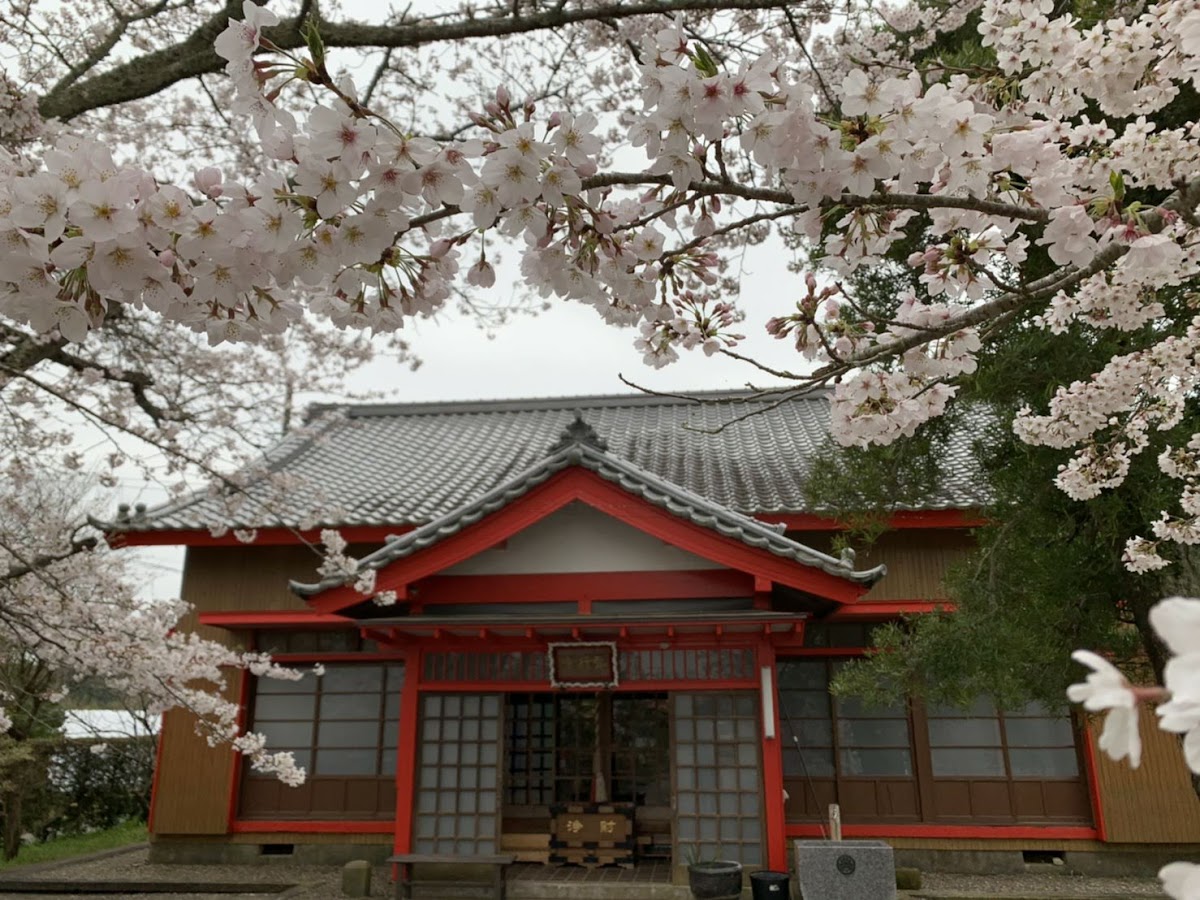
The main hall of Myoshoji features an architectural style characteristic of Nichiren Buddhist temples. The principal image is enshrined inside, and daily services and religious ceremonies are held there.
The architectural style and decorations of the main hall reflect the characteristics of the era in which it was built, and it is a historically valuable building with significant cultural heritage for the region.
Atmosphere of the Temple Grounds
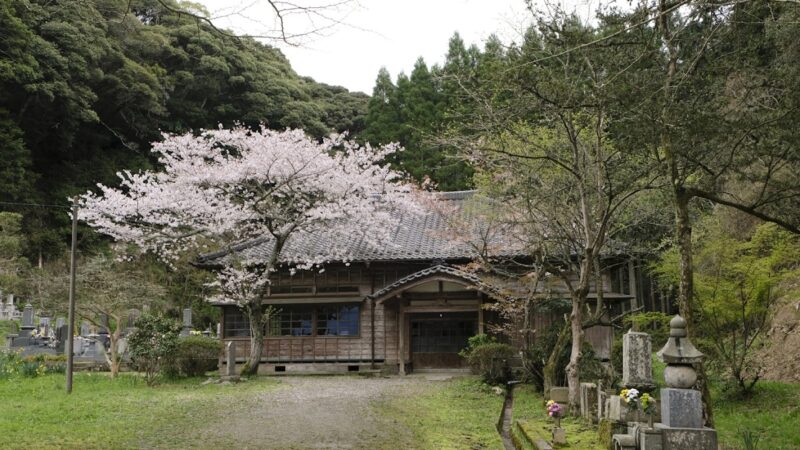
The grounds of Myoshoji Temple are characterized by a tranquil and peaceful atmosphere. Located away from the hustle and bustle of the city, visitors can offer their prayers in peace.
The following elements can be found within the temple grounds:
- Main Gate: The main gate, which serves as the entrance to the temple, is an important structure that welcomes visitors.
- Bell Tower: The bell tower, where the temple bell is hung, has served the role of telling time.
- Priest’s Quarters: This is the living space of the head priest and the central building for the operation of the temple.
- Cemetery: A cemetery where parishioners are buried is maintained.
Seasonal Scenery
The grounds of Myoshoji Temple are a place where you can feel the changing seasons.
- Spring: A season when cherry blossoms, plum blossoms, and other flowers bloom, and new greenery sprouts.
- Summer: Lush green trees cover the temple grounds, creating a cool and refreshing atmosphere.
- Autumn: Autumn leaves adorn the temple grounds, creating a tranquil and peaceful atmosphere.
- Winter: You can worship in a solemn atmosphere amidst the silence of the temple grounds.
Goshuin (Temple Seal) Information
Regarding the Issuance of Goshuin
Myoshoji Temple may offer Goshuin to visitors. The goshuin (temple stamp) of a Nichiren Buddhist temple generally has the following characteristics:
- Title: The characters “Namu Myoho Renge Kyo” are written in ink.
- Temple Name: The stamp “Myoshoji” or “Takafujisan” is applied.
- Date: The date of visit is recorded.
Manners when receiving a goshuin
When receiving a goshuin, please observe the following manners:
- First, pray: The goshuin is proof of your visit, so pray at the main hall first.
- Prepare a goshuin notebook: Prepare a dedicated goshuin notebook.
- Request politely: Please request politely from the head priest or temple staff.
- Donation: Generally, a donation of around 300 to 500 yen is offered.
- Express gratitude: After receiving the goshuin, express your gratitude.
Prior confirmation is important
The time and method of issuing goshuin vary depending on the temple. Before visiting Myoshoji Temple, it is recommended to confirm details by phone or other means. In particular, please confirm the following points:
- Whether they offer Goshuin (temple stamps)
- What are the hours during which they are available?
- What happens if the temple is absent?
- Whether they offer pre-written Goshuin.
Annual Events and Memorial Services
Main Annual Events
As Myoshoji Temple is a Nichiren Buddhist temple, it is believed that various memorial services and events are held throughout the year.
Oeshiki (Memorial Service)
One of the most important events in the Nichiren sect is the “Oeshiki.” Held around October 13th, the anniversary of Nichiren Shonin’s death, it attracts many believers.
Obon Memorial Services
In August, the Urabon-e (Obon Festival) is held, a memorial service for ancestors. Temple members gather to remember those who have passed away.
Higan-e (Autumn Equinox Service)
During the Higan period, which includes the spring and autumn equinoxes, a Higan-e service is held.
Daily Services
At Myoshoji Temple, daily services are performed by the head priest. Through these morning and evening services, the temple fulfills its role as a sacred site.
Etiquette and Manners for Visiting a Temple
How to Visit a Nichiren Buddhist Temple
Here are the basic manners for visiting a Nichiren Buddhist temple:
- Bow at the Temple Gate: Bow before passing through the temple gate.
- Purify at the Water Basin: If there is a water basin, purify your hands and mouth.
- Proceed to the Main Hall: Proceed quietly to the front of the main hall.
- Pray and Bow: Pray and bow in front of the main hall.
- Chant the Mantra: Chant “Namu Myoho Renge Kyo” silently.
- Offering: Place your offering in the offering box.
- Pray and Bow Again: Pray and bow again, concluding your visit.
Attire for Visiting a Temple
There are no specific dress code requirements, but it is desirable to wear clothing that reflects the sacred nature of the place:
- Clean and presentable clothing
- Clothing that does not excessively expose skin
- Easy-to-remove shoes (when entering the main hall)
Photography
Photography is generally permitted on the temple grounds, but please note the following:
- Obtain permission before photographing inside the main hall
- Refrain from photographing during religious ceremonies
- Be considerate of other visitors
- Be mindful that it is private property and maintain moderation
Access Information
Location
Takafuji-san Myoshoji Temple is located in Isumi City, Chiba Prefecture. For the specific address, we recommend checking the latest information before your visit.
Access by Public Transportation
Isumi City can be accessed by the following means of transportation:
By Train
- JR Sotobo Line: Ohara Station is the nearest major station
- Isumi Railway: Stations on the Isumi Railway Line are also accessible
From the nearest station, you will need to take a taxi or a local bus. It is recommended to check the distance and travel time from the station to Myoshoji Temple in advance.
Access by Car
Route from Expressways
- Metropolitan Inter-City Expressway (Ken-O Expressway): From Ichihara-Tsurumai IC, take National Route 297.
- Tateyama Expressway: From Ichihara IC, head towards National Route 297.
From major cities in Chiba Prefecture, you can access the temple using national and prefectural roads. Please enter “Myoshoji” or the address into your car navigation system and search.
Parking
It is recommended to check whether the temple has parking spaces before visiting. Many temples in rural areas have parking facilities, but the number of spaces may be limited.
Important Notes Regarding Access
- Road Conditions: Isumi City is located in the central part of the Boso Peninsula, and some roads pass through mountainous areas.
- Winter: Snowfall is rare, but caution is needed regarding icy roads.
- Car Navigation: Older map data may not display accurately, so please use the latest map information.
Nearby Tourist Attractions
The Charms of Isumi City
Isumi City, where Myoshoji Temple is located, is a region with abundant nature and a rich history and culture. In addition to visiting Myoshoji Temple, you can also enjoy the following sightseeing:
Isumi Railway
The Isumi Railway, known for its “Moomin Train,” is a popular local line that runs through tranquil rural landscapes. It is recommended not only for railway enthusiasts but also for those who want to enjoy a leisurely journey.
Coastal Area
Isumi City faces the Pacific Ocean and boasts a beautiful coastline:
- Taito Coast: A beautiful coastline known as a surfing spot
- Ohara Fishing Port: A fishing port where you can enjoy fresh seafood
Natural Scenery
There are numerous spots where you can enjoy the rich natural beauty of the Boso Peninsula:
- Managi Castle Ruins: The ruins of a castle from the Sengoku period, offering opportunities for historical walks
- Isumi River: A naturally rich river with clear waters
Nearby Temples and Shrines
Isumi City and the surrounding area are dotted with other historical temples and shrines. Those who enjoy visiting temples and shrines may want to plan a visit to several.
Gourmet Information
Isumi City is a region blessed with the bounty of both the sea and the mountains:
- Ise Lobster Dishes: Dishes using Ise lobster, a specialty of the Outer Boso Peninsula
- Octopus Dishes: Fresh octopus landed at Ohara Fishing Port
- Local Vegetables: Fresh vegetables grown in the warm climate
Points to Note When Visiting Myoshoji Temple
Best Time to Visit
Myoshoji Temple is open year-round, but each season offers a different charm:
- Spring (March-May): A warm and pleasant season with beautiful fresh greenery
- Summer (June-August): A time when the greenery is lush and you can feel the vitality of life (heat precautions are necessary)
- Autumn (September-November): The best time to visit, with beautiful autumn leaves and stable weather
- Winter (December-February): You can experience a solemn atmosphere in the tranquil temple grounds
Estimated Time Required
Please use the following as a guideline for the time required to visit Myoshoji Temple:
- Visiting the temple only: Approximately 15-30 minutes
- Including a stroll around the temple grounds: Approximately 30 minutes to 1 hour
- If receiving a Goshuin (temple stamp): An additional 10-20 minutes on top of the above
Useful Items to Bring
- Goshuincho (stamp book): Essential if you wish to receive a Goshuin
- Camera: For those who wish to photograph the beautiful scenery of the temple grounds
- Drinks: Hydration is especially important in the summer
- Hat/Parasol: For protection against strong sunlight
- Warm clothing: It can get cold in winter
Mindset for Visiting
When visiting Myoshoji Temple, it is important to keep the following in mind:
- Maintain silence: Act quietly within the temple grounds and avoid disturbing other visitors
- Show respect: Be mindful that this is a sacred place and visit with respect
- Respect Nature: We cherish the plants and environment within the temple grounds.
- Take Your Trash Home: For environmental conservation, please always take your trash home.
About Nichiren Buddhism
Teachings of Nichiren Buddhism
Nichiren Buddhism, to which Myoshoji Temple belongs, is a Buddhist sect founded by Nichiren Shonin (1222-1282), a monk of the Kamakura period.
Fundamental Scripture
The fundamental scripture of Nichiren Buddhism is the Lotus Sutra (Myoho Renge Kyo). Nichiren Shonin taught that the Lotus Sutra is the true teaching of Shakyamuni Buddha.
Title
Chanting the title “Namu Myoho Renge Kyo” is the most important practice of Nichiren Buddhism. This title has the following meanings:
- Namu: To take refuge in, to believe
- Myoho Renge Kyo: The formal name of the Lotus Sutra
Chiba Prefecture and Nichiren Buddhism
Chiba Prefecture holds special significance for Nichiren Buddhism:
- Birthplace: Nichiren Shonin was born in Awa Province (present-day Kamogawa City, Chiba Prefecture)
- Place of Training: Numerous temples associated with Nichiren Shonin, such as Seichoji Temple, exist in Chiba Prefecture
- Starting Point of Missionary Work: The Boso Peninsula was an important base for Nichiren Buddhism missionary work
Due to this historical background, Chiba Prefecture has a large number of Nichiren Buddhist temples, and Myoshoji Temple is one of them, supporting the local faith.
Summary
Takafuji-san Myoshoji Temple is an ancient Nichiren Buddhist temple located in Isumi City, Chiba Prefecture. As a historical temple, it attracts the faith of the local community, and its tranquil grounds welcome visitors seeking peace of mind.
A visit to Myoshoji Temple offers the following experiences:
- Experience the history and culture of Nichiren Buddhist temples
- Find peace of mind in the tranquil temple grounds
- Feel the nature and history of Boso Peninsula
- Understand the local faith and culture
When visiting Isumi City, we highly recommend visiting Myoshoji Temple. Away from the hustle and bustle of the city, the time spent in quiet prayer will bring new insights to your daily life.
Before visiting, we recommend checking the opening hours and the availability of temple stamps (Goshuin) in advance. Visiting nearby tourist spots in conjunction with Myoshoji Temple will allow you to appreciate the charm of Isumi City even more deeply.
We hope that Myoshoji Temple will be a place that brings peace of mind and new discoveries to everyone.