Complete Guide to Yakuoin Onsenji Temple (Ishikawa Prefecture) | An Ancient Temple Protecting Yamashiro Onsen and National Treasure-Class Cultural Properties
Yakuoin Onsenji Temple, located in Yamashiro Onsen, Kaga City, Ishikawa Prefecture, is a temple with a history of approximately 1300 years, dedicated to protecting the hot springs. This ancient temple, which began with the legend of the hot springs’ discovery by Gyoki Bodhisattva, houses numerous valuable cultural properties from the Heian to Kamakura periods and continues to be a symbolic presence in Yamashiro Onsen, welcoming many worshippers and tourists. This article provides a detailed explanation of Yakuoin Onsenji Temple’s history, highlights, and access methods.
What is Yakuoin Onsenji Temple?
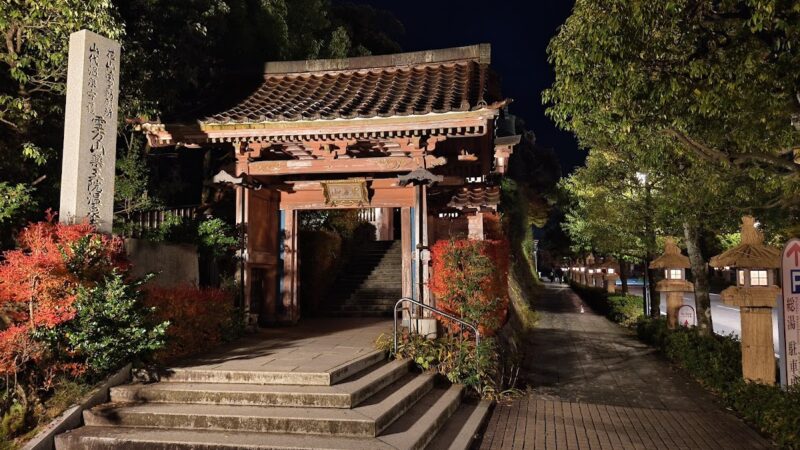
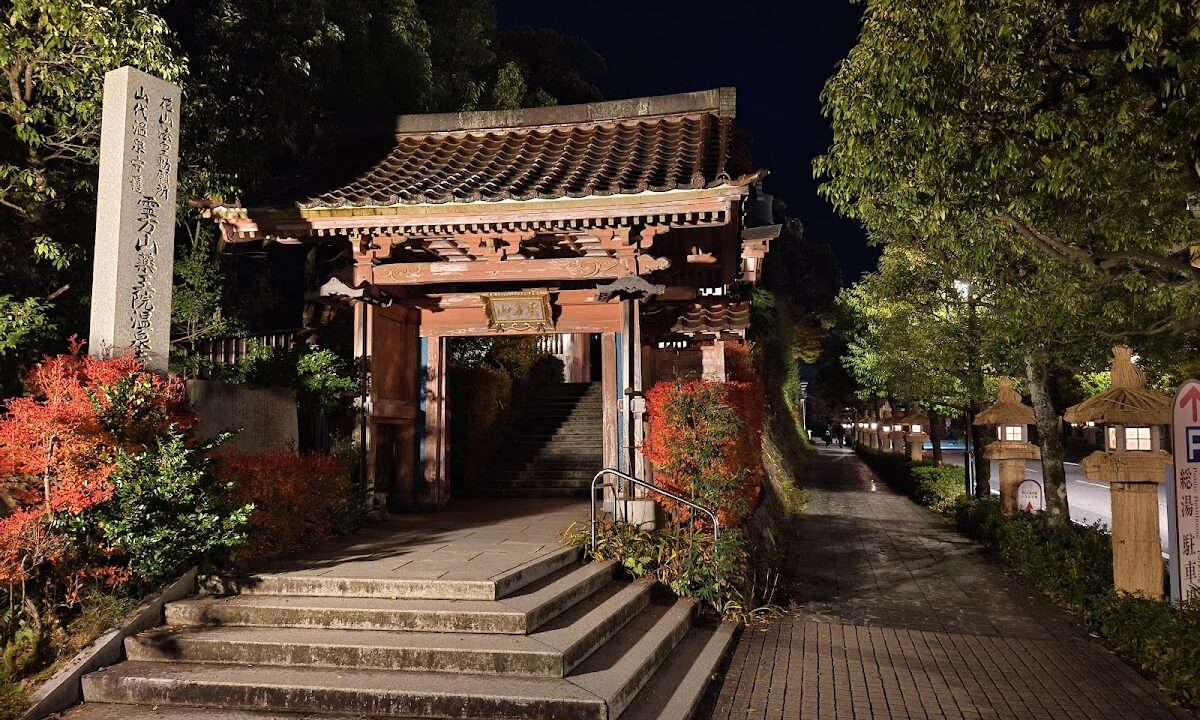
Yakuoin Onsenji Temple is a Shingon sect Chizan-ha temple located at 18-40-A, Yamashiro Onsen, Kaga City, Ishikawa Prefecture. Its official name is “Reihōzan Yakuoin Onsenji,” and it was founded as the guardian temple of Yamashiro Onsen.
History of the Temple’s Founding and the Legend of Gyōki Bodhisattva
Approximately 1300 years ago, in the second year of the Jinki era (725 AD) during the reign of Emperor Shōmu, it is said that Gyōki Bodhisattva discovered a hot spring in this area, guided by a sacred bird, while on his way to climb Mount Hakusan. To protect the hot spring, Gyōki enshrined Hakusan Daigongen and carved statues of Yakushi Nyorai, Nikko and Gekko Bodhisattvas, and the Twelve Divine Generals, establishing a temple to house them. This is considered the beginning of Yakushiin Onsenji Temple.
Gyōki Bodhisattva was a prominent high priest of the Nara period, known for his dedication to social projects throughout Japan, including the construction of bridges and reservoirs, and the founding of temples. Yamashiro Onsen, too, has long been known as “Gyōki’s Hot Spring,” a hot spring resort discovered by Gyōki.
The Five Temples of Hakusan and the Prosperity of an Imperial Temple
In the mid-Heian period, Myokaku Shonin built a seven-building temple complex, making it a prestigious temple counted among the Five Temples of Hakusan. The Five Temples of Hakusan refer to a central group of temples in the Hakusan faith, and Yakuoin Onsenji flourished as a large temple complex with hundreds of subsidiary shrines and branch temples.
Having established its status as an Imperial Temple, Yakuoin Onsenji received patronage from the imperial court and samurai families, and prospered throughout the medieval period. Many Buddhist statues and cultural artifacts created during this era have been carefully preserved and passed down to this day.
Nationally Designated Important Cultural Property: Myokaku Shonin’s Memorial Tower
On a hill behind the grounds of Yakuoin Onsenji stands the memorial tower (five-ring pagoda) of Myokaku Shonin, a nationally designated Important Cultural Property. This memorial tower is a must-see cultural artifact when visiting Yakuoin Onsenji.
About Myōgaku Shōnin
Myōgaku Shōnin was a high-ranking Shingon Buddhist priest who was active in the early 11th century. He self-studied Siddham script, or the study of Sanskrit characters, and left behind many writings. Particularly noteworthy is the fact that Myōgaku Shōnin is considered the founder of the Japanese syllabary, “A, I, U, E, O.”
His achievement in organizing the phonological system of Japanese and creating the prototype of the current syllabary chart occupies an extremely important position in the history of Japanese language. Myōgaku Shōnin is considered the restorer of Yakushiin Onsenji Temple and greatly contributed to the temple’s development.
Five-Ring Pagoda of the Kamakura Period
The memorial pagoda for Myōgaku Shōnin is estimated to have been built during the Kamakura period, and is highly regarded for its high level of craftsmanship as a stone five-ring pagoda. A five-ring pagoda is a Buddhist memorial pagoda representing the five elements of earth, water, fire, wind, and void, and is a representative form of medieval stone art.
This memorial tower is in excellent condition and is designated as a National Important Cultural Property, a valuable cultural asset that conveys the high level of stonemasonry techniques of the Kamakura period. Located on a hill, the tower offers a panoramic view of the Yamashiro Onsen townscape, providing visitors with a tranquil experience.
Temple Treasures and Valuable Buddhist Statues
Yakuoin Onsenji Temple houses numerous valuable Buddhist statues created from the Heian period to the Kamakura period. These temple treasures demonstrate the high level of Buddhist art of that time and speak to the historical importance of Yakuoin Onsenji Temple.
Eleven-Headed Kannon Bodhisattva Statue
The wooden statue of the Eleven-Headed Kannon Bodhisattva, carved in the early Heian period, is one of Yakuoin Onsenji Temple’s most representative temple treasures. The Eleven-Headed Kannon is a Kannon Bodhisattva with eleven faces on its head, embodying the belief that it looks in all directions and saves all sentient beings.
This Buddhist statue, retaining the style of the early Heian period, is characterized by its serene expression and elegant form, demonstrating the high level of skill of the Buddhist sculptors of the time. Remarkably well-preserved, it continues to convey a sense of compassion to worshippers even after more than 1000 years.
Fudo Myoo Statue
The Fudo Myoo statue, carved during the Kamakura period, is also an important treasure of Yakuoin Onsenji Temple. Fudo Myoo is one of the central deities in Esoteric Buddhism, depicted in a wrathful form, bearing flames that burn away worldly desires, and holding a sword and lasso.
Kamakura period Fudo Myoo statues are characterized by their powerful form and realistic expression, clearly demonstrating the characteristics of Buddhist sculpture from this era. The Fudo Myoo statue at Yakuoin Onsenji Temple is highly regarded as an excellent example of Kamakura sculpture.
Other Buddhist Statues
The temple also houses a collection of Buddhist statues said to have been carved by Gyoki, including Yakushi Nyorai (Medicine Buddha), Nikko and Gekko Bodhisattvas, and the Twelve Heavenly Generals. While these may have undergone repairs or restoration in later periods, they are valuable artifacts that convey the original form of worship from the time of the temple’s founding.
Highlights of the Temple Grounds
The grounds of Yakuoin Onsenji Temple feature historical buildings and gardens, offering a peaceful and serene place for worship.
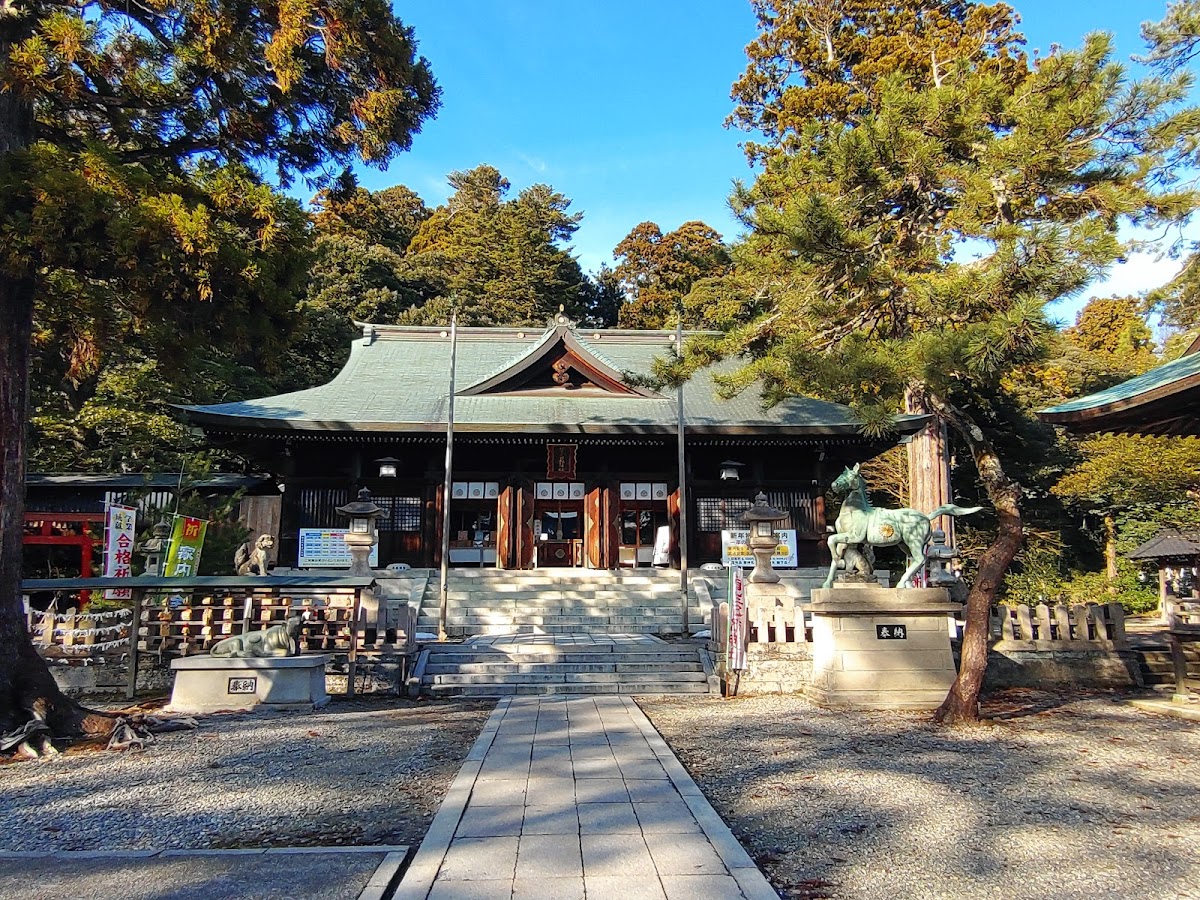
Main Hall and Yakushi Hall
The main hall houses the principal image, Yakushi Nyorai, revered as the guardian deity of the hot springs. Yakushi Nyorai is known as the Buddha of healing and longevity, making it a fitting principal image for a hot spring resort.
The hall is enveloped in a solemn atmosphere, and the scent of incense evokes a sense of its long history.
Stone Structures on the Temple Grounds
Besides the memorial tower for Myokaku Shonin, various stone structures are scattered throughout the temple grounds, including the tombs of successive chief priests and stone Buddha statues. These are valuable historical materials that tell the story of faith from the medieval to the early modern period.
Integration with Yamashiro Onsen
Yakuoin Onsenji Temple is located in the heart of Yamashiro Onsen, offering a sense of integration with the hot spring town. Around the temple, there are facilities that tell the history of Yamashiro Onsen, such as the old public bathhouse and the Iroha-soan, the former residence of Rosanjin. Visiting these together allows for a deeper understanding of the cultural depth of this area.
As Yamashiro Onsen’s Yakushi-san
Yakuoin Onsenji Temple, affectionately known as “O-Yakushi-san” (Yakushi-san) by the locals, continues to be a spiritual pillar of Yamashiro Onsen, deeply rooted in the community.
Faith in the Protection of the Hot Springs
For 1300 years since its founding, Yakuoin Onsenji Temple has served as the guardian temple of Yamashiro Onsen, praying for the prosperity of the hot springs and the health of visitors. The faith of gratitude for the continued flow of the hot springs and the prayer for the health and well-being of visitors remains unchanged to this day.
Local Events and the Temple
Throughout the year, Yakuoin Onsenji Temple holds various Buddhist services and events. These events are open not only to local residents but also to tourists visiting the hot springs, and are an integral part of Yamashiro Onsen’s cultural appeal.
Goshuin (Temple Seals) and Etiquette for Visiting
You can receive a Goshuin (temple seal) at Yakuoin Onsenji Temple. Goshuin are popular among visitors as proof of worship and as a memento of their trip.
About Goshuin
You can receive a Goshuin at the temple office. Please bring your Goshuincho (stamp book) and make your request politely. A Goshuin (temple/shrine stamp) is not merely a stamp; it is a heartfelt inscription written as proof of your visit.
Etiquette for Visiting a Temple
Visiting a temple has different etiquette than visiting a shrine. First, bow at the temple gate, then purify your hands and mouth at the water basin. At the main hall, after offering your donation, quietly join your hands in prayer. At temples, it is customary to quietly join your hands in prayer rather than clap your hands.
Access Information
Yakuoin Onsenji Temple is accessible by both public transport and private car.
Access by Public Transport
If using JR
- Get off at JR Hokuriku Main Line “Kaga Onsen Station”
- Approximately 13 minutes by Hokutetsu Kaga Bus Onsen Yamanaka Line
- Get off at “Yamashiro Onsen” bus stop, approximately 5 minutes on foot (approx. 350m)
Kaga Onsen Station is a major station where express trains also stop, and is easily accessible from both Kanazawa and Fukui/Osaka.
Access by Private Car
If using the expressway
- Approximately 11 minutes (approx. 7.5 km) from the Hokuriku Expressway “Kaga IC”
- Car navigation setting: 18-40-A, Yamashiro Onsen, Kaga City, Ishikawa Prefecture
Parking Information
While there is limited dedicated parking at Yakuoin Onsenji Temple, you can use the nearby “Iroha Soan/Sōyu” parking lot (approx. 150m). There are several public parking lots in the center of Yamashiro Onsen, and it is recommended to visit on foot from there while exploring the area.
Nearby Tourist Attractions
When visiting Yakuoin Onsenji Temple, exploring the surrounding tourist attractions will allow you to experience the charm of Yamashiro Onsen more deeply.
Kosōyu
Kosōyu, a public bathhouse in Yamashiro Onsen that recreates the architectural style of the Meiji era, is within walking distance of Yakuoin Onsenji Temple. This facility preserves the tradition of the hot spring said to have been discovered by Gyōki, allowing you to enjoy the hot springs in a retro atmosphere.
Rosanjin’s Former Residence, Iroha-soan
This is the site of the villa where Kitaoji Rosanjin, known as a ceramic artist and gourmet, stayed during the Taisho era. Rosanjin created many works in Yamashiro Onsen and greatly influenced the local culture. It is now open to the public as a memorial museum, where visitors can learn about Rosanjin’s works and lifestyle.
Yunogawa (Hot Spring Enclosure) of Yamashiro Onsen
The central area of the hot spring town, centered around the public bathhouse, is called “Yunokuruwa,” and retains a unique townscape that has continued since the Edo period. It is a valuable landscape that conveys the community culture centered around the hot springs, and is enjoyable even just for a stroll.
Hattori Shrine
This shrine enshrines the guardian deity of Yamashiro Onsen and, along with Yakuoin Onsenji Temple, plays a spiritual role in Yamashiro Onsen. It remains a place of local worship where many people visit to pray for the prosperity of the hot springs.
Basic Information
Name: Yakuoin Onsenji Temple
Official Name: Reihōzan Yakuoin Onsenji Temple
Sect: Shingon-shu Chizan-ha
Address: 18-40-A, Yamashiro Onsen, Kaga City, Ishikawa Prefecture 922-0242
Phone Number: 0761-76-1155
Visiting Hours: Grounds are freely accessible (reservations may be required for viewing temple treasures)
Admission Fee: Grounds are free (special viewings are subject to separate charges)
Closed Days: Open all year round
Parking: Available (limited spaces, use of nearby parking is recommended)
Official Website: Please check
Best Season to Visit
Yakuoin Onsenji Temple can be visited throughout the year, but each season has its own unique charm.
Spring (March-May)
This is the season when the cherry blossoms and fresh greenery on the temple grounds are at their most beautiful. Enjoy a leisurely visit in the mild climate.
Summer (June-August)
The lush green grounds offer relief from the summer heat. This is also a time of many local events, such as the Yamashiro Onsen Summer Festival.
Autumn (September-November)
This is a beautiful season for autumn foliage, with the trees in the grounds changing color, creating a picturesque landscape. The weather is stable, making it ideal for sightseeing.
Winter (December-February)
The temple amidst a snowy landscape has a special charm. Visiting in conjunction with a hot spring visit offers a unique winter experience in the Hokuriku region.
Precautions for Visiting
When visiting Yakuoin Onsenji Temple, please note the following:
Clothing and Belongings
Please dress appropriately for temple visits. Especially when viewing the main hall, it is considered good manners to avoid revealing clothing. Take proper precautions against the cold in winter and sun in summer.
Regarding Photography
Photography is generally permitted within the temple grounds, but photography inside the main hall and of Buddhist statues may be prohibited. Always check beforehand and obtain permission before taking photos.
Respect
Temples are places of prayer. Please refrain from loud conversations and noisy behavior, and pray quietly.
Summary
Yakuoin Onsenji Temple, with its 1300-year history, is the guardian temple of Yamashiro Onsen and remains popular with many worshippers and tourists. It boasts numerous attractions, including the legend of the hot spring’s opening by Gyoki Bodhisattva, the nationally designated important cultural property of the memorial tower of Myokaku Shonin, and a collection of valuable Buddhist statues from the Heian and Kamakura periods.
When visiting Yamashiro Onsen, be sure to visit Yakuoin Onsenji Temple and experience the faith and culture preserved throughout its long history. While healing your mind and body in the hot springs, the quiet time spent at this ancient temple will deepen your travel memories.
Located in the Yamashiro Onsen hot spring resort in Kaga City, Ishikawa Prefecture, Yakuoin Onsenji Temple is not merely a tourist attraction, but a valuable cultural heritage site where Japanese hot spring culture and Buddhist faith are fused. Understanding its historical value and spiritual significance while visiting will undoubtedly lead to a more fulfilling experience.