Complete Guide to Jogakuji Temple (Kanazawa City, Ishikawa Prefecture) | History, Basho Haiku Monument, Access, and Highlights Explained in Detail
Jogakuji Temple, located in Nomachi, Kanazawa City, Ishikawa Prefecture, is an ancient temple of the Jodo sect with a history of over 400 years. Situated in Kanazawa’s Teramachi temple district, it boasts numerous cultural and historically valuable sights, including the “Shoo Tomb,” a haiku monument to Matsuo Basho, and the main hall, which features a valuable architectural style from the early Edo period. This article comprehensively introduces all the information you need to know before visiting Jogakuji Temple, from its history, architecture, cultural assets, to access methods.
Basic Information about Jogakuji Temple
Location and Contact Information
- Official Name: Jogakuji Temple
- Sect: Jodo Sect
- Address: 1-1-18 Nomachi, Kanazawa City, Ishikawa Prefecture 921-8031
- Phone Number: 076-241-3664
- Chief Priest: Narutoshi Kosaka
- Nearest Station: Approximately 8 minutes on foot from Nomachi Station on the Hokuriku Railway Ishikawa Line
Visiting Information
Jogakuji Temple is generally open to visitors. In particular, the Basho haiku monument and the statues of Fujin and Raijin can be seen from the outside. However, it is recommended to contact the temple in advance regarding visits to the interior of the main hall.
- Visiting Hours: Daytime (Please contact the temple for details)
- Admission Fee: Free entry to the grounds (Please check for permission to view the interior of the main hall)
- Parking: Available (Limited number of spaces)
History and Origins of Seigaku-ji Temple
Founding and History
Seigaku-ji Temple is said to have been founded during the Tensho era (1573-1592). This period coincided with the time of Oda Nobunaga and Toyotomi Hideyoshi, and was the end of the Sengoku period, just before the formation of the Kaga Domain. The temple district of Kanazawa began when Maeda Toshiie, the first lord of the Kaga Domain, gathered temples as a defensive base for Kanazawa Castle.
Seigaku-ji Temple, as an important temple occupying a corner of this temple district, has played a role in spreading the teachings of the Jodo sect in the region. For over 400 years, it has been a beloved place of faith for the people of Kanazawa.
Positioning within the Teramachi Temple District
The Teramachi Temple District in Kanazawa City is a rare area nationwide, with over 70 temples densely clustered along the Sai River. Seigakuji Temple is located in Nomachi, about a 5-minute walk south from the Sai River Bridge. This temple district is not merely a collection of religious facilities, but also functioned as a defensive line for the castle town of Kanazawa.
The Teramachi Temple District is home to temples of various sects, including Jodo-shu, Jodo Shinshu, Nichiren-shu, and Soto-shu, each possessing its own unique history and culture. Among them, Seigakuji Temple is known as a representative temple of the Jodo-shu sect.
Highlights of Seigakuji Temple
1. Shoo-fun (Basho Haiku Monument) – A Valuable Cultural Asset, One of the Oldest Existing
The greatest highlight of Seigakuji Temple is the haiku monument of Matsuo Basho, known as “Shoo-fun,” located within the temple grounds. This haiku monument was erected in 1755 (Hōreki 5) and is considered one of the oldest surviving haiku monuments dedicated to Bashō.
The Haiku Engraved
“The sun shines brightly, yet the autumn wind is cold.”
This haiku is believed to have been composed by Bashō in 1688 (Genroku 1). It’s a beautiful poem that contrasts sight and touch, describing the bright red glow of the autumn sunset with the cold wind that signals the arrival of autumn.
History of its Construction
The Bashō tomb was erected by Hori Bakusui, a haiku poet from Kanazawa, and his disciples in memory of Bashō. Hori Bakusui was active in the haiku circles of the Kaga Domain, admired Bashō’s style of haiku, and dedicated himself to spreading his teachings in Kanazawa.
Kanazawa is a region with a thriving haiku culture, having produced many haiku poets since the Edo period. The tomb of Sho-o at Seigaku-ji Temple is a valuable cultural asset that conveys Kanazawa’s cultural traditions to the present day, attracting many literature enthusiasts and tourists.
2. Early Edo Period Main Hall Architecture
The main hall of Seigaku-ji Temple is a valuable building that preserves the architectural style of the early Edo period. Its distinctive architectural style incorporates elements of the Shoin-zukuri style, making it an important resource for understanding the techniques and aesthetics of temple architecture at that time.
What is Shoin-zukuri?
Shoin-zukuri is an architectural style that developed as samurai residences during the Muromachi period, characterized by its dignified style featuring tokonoma (alcoves) and chigaidana (tiered shelves). The incorporation of these elements into temple architecture resulted in buildings that possessed both religious solemnity and functionality as living spaces.
The main hall of Seigaku-ji Temple is attracting attention from architectural historians as a valuable cultural heritage that conveys these early Edo period architectural techniques to the present day.
3. Stone Statues of Fujin and Raijin
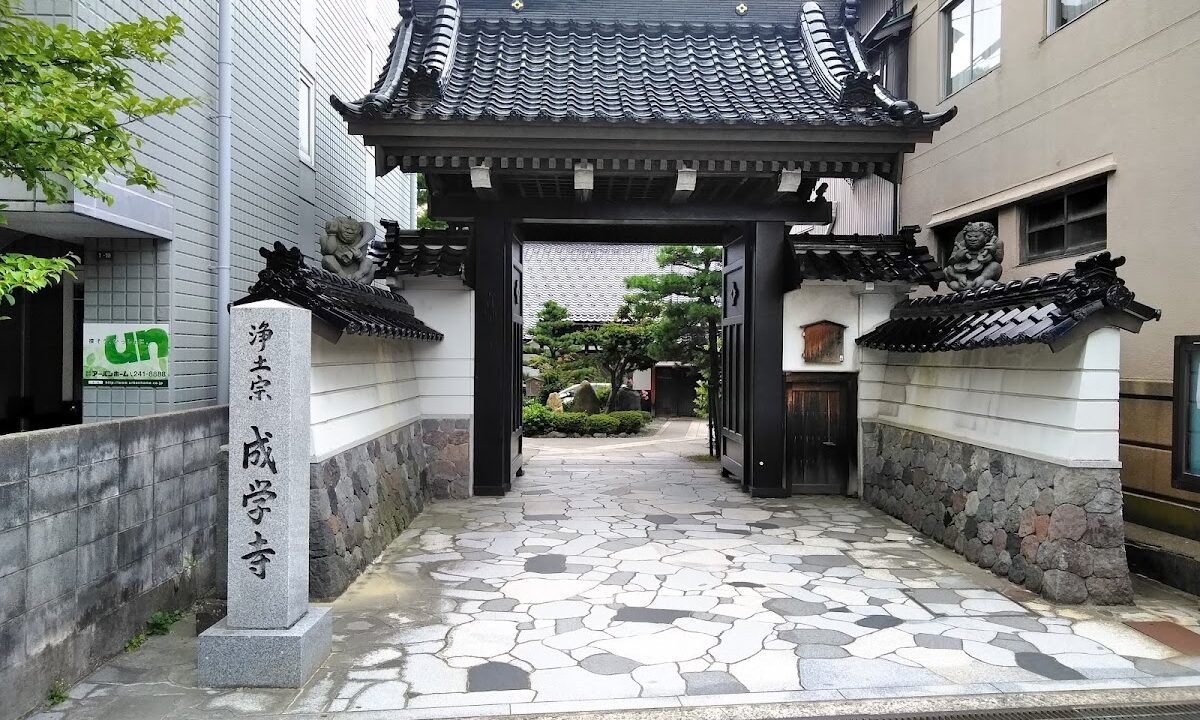
One of the most striking features of Seigaku-ji Temple is the stone statues of Fujin and Raijin (the gods of wind and thunder) perched atop the wall. These statues are positioned as guardians of the temple, and their unique placement attracts the interest of visitors.
In Buddhism, Fujin and Raijin are considered benevolent guardians, responsible for protecting temples and faith. The statues at Seigaku-ji Temple, though made of stone, are characterized by their dynamic form, demonstrating the high level of stonemasonry during the Edo period.
4. Enshrinement of Sugawara no Michizane
Another distinctive feature of Seigaku-ji Temple is the enshrinement of Sugawara no Michizane. Sugawara no Michizane is widely worshipped as the god of learning, and the temple is visited by students and those praying for academic success.
The presence of such syncretic elements between Shinto and Buddhism, despite being a Jodo sect temple, is an interesting example of the diversity and flexibility of Japanese religious culture.
How to Access Seigakuji Temple
Access by Public Transportation
By Train and Bus
Using the Hokuriku Railway Ishikawa Line
- Take the Hokuriku Railway Ishikawa Line from Kanazawa Station
- Get off at “Nomachi Station” and walk for approximately 8 minutes
- From the Nomachi Station exit, head towards the Sai River and enter the Teramachi Temple District area.
Using a Local Bus
- Take a Hokuriku Railway Bus or West Japan JR Bus from the Kanazawa Station East Exit Bus Terminal
- Get off at the “Hirokoji” bus stop and walk for approximately 3 minutes
- Or get off at the “Nomachi Hirokoji” bus stop and walk for approximately 5 minutes
Travel Time from Kanazawa Station
- By Train: Approximately 20 minutes (travel time + walking time)
- By Bus: Approximately 15-20 minutes (may vary depending on traffic conditions)
Access by Car
Route from the Expressway
Using the Hokuriku Expressway
- Approximately 15 minutes from Kanazawa West Interchange
- Approximately 20 minutes from Kanazawa East Interchange
Car Navigation Settings
- Address: 1-1-18 Nomachi, Kanazawa City, Ishikawa Prefecture
- Phone Number: 076-241-3664 (For car navigation search)
Parking Information
Seigakuji Temple has a parking lot, but the number of spaces is limited. The roads around the Teramachi temple district are narrow and can be congested during peak tourist season, so we recommend using public transportation.
There are also several paid parking lots nearby; please use those if the main parking lot is full.
Combining with Nearby Tourist Attractions
Since Seigakuji Temple is located in the Teramachi temple district, there are many other temples and tourist attractions in the surrounding area.
Main Tourist Spots within Walking Distance
- Myoryuji Temple (Ninja Temple): Approximately 5 minutes on foot, a Nichiren Buddhist temple famous for its mechanical contraptions.
- Saigawa Ohashi Bridge: Approximately 5 minutes on foot, a bridge associated with the three great literary figures of Kanazawa.
- Nishi Chaya District: Approximately 10 minutes on foot, one of Kanazawa’s three geisha districts.
- Teramachi Temple District Walking Route: A historical area lined with over 70 temples.
A half-day to full-day stroll through the Teramachi area is recommended.
Kanazawa’s Temple Culture and Seigakuji Temple
Kaga Domain and Temple Policy
Kanazawa’s temple districts are closely related to the development of the castle town of the Kaga Domain. After entering Kanazawa, Maeda Toshiie strategically placed temples for the defense of the castle and the development of the town.
He concentrated temples in three areas: Teramachi, the foot of Utatsuyama, and Kodatsuno, collectively known as the “Three Teramachi Temple Districts.” The temple district where Seigaku-ji Temple is located utilized the Sai River as a natural moat, serving as a defensive line against attacks from the southwest.
Jodo Sect and Kanazawa
The Jodo Sect is a Buddhist sect founded by Honen Shonin, which teaches that one can attain rebirth in paradise by chanting “Namu Amida Butsu.” There are several Jodo Sect temples in Kanazawa, and Seigaku-ji Temple is one of the most representative.
During the Edo period, various sects of temples coexisted in the Kaga Domain, each fostering its own unique culture. Seigaku-ji Temple, while upholding the teachings of the Jodo Sect, has continued its activities rooted in the local community.
Haikai Culture and Temples
Kanazawa has been a thriving center of haiku culture since the Edo period, producing many haiku poets. The tomb of Sho-o at Seigaku-ji Temple was built precisely because of this cultural foundation.
Haiku poets associated with Kanazawa, such as Kaga no Chiyojo, are known throughout Japan, and haiku culture remains vibrant in Kanazawa today. Seigakuji Temple occupies an important position in Kanazawa’s cultural history as a place where literature and Buddhism intersect.
Notes and Manners for Visitors
Basic Manners for Temple Visits
Seigakuji Temple is an active temple and a place of worship for the local community. Please observe the following manners when visiting.
- Please be quiet: Please behave quietly on the temple grounds and refrain from loud conversations.
- Photography: Photography is generally permitted on the temple grounds, but please refrain from taking photos inside the main hall or during religious services.
- Restricted Areas: Please do not enter areas marked as restricted.
- Dress Code: There are no particularly strict regulations, but please avoid overly revealing clothing.
- Garbage: Please take all your trash with you.
Things to Check Before Visiting
- Visits may not be possible if there are religious services or events.
- If you wish to view the interior of the main hall, we recommend contacting us in advance.
- If you are visiting as a group, please be sure to contact us in advance.
Seasonal Highlights
Spring (March-May)
The Teramachi area is a famous cherry blossom viewing spot, and in spring you can enjoy the beautiful contrast between the cherry blossoms and the temple.
Summer (June-August)
A season of beautiful fresh greenery. Combining this with a stroll along the Sai River makes for a refreshing experience.
Autumn (September-November)
This is the season to truly experience the meaning of Basho’s haiku monument: “The sun shines brightly, yet the autumn wind is indifferent.” The autumn foliage is beautiful, making it the most suitable time to visit.
Winter (December-February)
The snow-covered temples exude a profound charm and a tranquil atmosphere. Please dress warmly for your visit.
Dining and Rest Spots Around Seigakuji Temple
Cafes and Restaurants Around Teramachi
Around the temples of Teramachi, you’ll find cafes housed in renovated old houses and traditional restaurants.
- Cafes around Teramachi: A tranquil space perfect for a break during your stroll.
- Kanazawa Oden: Several restaurants serving Kanazawa’s famous oden are located nearby.
- Japanese Confectionery Shops: You can enjoy traditional Kanazawa sweets.
Dining in Nishi Chaya District
Nishi Chaya District, about a 10-minute walk away, has restaurants housed in charming teahouse architecture. You can enjoy traditional Kanazawa cuisine and sweets.
The Role of Seigakuji Temple in Kanazawa Tourism
Relationship with Major Kanazawa Tourist Attractions
While Kenrokuen Garden and Higashi Chaya District are well-known Kanazawa tourist spots, the Teramachi area, where Seigakuji Temple is located, is a hidden gem where you can experience Kanazawa’s history and culture in a quieter, more peaceful atmosphere.
Sample Kanazawa Sightseeing Course
Half-Day Course (Afternoon)
- Saigawa Bridge (Literary Monument Tour)
- Seigakuji Temple (Basho Haiku Monument Visit)
- Stroll through Teramachi Temple District
- Nishi Chaya District
Full-Day Course
- Morning: Kenrokuen Garden & Kanazawa Castle Park
- Afternoon: Teramachi Temple District (including Seigakuji Temple) & Nishi Chaya District
- Evening: Stroll along the Saigawa River
Cultural Value
Seigakuji Temple is a temple with high cultural value in the following respects:
- Architectural Historical Value: Early Edo period Shoin-style architecture
- Literary Historical Value: One of the oldest existing haiku monuments to Basho
- Regional Historical Value: A representative example of a Jodo sect temple in the Teramachi temple district
- Art Historical Value: Stone sculptures such as the statues of Fujin and Raijin (wind and thunder gods)
These elements, preserved in a complex manner, give Seigakuji Temple an important position as a cultural heritage site in Kanazawa.
Summary: The Charms of Visiting Seigakuji Temple
Seigakuji Temple is an ancient Jodo sect temple located in the Teramachi temple district of Nomachi, Kanazawa City, and possesses the following attractions:
Main Attractions of Seigakuji Temple
- Historical Value: Founded during the Tensho era, with over 400 years of history
- Literary Value: The oldest existing haiku monument of Basho, “Shoo-fun”
- Architectural Value: The main hall, built in the early Edo period in the Shoin-zukuri style
- Cultural Value: Stone statues of Fujin and Raijin (wind and thunder gods), and a shrine dedicated to Sugawara no Michizane
- Location Value: Located in the Teramachi temple district, a cultural center of Kanazawa
Recommended Visitors
- Those interested in Japanese history and culture
- Haiku and literature enthusiasts
- Those interested in temple architecture
- Those looking for a hidden gem in Kanazawa
- Those seeking a quiet environment for contemplation
Accessibility
Seigakuji Temple is easily accessible, just about 20 minutes from Kanazawa Station by public transport. Be sure to visit Seigakuji Temple as part of your stroll through the Teramachi temple district.
Seigakuji Temple offers a glimpse into Kanazawa’s profound history and culture. It provides a tranquil and serene experience, quite different from the bustling tourist spots. Standing before the tomb inscribed with a haiku by Basho, you can hum “The sun shines brightly, yet the autumn wind is indifferent,” and reflect on the Edo-period haiku poets—a truly precious place for culturally enriching experiences.
When you visit Kanazawa, be sure to stop by Seigakuji Temple. You’ll discover a deeper cultural charm of Kanazawa that you won’t find in the major tourist destinations.