Complete Guide to Shinchoji Temple (Kanazawa City, Ishikawa Prefecture) | Goshuin (Temple Seal), History, and Access Information
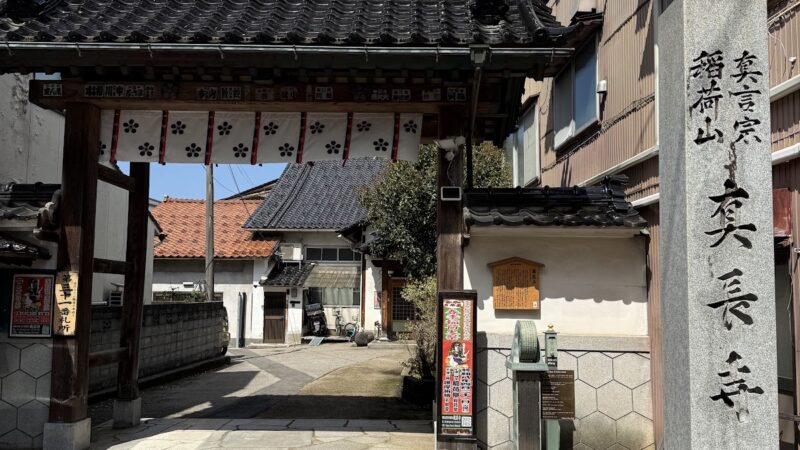
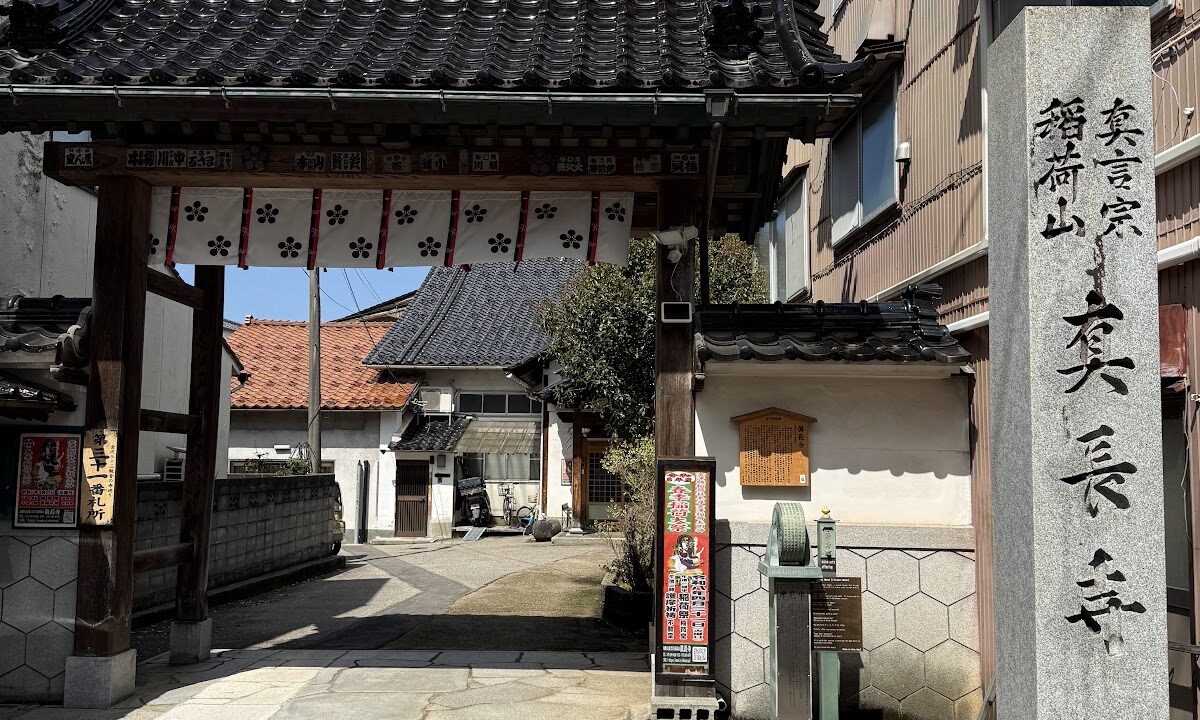
Shinchoji Temple, located in the Teramachi temple district of Kanazawa City, Ishikawa Prefecture, is a historic temple belonging to the Koyasan Shingon sect. Known as one of the 33 Kannon pilgrimage sites in Kanazawa, it is a beloved local temple with numerous points of interest, including the Kanazawa Inari shrine, said to have protected the temple grounds from fire, and the Five Pine Trees featured in the novels of the renowned author Izumi Kyoka.
This article provides detailed information useful for visitors, including the history of Shinchoji Temple, information on its goshuin (temple seal), points of interest within the temple grounds, and access methods.
Basic Information about Shinchoji Temple
Shinchoji Temple is a Koyasan Shingon sect temple located at 1-2-2 Nomachi, Kanazawa City. It occupies a corner of the Teramachi temple district and is an important religious facility that conveys the history and culture of Kanazawa to the present day.
Temple Name: Shinchoji Temple
Sect: Koyasan Shingon Buddhism
Principal Image: Aizen Myoo
Pilgrimage Site: New 31st Temple of the Kanazawa Thirty-Three Kannon Pilgrimage
Location: 1-2-2 Nomachi, Kanazawa City, Ishikawa Prefecture
Nearest Station: Nomachi Station, Hokuriku Railway Ishikawa Line
The Teramachi temple district is a concentrated area of temples developed by the Kaga Domain for the purpose of defending Kanazawa Castle town and controlling religion. Shinchoji Temple is part of this historical streetscape.
History of Shinchoji Temple
History of Founding and Relocation
Shinchoji Temple was founded in the early 17th century, during the early Edo period. Initially, it was built near Korinbo, the current center of Kanazawa City, but approximately 30 years after its founding, it was relocated to its current location in Nomachi.
This relocation was part of the Kaga Domain’s town development project and was a significant event in the formation of the Teramachi temple district. The Kaga Domain implemented a policy of concentrating temples in the southwestern part of the castle town for defensive reasons, and it is believed that Shincho-ji Temple relocated in accordance with this policy.
The Great Fire of Hōreki and the Miracle of Kanazawa Inari Shrine
A noteworthy event in Shincho-ji Temple’s history is the great fire that occurred in Hōreki 12 (1762). This fire started in a neighboring house and resulted in a major disaster, destroying 269 houses in the vicinity.
However, legend remains that the Inari shrine within the grounds of Shincho-ji Temple miraculously escaped the fire. This Inari shrine was originally enshrined within Kanazawa Castle and, for some reason, was entrusted to Shincho-ji Temple. Because only this Inari shrine remained undamaged during the great fire, it became a place of worship for people as “Inari that protects against fire.”
This Kanazawa Inari shrine is still enshrined on the temple grounds, and visitors come to pray for protection from fire and for business prosperity.
Connection to Izumi Kyoka
The novel “Ruko Shinso” by Izumi Kyoka, a literary giant born in Kanazawa, features five pine trees that were located on the grounds of Shincho-ji Temple. Published in the late Meiji period, this work is one of Kyoka’s representative works, depicting the atmosphere and charm of Kanazawa.
The five pine trees were a symbolic presence at Shincho-ji Temple and were cherished by local people and literature lovers. Even today, there are pine trees on the temple grounds that evoke the memory of those trees, making it a popular spot for Kyoka fans.
Information on Shincho-ji Temple’s Goshuin (temple stamp)
Features of the Goshuin
Shincho-ji Temple offers Goshuin to visitors. This temple primarily offers Goshuin (temple stamps) as the new 31st stop on the Kanazawa Thirty-Three Kannon Pilgrimage, attracting many visitors as part of their Kannon pilgrimage.
The Goshuin features the temple’s name, “Shinchoji,” written in ink, and a red stamp indicating its pilgrimage site status. The carefully written Goshuin are cherished as mementos of the visit.
Goshuin Reception Hours and Location
Goshuin are generally issued during daytime hours. However, they may not be available during temple events or when the head priest is absent. Therefore, it is recommended to call ahead to confirm if you wish to receive a Goshuin.
Goshuin are typically issued in the main hall or the priest’s living quarters. Please ask for one after your visit.
About Goshuin Notebooks
Information regarding the availability of original Goshuin notebooks is limited, but they will record in your own notebook. If you have a special stamp book for the Kanazawa Thirty-Three Kannon Pilgrimage, it is recommended to have your stamps recorded in it.
The offering fee is approximately 300 to 500 yen, similar to other temples. It is polite to have the exact amount in coins to avoid needing change.
Highlights of the Temple Grounds
Main Hall and Aizen Myoo
The principal deity of Shincho-ji Temple is Aizen Myoo. Aizen Myoo is one of the Myoo (Wisdom Kings) in Esoteric Buddhism, believed to possess the power to transform worldly desires into enlightenment, and is worshipped as a deity for successful love and matchmaking.
The main hall has a tranquil atmosphere, exuding the solemnity characteristic of Shingon Buddhist temples. When visiting, please join your hands in prayer at the main hall and offer your prayers quietly.
Kanazawa Inari Shrine
The Kanazawa Inari shrine, located within the temple grounds, is one of Shincho-ji Temple’s greatest highlights. As mentioned earlier, it has a legend that it miraculously survived the Great Fire of Hōreki, and is believed to offer protection against fire.
Originally enshrined within Kanazawa Castle, this historic Inari shrine attracts many visitors praying for business prosperity and family safety. Although small, it is an important place of worship for the local community.
Five Pine Trees (A Place Associated with Izumi Kyōka)
The five pine trees that appeared in Izumi Kyōka’s novel “Rukō Shinsō” enhance the literary value of Shinchōji Temple. Kyōka depicted the scenery and atmosphere of Kanazawa with delicate prose, and his works are still loved by many readers today.
While the original five pine trees may no longer exist on the temple grounds, there are pine trees that carry on their spirit, making it worthwhile to visit as part of a literary stroll.
Atmosphere of the Temple Grounds
Shinchōji Temple’s grounds are located in the quiet environment of the Teramachi temple district, making it an ideal place to escape the hustle and bustle of the city and find peace of mind. The well-maintained temple grounds display different expressions throughout the seasons, and the scenery is particularly beautiful during the cherry blossom season in spring and the autumn foliage season.
About the Kanazawa Thirty-Three Kannon Pilgrimage
Shincho-ji Temple is designated as the new 31st temple on the Kanazawa Thirty-Three Kannon Pilgrimage. This pilgrimage involves visiting temples in Kanazawa City that enshrine Kannon, and is a traditional form of faith that has continued since the Edo period.
Significance of the Pilgrimage
The Thirty-Three Kannon Pilgrimage is a belief derived from the thirty-three manifestations of Kannon Bodhisattva. It is believed that by visiting each temple, one can accumulate merit and have their wishes fulfilled. The Kanazawa Thirty-Three Kannon Pilgrimage is a valuable opportunity to experience the history and culture of the region while gaining spiritual fulfillment.
How to Pilgrimage
On the pilgrimage, it is common to visit each temple and receive a Goshuin (temple stamp). You can explore at your own pace by walking, cycling, or using public transportation. Since Shinchoji Temple is located within the Teramachi temple district, you can efficiently visit it along with other nearby temples.
Access Information
Access by Public Transportation
Using the Hokuriku Railway Ishikawa Line
- Get off at Nomachi Station, approximately 5 minutes on foot
- Nomachi Station is approximately 20 minutes by train from Kanazawa Station
Using Local Buses
- Get off at the “Hirokoji” bus stop on the Hokuriku Railway Bus, approximately 3 minutes on foot
- Approximately 15 minutes by bus from Kanazawa Station to Hirokoji
Access by Car
From Kanazawa Station
- Approximately 10 minutes via National Route 157
- Enter “1-2-2 Nomachi, Kanazawa City, Ishikawa Prefecture” into your car navigation system
From the Hokuriku Expressway
- Approximately 15 minutes from Kanazawa West IC
- Approximately 20 minutes from Kanazawa East IC
Parking Information
Please check in advance regarding the dedicated parking lot for Shinchoji Temple. There are several paid parking lots around the Teramachi temple district, which you can also use. If your visit is short, using a nearby coin-operated parking lot is convenient.
Nearby Tourist Attractions
Teramachi Temple District
The Teramachi Temple District, where Shinchoji Temple is located, is an important area for sightseeing in Kanazawa. This area, with its concentration of approximately 70 temples, is attractive for its historical streetscape and tranquil atmosphere, making it ideal for a stroll.
Main Highlights:
- Myoryuji Temple (Ninja Temple): A temple with a complex structure; guided tours (reservations required) are popular.
- Gannenji Temple: A temple associated with the Kaga Domain.
- Saihoji Temple: A highlight is its beautiful garden.
Nishi Chaya District
Approximately a 10-minute walk from Shinchoji Temple is the Nishi Chaya District, one of Kanazawa’s three geisha districts. Compared to Higashi Chaya District, it has fewer tourists, allowing visitors to experience Kanazawa’s traditional culture in a calm atmosphere.
Sai River and Sakura Bridge
The Sai River, which flows very close to the Teramachi Temple District, is one of the rivers that represent the scenery of Kanazawa. The view from Sakurabashi Bridge is beautiful, and many people visit, especially during cherry blossom season and autumn foliage season.
Etiquette and Precautions for Visiting the Temple
Basic Etiquette for Visiting the Temple
- Bow at the Temple Gate: Bow before entering the temple grounds.
- Be Quiet: Be quiet within the temple grounds and be considerate of other visitors.
- Photography: Photography is generally permitted within the temple grounds, but consideration is needed if photographing the interior of the main hall or other visitors.
- Offering: Place your offering in front of the main hall and pray quietly with your hands clasped together, rather than performing the two bows, two claps, and one bow (Shinto style).
Clothing
There are no specific dress code regulations, but considering it is a religious site, it is advisable to avoid overly revealing clothing. Comfortable walking shoes are recommended.
Best Time to Visit
Shincho-ji Temple is open year-round, but the following times are especially recommended:
- Spring (late March to April): The temple grounds and surrounding area are beautiful during cherry blossom season.
- Autumn (late October to November): The autumn foliage is beautiful, making it ideal for a stroll.
- New Year’s Visit (January 1st to 3rd): Many people visit for New Year’s prayers.
Annual Events at Shincho-ji Temple
As a Shingon Buddhist temple, Shincho-ji Temple holds various Buddhist events. For information on major events, please contact the temple directly or check during your visit.
Main events at typical Shingon Buddhist temples:
- New Year’s visit/New Year’s ceremony (January)
- Setsubun ceremony (February)
- Spring equinox ceremony (March)
- Obon ceremony (August)
- Autumn equinox ceremony (September)
Prayers and blessings at Shinchoji Temple
Blessings of the principal deity, Aizen Myoo
Aizen Myoo is believed to bestow the following blessings:
- Success in love/good relationships
- Marital harmony
- Transforming worldly desires into enlightenment
- Improvement in performing arts
Blessings of Kanazawa Inari Shrine
At Kanazawa Inari Shrine within the temple grounds:
- Protection from fire
- Business prosperity
- Family safety
- Abundant harvest
Voices of Visitors to Shinchoji Temple
Visitors to Shinchoji Temple have shared the following impressions:
- “It was a quiet and peaceful temple, even among the temples in the Teramachi district.”
- “The legend of Kanazawa Inari Shrine’s protection against fire was very interesting.”
- “I visited as part of a literary walk, as it is a place associated with Izumi Kyoka.”
- “The temple stamp was carefully written, making it a wonderful memory.”
Kanazawa Sightseeing and Shinchoji Temple
How to Incorporate it into Your Sightseeing Route
Shinchoji Temple is conveniently located for incorporation into standard Kanazawa sightseeing routes. The following model courses are recommended:
Half-Day Course
- Take a bus from Kanazawa Station to the Teramachi Temple District
- Visit Shincho-ji Temple (30 minutes)
- Stroll through the Teramachi Temple District (1 hour)
- Lunch and stroll through Nishi Chaya District (1.5 hours)
- Walk along the Sai River
Full-Day Course
- Morning: Kenrokuen Garden and Kanazawa Castle Park
- Afternoon: Teramachi Temple District (including Shincho-ji Temple), Nishi Chaya District
- Evening: Shopping and dinner in the Korinbo and Katamachi areas
Other Shingon Buddhist Temples in Kanazawa
Besides Shincho-ji Temple, there are other Shingon Buddhist temples in Kanazawa City. Those interested in Shingon Buddhism may want to visit several temples.
Summary
Shincho-ji Temple is a historical temple of the Koyasan Shingon sect located in the Teramachi Temple District of Kanazawa City. Since its founding in the early 17th century, Shincho-ji Temple has attracted the faith of the local community and boasts a rich history and numerous stories, including its survival from the Great Fire of Horeki and the appearance of the Five Pine Trees in Izumi Kyoka’s novels.
It is also known as one of the 33 Kannon pilgrimage sites in Kanazawa, attracting visitors seeking temple stamps and those seeking tranquility in its peaceful grounds. When sightseeing in Kanazawa, be sure to visit Shincho-ji Temple as part of your stroll through the temple district.
We hope you will experience the profound charm of Kanazawa at Shincho-ji Temple, where history, culture, and faith breathe life into the city.
Frequently Asked Questions (FAQ)
Q1: Is there an entrance fee to Shincho-ji Temple?
A1: Entry to the grounds of Shincho-ji Temple is generally free. However, a donation (approximately 300-500 yen) is required if you wish to receive a temple stamp.
Q2: Can I get a temple stamp at Shincho-ji Temple at any time?
A2: Goshuin (temple stamps) are generally given out during daytime hours, but this may not be possible during temple events or when the head priest is absent. If you want to be sure to receive a goshuin, we recommend calling ahead to confirm.
Q3: How do I get to Shinchoji Temple?
A3: It’s about a 5-minute walk from Nomachi Station on the Hokuriku Railway Ishikawa Line, or about a 3-minute walk from the Hirokoji bus stop on the Hokuriku Railway Bus. It’s about a 10-minute drive from Kanazawa Station.
Q4: What is the origin of Kanazawa Inari?
A4: Kanazawa Inari was originally an Inari shrine enshrined within Kanazawa Castle, but for some reason it was entrusted to Shinchoji Temple. Legend says that during the Great Fire of 1762, while 269 surrounding houses were destroyed, this Inari shrine miraculously remained unharmed, and it is believed to offer protection against fire.
Q5: What is the relationship between Izumi Kyoka and Shinchoji Temple? A5: The five pine trees that stood on the grounds of Shincho-ji Temple appear in “Rukou Shinsou,” a novel by Izumi Kyoka, a literary giant from Kanazawa. This work is one of Kyoka’s representative works depicting the atmosphere of Kanazawa, making Shincho-ji Temple a place of literary value.
Q6: What is the principal image of Shincho-ji Temple?
A6: The principal image of Shincho-ji Temple is Aizen Myoo. Aizen Myoo is one of the Myoo (wisdom kings) of Esoteric Buddhism and is believed to have the power to grant wishes related to love, matchmaking, and transforming worldly desires into enlightenment.
Q7: Can I visit other temples in the Teramachi temple district as well?
A7: Yes, Shincho-ji Temple is located within the Teramachi temple district, and there are approximately 70 temples concentrated in the surrounding area. Famous temples such as Myoryu-ji Temple (Ninja Temple) are also nearby, and you can visit several temples on foot.
Q8: Does Shinchoji Temple have a parking lot?
A8: You need to check in advance whether there is a dedicated parking lot. There are paid parking lots and coin-operated parking lots in the surrounding area, so you can use those as well.
Q9: What is the Kanazawa Thirty-Three Kannon Pilgrimage?
A9: It is a pilgrimage to 33 temples in Kanazawa City that enshrine Kannon. Shinchoji Temple is designated as the new 31st temple, and it is believed that by visiting each temple, you can accumulate merit and have your wishes granted.
Q10: Is there any appropriate attire for visiting Shinchoji Temple?
A10: There are no specific dress code regulations, but considering that it is a religious site, it is advisable to avoid overly revealing clothing. Considering that you will be strolling through the temple district, we recommend wearing comfortable shoes.