Complete Guide to Kiyomasa-ji Temple (Mie Prefecture): History, Highlights, and Access Information
About Kiyomasa-ji Temple
Kiyomasa-ji Temple is a temple located in Mie Prefecture, associated with the famous Sengoku period warlord, Kato Kiyomasa. As a temple that attracts local worshippers, it boasts a long history and tradition, and is visited by many.
The name Kiyomasa-ji is commonly found in temples that enshrine or have a connection to Kato Kiyomasa, and there are temples with the same name throughout Japan. Kiyomasa-ji Temple in Mie Prefecture is one such temple, playing an important role in conveying the region’s history and culture to the present day.
Origin and History of Kiyomasa-ji Temple
Kato Kiyomasa was a warlord who was active from the Azuchi-Momoyama period to the early Edo period, achieving numerous military successes as a retainer of Toyotomi Hideyoshi. He is particularly known for his participation in the Korean campaigns and his rule over Higo Province (present-day Kumamoto Prefecture) after the Battle of Sekigahara.
Lord Kiyomasa was not only a man of great military prowess, but also skilled in flood control and castle construction, and was beloved by the people. Because of his virtue and achievements, Lord Kiyomasa remained an object of worship even after his death, and temples and shrines dedicated to him were built throughout the country.
It is believed that Kiyomasa-ji Temple in Mie Prefecture was also built against this backdrop of devotion to Lord Kiyomasa. For many years, it has been cherished as a center of Kiyomasa worship in the region and as a spiritual anchor for the local residents.
Features and Highlights of Kiyomasa-ji Temple
Main Hall and Temple Grounds
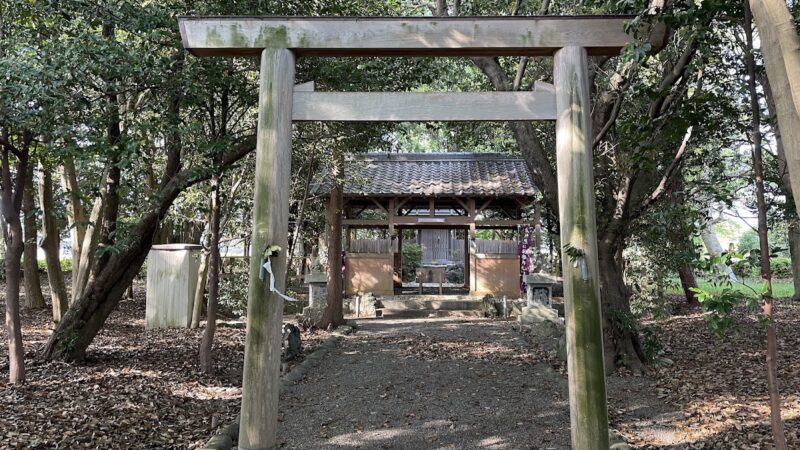
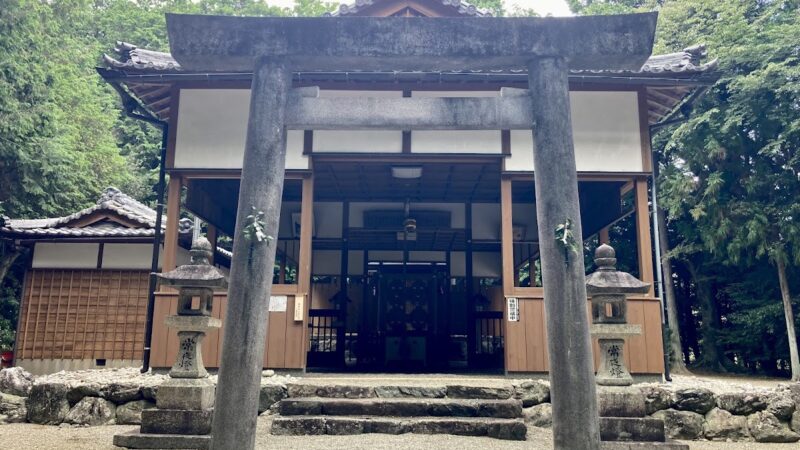
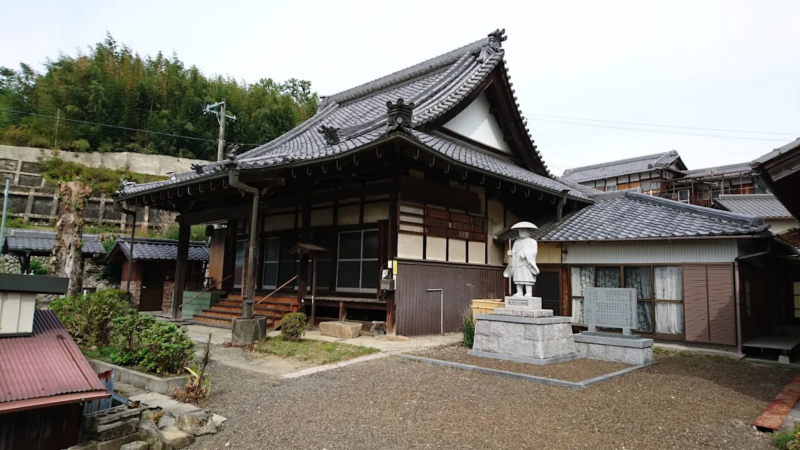
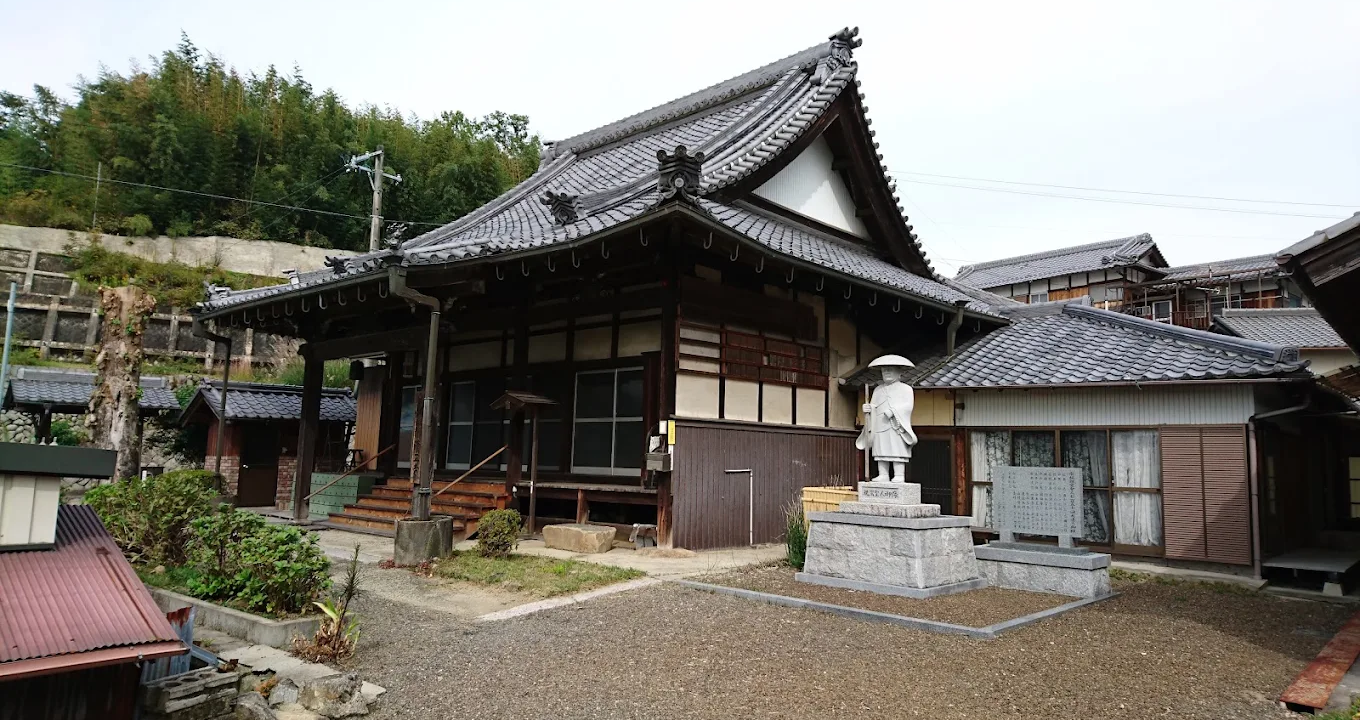
The main hall of Kiyomasa-ji Temple preserves the traditional style of temple architecture. The temple grounds are enveloped in a tranquil atmosphere, allowing visitors to offer prayers in peace.
Besides the main hall, various other buildings and stone monuments are arranged within the temple grounds, each imbued with historical significance. The changing natural scenery within the temple grounds is one of its highlights, allowing visitors to enjoy the beauty of each season: cherry blossoms in spring, lush greenery in summer, vibrant autumn leaves, and the tranquility of winter.
Statue of Kato Kiyomasa and Faith
Seishoji Temple houses a statue and memorial tablet dedicated to Kato Kiyomasa, and visitors pay their respects while reflecting on his bravery and virtue. Kiyomasa is also worshipped as the “god of victory” and the “god of good fortune,” attracting people praying for success in competitions and businesses.
Furthermore, Kiyomasa is famous for the legend of slaying a tiger, and is associated with beliefs in protection against evil and misfortune. Therefore, visitors with various wishes come to Seishoji Temple to offer their prayers.
Cultural Properties and Historical Materials
Seishoji Temple preserves cultural properties and historical materials that have been passed down through its long history. These are valuable materials that tell the story of the temple’s history and hold significant importance in the study of local history.
Ancient documents and records such as family registers provide clues to understanding the social conditions and beliefs of the time. Furthermore, Buddhist statues and religious artifacts are valuable as historical materials illustrating the artistic styles of each era.
Annual Events at Seishoji Temple
Major Buddhist Services and Festivals
Seishoji Temple holds various Buddhist services and festivals throughout the year. These events are important opportunities to preserve the temple’s traditions and strengthen community ties.
Spring Services
In spring, ancestral memorial services and the Spring Equinox service are held. At the start of a new season, prayers are offered for the health of ancestors and gratitude to ancestors.
Summer Events
In summer, the Obon festival is held to welcome and honor the spirits of ancestors. Local parishioners and believers gather to renew their gratitude to their ancestors.
Autumn Memorial Services
Memorial services are held during the autumn equinox and to express gratitude for the harvest. During the fruitful season, we give thanks for nature’s bounty and the protection of our ancestors.
Winter Events
At the end of the year and the beginning of the new year, the New Year’s Eve bell ringing and New Year’s prayer services are held. We give thanks for a year of safety and pray for peace in the new year.
Memorial Service for Lord Kiyomasa
Around the anniversary of Lord Kato Kiyomasa’s death (24th day of the 6th month of the lunar calendar), a special memorial service is sometimes held to commemorate him. People who admire Lord Kiyomasa gather at this service to praise his achievements and virtues.
Goshuin (Temple Seals) and Etiquette for Worship
About Goshuin
Goshuin may be available at Kiyomasa-ji Temple. Goshuin are valuable items given as proof of worship. Those wishing to receive a Goshuin (temple stamp) should inquire at the temple office or main hall after their visit.
When receiving a Goshuin, please note the following:
- Always complete your prayers before requesting a Goshuin.
- Bring a Goshuincho (blank notebooks or commemorative stamp books are inappropriate).
- Prepare the Goshuin fee (offering) (generally around 300-500 yen).
- Request with polite language and demeanor.
- Wait quietly while the Goshuin is being written.
Etiquette for Visiting the Temple
Here are some basic etiquette guidelines for visiting Seishoji Temple:
- A Bow at the Temple Gate
Before entering the temple grounds, bow at the temple gate. This shows respect for entering the realm of Buddha.
- Purification at the Water Basin
If there is a water basin, purify your hands and mouth. Cleanse your left hand, then your right hand, then your mouth, and finally cleanse your left hand again.
- Visiting the Main Hall
Bow lightly in front of the main hall and quietly place your offering. If there is a bell, ring it, then clasp your hands together and pray.
- Exploring the Temple Grounds
Respectfully pay your respects to the other buildings and monuments on the temple grounds.
- Bow Upon Departure
Bow again as you leave the temple grounds.
Access Information
Location
Seishoji Temple is located in Mie Prefecture. It is recommended to confirm the specific location in advance. There may be multiple temples associated with Kiyomasa in Mie Prefecture, so please confirm accurate information before visiting.
Access by Public Transportation
To reach Seishoji Temple in Mie Prefecture, it is common to take a bus or taxi from the nearest station. Specific access methods vary depending on the temple’s location.
If using trains and buses:
- Check the nearest station and then research bus routes from there.
- If buses are infrequent, check the timetable in advance.
- Also check the walking distance from the nearest bus stop.
If using taxis:
- Taking a taxi from the nearest station is convenient.
- Tell the driver “Seishoji Temple,” but since there may be multiple temples in the area, it’s more reliable to give the address.
Access by car
If visiting by car, enter the temple name or address into your car’s navigation system. It’s a good idea to check access from major expressways in Mie Prefecture in advance.
Regarding parking:
- Check in advance whether the temple has its own parking lot.
- If there is no parking lot, use a nearby coin-operated parking lot.
- The temple may be crowded depending on the time of day, so plan accordingly.
Visiting hours and admission fees
Generally, temple grounds are open during the day, but there may be time restrictions for viewing the interior of the main hall or for services at the temple office.
Visiting Hours:
- Temple Grounds: From sunrise to sunset (approximately 6:00 AM to 6:00 PM)
- Temple Office: Approximately 9:00 AM to 5:00 PM (may vary by temple)
Admission Fee:
- Entry to the temple grounds is generally free
- Additional fees may apply for special viewings or the treasure hall.
We recommend calling ahead to confirm before visiting.
Attractions Around Seishoji Temple
History and Culture of Mie Prefecture
Mie Prefecture is a region rich in history and culture, home to Ise Grand Shrine. Visiting Seishoji Temple and exploring the surrounding historical and cultural spots will make your trip even more fulfilling.
Ise Grand Shrine:
Ise Grand Shrine, often called the spiritual home of the Japanese people, is a representative tourist destination of Mie Prefecture. You can visit the Inner and Outer Shrines and enjoy Ise’s specialties at Okage Yokocho.
Kumano Kodo Pilgrimage Route: Part of the Kumano Kodo pilgrimage route, a UNESCO World Heritage Site, passes through Mie Prefecture. Walking this historic pilgrimage route allows you to relive the religious journeys of people from ancient times.
Iga Ueno Castle: Iga City, known as the home of ninjas, boasts the beautiful Iga Ueno Castle. You can also enjoy the atmosphere of the castle town.
Local Specialties and Gourmet Food
Mie Prefecture is blessed with abundant nature, offering a wealth of seafood and mountain produce. When visiting Kiyomasa-ji Temple, be sure to enjoy the local cuisine.
Ise Udon: A specialty of Ise, featuring thick, soft noodles topped with a rich sauce. Simple yet deeply flavorful.
Matsusaka Beef: A world-renowned high-grade Japanese beef. Characterized by its melt-in-your-mouth texture and deep umami flavor.
Akafuku: A traditional Japanese confectionary from Ise. Its simple flavor, with mochi wrapped in strained bean paste, is popular. Matoya Oysters: These oysters are cultivated in Matoya Bay, Mie Prefecture. They are known for their rich flavor.
Guidelines for Visiting Kiyomasa-ji Temple
Temple Etiquette
Temples are places of prayer, where silence and respect are expected. Please observe the following manners when visiting.
Attire:
- Avoid revealing clothing and aim for clean, presentable attire.
- Proper footwear is preferable to sandals or flip-flops.
- Remove your hat in front of the main hall.
Behavior:
- Do not speak loudly or make noise.
- Eating and drinking are permitted only in designated areas on the temple grounds.
- Photography is permitted only in designated areas (photography is often prohibited inside the main hall).
- Pets are generally not allowed (except for service animals such as guide dogs).
- Smoking is permitted only in designated areas.
Offerings:
- Offerings are acceptable in amounts that reflect your feelings.
- Gently place coins in the offering box, rather than throwing them in.
- If offering banknotes, place them in unfolded.
A Heart of Prayer and Gratitude
When visiting Seishoji Temple, it is important to not only make wishes but also to express gratitude for daily peace. This is a meaningful opportunity to reflect on the bravery and virtue of Lord Kato Kiyomasa and to re-examine one’s own way of life.
It is important to perform the visit not just formally, but with sincerity. By quietly joining your hands and praying with a calm heart, you will be able to feel the history and spirituality of Kiyomasa-ji Temple more deeply.
The Future and Preservation Activities of Kiyomasa-ji Temple
The Importance of Cultural Property Protection
Historical temples like Kiyomasa-ji Temple need to be passed down to future generations as cultural heritage of the region. There are various challenges, including the maintenance and management of buildings, the preservation of cultural properties, and the continuation of traditional events.
Maintaining a temple requires considerable expense and effort. Many temples face challenges such as a decline in parishioners and followers, aging buildings, and a lack of successors, and Kiyomasa-ji Temple may be no exception.
What Visitors Can Do
Each of us who visit Kiyomasa-ji Temple can contribute to the preservation and continuation of the temple.
Visiting and Donating:
- Regularly visiting the temple helps maintain a connection with it.
- Offerings and donations are used for the maintenance and upkeep of the temple.
- You can also consider making a donation if there are special restoration projects.
Observing Good Manners:
- Observe basic manners such as not littering the temple grounds or damaging cultural properties.
- Be considerate of other visitors.
Sharing Information:
- Share the charm of Kiyomasa-ji Temple with family and friends.
- When sharing information on social media, respect the temple’s wishes and ensure appropriate content.
The Spread of Kiyomasa Faith
Kiyomasa Faith Nationwide
The faith in Kato Kiyomasa has spread not only throughout Mie Prefecture but also throughout Japan. In particular, in Kumamoto Prefecture, which Kiyomasa ruled, he is enshrined in many temples and shrines, including Honmyoji Temple.
Furthermore, Kiyomasa faith has taken root in various areas, such as regions associated with Kiyomasa and areas where descendants of his retainers have migrated. In these regions, events such as the “Kiyomasa Festival” are held around the anniversary of Kiyomasa’s death, attracting many worshippers.
The Modern Significance of Kiyomasa
Kato Kiyomasa demonstrated exceptional abilities in many areas, not only in military prowess, but also in civil engineering such as flood control and castle construction, and in compassionate governance towards his people. His way of life offers many insights for us living in the modern age.
Courage in the Face of Difficulties:
Kiyomasa undertook numerous difficult battles and projects. His courage and decisiveness serve as encouragement when facing challenges in modern times.
Government for the People:
Kiyomasa dedicated himself to improving the lives of his people. His leadership style offers lessons that are still relevant today.
Technology and Creativity:
Kiyomasa’s castle construction and flood control technologies were cutting-edge at the time. His commitment to innovation resonates with modern engineers and entrepreneurs.
Summary
Seishoji Temple (Mie Prefecture) is an important place that conveys the history and faith of the region, as it is associated with the Sengoku period warlord Kato Kiyomasa. By quietly offering prayers in its tranquil grounds, one can escape the hustle and bustle of everyday life and spend a precious time reflecting on oneself.
Many visitors come to pay their respects to Kiyomasa’s bravery and virtue, and to pray for success in competitions and good fortune. Furthermore, the various Buddhist services and events held throughout the year play a role in strengthening the bonds of the local community.
When visiting Mie Prefecture, be sure to visit Seishoji Temple and experience its history and spirituality. Combining it with nearby tourist spots such as Ise Grand Shrine and the Kumano Kodo pilgrimage route will allow you to gain a deeper understanding of Mie Prefecture’s rich history and culture.
When visiting, it is important to observe proper etiquette and visit with a grateful heart. May your time spent in the peaceful grounds of Seishoji Temple be a truly enriching experience.