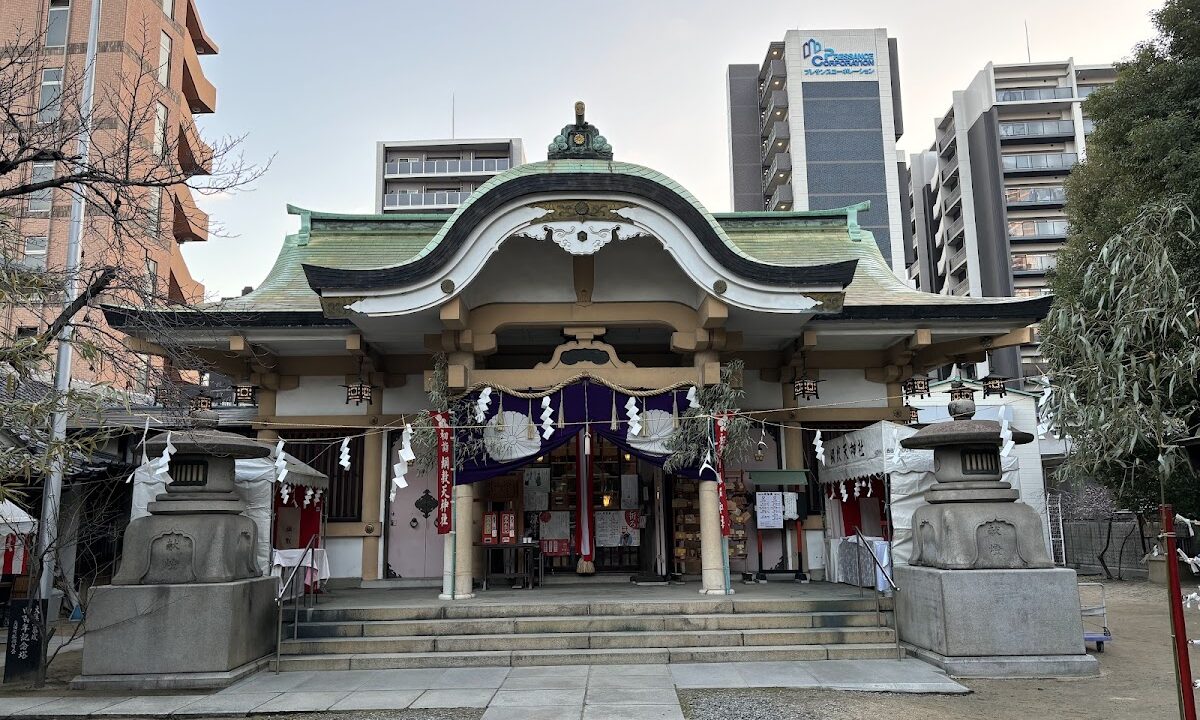
Complete Guide to Tsunashiki Tenjin Shrine (Osaka Prefecture) | History and Benefits of the Main Shrine, Otabisha Shrine, and Ha Shrine
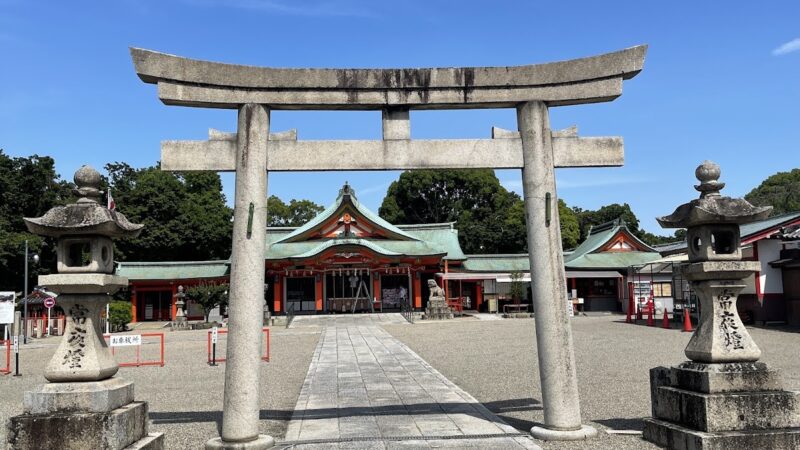
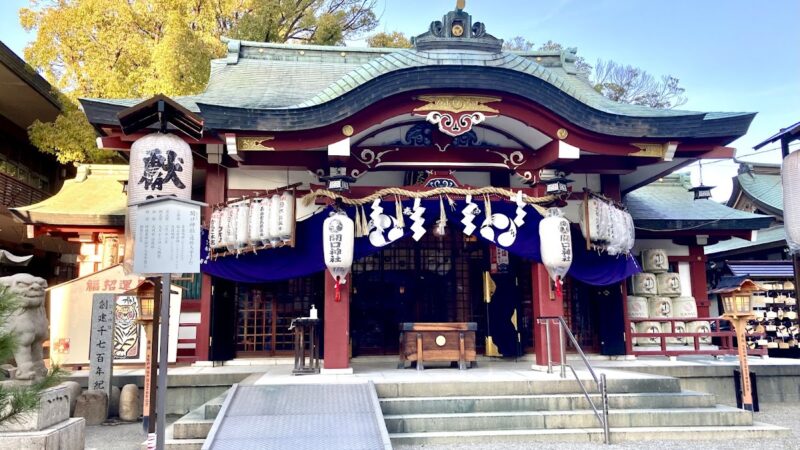
Tsunashiki Tenjin Shrine, located in the bustling Umeda district of Osaka, is a historical shrine dedicated to Sugawara no Michizane and Emperor Saga. This article provides a detailed introduction to Tsunashiki Tenjin Shrine, which consists of three shrines: the main shrine, the Otabisha shrine, and the Ha Shrine. It covers the shrine’s history, benefits, access, and information on its Goshuin (shrine stamps).
What is Tsunashiki Tenjin Shrine? | A Three-Shrine Tenjin Shrine in Osaka’s Umeda District
Tsunashiki Tenjin Shrine is located in Kita-ku, Osaka City, and its former shrine rank was Gosha (village shrine). It is also commonly known as “Kitano Tenjin,” “Kitano Tenjin,” or “Kitano Tenjin,” and its parish area is the former Kitano Village in Nishinari District (the eastern half of the current Umeda/Kita area).
A Unique Structure Consisting of Three Shrines
Tsunashiki Tenjin Shrine consists of the following three shrines:
- Tsunashiki Tenjin Shrine Main Shrine: 9-11 Kamiyama-cho, Kita-ku, Osaka City
- Tsunashiki Tenjin Shrine Otabisha (Subsidiary Shrine): 12-5 Chayamachi, Kita-ku, Osaka City
- Ha Shrine (Outlying Shrine): 2-8 Kakuda-cho, Kita-ku, Osaka City
These three shrines, while located in different places, function as a single shrine, which is a distinctive feature. Located in the heart of the city, Umeda, it is a valuable presence that conveys history and tradition to the present day.
History of Tsunashiki Tenjin Shrine | The Story of Emperor Saga and Sugawara no Michizane
The history of Tsunashiki Tenjin Shrine dates back to the early Heian period. Two important figures were deeply involved in its founding and development.
The Origin of the Shrine and Emperor Saga’s Visit
In 821 (Kōnin 12), Emperor Saga visited this area and established Taiyūji Temple. The following year, in 822 (Kōnin 13), Emperor Saga again visited the area and stayed overnight at a temporary palace (tongu) in Kōyama-chō, where the current main shrine is located.
The year after Emperor Saga’s death, in 843 (Jōwa 10), his son, Prince Minamoto no Tōru, built seven temple buildings at Taiyūji Temple to commemorate his father, Emperor Saga. Prince Minamoto no Tōru is considered the restorer of Taiyūji Temple, and it is said that he founded the shrine in remembrance of his father, Emperor Saga.
The Origin of the Name “Tsunashiki” and Sugawara no Michizane
The unique name of Tsunashiki Tenjin Shrine is based on a story about Sugawara no Michizane.
In 901 AD, when Sugawara no Michizane was being exiled from Kyoto to Dazaifu in Kyushu, he passed through this area by boat. At that time, drawn by the fragrance of plum blossoms, Michizane was captivated by the sight of the fully bloomed red plum trees. Unable to bear leaving, he is said to have spread the ropes connecting the boat to the land in a circular shape and sat on them to admire the blossoms.
From this story, the “Umezuka Tenmangu” shrine was later built beneath these red plum trees and named “Tsunashiki Tenjin Shrine.” The legend of Michizane sitting on the ropes has become the shrine’s name.
About the Deities
The deities enshrined at Tsunashiki Tenjin Shrine are the following two:
- Emperor Saga: An emperor of the early Heian period. Father of Minamoto no Tōru.
- Sugawara no Michizane: A scholar and politician of the Heian period, known as the god of learning.
By enshrining these two deities, the shrine possesses both the status of a shrine associated with the Imperial family and the character of a center of Tenjin worship.
Tsunashiki Tenjin Shrine Main Shrine | Main Hall located in Kamiyama-cho
Location and Access
Location: 9-11 Kamiyama-cho, Kita-ku, Osaka City
Phone: 06-6361-2887
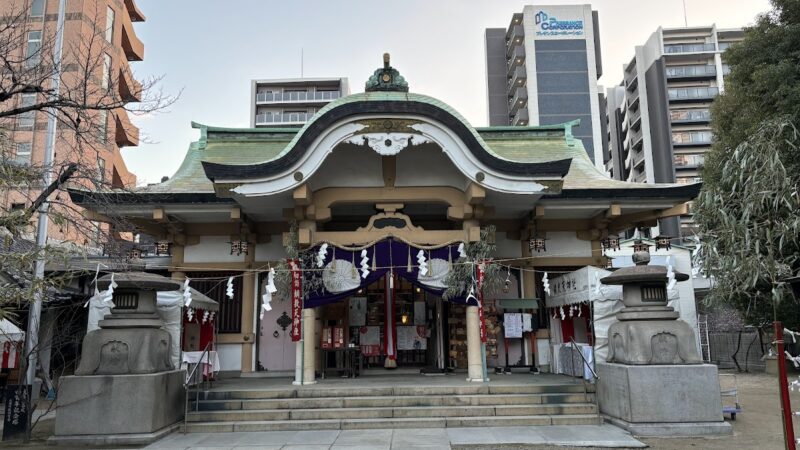
The main shrine is a small shrine located in a bar district, slightly north of the edge of the Hankyu Higashi-dori shopping street. Despite being in the hustle and bustle of the entertainment district, it maintains a tranquil atmosphere.
How to Access the Main Shrine
- Hankyu Railway: Approximately 10 minutes on foot from Osaka-Umeda Station
- Osaka Metro Midosuji Line: Approximately 10 minutes on foot from Umeda Station
- Osaka Metro Tanimachi Line: Approximately 8 minutes on foot from Higashi-Umeda Station
- JR: Approximately 12 minutes on foot from Osaka Station
The main shrine is located in a residential and restaurant area, making it somewhat difficult to find. It’s easiest to find by heading north, using the Hankyu Higashi-dori Shopping Street as a landmark.
Features of the Main Shrine
The main shrine is built on a historically significant site, the former location of Emperor Saga’s temporary palace. While the grounds are not particularly large, it exudes a solemn atmosphere despite being in the heart of the city. The main hall is built in a traditional shrine architectural style, conveying a sense of historical weight.
Tsunashiki Tenjin Shrine Otabisha | A Worship Spot Directly Connected to Umeda Station
Location and Access
Location: 12-5 Chayamachi, Kita-ku, Osaka City
Phone: 06-6371-1586
Reception Hours: Saturdays and Sundays, 13:00-17:00
Otabisha is a small shrine located right outside the Chayamachi exit of Osaka Umeda Station on the Hankyu Railway. It boasts excellent accessibility, being just a 1-minute walk from the station.
How to Access Otabisha
- Hankyu Railway: Approximately 1-minute walk from the Chayamachi exit of Osaka Umeda Station
- Osaka Metro Midosuji Line: Approximately 5-minute walk from Umeda Station
- JR: Approximately 8-minute walk from Osaka Station
Chayamachi is the heart of Umeda’s youth culture, an area bustling with shopping and restaurants. Otabisha stands quietly amidst this modern cityscape.
The Role and History of the Otabisho
An Otabisho is a temporary resting place for the portable shrine (mikoshi) during a Shinto festival. The Otabisho of Tsunashiki Tenjin Shrine is built on a site where Sugawara no Michizane is said to have laid a boat rope and admired plum blossoms, and it has a history of being founded as “Umezuka Tenmangu.”
Currently, it functions as an independent place of worship, attracting many visitors. Many people, especially those shopping or working in Umeda, stop by, making it a small oasis in the heart of the city.
Hajinja | A Rare Shrine in Japan Dedicated to Protecting Dental Health
Location and Access
Location: 2-8 Kakuda-cho, Kita-ku, Osaka City
Hajinja is an auxiliary shrine of Tsunashiki Tenjin Shrine, located within the Hankyu Higashi-dori Shopping Street. It is known as a rare shrine in Japan dedicated to protecting “dental” health.
How to Access the Tooth Shrine
- Hankyu Railway: Approximately 5 minutes on foot from Osaka-Umeda Station
- Osaka Metro Midosuji Line: Approximately 5 minutes on foot from Umeda Station
- Osaka Metro Tanimachi Line: Approximately 3 minutes on foot from Higashi-Umeda Station
- JR: Approximately 8 minutes on foot from Osaka Station
Located within the Hankyu Higashi-dori Shopping Arcade, the shrine sits in a corner of a bustling street filled with shoppers. Although a very small shrine, it is known for its unique blessings.
The Origin and Blessings of the Tooth Shrine
There are various theories regarding the founding of the Tooth Shrine, but it has long been worshipped as a god protecting dental health. It is believed to offer blessings for healing toothaches, promoting dental health, and preventing cavities, attracting the faith of dentists, dental hygienists, and those working in dental-related fields.
Within the shrine grounds, there is a custom of offering toothbrushes, and worshippers can be seen offering their old toothbrushes and praying for good dental health with new ones.
Benefits of Tsunashiki Tenjin Shrine | From Academic Success to Dental Health
Tsunashiki Tenjin Shrine offers unique benefits at each of its three sub-shrines.
Benefits of the Main Shrine and Sub-shrine
As a Tenjin shrine dedicated to Sugawara no Michizane, it is believed to offer the following benefits:
- Academic Success and Passing Exams: Michizane is widely worshipped as the god of learning.
- Literary Improvement: Improvement in literary arts such as calligraphy and poetry.
- Protection from Evil and Good Fortune: As it enshrines Emperor Saga, it is a highly prestigious shrine associated with the Imperial family and offers protection from evil.
- Business Prosperity: As the guardian deity of the commercial district of Umeda.
Especially during exam season, many students and their parents visit to pray for success in exams.
Benefits of the Tooth Shrine
- Healing of Toothaches: The healing of toothaches
- Dental Health: Prevention of cavities and periodontal disease
- General Oral Health: Healing of oral diseases such as mouth ulcers
A wide range of visitors come to the shrine, including those who visit before and after dental treatment, and elderly people who pray for dentures to fit properly.
Annual Events and Festivals of Tsunashiki Tenjin Shrine
Tsunashiki Tenjin Shrine holds various festivals and events throughout the year.
Main Annual Events
- Hatsumode (January 1st-3rd): New Year’s visits to the shrine. Many students praying for success in their exams visit the shrine.
- Setsubun Festival (around February 3rd): Setsubun rituals including bean-throwing
- Plum Blossom Festival (late February to early March): A festival related to Sugawara no Michizane and plum blossoms
- Summer Festival (July): A lively local summer festival
- Tenjin Festival (July 24th and 25th): An important festival commemorating Sugawara no Michizane
- Autumn Grand Festival (October): One of the most important festivals of the year
The Plum Blossom Festival, in particular, is an event based on the legend that Michizane laid out a rope to admire the plum blossoms, and is held amidst the fragrance of plum blossoms throughout the shrine grounds.
Goshuin Information | Goshuin of the Three Shrines
At Tsunashiki Tenjin Shrine, you can receive goshuin (shrine stamps) for the main shrine, the temporary shrine, and the Ha Shrine.
Location and Hours for Receiving Goshuin (Shrine Seals)
- Main Shrine: 9-11 Kamiyama-cho, Kita-ku, Osaka City (At the shrine office)
- Temporary Shrine: 12-5 Chayamachi, Kita-ku, Osaka City (Reception only on Saturdays and Sundays from 13:00 to 17:00)
- Tooth Shrine: At the main shrine or temporary shrine
Each shrine has its own unique design, and many visitors collect all three. The Tooth Shrine’s goshuin is particularly popular as it is a rare goshuin related to “teeth” in Japan.
About Goshuincho (Shrine Seal Books)
Tsunashiki Tenjin Shrine also offers original goshuincho. Featuring designs related to plum blossoms and Sugawara no Michizane, they are popular as souvenirs.
Nearby Attractions | Taiyuji Temple and Historical Spots in Umeda
When visiting Tsunashiki Tenjin Shrine, we recommend also visiting the nearby historical spots.
Taiyuji Temple
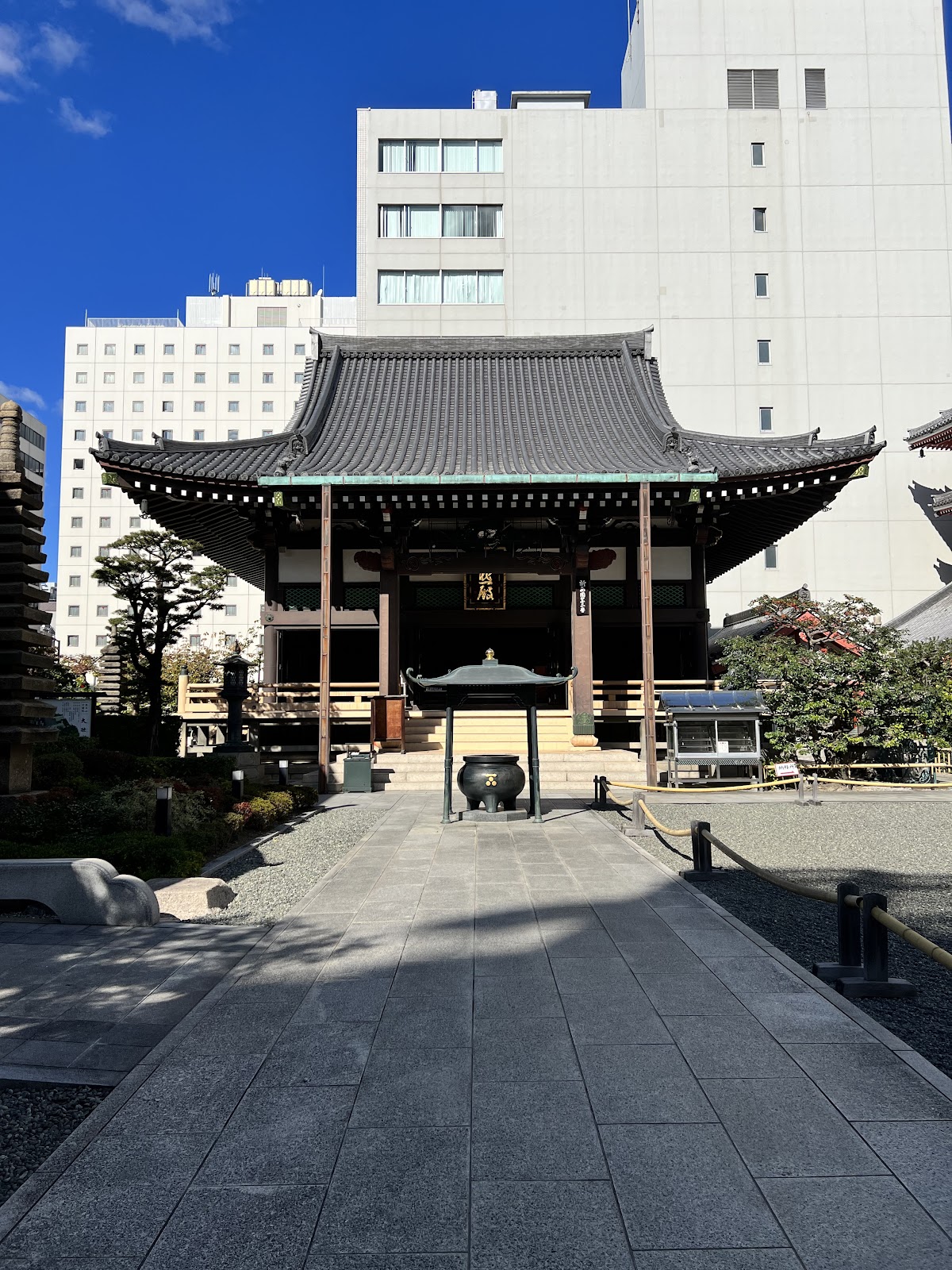
Taiyuji Temple, which has deep ties to Tsunashiki Tenjin Shrine, is located about a 5-minute walk from the main shrine. Founded in 821 (Kōnin 12) by imperial decree of Emperor Saga, it is a historic temple with seven main buildings constructed by Minamoto no Tōru.
Ohatsu Tenjin (Tsuyu Tenjin Shrine)
In the Umeda area, there is another famous shrine, Ohatsu Tenjin (Tsuyu Tenjin Shrine). Known as the setting for Chikamatsu Monzaemon’s “Sonezaki Shinju,” it is a popular power spot for those seeking success in love. It is about a 10-minute walk from Tsunashiki Tenjin Shrine.
Umeda Sky Building & Floating Garden Observatory
The Umeda Sky Building, known as a landmark of modern architecture, is about a 15-minute walk from the main shrine. After a historical stroll, a visit to the observatory, offering panoramic views of modern Osaka, is highly recommended.
Manners and Precautions for Visiting
Here are some basic manners and precautions to observe when visiting Tsunashiki Tenjin Shrine.
Proper Etiquette for Visiting Shrines
- Bow before passing through the torii gate: A courtesy before entering the sacred area.
- Purify yourself at the water basin: Purify your left hand, then your right hand, then your mouth.
- Two bows, two claps, one bow: Basic etiquette before a shrine.
- Worship quietly: Although it’s a shrine in the city center, please worship quietly as it is a sacred place.
Recommended Route for Visiting the Three Shrines
If you wish to visit all three shrines, the following route is efficient:
- Otabisha (Chayamachi): Easily accessible from Hankyu Umeda Station.
- Hajinja (Kakuda-cho): Approximately 5 minutes on foot from Otabisha.
- Gohonsha (Kamiyama-cho): Approximately 7 minutes on foot from Hajinja.
The estimated time required is 1.5 to 2 hours if you visit at a leisurely pace.
Regarding Photography
Photography is generally permitted on the shrine grounds, but please note the following:
- Please be considerate of other worshippers.
- Photography may be prohibited inside the main hall.
- Photography may be restricted during festivals.
Detailed Access Information | Directions from Various Transportation Methods
Access by Train
Main Shrine (Kamiyama-cho)
- Approximately 10 minutes on foot from Hankyu Railway “Osaka Umeda Station”
- Approximately 10 minutes on foot from Osaka Metro Midosuji Line “Umeda Station”
- Approximately 8 minutes on foot from Osaka Metro Tanimachi Line “Higashi Umeda Station”
- Approximately 12 minutes on foot from JR “Osaka Station”
Otabisha Shrine (Chayamachi)
- Approximately 1 minute on foot from the Chayamachi Exit of Hankyu Railway “Osaka Umeda Station”
- Approximately 5 minutes on foot from Osaka Metro Midosuji Line “Umeda Station”
- Approximately 8 minutes on foot from JR “Osaka Station”
Ha Shrine (Kakuda-cho)
- Approximately 5 minutes on foot from Hankyu Railway “Osaka Umeda Station”
- Osaka Approximately 3 minutes on foot from Higashi-Umeda Station on the Osaka Metro Tanimachi Line
- Approximately 5 minutes on foot from Umeda Station on the Osaka Metro Midosuji Line
Access by Car and Parking
All three shrines are located in the heart of Umeda and do not have their own parking lots. If you are visiting by car, you will need to use nearby coin-operated parking lots. However, the Umeda area is always crowded, and parking fees are expensive, so we strongly recommend using public transportation.
Summary | History and Faith Thriving in the City Center
Tsunashiki Tenjin Shrine is a venerable shrine with a history of over 1200 years, located in Umeda, one of Japan’s leading shopping and entertainment districts. It has connections to two important figures, Emperor Saga and Sugawara no Michizane, and continues to uphold the prestige associated with the Imperial family and the tradition of Tenjin worship.
The three-shrine structure—the main shrine, the temporary shrine, and the tooth shrine—is unique, each possessing different characteristics and blessings. Students praying for academic success, people wishing for good dental health, and the many visitors to Umeda come to this shrine every day.
As a tranquil sanctuary amidst the hustle and bustle of the city center, and a place where you can feel Osaka’s history firsthand, Tsunashiki Tenjin Shrine is well worth a visit. Be sure to stop by when you’re shopping or sightseeing in Umeda. Visiting all three shrines will allow you to enjoy a fulfilling experience, experiencing both history and modern Osaka at the same time.