Todoromi Shrine (Minoh City, Osaka Prefecture) Complete Guide | History, Deities, Access, and Festival Information
Todoromi Shrine is a historic shrine located in the Todoromi district, surrounded by abundant nature in the northern part of Minoh City, Osaka Prefecture. Founded during the Genroku era, and having been formed by the merger of three shrines during the Meiji era, it remains a center of local faith and is still cherished by many worshippers.
This article provides a detailed explanation of everything you need to know before visiting Todoromi Shrine, including its history, deities, highlights within the grounds, access methods, and festival information.
Basic Information on Todoromi Shrine
Todoromi Shrine is located at 909 Kamitodoromi, Minoh City, Osaka Prefecture. Its former shrine rank was Village Shrine. Its corporate number is 2120905003389, assigned on October 5, 2015.
Location: 909 Kamitodoromi, Minoh City, Osaka Prefecture
Phone Number: 072-739-0871
Former Shrine Rank: Village Shrine
Annual Festival Date: October 23rd
Summer Festival: July 23rd
The Todoromi area is located in the northernmost part of Minoh City, a mountainous settlement near the border with Toyono Town. The surrounding area boasts a rich natural environment, allowing visitors to enjoy the scenery of each season.
History of Todoromi Shrine
Founding and Origins in the Genroku Era
Todoromi Shrine is believed to have been founded during the Genroku era (1688-1703). Initially, it was called “Susanoo-no-Mikoto Shrine” and enshrined Hayasusa-no-Mikoto as its main deity.
Originally, this shrine was revered as “Gozu Tenno-sha” (Gozu Tenno Shrine) and was worshipped by the local people as a god who wards off disease and misfortune. Gozu Tenno is a deity identified with Susanoo-no-Mikoto during the era of syncretism between Buddhism and Shinto.
Shrine Consolidation in the Meiji Era
In 1872 (Meiji 5), Todoromi Shrine was ranked as a village shrine. Subsequently, influenced by the Meiji government’s policy of consolidating shrines, it underwent significant changes in 1907 (Meiji 40).
Circumstances of the Merger in 1907:
- June 26, 1907: The unranked “Tenman Ai Shrine” (enshrining Sugawara no Michizane), located in the Kamigao area, was merged with this shrine.
- September 19, 1907: The village shrine “Hie Shrine” (enshrining Susanoo-no-Mikoto), located in Okanoue, Shimotodoromi, was merged with this shrine.
- Following this merger, the shrine’s name was changed to the current “Todoromi Shrine.”
In December 1908, it was designated a “Shinsen Heihakuryo Kyoshinjo” (a shrine receiving offerings of sacred food and cloth). This meant that the shrine was qualified to receive offerings from the government (payment for offerings necessary for religious ceremonies), indicating that its status as a shrine was recognized.
Originally, there were three shrines in the Todoromi area, but this merger consolidated the local faith into Todoromi Shrine.
Up to the Present Day
Through the Showa, Heisei, and Reiwa eras, Todoromi Shrine has continued to attract the faith of local people as the tutelary shrine of the region and as an officially recognized shrine belonging to the Osaka Prefectural Shrine Association.
About the Deities Enshrined
Todoromi Shrine enshrines multiple deities due to the history of their enshrinement.
Main Deity
Hayasusa-no-Mikoto
Also written as Susanoo-no-Mikoto, this is a representative deity of Japanese mythology and the younger brother of Amaterasu-Omikami. Known for the myth of slaying Yamata-no-Orochi, he is believed to possess divine virtues such as protection against evil, eradication of disease, and matchmaking. He has been worshipped since ancient times as a god possessing both a fierce character and a heroic side.
Inada-hime no Mikoto
She is the wife of Susanoo-no-Mikoto and was saved by him when she was about to be sacrificed to Yamata no Orochi. She is believed to bestow blessings of marital harmony, matchmaking, and family safety.
Hachioji-shin
This is a collective term for the eight deities considered to be the children of Susanoo-no-Mikoto and Inada-hime no Mikoto. These five sons and three daughters are believed to bestow blessings of family harmony and prosperity of descendants.
Deities Enshrined Together
Sugawara no Michizane
He is the god of learning, enshrined together from Tenman Shrine. A scholar and politician of the Heian period, he is known for blessings related to academic success, passing examinations, and improving writing skills.
Deities enshrined at Hie Shrine
The deities enshrined here also include those brought from the Hie Shrine in Shimotodoromi. Hie Shrines generally enshrine Oyamakui-no-kami, who is revered as the god of mountains and the god of national development.
With these deities enshrined together, Todoromi Shrine is a shrine that bestows various blessings, including protection from evil, matchmaking, academic success, and family safety.
Highlights of the Shrine Grounds
Main Hall and Worship Hall
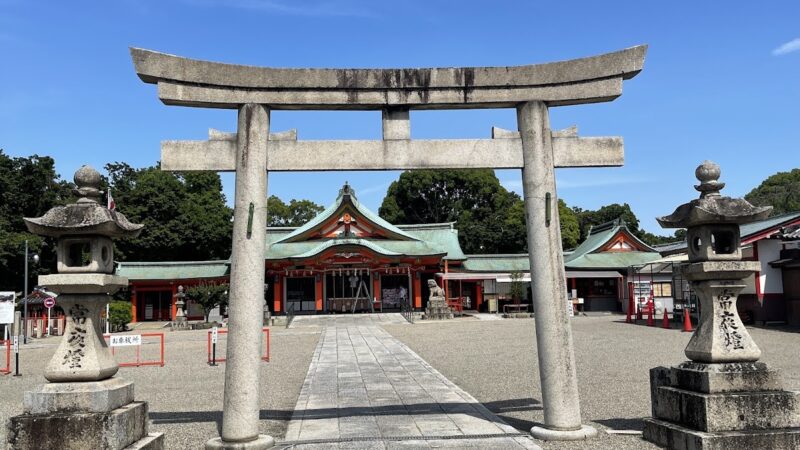
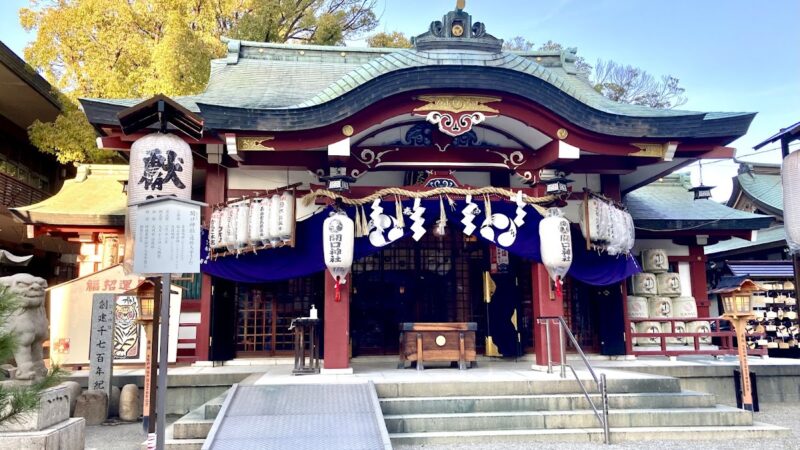
The main hall of Todoromi Shrine is located in a place called Azaumabasho. While relatively small for a shrine building, it possesses a solemn atmosphere befitting a shrine that attracts local faith.
In the worship hall, worshippers can be seen quietly offering their prayers. It is especially lively with local people during the annual festival and summer festival.
Subsidiary Shrines
Besides the main hall, there may be small shrines and subsidiary shrines within the grounds. When visiting, we recommend carefully exploring the shrine grounds, as they retain remnants of the previous shrine and are a place where deities worshipped in the region are enshrined.
Natural Environment
Located in the mountainous area of northern Minoh City, the shrine is surrounded by abundant nature. You can enjoy beautiful scenery throughout the seasons: fresh greenery in spring, deep green in summer, vibrant autumn leaves, and serene snowscapes in winter.
Especially during the autumn foliage season, it’s worth visiting as a quiet spot to admire the autumn leaves, different from the area around Minoh Falls.
Access Methods
Access by Public Transportation
Using Hankyu Bus
The most convenient way to access Todoromi Shrine is by Hankyu Bus.
- Nearest Bus Stop: “Todoromi” Bus Stop
- Distance from Bus Stop: Approximately 2 minutes on foot
- Bus Route: Take a bus bound for Todoromi from Hankyu Minoo Station
While Hankyu Minoo Line’s “Minoo Station” is the starting point, the Todoromi area is quite a distance away, so taking the bus is essential. Since bus services are limited, it is recommended to check the timetable in advance.
Access by Car
Route by Car
- From Osaka City: Head north on National Route 423 (Shin-Midosuji) and take the Minoo Toll Road towards Todoromi.
- From Kyoto: Take National Route 171 and then Prefectural Route 4 towards Todoromi.
Parking Information
It is recommended to check in advance whether there is a dedicated parking lot for the shrine. Parking may also be available at local public facilities or roadside rest areas.
Nearby Tourist Attractions
The following are some of the tourist attractions located around the Todoromi area:
- Michi-no-Eki Minoo Todoromi: Sells fresh local vegetables and specialty products
- Minoo Falls: A famous waterfall selected as one of Japan’s Top 100 Waterfalls (towards Minoo Station)
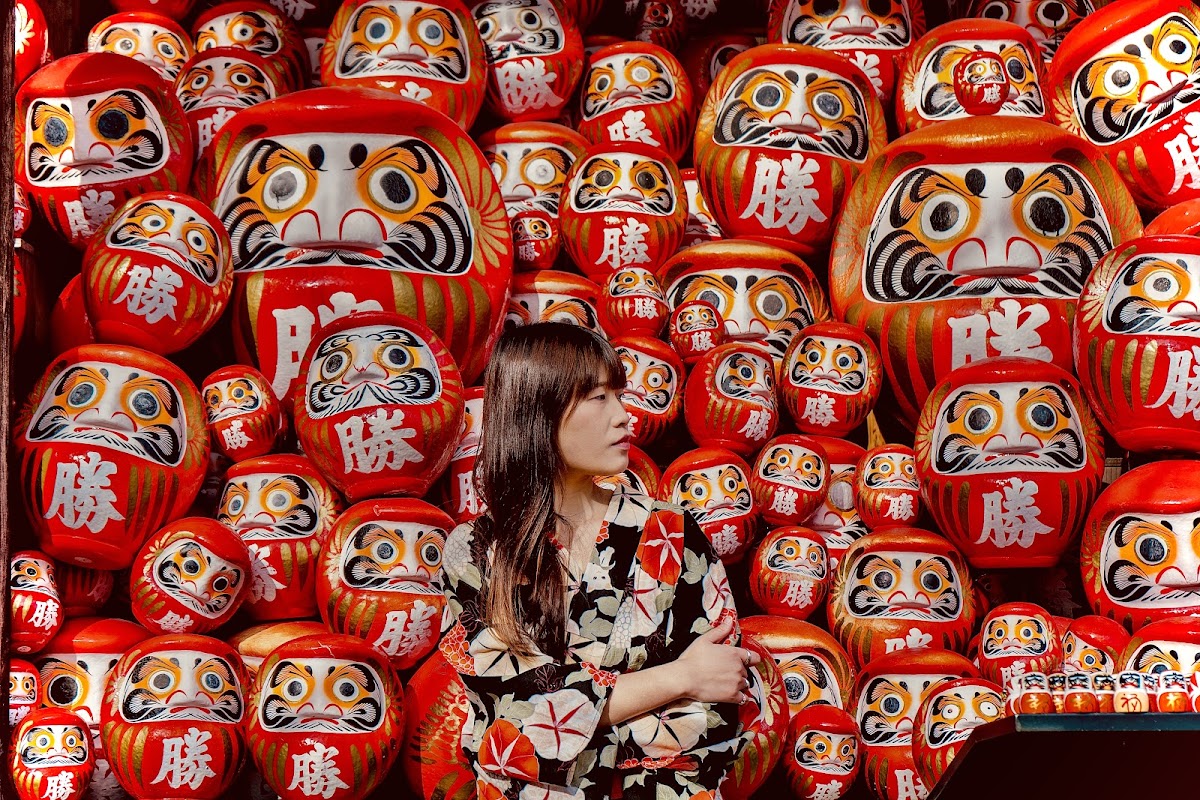
- Katsuoji Temple: A famous ancient temple known as a temple of good fortune and victory
A sightseeing plan that includes visiting these spots in conjunction with a visit to Todoromi Shrine is highly recommended.
Annual Festivals and Events
Autumn Festival (October 23rd)
The most important festival of Todoromi Shrine is the Autumn Festival, held annually on October 23rd.
During the festival, Shinto rituals are solemnly performed, and local people gather at the shrine to express gratitude for the past year and pray for peace in the future. It also includes a meaning of giving thanks for the autumn harvest and is a traditional event passed down in the region.
Summer Festival (July 23rd)
The summer festival is held every year on July 23rd. This festival is a ritual for warding off evil and praying for good health to help people get through the hot summer.
It is a beloved summer tradition, enjoyed by local children and families. There are often food stalls, and it sometimes serves as a place for community interaction.
Other Annual Events
In addition to the annual festival and summer festival, the shrine may also hold the following annual events:
- New Year’s Day Festival (January 1st): A festival praying for peace in the new year
- Setsubun Festival (around February 3rd): Bean-throwing for warding off evil and bringing good fortune
- Monthly Festival: Regular monthly rituals
For specific event dates, we recommend contacting the shrine directly or checking the Osaka Prefectural Shrine Association website.
About the Todoromi Area
Local History and Culture
The name Todoromi is a place name that has been passed down in this region since ancient times. As a mountain village, life has centered on agriculture and forestry.
Although it is far from the center of Minoh City, it retains the traditional rural landscape and culture, making it a region where you can feel the charm of the countryside despite being close to the city.
Local Products of Todoromi
The following local products are known in the Todoromi area:
- Yuzu (Japanese citrus fruit): Todoromi’s yuzu is highly fragrant, and processed products are also popular.
- Fresh Vegetables: Locally grown vegetables are sold at roadside stations and other locations.
- Mountain Delicacies: Chestnuts, wild vegetables, and other seasonal mountain blessings.
These local products can be purchased at the Minoh Todoromi Roadside Station.
Manners and Etiquette for Visiting a Shrine
Basic Etiquette for Visiting a Shrine
Let’s review the basic etiquette for visiting a shrine.
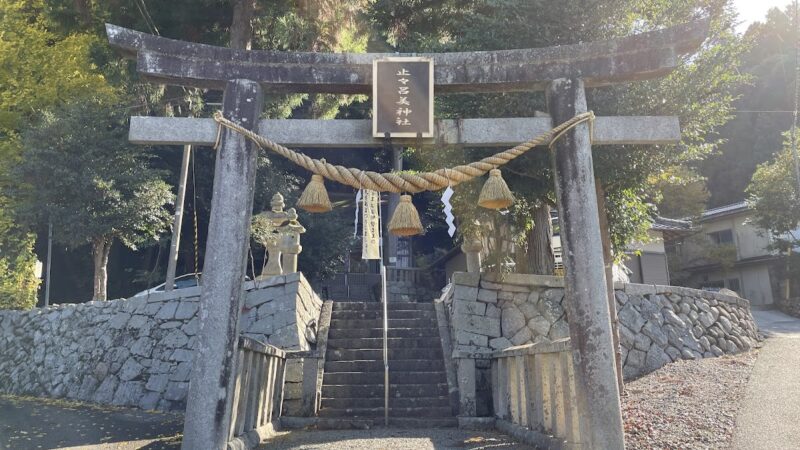
How to Pass Through the Torii Gate
Bow before passing through the torii gate. Since the center of the path is considered the path of the gods, it is polite to walk along the side.
Procedure for Washing Hands at a Shrine
- Hold the ladle in your right hand and wash your left hand.
- Switch the ladle to your left hand and wash your right hand.
- Switch the ladle back to your right hand, receive water in your left hand, and rinse your mouth.
- Wash your left hand again.
- Hold the ladle upright, let water flow over the handle, and return it to its original place.
Worship at the Shrine
- Gently place your offering in the offering box.
- If there is a bell, ring it.
- Perform two bows, two claps, and one bow (two deep bows, two claps, one deep bow).
Attire for Worship
Everyday clothes are acceptable, but clean attire that reflects the sacred nature of the place is desirable. Especially when attending Shinto rituals such as annual festivals, try to dress in a way that is not too casual.
About Goshuin (Shrine Seals)
Some shrines offer Goshuin (shrine seals). The availability of Goshuin (temple/shrine stamps) at Todoromi Shrine may vary depending on the opening hours of the shrine office and the presence of Shinto priests.
If you wish to receive a Goshuin, it is recommended to confirm by phone in advance. Please bring your Goshuincho (stamp book) and make your request politely.
Relationship with the Osaka Prefectural Shrine Association
Todoromi Shrine is an official shrine belonging to the Osaka Prefectural Shrine Association. The Osaka Prefectural Shrine Association is located at 6 Watanabe, 4-chome, Kyutaro-cho, Chuo-ku, Osaka City, and is the organization that oversees shrines within the prefecture.
The Shrine Association’s website contains information on shrines in Osaka Prefecture, including Todoromi Shrine, allowing you to check the history of the shrine and the schedule of festivals.
The Charm of Todoromi Shrine
A Tranquil Worship Environment
Located in a mountainous area away from the hustle and bustle of central Minoh City, Todoromi Shrine offers a quiet and peaceful worship experience. It is rarely crowded with tourists, allowing you to calmly and peacefully offer your prayers.
A Faith Rooted in the Community
Since the merger of three shrines during the Meiji era, this shrine has a long history of being cherished by the local people as the guardian deity of the Todoromi district. You can feel the warm atmosphere unique to a community-oriented shrine.
An Environment in Harmony with Nature
Despite being close to an urban area, the rich natural environment of the surrounding area preserves the landscape of a rural village. Being able to visit while experiencing the changing seasons is a major attraction of Todoromi Shrine.
Diverse Blessings
With Susanoo-no-Mikoto as the main deity, and enshrining multiple gods such as Inada-hime-no-Mikoto, Hachioji-no-Kami, and Sugawara no Michizane, you can receive a variety of blessings, including protection from evil, matchmaking, academic success, and family safety.
Precautions When Visiting
Checking Transportation Access
Since the number of buses is limited, please check the return bus schedule in advance. Especially in the evening, the number of buses may decrease.
Seasonal Preparations
Located in a mountainous area, temperatures are lower than in urban areas. Be sure to take precautions against the cold, especially in winter, and insects in summer.
Photography Etiquette
Photography is generally permitted on the shrine grounds, but restrictions may apply inside the main hall or during religious ceremonies. If unsure, please check with a Shinto priest.
Maintaining Silence
Shrines are sacred places. Avoid speaking loudly or running around, and worship quietly.
Summary
Todoromi Shrine boasts a history of over 300 years since its founding during the Genroku era, and is a venerable shrine formed during the Meiji era when three shrines were merged. Located in the Todoromi district, surrounded by abundant nature in the northern part of Minoh City, Osaka Prefecture, it enshrines Susanoo-no-Mikoto as its principal deity and is revered by the local people.
Located just a 2-minute walk from the Hankyu Bus “Todoromi” bus stop, Todoromi Shrine boasts relatively good access and offers a peaceful environment for worship. Various Shinto rituals are held throughout the year, including the Autumn Festival on October 23rd and the Summer Festival on July 23rd.
Enjoying the natural beauty of Minoo while quietly offering prayers at this historic shrine will be a precious experience that allows you to forget the hustle and bustle of everyday life. When visiting the Minoo area, why not extend your trip and visit Todoromi Shrine?
Contact Information
Todoromi Shrine
909 Kamitodoromi, Minoo City, Osaka Prefecture 562-0000
TEL: 072-739-0871
*For details on visiting hours and rituals, please contact the shrine directly or check the Osaka Prefectural Shrine Association website.