Aguchi Shrine (Sakai City, Osaka Prefecture) Complete Guide | History, Goshuin (Shrine Seals), Hassaku Festival, and Access Information
Aguchi Shrine, located in Sakai Ward, Sakai City, Osaka Prefecture, is the principal tutelary shrine of Sakai, affectionately known as “Otera-san” by locals. This guide provides a detailed introduction to the charms of this ancient shrine, steeped in 1800 years of history and culture, including its founding legend by Empress Jingu, its important cultural treasures, and the Hassaku Festival where Sakai’s oldest futon taiko drum is dedicated.
What is Aguchi Shrine? | Sakai’s Principal Tutelary Shrine, “Otera-san”
Aguchi Shrine is a Shikinaisha (shrine listed in the Engishiki) located in Kai-cho Higashi, Sakai Ward, Sakai City, and its former rank was Prefectural Shrine. It is more widely known locally as “Otera” or “Otera-san” than by its official name, “Aguchi Shrine.”
As the tutelary shrine of Sakai Minami-gumi (south of Osho-ji), it has long been a place of worship for the local people. Located near a shopping street, this shrine is a familiar presence visited by daily worshippers, yet it also possesses significant historical value, housing multiple important cultural properties.
Origin of the Name “Ōtera”
The reason why Kaiko Shrine came to be called “Ōtera” (大寺) is related to the construction of a Nenbutsu-ji temple by the Nara period high priest Gyōki. Because a large temple was adjacent to the shrine, the area came to be called “Ōtera,” and this name has been passed down to the present day.
History of Kaiko Shrine | Empress Jingū and Shiotsuchi-no-Oji-no-Kami
Origin of the Founding and the Legend of Empress Jingū
According to shrine tradition, the founding of Kaiko Shrine dates back to around 200 AD. It is said that Empress Jingū, upon returning from the conquest of the Three Kingdoms of Korea, received a divine oracle instructing her to “enshrine Shiotsuchi-no-Oji-no-Kami” at this location, which is at the entrance to Osaka Bay, and the shrine was founded by imperial decree.
In ancient times, Osaka Bay was known as “Chinu no Umi” (the Sea of Chinu) and was a crucial point for maritime traffic. Kaiko Shrine played an important role in guarding its entrance and exit.
Development in the Nara Period and the Establishment of Gyoki’s Nenbutsu-ji Temple
During the Nara period, it was also called “Aguchi Minatohime Jinja” (Aguchi Watergate Princess Shrine), and Nenbutsu-ji Temple was established by Gyoki. From this period onward, Shinto and Buddhism merged, and shrines and temples became integrated, attracting worshippers together.
Gyoki is known as a monk who developed bridges and ports in various regions, and the establishment of Nenbutsu-ji Temple in Kaiko, a key point for maritime traffic, speaks to the importance of this area.
History of the Merger of Three Shrines
In 1113 (Ten’ei 4), the shrines of the three villages of Kaiko, Kido, and Hara were merged. At this time, Susanoo-no-kami, the deity of Kido Village, and Ikukunitama-no-kami, the deity of Hara Village, were enshrined together, resulting in the current three enshrined deities.
This merger transformed Kaiko Shrine from a mere village guardian shrine into a broader regional tutelary shrine.
Sakai and the Kaigyo-shu’s Center in the Sengoku Period
During the Sengoku period, Sakai flourished as an autonomous city. Kaiko Shrine is believed to have functioned as a meeting place for the Kaigyo-shu, Sakai’s autonomous organization.
The Kaigyo-shu was composed of wealthy merchants of Sakai and was responsible for the city’s administration. The fact that Kaiko Shrine served as their base indicates that the shrine was not merely a place of worship, but also a political and economic center.
Enshrined Deities | Three Gods and Their Blessings
Kaiko Shrine enshrines three deities, each believed to bestow different blessings.
Shiotsuchi-no-Oji-no-Kami
This is the principal deity worshipped as the god of the former Kaiko Village. Known as the god who protects maritime traffic and the god who controls salt (tides), he is believed to offer the following blessings:
- Maritime Safety and Traffic Safety: As the guardian god of the sea, he protects safe voyages.
- National Security: The god who protects the peace of the nation.
- God of Afforestation: For the cultivation of forests and the protection of nature.
- Protection from Disease and Disaster: Protects against illness and disaster.
- Prayer for Safe Childbirth: Also worshipped as the god of safe childbirth.
Susanoo-no-Kami
A god enshrined from Kido Village, he is known in Japanese mythology as the hero who defeated the Yamata no Orochi (eight-headed serpent):
- Protection from Evil and Disaster: Wards off all kinds of disasters.
- Matchmaking: The power to bring about good relationships.
- Business Prosperity: Leads to business success.
Ikukunitama-no-kami
This deity, enshrined from Hara Village, is revered as the guardian deity of the land:
- National Peace and Security: Protects the peace of the country and land
- Good Fortune and Prosperity: Opens up good fortune and invites blessings
- Family Safety: Protects the health and safety of the family
Important Cultural Properties and Treasures | Valuable Cultural Heritage
Kaiko Shrine possesses several valuable cultural properties, including nationally designated Important Cultural Properties.
Imperial Poetry Collection of Emperor Fushimi (Nationally Designated Important Cultural Property)
The most important treasure is the imperial poetry collection handwritten by Emperor Fushimi. Emperor Fushimi (reigned 1287-1298) was an emperor of the late Kamakura period and was also known as an excellent poet. The emperor’s handwritten works are extremely valuable and are important historical materials for understanding the court culture and the history of waka poetry of that time.
This collection of poems is not usually on public display, but it is exhibited on special occasions.
Other Cultural Assets
Kaiko Shrine possesses many other cultural assets, including valuable materials that tell the history of Sakai. The buildings and offerings within the shrine grounds are also part of the region’s cultural heritage, passed down through a long history.
Hassaku Festival and Futon Taiko | Sakai’s Oldest Traditional Event
History and Significance of the Hassaku Festival
The largest festival at Kaiko Shrine is the Hassaku Festival, held every September. Hassaku refers to the first day of the eighth month in the old lunar calendar, and it has been celebrated since ancient times as a ceremony to celebrate the harvest and pray for protection from wind and rain disasters.
The Hassaku Festival at Kaiko Shrine is a beloved and important festival that colors the autumn of Sakai.
Sakai’s Oldest Futon Taiko
The highlight of the Hassaku Festival is the dedication of the Futon Taiko, said to be the oldest in Sakai. The Futon Taiko is a drum float characterized by its colorful, multi-tiered futon (quilted bedding) decorations, and is carried through the streets with great vigor by the bearers.
The sight of the heavy drum float being lifted and rhythmically swayed is breathtaking, captivating many spectators. This tradition has been passed down for hundreds of years and has become a symbolic event of Sakai’s culture.
Festival Highlights
In addition to the Futon Taiko dedication, the Hassaku Festival features various events such as a portable shrine procession and devotional performances. Local children also participate, allowing visitors to witness the transmission of tradition across generations.
Connection to Yosano Akiko | Akiko Love Poem Fortune Slip
Sakai and Yosano Akiko
Sakai City is the birthplace of Yosano Akiko, a representative poet of the Meiji, Taisho, and Showa eras. Akiko was born in 1878 (Meiji 11) in Sakai, into the Surugaya confectionery shop. She published collections of poems such as “Midaregami” (Tangled Hair), known for its passionate love poems, and had a significant influence on modern tanka poetry.
Akiko Love Poem Fortune Slip
At Kaiko Shrine, located in Sakai, the birthplace of Yosano Akiko, we offer the “Akiko Love Poem Fortune Slip.” This fortune slip contains Akiko’s love poems, allowing you to predict your fortune along with the words of the poems.
It’s a popular item that allows you to pray for matchmaking and successful love while experiencing Akiko’s passionate and beautiful words.
Goshuin (Shrine Seal) and Goshuincho (Shrine Seal Book) Information
Goshuin at Kaiko Shrine
At Kaiko Shrine, you can receive a regular goshuin. This is a simple yet dignified goshuin (temple/shrine stamp) bearing the calligraphy and seal of “Kaiko Shrine.”
Goshuin are available at the shrine office and are received by many visitors as proof of their visit. It is considered proper etiquette to visit the shrine office only after paying respects at the main hall.
Limited Edition Goshuin and Event Information
Limited edition goshuin may be given out during seasonal festivals and special Shinto rituals. Special designs may also be available during major festivals such as the Hassaku Festival, so it is recommended to check the shrine’s official website or social media for the latest information.
Goshuincho (Goshuin Book)
Kaiko Shrine also offers its own original goshuincho. With designs reflecting the history of Sakai and the characteristics of the shrine, it is a popular souvenir.
Shrine Grounds Highlights | Visiting Spot Guide
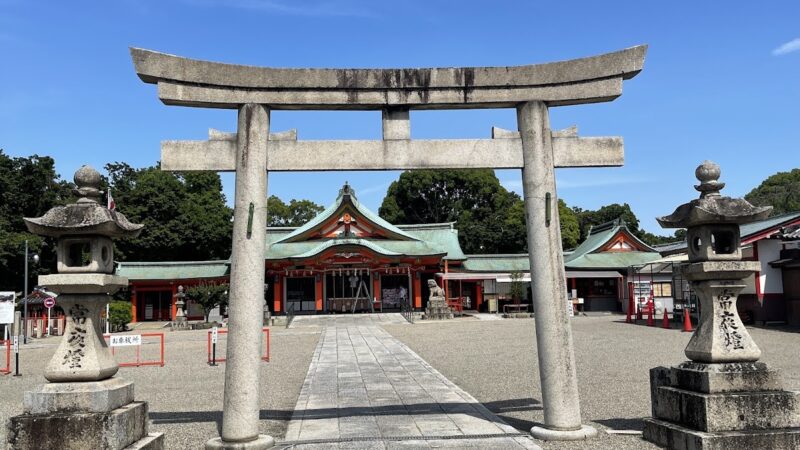
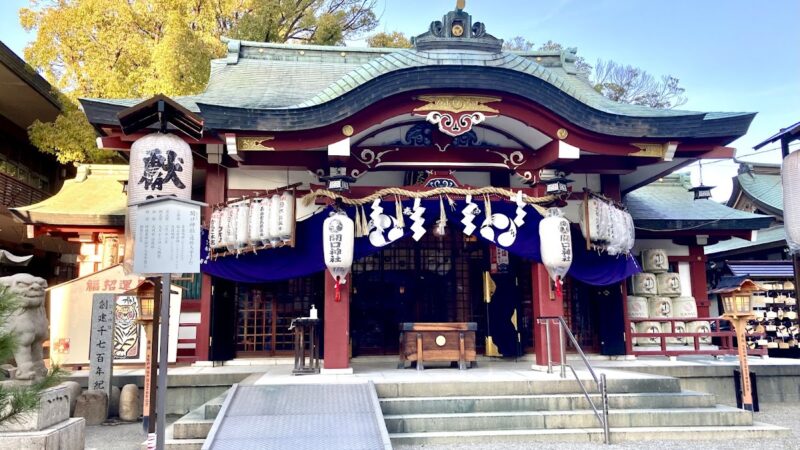
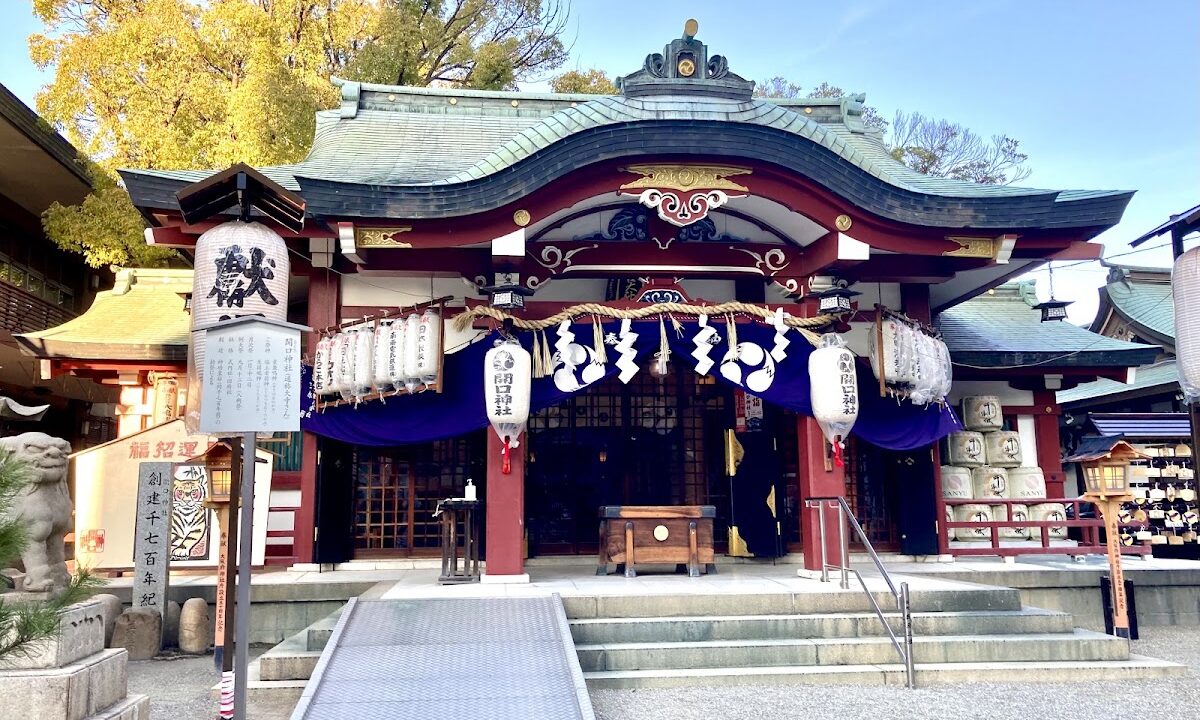
Main Hall and Worship Hall
The main hall of Kaiko Shrine is a magnificent building that evokes a long history. At the main hall, worshippers visit daily, quietly offering their prayers.
Shrines within the Precincts
In addition to the main shrine, several subsidiary shrines are enshrined within the grounds, each dedicated to a different deity. Visiting each shrine while exploring the grounds offers a deeper religious experience.
Water Basin
The water basin, where you purify yourself before worship, is also beautifully designed. Please purify your hands and mouth using the correct etiquette before worship.
Shrine Office/Gift Shop
Goshuin (shrine stamps), amulets, and Akiko Love Song fortune slips are available at the shrine office. Prayers for safe childbirth and protection from evil are also accepted at any time.
Gift Items and Amulets
Kaiko Shrine offers a variety of gifts.
Safe Childbirth Amulet
This amulet, associated with the blessings of Shiotsuchi-no-Okina-no-Kami for safe childbirth, is popular among pregnant women and their families.
Protection Against Misfortune Amulet
This amulet bestows the power of Susanoo-no-Mikoto to ward off misfortune and is given to those in their unlucky years or those seeking protection from disaster.
Traffic Safety Amulet
Due to its association with maritime traffic, it is now believed to protect against land traffic as well, and is a popular amulet for drivers and children commuting to school.
Good Fortune Amulet
This is a common amulet for wishing for good fortune and prosperity, and is popular among those starting something new or wanting to improve their luck.
Annual Events, Festivals, and Rituals
Kaiko Shrine holds various festivals and rituals throughout the year.
Main Annual Events
- January 1st: Saitansai (New Year’s Festival)
- January: Tondo-yaki (New Year’s bonfire)
- February (Setsubun): Setsubun Festival (Bean-throwing)
- Spring Equinox: Spring Grand Festival
- July: Summer Purification Ceremony
- September: Hassaku Festival (The largest annual festival)
- Autumn Equinox: Autumn Grand Festival
- November: Shichi-Go-San (7-5-3 Festival)
- December: Year-End Purification Ceremony
Monthly Festivals
Monthly festivals are held on the 1st and 15th of each month, praying for the safety and prosperity of parishioners and worshippers.
About Prayers and Weddings
Types of Prayers
Kaiko Shrine accepts prayers at any time. The main prayers offered are as follows:
- Prayer for Safe Childbirth: Often performed on the Day of the Dog in the fifth month of pregnancy
- First Shrine Visit (Omiyamairi): Praying for the healthy growth of the baby
- Shichi-Go-San Visit: Celebrating the child’s growth and praying for their future health
- Prayer for Protection from Misfortune: Praying for protection from misfortune during the unlucky year
- Prayer for Good Fortune: Praying for improved luck
- Business Prosperity: Praying for the success of one’s business
- Family Safety: Praying for the health and peace of the family
- Traffic Safety: Blessing of the car, etc.
Shinto Wedding Ceremony
At Kaiko Shrine, you can hold a traditional Shinto wedding ceremony. You can exchange your eternal vows in a solemn atmosphere at this historic shrine.
For weddings, advance reservations and consultations are required, so please contact the shrine directly for details.
Rental Space
At Kaiko Shrine, it is also possible to use the facilities on the shrine grounds as a rental space. The shrine can be used for meetings, cultural activities, etc. If you are interested, please contact the shrine.
Access & Basic Information
Location
Address: 2-1-29 Kai-cho Higashi, Sakai-ku, Sakai City, Osaka Prefecture 590-0953
Access by Train
Hankai Tramway (Streetcar)
- Nearest Station: Shukuin Stop
- Approximately 35 minutes from Tennoji-ekimae Stop, get off at Shukuin Stop, then approximately 5 minutes on foot
- Or approximately 10 minutes on foot from Osho-dori Station
The Hankai Tramway is a retro streetcar that allows you to experience the charm of Sakai, and is enjoyable as a tourist attraction.
Nankai Electric Railway
- Approximately 15 minutes on foot from Nankai Main Line “Sakai Station”
- Approximately 20 minutes on foot or by bus from Nankai Koya Line “Sakaihigashi Station”
Access from the Shopping Street
Kaiko Shrine is located near the shopping street. It is approximately a 3-minute walk from the entrance of the shopping street. Strolling through the shopping street on your way to the shrine is also recommended.
Access by Car
Approximately 10 minutes from the Sakai exit of the Hanshin Expressway. However, since dedicated parking is limited, we recommend using nearby coin parking or public transportation.
Visiting Hours
- Shrine Grounds Visiting: Generally free (gates closed at night)
- Shrine Office Reception Hours: Approximately 9:00 AM to 5:00 PM (may vary depending on the season)
- Prayer Request Reception: Advance confirmation required (reservations by phone are recommended)
Admission Fee
Entry to the shrine grounds is free. A donation is required for prayers.
Inquiries
For detailed information, the latest event information, and prayer reservations, please contact Kaiko Shrine directly. Information can also be found on the official website.
Nearby Tourist Attractions
Nearby tourist attractions where you can experience the history and culture of Sakai are scattered around Kaiko Shrine.
Sakai City Museum
A museum where you can comprehensively learn about the history of Sakai. Exhibits include materials from the Kofun period to modern times.
Emperor Nintoku’s Mausoleum (Daisen Kofun)
One of Japan’s largest keyhole-shaped burial mounds, registered as a World Heritage Site. A representative historical site of Sakai.
Sakai Traditional Industries Hall
A facility introducing Sakai’s traditional industries, such as Sakai cutlery and Sakai incense. Demonstrations and hands-on experiences are available.
Site of Yosano Akiko’s Birthplace
The site of the birthplace of the poet Yosano Akiko. A monument now stands there.
Sakai Rishonomori
A facility commemorating Yosano Akiko and Sen no Rikyu. Tea ceremony experiences are also available.
Manners and Points for Visiting a Shrine
Basic Etiquette for Visiting a Shrine
- Bow before passing through the torii gate: A courtesy before entering the sacred area
- Avoid walking in the center of the path: The center is the path of the gods
- Purify yourself at the water basin: Left hand → Right hand → Mouth → Handle of left hand → Hold the handle upright and let it flow
- Worship at the main hall: Two bows, two claps, one bow (basic etiquette for shrines)
Regarding Photography
Photography is generally permitted within the shrine grounds, but please refrain from taking pictures inside the main hall or during Shinto rituals. Consideration should be given to avoid disturbing other worshippers.
Attire
For regular visits, everyday clothes are acceptable, but if you are receiving a prayer, somewhat formal attire is desirable.
Summary of the Charms of Kaiko Shrine
Kaiko Shrine, with its 1800-year history, continues to attract the faith of local people as the principal guardian shrine of Sakai. This shrine boasts a variety of attractions, including a legend of its founding by Empress Jingu, important cultural property treasures, the Hassaku Festival where Sakai’s oldest futon taiko drum is dedicated, and its connection to Akiko Yosano.
It offers various blessings, such as prayers for safe childbirth, good fortune and protection from evil, and traffic safety, making it a shrine you’ll want to visit at important milestones in your life. Its convenient location near the shopping street makes it easily accessible, and it’s a must-visit spot when sightseeing in Sakai.
Why not experience the culture of Sakai by quietly praying at Kaiko Shrine, where history and tradition breathe life into the city?