Hojo-ji Temple (Satsuma Town, Kagoshima Prefecture) Complete Guide | Goshuin (Temple Seal), History, and Access Information
Located in Torai, Satsuma Town, Satsuma District, Kagoshima Prefecture, Hojo-ji Temple is a historic temple belonging to the Koyasan Shingon sect. Its mountain name is Shiunzan, and it is the 46th temple on the Kyushu 88 Temple Pilgrimage, attracting many pilgrims. This article provides a detailed introduction to Hojo-ji Temple, including its history, highlights, goshuin information, and access methods.
Basic Information about Hojo-ji Temple
Hojo-ji Temple is a Shingon Buddhist temple located at 2227 Torai, Satsuma Town, Satsuma District, Kagoshima Prefecture. It has long been a center of local faith.
Temple Overview
- Official Name: Shionzan Minejoji Temple
- Sect: Koyasan Shingon Buddhism
- Pilgrimage Site: 46th Temple of the Kyushu Eighty-Eight Sacred Sites and One Hundred and Eight Sacred Places
- Location: 2227 Torai, Satsuma-cho, Satsuma-gun, Kagoshima Prefecture
- Phone Number: 0996-53-1435
- Nearest Station: JR Sendai Station (Hisatsu Orange Railway)
The mountain name of Minejoji Temple, “Shionzan,” is said to originate from a legend that purple clouds once hung over this area. As a temple that continues to uphold the teachings of Shingon Esoteric Buddhism, it serves as a spiritual center for the local people.
History and Origin of Minejoji Temple
Background of Founding
While detailed records regarding the founding date of Minejoji Temple are limited, it has developed as a temple of the Koyasan Shingon sect, inheriting the teachings of Kobo Daishi Kukai. As one of the centers of Shingon Buddhism in the Satsuma region, it has a long history of attracting local faith.
Connection to the Kyushu 88 Temples and 108 Sacred Sites
Minejo-ji Temple is designated as the 46th temple of the Kyushu 88 Temples and 108 Sacred Sites. This pilgrimage route was modeled after the Shikoku 88 Temples and is popular with many believers as a route for visiting temples throughout Kyushu.
The Kyushu 88 Temples and 108 Sacred Sites were established for people who found it difficult to make the pilgrimage to Shikoku, and Minejo-ji Temple has welcomed pilgrims as an important temple on this route. By fulfilling its role as a temple on this route, the temple’s maintenance and the transmission of faith are ensured.
Positioning as a Shingon Buddhist Temple in the Satsuma Region
Satsuma Town, Satsuma District, Kagoshima Prefecture, is a region that belonged to the former Satsuma Province. Shingon Buddhist temples are scattered throughout this region, and Minejo-ji Temple occupies an important position among them. As a center of local Buddhist culture, the temple has maintained strong ties with its parishioners and local residents by conducting memorial services and annual events.
Information on Minejo-ji Temple’s Goshuin (Temple Seal)
Features of the Goshuin
Minejo-ji Temple offers Goshuin to visitors. As the 46th temple of the Kyushu 88 Temples and 108 Sacred Sites pilgrimage, the Goshuin holds special significance for pilgrims.
The Goshuin features the mountain name “Shionzan” and the temple name “Minejo-ji” written in ink, and stamped with a red seal. The Kyushu 88 Temples and 108 Sacred Sites pilgrimage seal is also stamped, making it a cherished memento of the pilgrimage.
Regarding Goshuin Reception
Those wishing to receive a Goshuin should speak to the temple office during their visit. However, please note that they may not be able to accommodate requests if the head priest is absent or during memorial services. It is recommended to call ahead to confirm.
- Reception Hours: Generally during the day (please inquire in advance for details)
- Offering Fee: The general offering fee for a Goshuin (around 300 yen) is a guideline
- Goshuincho (Stamp Book): You can have your Goshuincho (stamp book) stamped.
Advice for Pilgrims
Those undertaking the Kyushu 88 Temple Pilgrimage (108 Sacred Sites) will find it smoother if they check the location of each temple and the order of visitation in advance. Minejo-ji Temple is the 46th temple, so understand its relative locations to the surrounding temples to create an efficient pilgrimage plan.
Highlights of the Temple Grounds
Main Hall
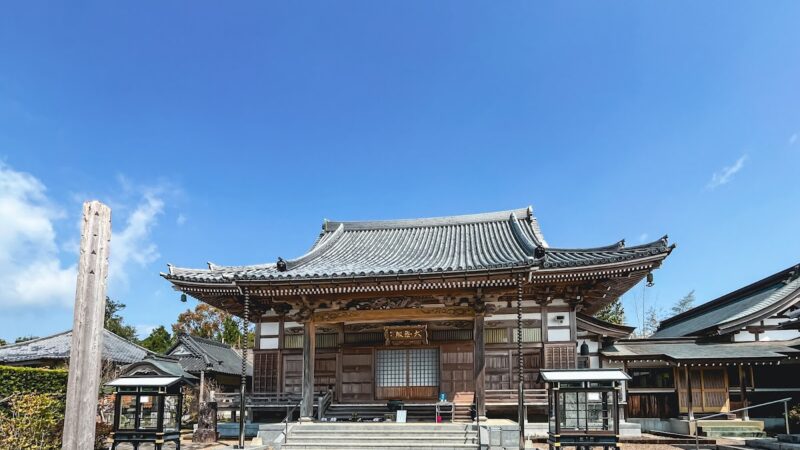
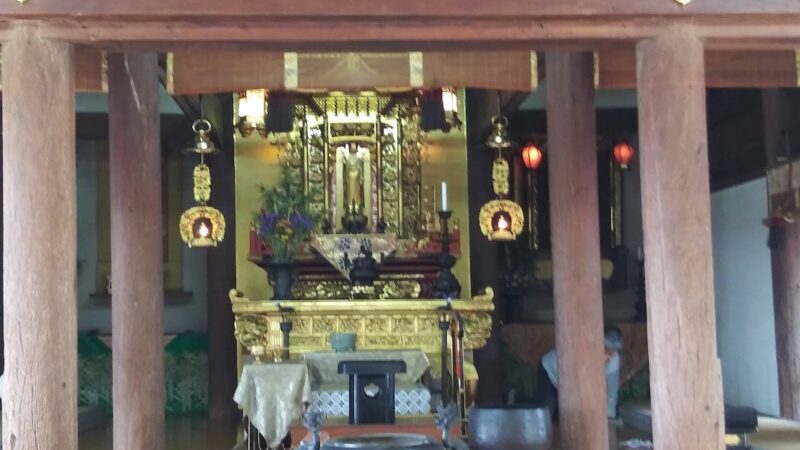
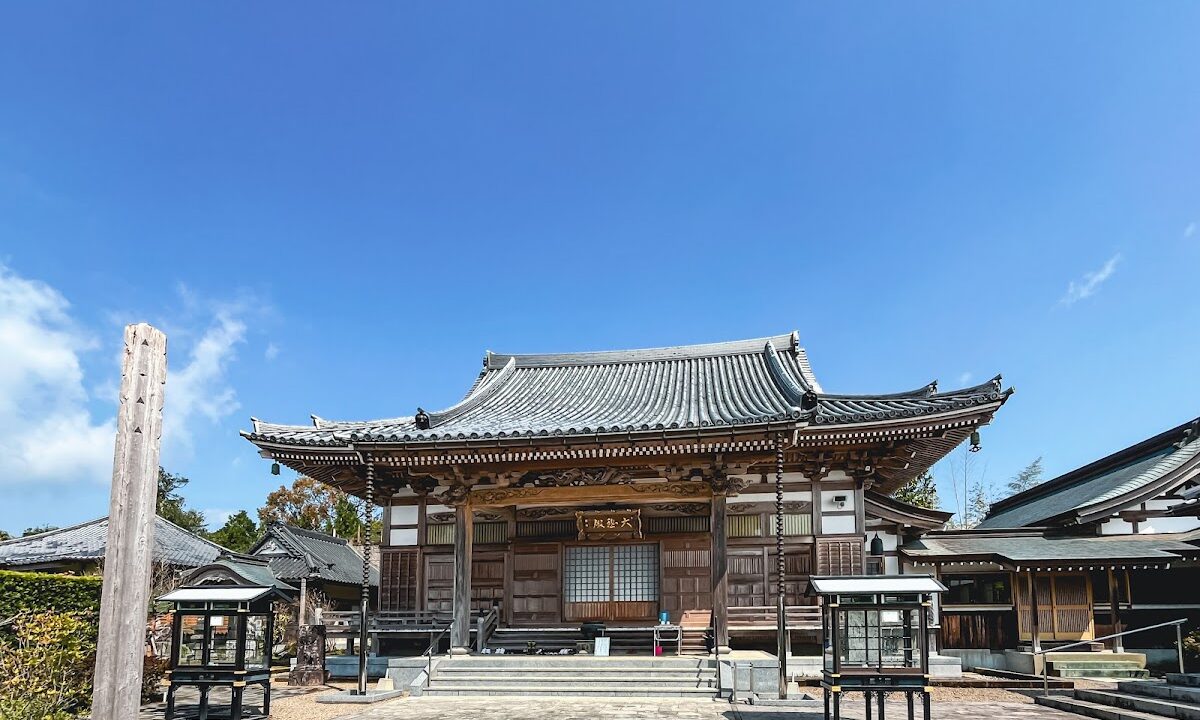
The main hall of Minejo-ji Temple is a magnificent building with a solemn atmosphere befitting a Shingon Buddhist temple. Daily services and religious ceremonies are held in the main hall where the principal image is enshrined. Visitors can join their hands in prayer in the main hall and offer their prayers in peace.
Atmosphere of the Temple Grounds
The grounds of Minejo-ji Temple are located in a quiet environment surrounded by the nature of Satsuma Town. The trees and flowers in the temple grounds, which change their appearance with each season, soothe the hearts of visitors. It offers a peaceful environment for worship, far removed from the hustle and bustle of the city.
Etiquette for Visiting the Temple
When visiting the temple, please observe the following etiquette:
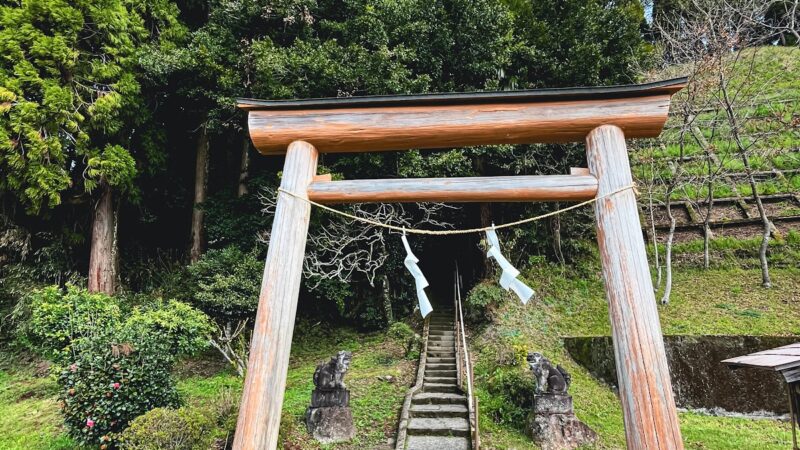
- Bow when passing through the main gate
- Cleanse your hands and mouth at the water basin
- Quietly join your hands in prayer in the main hall
- Maintain silence and refrain from speaking loudly on the temple grounds
- Take photographs only in designated areas
- Take your trash with you
Access Information
Access by Public Transportation
If visiting Minejo-ji Temple by public transportation, the nearest station is JR Kawauchi Station.
- From JR Kawauchi Station: Take a bus or taxi from Kawauchi Station.
- By Bus: Take a bus bound for Satsuma Town and get off at Torai area (approximately 30-40 minutes).
- By Taxi: Approximately 25-30 minutes by taxi from Kawauchi Station.
Since public transportation is limited, it is recommended to check the timetable in advance.
Access by Private Car
Access by private car is the most convenient.
- Kyushu Expressway: Approximately 20 minutes by car from Satsumasendai IC
- From Kagoshima City: Approximately 1 hour via National Routes 3 and 267
- Parking: Parking is available on the temple grounds or in the surrounding area (please inquire in advance for details)
When using a car navigation system, please enter the phone number (0996-53-1435) or address (2227 Torai, Satsuma-cho, Satsuma-gun, Kagoshima Prefecture).
Notes on Access
- The Torai area of Satsuma-cho is located in a mountainous area, so please pay attention to road conditions.
- In winter, there is a possibility of icy roads, so please check the weather before visiting.
- There are areas where cell phone signals are weak, so it is recommended to use the offline function of a map app.
Attractions of Satsuma-cho and Surrounding Sightseeing
About Satsuma-cho
Satsuma-cho, Satsuma-gun, Kagoshima Prefecture, was formed in 2005 through the merger of Miyanojo-cho, Tsuruta-cho, and Satsuma-cho. This region is rich in nature and history and culture, and is also known for its hot springs and agricultural products.
Nearby Tourist Attractions
When visiting Minejo-ji Temple, be sure to explore the tourist attractions around Satsuma Town.
- Shio Onsen: A historic hot spring resort where day trips are possible.
- Miyanojo Onsen: A representative hot spring resort in Satsuma Town.
- Nature of Northern Satsuma: A landscape woven from beautiful mountains and clear streams.
- Michi-no-Eki Satsuma: You can purchase local specialties and fresh agricultural products.
Local Specialties
Satsuma Town has a thriving agricultural industry, and the following specialties are particularly famous.
- Sweet Potatoes: A representative agricultural product of Kagoshima
- Bamboo Crafts: A traditional craft passed down through generations
- Shochu: Known as a production area for Satsuma shochu
Annual Events and Memorial Services
Main Annual Events
At Minejo-ji Temple, as a Shingon Buddhist temple, various annual events are held.
- New Year’s Memorial Service: A memorial service to pray for peace and tranquility in the new year
- Spring and Autumn Equinox Memorial Services: Memorial services for ancestors
- Obon Memorial Service: A memorial service to welcome the spirits of ancestors as part of the Obon festival
- Kobo Daishi Memorial Service: A memorial service held on the monthly anniversary of Kobo Daishi’s death
For specific dates and times, please contact the temple directly.
Visits by Non-Parishioners
Minejo-ji Temple, as a pilgrimage temple, welcomes general visitors who are not parishioners. Pilgrims and tourists alike will be warmly welcomed if they observe proper etiquette during their visit.
About Memorial Services and Funerals at Minejo-ji Temple
Perpetual Memorial Services and Interment
Minejo-ji Temple accepts perpetual memorial services and interment for its parishioners. Please contact the temple directly for detailed conditions and costs.
Consultation on Funerals and Memorial Services
Consultation on funerals and various memorial services (49th day, first anniversary, third anniversary, etc.) is also available. We conduct respectful memorial services in accordance with the customs of the Koyasan Shingon sect.
Teachings and Practices of the Shingon Sect
What is the Koyasan Shingon Sect?
The Koyasan Shingon sect, to which Minejo-ji Temple belongs, is a Buddhist sect founded by Kobo Daishi Kukai. It is based on the teachings of Esoteric Buddhism and aims for Sokushin Jobutsu (becoming a Buddha in this body).
Characteristics of Shingon Buddhism
- Mantra: Gaining merit by chanting the true words of the Buddha
- Mandala: Visual representation of the Buddhist world
- Goma Ritual: A prayer ritual using fire
- Pilgrimage: Pilgrimage to the 88 temples of Shikoku
Daily Practices
Shingon Buddhism recommends the following practices in daily life:
- Morning and Evening Service: Chanting the Heart Sutra and mantras
- Sutra Copying: Calming the mind by copying scriptures
- Meditation: Sitting quietly and contemplating one’s mind
- Pilgrimage: Deepening faith by visiting temples
Clothing and Manners for Temple Visits
Appropriate Clothing
The following clothing is recommended when visiting temples:
- Clean and presentable attire: Clothing that is not too flashy and does not expose too much skin.
- Comfortable shoes: Since you will be walking around the temple grounds, comfortable, broken-in shoes are recommended.
- Hats: It is considered good manners to remove your hat while on the temple grounds.
Reconfirming Etiquette for Visiting Temples
- Mobile phones: Set to silent mode and refrain from making calls.
- Eating and drinking: Refrain from eating and drinking outside of designated areas.
- Smoking: Smoking is generally prohibited on the temple grounds.
- Pets: Check in advance whether pets are allowed.
- Those with children: Please be considerate and maintain quietness.
Kyushu 88 Temples and 108 Sacred Sites Pilgrimage Guide
Significance of the Pilgrimage
The Kyushu 88 Temples and 108 Sacred Sites Pilgrimage is a journey of spiritual practice to sever worldly desires and purify the mind. By visiting each temple, you can follow in the footsteps of Kobo Daishi and experience the teachings of Buddha.
Preparing for the Pilgrimage
Before beginning your pilgrimage, please prepare the following:
- Goshuincho: A notebook for collecting stamps at each temple.
- Nokyocho: A record book for depositing scriptures.
- Hakue: Formal attire for pilgrims (not mandatory).
- Kongojo: A staff considered to be an incarnation of Kobo Daishi.
- Pilgrimage Map: A map showing the locations and routes of the temples.
Pilgrimage Rules
- Forward Pilgrimage: Visiting the temples in order from the first temple.
- Reverse Pilgrimage: Visiting the temples in reverse order from the 88th temple (considered to bring greater merit).
- Segmented Pilgrimage: Completing the pilgrimage in several stages.
Minejoji Temple is the 46th temple, so please check its location relative to the preceding and succeeding temples and plan an efficient route.
How to Contact Minejo-ji Temple
Inquiries by Phone
The most reliable way to contact Minejo-ji Temple is by phone.
- Phone Number: 0996-53-1435
- Examples of Inquiries:
- Visiting Hours and Event Schedules
- Information on Receiving Goshuin (Temple Stamps)
- Access Methods and Parking Availability
- Consultations Regarding Memorial Services and Buddhist Rites
Things to Check Before Visiting
The following are things you should check before actually visiting:
- Visiting Hours
- Goshuin Reception Status
- Parking Availability and Location
- Schedule of Memorial Services and Events (may affect visits)
- Access Methods and Travel Time
Accommodation Near Minejo-ji Temple
Accommodation in Satsuma Town
When visiting Minejo-ji Temple, there are the following accommodations near Satsuma Town.
- Hot Spring Inns: Inns in Shibio Onsen and Miyanojo Onsen
- Business Hotels: Hotels in the center of Satsuma Town
- Minshuku (Traditional Japanese Inns): Inns where you can interact with local people
Accommodation in Nearby Cities
There are many accommodations in Satsumasendai City and Kagoshima City.
- Satsumasendai City: Business hotels are abundant around Sendai Station
- Kagoshima City: As the prefectural capital, a variety of accommodations are available
Temple Culture in Kagoshima Prefecture
Buddhist History in Kagoshima Prefecture
Buddhism has been introduced to Kagoshima Prefecture since ancient times, and many temples have been built. During the Satsuma Domain era, many temples were under the patronage of the Shimazu clan.
Major Temples in Kagoshima Prefecture
Besides Minejo-ji Temple, there are many other historical temples in Kagoshima Prefecture.
- Kanno-ji Temple: A Zen temple in Kagoshima City
- Daiji-ji Temple: An ancient temple in Satsumasendai City
- Fukusho-ji Temple Ruins: The site of the Shimazu family’s ancestral temple
Characteristics of Buddhist Culture in Satsuma
Buddhist culture in the Satsuma region is characterized by its strong ties to samurai culture. Furthermore, there are many Shingon and Zen temples, and their respective teachings are deeply rooted in the region.
Seasonal Guide for Visiting Minejo-ji Temple
Spring (March-May)
Spring is a beautiful time for visiting, with lush greenery. The surrounding nature is adorned with cherry blossoms. Buddhist services are held during the spring equinox.
Summer (June-August)
In summer, the greenery deepens, and the temple grounds are enveloped in a cool atmosphere. Many visitors come during the Obon period. Remember to bring a hat and stay hydrated to protect yourself from the heat.
Autumn (September-November)
Autumn is the most popular season for visiting the temple, as the autumn foliage is beautiful. Autumn equinox memorial services are also held during this time. The weather is mild, making it a suitable time for pilgrimage.
Winter (December-February)
In winter, the temple grounds are enveloped in silence, allowing for a peaceful visit. During the New Year, it becomes bustling with visitors for Hatsumode (first shrine visit of the year). Be sure to dress warmly when visiting.
Summary
Minejo-ji Temple is a Shingon Buddhist temple of the Koyasan sect, located in Torai, Satsuma-cho, Satsuma-gun, Kagoshima Prefecture. Its mountain name is Shionzan, and it is the 46th temple of the Kyushu Eighty-Eight Sacred Sites and One Hundred and Eight Temples Pilgrimage, making it popular with many pilgrims and visitors.
Nestled in a quiet mountain area, Minejo-ji Temple is an ideal place to escape the hustle and bustle of everyday life and find peace of mind. While receiving a Goshuin (temple stamp), you can experience the teachings of Shingon Buddhism and simultaneously enjoy the charm of Satsuma Town, rich in nature.
When planning your visit, it is recommended to call ahead to confirm access methods and visiting hours. For those considering a pilgrimage to the 88 sacred sites and 108 temples of Kyushu, Minejo-ji Temple will be an important stop.
Please do visit Minejo-ji Temple, where you can pray in peace while experiencing the rich nature and historical culture of Satsuma Town.