Hie Shrine (Torai, Satsuma-cho, Kagoshima Prefecture) | Complete Guide to History, Deities, and Access
Hie Shrine, located in Torai, Satsuma-cho, Satsuma-gun, Kagoshima Prefecture, is a shrine that has been cherished by the local people for centuries. This article provides a detailed introduction to Hie Shrine, including its history, enshrined deities, blessings, highlights of the grounds, visiting information, and access methods.
Basic Information about Hie Shrine
Hie Shrine is located in Torai, Satsuma-cho, Satsuma-gun, Kagoshima Prefecture, and has long been revered by local people as the guardian deity of the region.
Location and Geographical Environment
Location: Torai, Satsuma-cho, Satsuma-gun, Kagoshima Prefecture
Satsuma-cho is located in the northern part of Kagoshima Prefecture and is blessed with abundant nature. The Torai area is one of the town’s oldest settlements, and Hie Shrine has functioned as a spiritual center for this region. The surrounding area is a rural landscape, offering an environment where one can experience the changing seasons.
Characteristics of the Shrine
Hie Shrine is a community-oriented shrine deeply connected to the lives of residents in the Torai district and surrounding areas. While small to medium in size, its strong ties to the local community allow it to play a central role in local festivals and annual events.
Deities Enshrined at Hie Shrine
Based on the shrine’s name, Hie Shrine, the principal deity is believed to be Ōyamakui-no-kami.
About Ōyamakui-no-kami
Ōyamakui-no-kami is a deity known as the god of mountains and water. The character “kui” means “to drive a stake” or “to possess,” and the deity has been revered as the god who rules the mountains.
The head shrine of Hie Shrine is Hiyoshi Taisha in Shiga Prefecture. Historically, it was also called “Hie Sannō-sha” or “Sannō-sha,” and branch shrines exist throughout Japan under the names Hie Shrine, Hiyoshi Shrine, and Sannō-sha.
Divine Virtues of the Enshrined Deity
The main divine virtues of Oyamakui-no-Kami are as follows:
- Abundant Harvests and Protection of Agriculture: As the god who governs mountains and water, he protects the prosperity of agriculture.
- Family Safety: As the guardian deity of the region, he watches over the safety of families.
- Protection from Misfortune and Disaster: He protects people from calamities.
- Business Prosperity: He supports the development of the local economy.
- Matchmaking: He fosters good relationships between people.
History of Hie Shrine
Background of Founding
While detailed records may not exist regarding the exact founding date of Hie Shrine, it is believed that the Hie faith spread throughout Japan after the Heian period.
Considering the history of shrines in the Satsuma region, the following sequence of events can be inferred:
- Ancient Beliefs: Mountain worship and nature worship have existed in the Torai area since ancient times.
- Spread of Hie Worship: Hie Shrine was founded in the Middle Ages through the enshrinement of a deity from Hiyoshi Taisha Shrine.
- Establishment as a Local Guardian Deity: During the Edo period, it was established as the local guardian deity.
Shrines during the Satsuma Domain
During the Edo period, this region was under the control of the Satsuma Domain. The Satsuma Domain had its own policies regarding shrines and temples, and local shrines were maintained under the domain’s management. It is thought that the residents of the Torai area formed a community centered around Hie Shrine and lived a life centered on agriculture.
Changes after the Meiji Era
Meiji Era: Due to the Meiji government’s decree separating Shinto and Buddhism and the introduction of the shrine ranking system, shrines throughout the country were reorganized. Hie Shrine may have also been given a shrine rank such as a village shrine.
Post-War: After World War II, the shrine system was reformed, and it began a new chapter as a religious corporation. Despite the effects of depopulation in the area, the shrine has been maintained to this day thanks to the efforts of local residents.
Highlights of the Shrine Grounds
Shrine Building
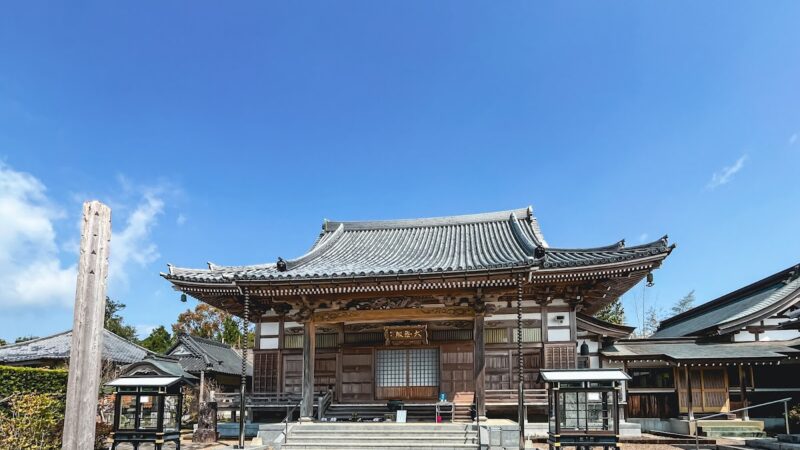
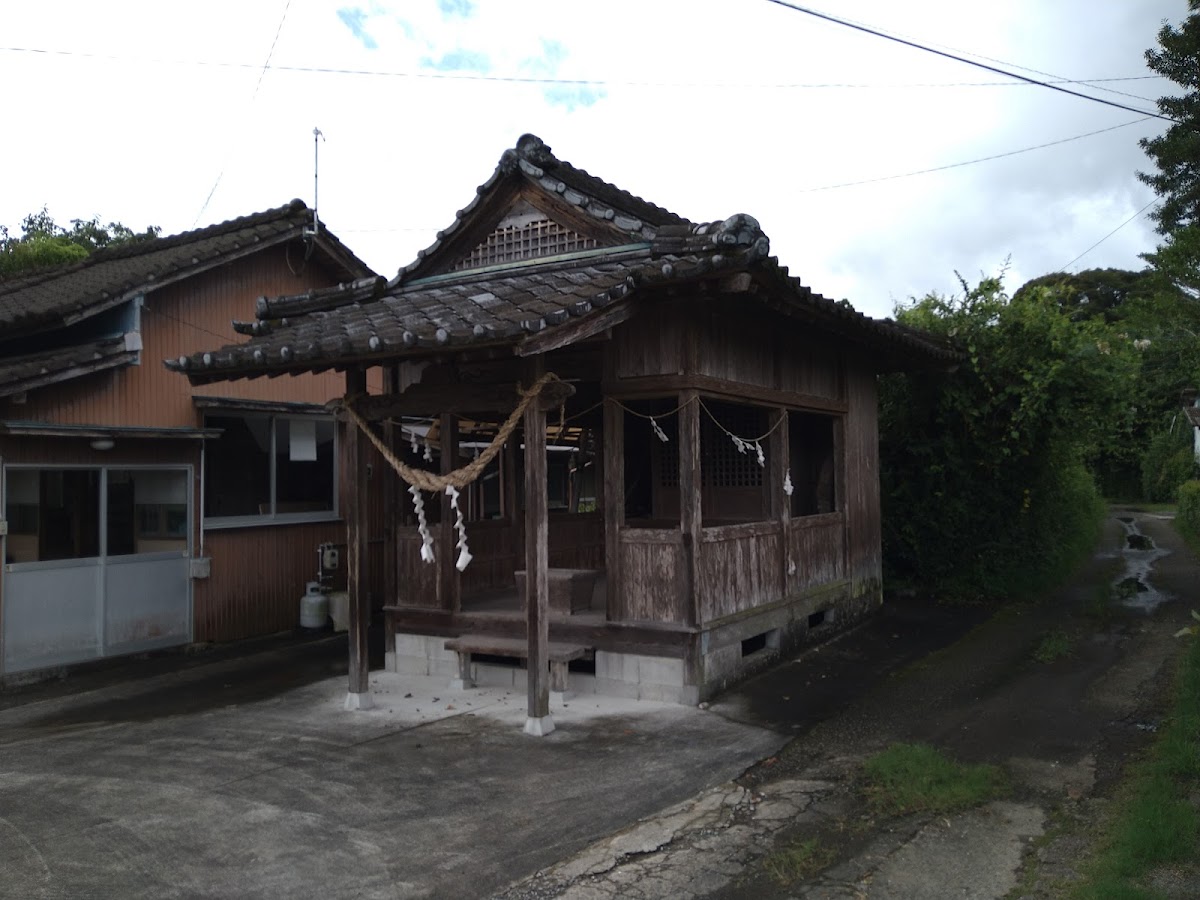
The shrine building of Hie Shrine is constructed in a wooden style typical of local shrines. Although small in scale, it is meticulously maintained, reflecting the deep faith of the local people.
Natural Environment of the Shrine Grounds
The area surrounding the shrine is rich in nature, displaying different expressions with each season:
- Spring: Beautiful fresh greenery and refreshing air
- Summer: Lush green trees provide cool shade
- Autumn: Autumn leaves color the shrine grounds
- Winter: A serene atmosphere prevails, with a dignified air.
Komainu (Guardian Dogs) and Stone Monuments
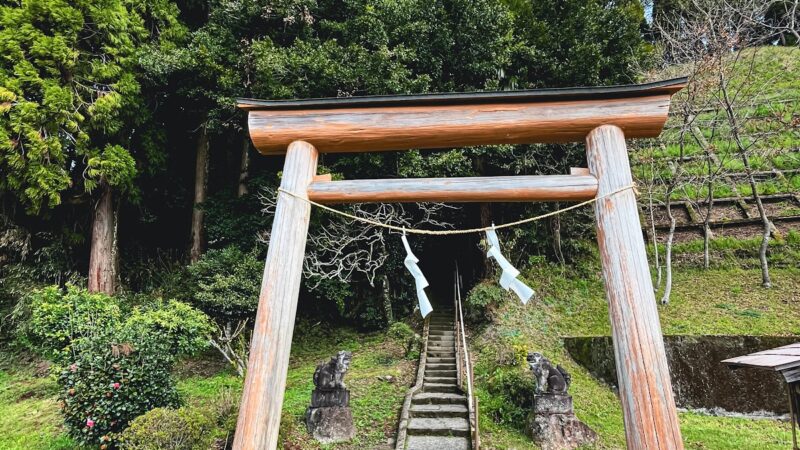
Like many shrines, Hie Shrine may have guardian dogs and monuments. These are valuable cultural assets that tell the history of the region.
Annual Events and Festivals
Annual Grand Festival
Hie Shrine is believed to hold an annual grand festival. These festivals at local shrines are usually held during the autumn harvest season, expressing gratitude for a bountiful harvest and praying for a good harvest in the following year.
The following events may take place during the annual grand festival:
- Shinto rituals (recitation of prayers, offering of sacred branches, etc.)
- Performance of Kagura (sacred dance and music)
- Performances by local residents
- Naorai (celebratory feast)
New Year’s Visit
At the start of the new year, local residents visit the shrine for their first shrine visit of the year, praying for safety and well-being throughout the year. The small shrine offers a warm, intimate atmosphere for welcoming the new year.
Other Annual Events
- Spring Festival: Celebrating the arrival of spring and praying for safety in agricultural work
- Summer Purification Ceremony (around June 30th): A Shinto ritual to purify and cleanse away the impurities accumulated over the past six months
- Autumn Harvest Festival: A festival to give thanks for the harvest
Etiquette and Manners for Visiting the Shrine
Basic Etiquette for Visiting the Shrine
When visiting Hie Shrine, please observe the following etiquette:
- Bow before passing through the torii gate: A courtesy before entering the sacred area
- Avoid walking in the center of the approach: The center is the path for the gods
- Purify yourself at the water basin: Purify your hands and mouth to cleanse your mind and body
- Worship in front of the main hall: Two bows, two claps, and one bow is the basic ritual
Etiquette for Watering Your Hands
- Take the ladle with your right hand and purify your left hand
- Switch the ladle to your left hand and purify your right hand.
- Switch the ladle back to your right hand, receive water in your left hand, and rinse your mouth.
- Purify your left hand once more.
- Stand the ladle upright, purify the handle, and return it to its original position.
Mindset When Visiting a Shrine
Visiting a shrine is an act of expressing gratitude and respect to the gods. Express your gratitude for everyday blessings and visit with a humble heart. Even when making a request, it is important to first express your gratitude.
Benefits and Faith
Main Benefits
Main benefits you can expect at Hie Shrine:
Abundant Harvest and Agricultural Prosperity
Oyamakui-no-kami is the god who governs mountains and water, protecting the natural blessings essential for agriculture. This shrine is especially important for those engaged in agriculture.
Family Safety
As the local guardian deity, it watches over the health and safety of all family members.
Protection from Misfortune and Good Fortune
It is believed to ward off misfortune and improve one’s luck.
Business Prosperity
As a guardian deity of the local economy, it supports the development of businesses.
The Role of Faith in the Community
Hie Shrine is not merely a religious facility, but plays a central role in the local community:
- Community Unity: Strengthening the bonds of local residents through festivals
- Preservation of Traditional Culture: A place to pass on the history and culture of the region to the next generation
- Spiritual Pillar: Functioning as a spiritual anchor for residents
Access Method
Location
Address: Torai, Satsuma-cho, Satsuma-gun, Kagoshima Prefecture
Access by Public Transportation
Public transportation is limited in the Torai area of Satsuma-cho, so access by car is recommended.
Nearest Station:
- JR Kyushu Hisatsu Orange Railway “Satsuma-Takajo Station” or “Sendai Station”
- Taxis or rental cars are convenient from the station.
Bus:
- Satsuma Town Community Bus may operate, but the number of services is limited, so prior confirmation is necessary.
Access by Car
From the Kyushu Expressway:
- Exit at “Satsuma-Sendai Miyako IC”
- Head north on National Route 267
- Proceed towards Satsuma Town and aim for the Torai area
- Travel time: Approximately 30-40 minutes (may vary depending on traffic conditions)
From Kagoshima City:
- Via National Route 328, National Route 267, etc.
- Travel time: Approximately 1 hour to 1 hour 30 minutes
Parking
As this is a small shrine, it is recommended to check in advance whether there is a dedicated parking lot. It is common for local shrines to have several parking spaces on the grounds or nearby.
Points to Note When Visiting
- Road Conditions: Due to the mountainous terrain, there may be narrow sections of road.
- Car Navigation Settings: Search for “Satsuma-cho Torai” and check for nearby landmarks.
- Prior Confirmation: The area may be unattended except on festival days. If you wish to obtain a Goshuin (temple/shrine stamp), please inquire in advance.
History and Culture of the Torai District, Satsuma-cho
Overview of the Torai District
Torai is one of the districts that make up Satsuma-cho, and it is a long-established settlement. There are various theories about the origin of the place name, but it is thought to be related to the region’s history and topography.
Regional History
Ancient and Medieval Periods:
This area has been inhabited since ancient times as part of Satsuma Province. Despite its mountainous location, a lifestyle centered on agriculture was practiced.
Early Modern Period (Edo Period):
Under the rule of the Satsuma Domain, it was organized as a village or district. A local community was formed under the unique Tojo system of the Satsuma Domain.
Modern Era:
Following the abolition of the feudal domains and the implementation of the town and village system during the Meiji era, the town evolved into its current form, Satsuma Town. During the Heisei-era municipal mergers, Miyanojo Town, Tsuruta Town, and Satsuma Town merged to form Satsuma Town.
Local Culture and Specialty Products
Satsuma Town is known for the following specialty products and cultural aspects:
- Bamboo Crafts: Traditional bamboo craftsmanship is thriving.
- Agricultural Products: Cultivation of rice, vegetables, fruits, etc.
- Shochu: One of the production areas for Satsuma shochu.
- Hot Springs: Numerous hot spring resorts, such as Shibio Onsen, are scattered throughout the area.
Nearby Tourist Spots
Here are some nearby tourist spots you can visit when you come to Hie Shrine.
Shibio Shrine
One of Satsuma Town’s representative shrines, it is located at the foot of Mt. Shibio. It has long been an object of mountain worship and attracts many worshippers.
Shio Onsen
A hot spring resort located near Shio Shrine, known as the “Hot Spring of the Gods.” Facilities offering day-trip bathing are available, making it ideal for relaxing after sightseeing.
Nature of Northern Satsuma
The area around Satsuma Town is rich in nature, offering opportunities for hiking and nature observation. Enjoy the scenery of each season.
Historical Museums and Local History Museums
Facilities where you can learn about the history and culture of Satsuma Town deepen your understanding of the region.
Best Season for Visiting
Spring (March-May)
The season of fresh greenery; the trees in the shrine grounds are budding, and the air is refreshing. The weather is mild, making it a suitable time for visiting.
Summer (June-August)
While the greenery is lush, heat precautions are necessary. Early morning or evening visits are recommended. The Summer Purification Ceremony may be held at the end of June.
Autumn (September-November)
The most suitable season for visiting. Many annual festivals are held during this time, offering a chance to witness local traditional events. The autumn foliage is also beautiful.
Winter (December-February)
Enjoy a peaceful atmosphere during your visit. The shrine becomes crowded with local residents during the New Year’s visit period. Be sure to dress warmly.
About Goshuin (Shrine Seals)
Issuance of Goshuin
The issuance of Goshuin at Hie Shrine varies depending on the size and management system of the shrine. Smaller shrines may not always issue them.
If you wish to receive a Goshuin, please note the following:
- Prior Confirmation: Check whether they are available before your visit.
- Prayer is a Prerequisite: Goshuin are proof of worship, not collection items.
- Gratitude: Remember to express gratitude when receiving a Goshuin.
Preparing Your Goshuincho (Shrine Seal Book)
If you collect Goshuin, bring your Goshuincho. It is common to have separate books for shrines and temples.
How to Engage with the Community
Protecting Local Shrines
Small local shrines like Hie Shrine are maintained through the efforts of local residents. Things you can do as a worshipper:
- Keep the grounds clean: Take your trash home
- Take care of the facilities: Treat the shrine buildings and grounds with care
- Follow local rules: Be considerate of neighbors regarding parking, noise, etc.
- Offerings: These help with the maintenance and upkeep of the shrine
Participating in Festivals
Visitors from outside the area are often welcomed to observe or participate in festivals. This is a valuable opportunity to experience local traditional culture.
The Significance of Visiting Hie Shrine
The Value of Local Faith
Unlike large, well-known shrines, small, locally rooted shrines possess unique value:
- Witness to Local History: They have watched over the history of the region for generations.
- Community Core: They support the bonds of local residents.
- Simple Faith: Not extravagant, but imbued with pure faith.
The Role of Shrines in Modern Times
In today’s increasingly urbanized and depopulated society, local shrines play the following roles:
- A Place of Peace of Mind: A tranquil space away from daily life.
- Inheritance of Tradition: Passing on local history and culture to future generations.
- Coexistence with Nature: The shrine’s forest protects the local ecosystem.
Summary
Hie Shrine, located in Torai, Satsuma-cho, Satsuma-gun, Kagoshima Prefecture, is a historically significant shrine deeply rooted in the local community. Hie Shrine enshrines Oyamakui-no-kami and is believed to bring blessings such as abundant harvests, family safety, and protection from evil.
Although small in scale, it is carefully preserved through the faith and efforts of local residents and functions as a spiritual pillar of the community. When visiting Satsuma Town, we highly recommend visiting Hie Shrine and experiencing the local history and culture.
The quiet time spent praying in this rich natural environment will be a precious moment to forget the hustle and bustle of everyday life. Enjoy the simple and warm atmosphere that can only be felt at a small local shrine.
Notes for Visitors:
- Check the shrine’s status in advance (opening hours, festival days, etc.)
- Access by car is convenient, but please be careful of road conditions
- Remember to be considerate of local residents
- Cherish the natural environment and take your trash with you
May your visit to Hie Shrine be a fulfilling experience for everyone.