Complete Guide to Kokuseki-ji Temple (Iwate Prefecture) | Exploring the History of the Jōgan-era Yakushi Nyorai and the Somin Festival
Located in Yamauchi, Kuroishi-cho, Mizusawa, Ōshū City, Iwate Prefecture, Kokuseki-ji Temple is one of the most famous and representative temples of the Tōhoku region, belonging to the Tendai sect. Also known as “Kuroishi-dera,” this temple is nationally renowned for its only seated statue of Yakushi Nyorai in Japan, bearing an inscription from the 4th year of the Jōgan era (862 AD), and for the Somin Festival, which has been held during the Lunar New Year.
This article comprehensively introduces information you should know before visiting Kokuseki-ji Temple, from its history and cultural assets to access methods.
Overview and Basic Information of Kokuseki-ji Temple
Basic Temple Data
Official Name: Myokenzan Kokuseki-ji Temple
Sect: Tendai Sect
Principal Image: Seated Yakushi Nyorai Statue (Important Cultural Property)
Location: 17 Yamauchi, Kuroishi-cho, Mizusawa, Oshu City, Iwate Prefecture
Founded: Traditionally attributed to the first year of the Tenpyo era (729 AD)
Founder: Traditionally attributed to Gyoki Bodhisattva
Restoration: Jikaku Daishi Ennin
Kokuseki-ji Temple is also known as one of the 33 Kannon pilgrimage sites of Oshu, and together with the 33 Kannon of Esashi, it has attracted many believers. Even today, it remains an important center of Buddhist culture in the Tohoku region, attracting many worshippers and researchers.
Visiting Information
Visiting Hours: Advance reservation required
Admission Fee: 500 yen
Closed Days: Irregular
Parking: Free parking available
Duration: Approximately 60-90 minutes (including explanation)
Advance contact is required for visits. When making a reservation, you will receive a detailed explanation of the temple’s history and cultural assets, allowing you to gain a deeper understanding of Kuroishiji Temple’s value.
History of Kuroishiji Temple
Founding Legend and the Nara Period
Regarding the founding of Kuroishiji Temple, there is a legend that it was established in 729 AD by Gyoki Bodhisattva. If this is true, it would be one of the earliest temples in the Tohoku region. It is said that it was initially called “Tokozan Yakushiji.”
This period coincided with the Nara period’s spread of Buddhism to the provinces, and Gyoki was involved in temple construction and social work throughout the country. The founding legend of Kuroishiji Temple can be understood within this historical context. ### Restoration in the Heian Period and the Jogan Buddha
The original temple is believed to have been destroyed by fire, and was restored in 849 (Kashō 2) by Jikaku Daishi Ennin. Jikaku Daishi was a high-ranking priest of the Tendai sect and played a significant role in the propagation of Tendai Buddhism in the Tohoku region.
Then, in 862 (Jogan 4), the seated statue of Yakushi Nyorai, which is still enshrined as the principal image, was created. The year of creation is clearly inscribed inside the statue, making it an extremely valuable artifact as the only Jogan-era inscribed Buddha in Japan.
The Jogan era (859-877) was also the period when Izawa Castle was operational in the Tohoku region, and the political and cultural development of this region is closely intertwined with the history of Kuroishi-dera Temple. The seated statue of Yakushi Nyorai was created in the year that the Chinese zodiac cycle completed after the construction of Izawa Castle.
Relationship with the Hiraizumi Fujiwara Clan
In the mid-12th century, during the era of the Oshu Fujiwara clan, who flourished in Hiraizumi, Kuroishi-dera Temple received patronage from Fujiwara no Motohira. The statues of Nikko Bosatsu, Gekko Bosatsu, and the Twelve Heavenly Generals (all designated prefectural cultural properties), believed to have been donated by Motohira, are valuable cultural assets that strongly reflect the influence of Hiraizumi culture.
During this period, Kuroishi-dera Temple functioned as an important religious facility within the Hiraizumi cultural sphere, and it appears to have attracted the faith of the Oshu Fujiwara clan.
From the Medieval to the Early Modern Period
Even after the Kamakura period, Kuroishi-dera Temple continued to exist as a center of local faith. Even after the turmoil of the Sengoku period, it maintained its status as a powerful temple in the region during the Edo period, and many Buddhist statues and cultural assets were preserved and passed down.
Kuroishi-dera Temple in the Modern and Contemporary Periods
Despite the impact of the anti-Buddhist movement of the Meiji era, Kuroishi-dera Temple successfully preserved its valuable cultural assets. From the Showa to the Heisei era, the collection of Buddhist statues housed at Kuroishi-ji Temple was successively designated as cultural properties, and their historical and artistic value became widely recognized.
Cultural Properties of Kuroishi-ji Temple
Kuroishi-ji Temple houses numerous valuable Buddhist statues dating from the Heian to Kamakura periods. Here, we introduce some of the main cultural properties.
Nationally Designated Important Cultural Property
Wooden Seated Statue of Yakushi Nyorai (Main Image)
The main image of Yakushi Nyorai, the greatest treasure of Kuroishi-ji Temple, is the only inscribed Jōgan Buddha in Japan, bearing an inscription from the 4th year of the Jōgan era (862). The statue is approximately 170 cm tall and is characterized by its majestic form, carved from a single piece of wood.
The year of creation is clearly inscribed inside the statue, making it an extremely important benchmark example in the study of Buddhist statues from the early Heian period. It beautifully demonstrates the voluminous and powerful expression known as the Jōgan style, and is a masterpiece representing the pinnacle of Buddhist art in the Tohoku region.
Wooden Standing Statues of the Four Heavenly Kings
The Four Heavenly Kings are four guardian deity statues protecting the main deity. Believed to be from the late Heian period, they are characterized by their powerful form and realistic expression. Each represents Jikokuten, Zochoten, Komokuten, and Tamonten, depicted trampling on evil spirits.
Iwate Prefecture Designated Cultural Property
Wooden Standing Statues of Nikko and Gekko Bodhisattvas
The standing statues of Nikko Bodhisattva and Gekko Bodhisattva, enshrined as attendants to Yakushi Nyorai, are said to have been donated by Fujiwara no Motohira. Characterized by their elegant form influenced by Hiraizumi culture, they are estimated to have been created in the mid-12th century.
Wooden Standing Statues of the Twelve Divine Generals
The standing statues of the Twelve Divine Generals, who protect Yakushi Nyorai, are also said to have been donated by Fujiwara no Motohira. These twelve warrior-like statues, each symbolizing one of the twelve zodiac signs, exhibit characteristics of the late Heian period. The dynamic poses and meticulously carved armor are particularly noteworthy.
Other Buddhist Statues
Besides the above, Kuroishiji Temple houses numerous other Buddhist statues. These primarily date from the Heian to Kamakura periods, providing valuable insights into the evolution of Buddhist art in the Tohoku region.
About the Kuroishiji Somin Festival
History and Significance of the Somin Festival
The Kuroishiji Somin Festival is a unique winter festival held from the night of the 7th day of the lunar new year to the following morning. Designated as a Selected Intangible Folk Cultural Property, it is known as a representative folk event of the Tohoku region.
While the festival’s origins are uncertain, it is believed to have a history of at least several hundred years as a ritual praying for protection from evil and good health, based on the legend of Somin Shōrai.
Festival Details
Known for its depiction of naked men vying for the Somin bag in the bitter cold, the festival has attracted nationwide attention for its grandeur and unique religious significance. The festival consists of multiple rituals, with various Shinto ceremonies performed from late night to early morning.
End of the Somin Festival
It has been decided that the Kuroishiji Somin Festival will not be held after 2025. This is due to the aging of those who have played a central role in the festival and the resulting shortage of future participants, making it difficult to maintain the festival.
The end of this festival, said to have a history of over a thousand years, was widely reported as an event symbolizing the modern challenge of preserving regional culture.
Highlights of Kuroishiji Temple
Yakushido Hall
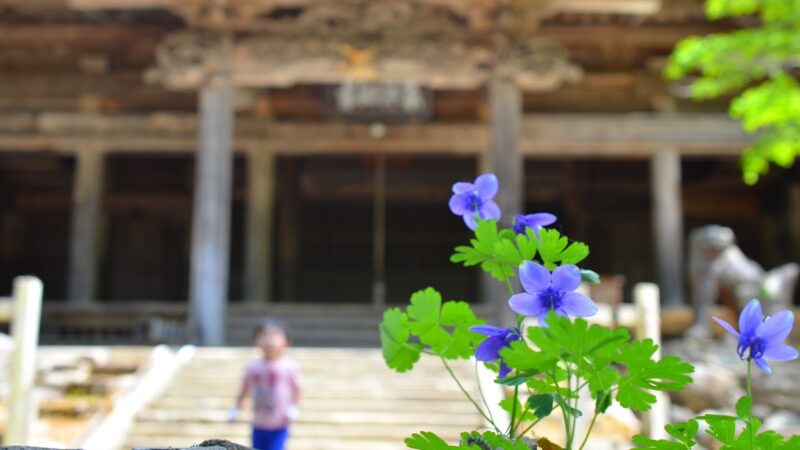
The Yakushido Hall, which houses the seated statue of Yakushi Nyorai (Medicine Buddha), is the central building of Kuroishiji Temple. The temple houses a collection of Buddhist statues from the Heian to Kamakura periods, including the Yakushi Triad (Yakushi Nyorai, Nikko Bosatsu, and Gekko Bosatsu), the Twelve Heavenly Generals, and the Four Heavenly Kings.
Visits are by reservation only, allowing visitors to view these precious cultural artifacts up close while receiving detailed explanations from the head priest or a guide.
Atmosphere of the Temple Grounds
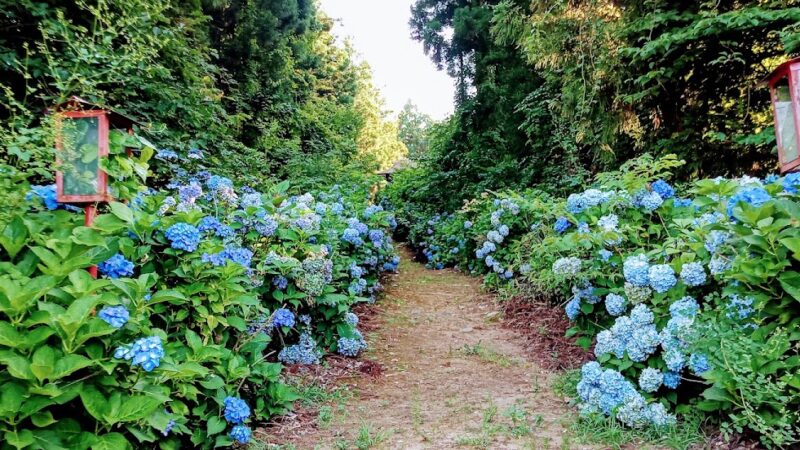
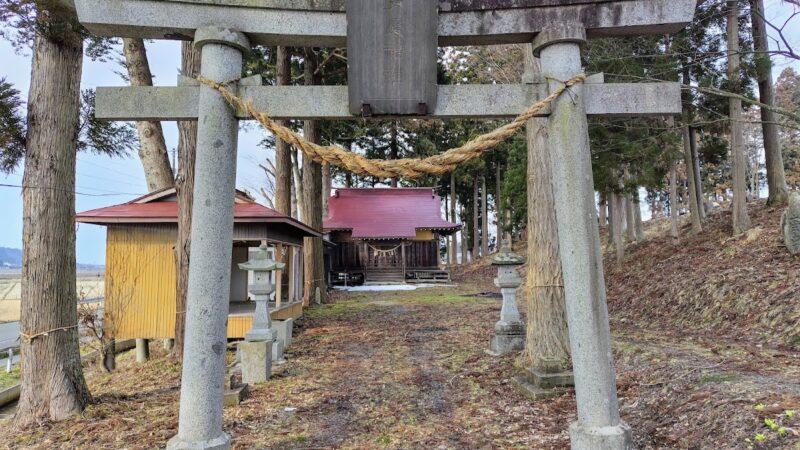
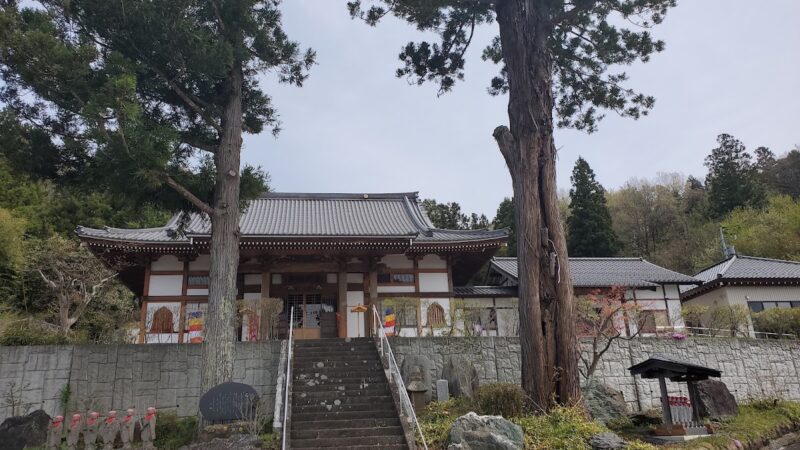
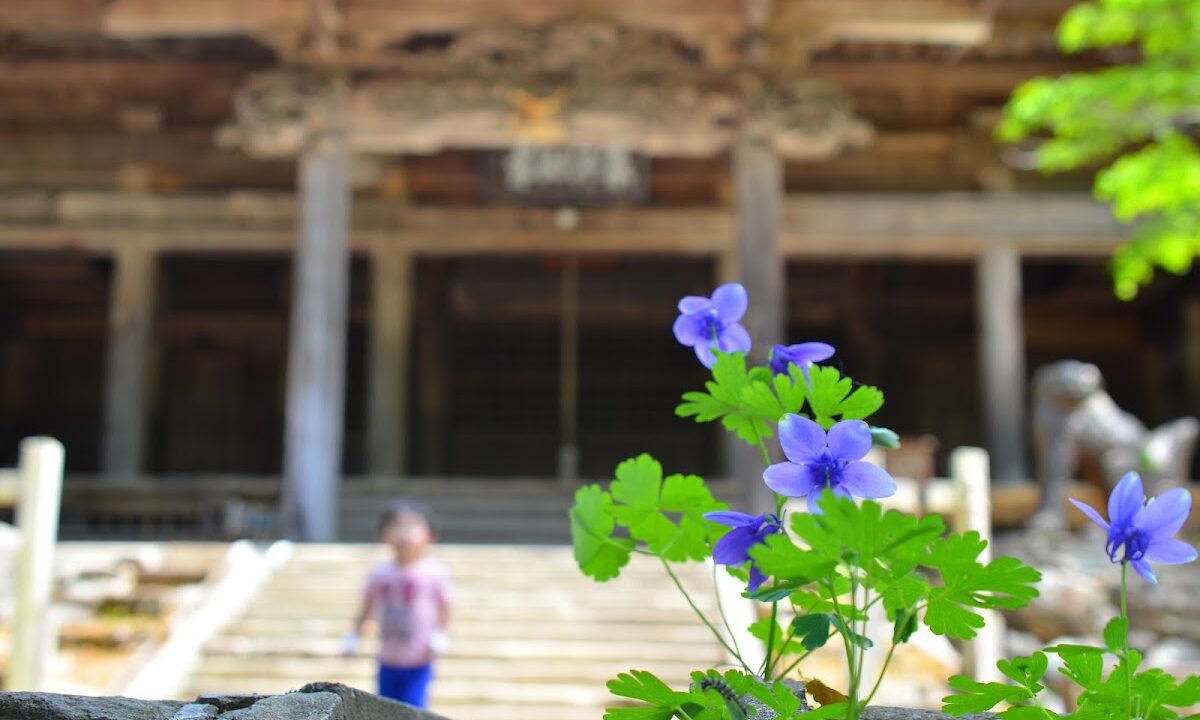
The grounds of Kuroishi-ji Temple are a tranquil space surrounded by a deep forest. As you proceed along the path lined with ancient trees, you will come across temple buildings that exude a sense of history.
The temple grounds are particularly beautiful in autumn when the leaves change color, and in winter when they are covered in snow, displaying a mystical beauty. You can enjoy the atmosphere of this ancient temple amidst the changing seasons.
Surrounding Cultural Properties
In addition to Kuroishi-ji Temple, Oshu City has many other historical and cultural resources. Visiting Shōhō-ji Temple, the Mizusawa Castle ruins, and the townscape of Esashi together will allow you to experience the rich history of this region.
Access Information
Access by Public Transportation
By Train and Bus
- Get off at Mizusawa Station on the JR Tohoku Main Line
- Take the Iwate Kotsu Bus “Shoboji Line”
- Get off at the “Kuroishiji-mae” bus stop, a short walk away
Or
- Get off at Mizusawa-Esashi Station on the JR Tohoku Shinkansen
- Approximately 20 minutes by taxi
Note: Bus services are limited, so we recommend checking the timetable in advance. If using a taxi, please also consider arranging your return trip.
Access by Car
Using the Tohoku Expressway
- Approximately 15 minutes from Mizusawa IC
- Approximately 20 minutes from Kitakami-Esashi IC
Parking: There is free parking on the temple grounds. There is space for several regular-sized cars.
Car Navigation Settings: Search for “17 Yamauchi, Kuroishi-cho, Mizusawa, Oshu City, Iwate Prefecture” or “Kuroishi-dera Temple”
Estimated Travel Time
- From Sendai: Approximately 90 minutes by car
- From Morioka: Approximately 60 minutes by car
- From Hiraizumi: Approximately 40 minutes by car
Notes Regarding Visits
About Advance Reservations
Advance reservations are required to visit Kuroishi-dera Temple. Please make a reservation using the following method.
Contact Information: Kuroishi-dera Temple (Check the official website or call)
When making a reservation, please provide your desired date and time, number of people, and contact information. It is especially recommended to make a reservation well in advance, as it can get crowded on weekends, holidays, and during peak tourist seasons.
Visiting Etiquette
- Photography may be prohibited inside the temple. Please check the following beforehand:
- Do not touch the Buddha statues directly.
- Please observe quietly and be considerate of other visitors.
- Taking notes during explanations is recommended.
Clothing and Items to Bring
- It is very cold in winter, so dress warmly.
- Some parts of the temple grounds are unpaved, so wear comfortable shoes.
- Bring an umbrella or raincoat in case of rain.
- Camera (for taking photos on the temple grounds), notebook, etc.
Nearby Tourist Attractions
Shōhōji Temple
An ancient temple of the Sōtō Zen sect, located about 15 minutes by car from Kuroishiji Temple. Known for its beautiful gardens and architecture.
Mizusawa Esashi Historic Townscape
A townscape that retains the atmosphere of the Edo period, where you can see traditional architecture and merchant houses.
Hiraizumi
Includes Chūsonji Temple and Mōtsūji Temple, known as the World Heritage Site “Cultural Heritage of Hiraizumi.” Approximately 40 minutes by car from Kuroishiji Temple.
Izawa Castle Ruins
The ruins of an ancient castle that served as a base for the administration of Tohoku during the Heian period. It offers insights into the historical context of the era in which the seated Yakushi Nyorai statue at Kuroishi-dera Temple was created.
Significance of Visiting Kuroishi-dera Temple
Kuroishi-dera Temple is not merely a tourist destination; it holds an extremely important position in the history of Japanese Buddhist art. The seated Yakushi Nyorai statue, bearing the inscription of the 4th year of the Jogan era, holds immeasurable historical value as a benchmark example in the study of Buddhist statues from the early Heian period.
Furthermore, the group of Buddhist statues said to have been donated by Fujiwara no Motohira are valuable materials demonstrating the spread of Hiraizumi culture and conveying the faith and culture of the Oshu Fujiwara clan to the present day.
Kuroishi-dera Temple, along with Chuson-ji and Tendai-ji, is an indispensable place for understanding the Buddhist culture of the Tohoku region. Especially for those who enjoy viewing Buddhist statues, it is a must-visit sacred site.
Annual Events at Kuroishi-dera Temple
Even after the Somin Festival, regular temple events continue at Kuroishi-dera Temple.
Main Annual Events:
- New Year’s Day: Shushō-e (New Year’s Ceremony)
- Spring and Autumn Equinoxes: Higan-e (Equinox Ceremony)
- August: Segaki-e (Feeding of Hungry Ghosts Ceremony)
- Other monthly memorial services
For specific dates and participation methods, please contact the temple directly.
Summary
Kuroishi-ji Temple (Ōshū City, Iwate Prefecture) is an ancient Tendai sect temple whose principal image is the only inscribed Jōgan Buddha statue in Japan, bearing the inscription of the 4th year of the Jōgan era. It boasts a history including a founding legend by Gyōki, restoration by Jikaku Daishi, and donations by Fujiwara no Motohira, and preserves a valuable collection of Buddhist statues from the Heian to Kamakura periods.
Although the Somin Festival, a designated intangible folk cultural property, has not been held since 2025, its cultural value remains unchanged. As a treasure trove of Buddhist art representing the Tohoku region, it continues to fascinate many visitors and researchers.
While advance reservations are required for visits, it’s a rare opportunity to view precious cultural artifacts up close while receiving detailed explanations. When visiting Iwate Prefecture, be sure to visit Kuroishi-dera Temple and come face to face with the Buddhist statues steeped in over a thousand years of history.
The nearest stations are Mizusawa Station or Mizusawa-Esashi Station, and it’s also convenient to visit by car. There are many other historical sites nearby, such as Hiraizumi and Shōhō-ji Temple, making for a fulfilling historical exploration trip.