Kakuhonji Temple (Tochigi Prefecture) Complete Guide: History, Goshuin (Temple Seal), and Access Information Explained in Detail
Tochigi Prefecture is home to numerous historical temples, but among them, Kakuhonji Temple, which attracts deeply rooted local faith, is one well worth visiting. This article provides detailed information useful for those considering a visit, from the historical background and highlights of Kakuhonji Temple to information on goshuin (temple seals) and access methods.
What is Kakuhonji Temple?
Kakuhonji Temple is a Buddhist temple located in Tochigi Prefecture, with a long history as a center of faith for the local people. Nestled in a tranquil environment, this temple is an ideal place to escape the hustle and bustle of everyday life and find peace of mind, attracting not only local residents but also visitors from neighboring areas.
Basic Temple Information
We have compiled basic information you should know before visiting Kakuhonji Temple. Please use this as a reference when planning your visit.
Sect and Principal Image
Kakuhonji Temple, as a Buddhist temple, belongs to a specific sect and enshrines a principal image. The sect of a temple forms the foundation for practicing Buddhist teachings, and the principal image of worship watches over visitors as the central figure of faith.
Temple Size and Grounds
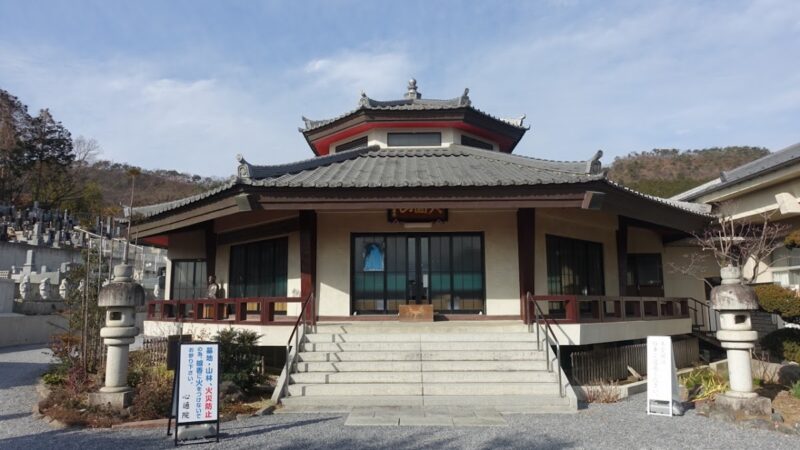
The temple grounds are of a moderate size and are centered around the main hall. The well-maintained grounds provide an environment where visitors can experience the changing seasons while worshipping.
History of Kakuhonji Temple
Unraveling the history of Kakuhonji Temple allows us to understand the role this temple has played in the community.
Founding History
Like many temples, Kakuhonji Temple was founded within a specific historical context. It is believed that the temple’s founding was due to the efforts of influential figures and monks in the region at the time. From its inception, it has served as a spiritual pillar for the local residents.
Historical Changes
Throughout its long history, Kakuhonji Temple has experienced various historical shifts. The fact that the temple has maintained its function through historical turning points such as the Sengoku period, the Edo period, and the Meiji Restoration speaks volumes about the depth of faith in the region.
Kakuhonji Temple in the Edo Period
During the Edo period, it served as a local parishioner temple under the temple registration system. It is believed that the foundation of the current temple was formed during this period.
Development Since the Modern Era
Despite the impact of the anti-Buddhist movement after the Meiji Restoration, it survived, supported by local faith, and has continued to uphold its religious traditions to this day.
Highlights of Kakuhonji Temple
Here are some highlights to look out for when visiting Kakuhonji Temple.
Main Hall
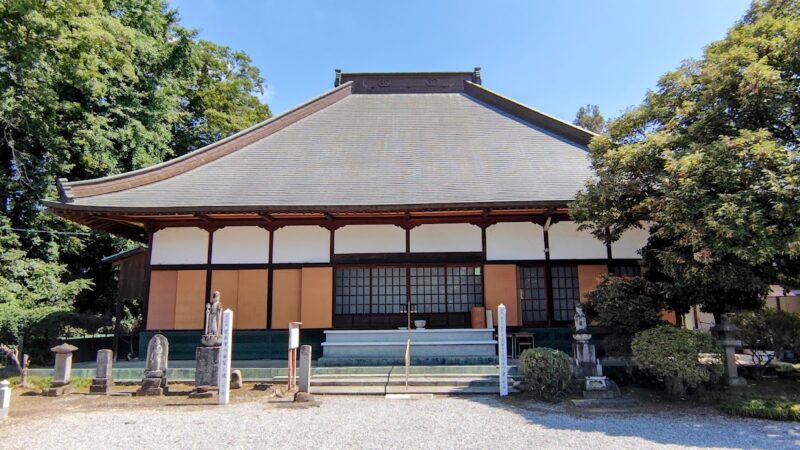
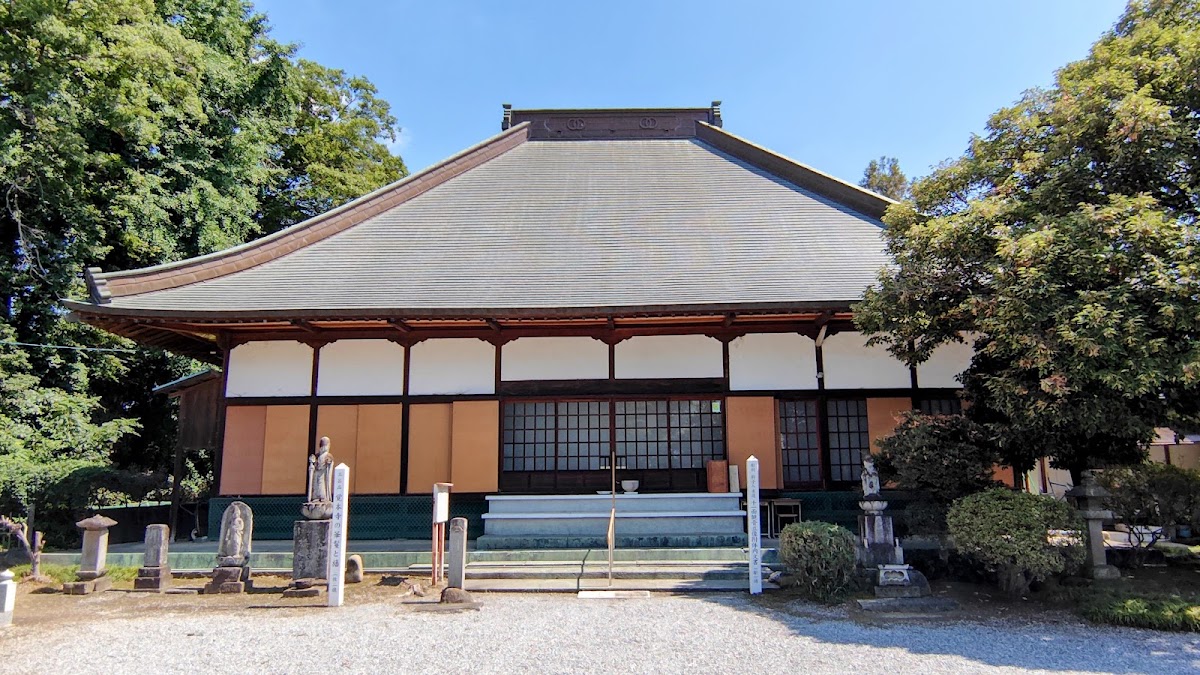
The main hall, the heart of the temple, is the primary place of worship. The principal image is enshrined inside, and quietly offering prayers can bring peace of mind. Pay attention to the architectural style and interior decorations.
Nature on the Temple Grounds
The grounds of Kakuhonji Temple offer a natural environment that changes with the seasons.
Spring Scenery
In spring, cherry blossoms and plum blossoms bloom, beautifully decorating the temple grounds. The season of fresh greenery offers a refreshing atmosphere for worship.
Summer Greenery
In summer, the grounds are covered in deep green, and the shade of the trees provides coolness.
Autumn Foliage
In autumn, the autumn leaves are beautiful, allowing you to feel the changing seasons in tranquility.
Winter Serenity
In winter, the snow-covered grounds envelop the temple, creating an even greater sense of tranquility and solemnity.
Stone Monuments and Buddha Statues
There are sometimes stone monuments and Buddha statues scattered throughout the temple grounds that evoke a sense of history. These are valuable cultural assets that convey the history of the temple and the local faith.
About Goshuin (Temple Seals)
In recent years, collecting Goshuin has become popular, and it may be possible to obtain one at Kakuhonji Temple.
Significance of Goshuin
Goshuin are not merely commemorative stamps, but sacred items received from the temple as proof of worship. Originally, these stamps were given as proof of having offered a handwritten copy of a sutra, but now they are widely used as proof of worship.
Manners for Receiving a Goshuin (Temple Stamp)
When receiving a Goshuin, please observe the following manners:
- Always worship first: Since the Goshuin is proof of worship, please worship at the main hall first before receiving it.
- Prepare a Goshuincho (Stamp Book): We recommend using a dedicated Goshuincho.
- Prepare the offering: It is polite to have small change ready so that no change is given.
- Use polite language: Please politely ask, “May I receive a Goshuin?”
- Express gratitude: After receiving it, express your gratitude by saying “Thank you.”
Goshuin Reception Hours
Goshuin reception hours vary depending on the temple. When visiting Kakuhonji Temple, we recommend checking by phone in advance or asking directly during your visit. Generally, temples are open from 9:00 AM to around 4:00 PM, but this may not be possible if there are memorial services or other events.
Annual Events and Memorial Services
Kakuhonji Temple may hold various events and memorial services throughout the year.
Main Annual Events
New Year’s Events
At the start of the new year, visitors come for their first shrine visit of the year to pray for good health and protection from illness throughout the year.
Spring and Autumn Equinox Services
During the equinox period, centered around the spring and autumn equinoxes, memorial services for ancestors are held.
Obon Festival
In August, the Obon festival is held to commemorate the spirits of ancestors.
Special Memorial Services
Special memorial services may be held on the anniversary of the temple’s founding or other significant anniversaries. Participating in these events allows you to deepen your connection with the temple.
Access Information
We will guide you on how to access Kakuhonji Temple.
Access by Public Transportation
To access Kakuhonji Temple using public transportation within Tochigi Prefecture, you will need to take a bus or taxi from the nearest station. Specific access methods vary depending on the temple’s location, so it is recommended to check in advance.
If using the train:
Check the nearest station and consider secondary transportation options from there.
If using the bus:
If a bus service is available, it is advisable to check the timetable in advance.
Access by Car
If visiting by car, you can access the temple by entering the temple name or address into your car’s navigation system.
Parking:
It is recommended to check in advance whether the temple has a parking lot. Smaller temples may have limited parking space.
Access from Major Roads:
Check access routes from major roads and expressways within Tochigi Prefecture in advance.
Landmarks in the Surrounding Area
There may be local public facilities and commercial facilities around Kakuhonji Temple. Using these as landmarks will help you find your way without getting lost, even if it’s your first visit.
Manners and Etiquette for Visiting Temples
When visiting a temple, it is important to observe basic manners and etiquette.
Bowing at the Temple Gate
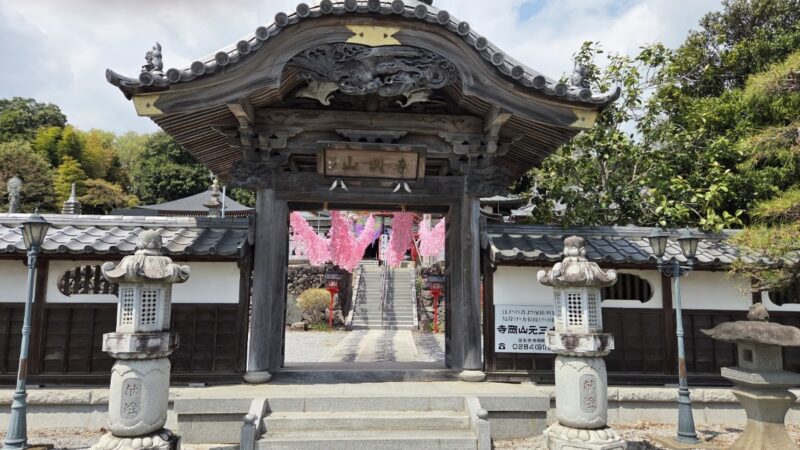
Before passing through the temple gate (sanmon), which is the entrance to the temple, bow before entering the grounds. This is a sign of respect for entering the realm of Buddha.
Proper Ritual at the Water Basin
If there is a water basin, purify yourself using the following steps:
- Take the ladle with your right hand and purify your left hand.
- Switch the ladle to your left hand and purify your right hand.
- Switch the ladle back to your right hand, receive water in your left hand, and rinse your mouth.
- Purify your left hand once more.
- Hold the ladle upright, purify the handle, and return it to its original place.
Worship at the Main Hall
Worship at the main hall using the following procedure:
- Stand with good posture.
- Bow.
- If there is an offering box, quietly place your offering in it.
- Join your hands in prayer and pray sincerely.
- Bow and leave.
Precautions on the Temple Grounds
- Do not speak loudly; remain quiet.
- Take photographs only in designated areas.
- Photography is often prohibited inside the main hall.
- Take your trash with you.
- Do not enter areas other than those designated.
Kakuhonji Temple’s Connection to the Community
Kakuhonji Temple is not merely a religious institution; it functions as an important part of the local community.
The Danka System and the Local Community
Like many temples, Kakuhonji Temple has deep ties with local residents through the danka system (parishioner system). The parishioners support the maintenance and operation of the temple, and the temple acts as a spiritual pillar for the parishioners, conducting funerals and memorial services.
Participation in Local Events
The temple sometimes participates in local festivals and events, contributing to the preservation of local culture.
Protection of Cultural Properties
Cultural properties held by temples are valuable resources that convey the history of the region. Kakuhonji Temple also plays a role in conveying the history of the region to the present day.
Temple Culture in Tochigi Prefecture
Understanding the temple culture of Tochigi Prefecture as a whole is also beneficial in understanding Kakuhonji Temple.
Buddhist History in Tochigi Prefecture
Buddhism has been introduced to Tochigi Prefecture since ancient times, and many famous temples have been established there. Tochigi Prefecture boasts numerous historically significant temples, including Nikko Toshogu Shrine (located on Mount Nikko) and temples deeply associated with Ashikaga School.
Diversity of Sects
Tochigi Prefecture is home to temples of various sects, including Tendai, Shingon, Jodo, Jodo Shinshu, Soto, and Rinzai, each preserving its own unique teachings and traditions.
Regional Characteristics
Temples differ in their characteristics and historical background depending on the region, such as the northern, central, and southern parts of the prefecture. Understanding the characteristics of the area where Kakuhonji Temple is located will allow for a deeper understanding of the temple.
Guidelines for Visiting
When visiting Kakuhonji Temple, we recommend keeping the following guidelines in mind.
Respect as a Place of Worship
Before being a tourist destination, a temple is a place of worship. Please visit with respect and consideration for the faith of visitors, monks, and local residents.
With a Quiet Heart
The true meaning of visiting a temple lies in taking time to quietly contemplate the Buddha, away from the hustle and bustle of everyday life. Please use your smartphone sparingly and cherish the atmosphere of the place.
A Learning Attitude
Temples have a long history and profound teachings. If you have any questions, ask them respectfully, and maintaining a learning attitude will lead to a more fulfilling pilgrimage experience.
Nearby Tourist Attractions
When visiting Kakuhonji Temple, visiting nearby tourist attractions will make your trip even more fulfilling.
Major Tourist Destinations in Tochigi Prefecture
Tochigi Prefecture boasts a variety of tourist attractions, including the World Heritage Site Nikko Toshogu Shrine, Kinugawa Onsen, Nasu Highlands, and Ashikaga Flower Park. Depending on the location of Kakuhonji Temple, you can create an itinerary that combines nearby tourist destinations.
Local Specialties
Tochigi Prefecture is known for various local specialties, such as Utsunomiya gyoza, strawberries (Tochiotome), and kanpyo (dried gourd strips). Enjoying local cuisine after your visit is also recommended.
The Significance of Temple Visits
What is the significance of visiting temples in modern society?
Peace of Mind
In our busy daily lives, temples are a precious space for finding peace of mind. Spending time in the quiet temple grounds leads to mental refreshment.
Dialogue with History
Visiting a temple is also a dialogue with the history and culture of the region. By experiencing the faith and culture that our ancestors have preserved and passed down, it becomes an opportunity to re-examine our own roots.
A Heart of Gratitude
Through temple visits, we can renew our gratitude for our daily lives. It is a place to reaffirm our appreciation for things we often take for granted, such as health, family, and peaceful daily life.
Summary
Kakuhonji Temple is a historic temple in Tochigi Prefecture that attracts the faith of the local people. By finding peace of mind in its quiet grounds and offering prayers to Buddha, you can spend precious time away from the hustle and bustle of everyday life.
When visiting a temple, it is important to observe basic manners and etiquette, and to show respect for a place of worship. Even when receiving a Goshuin (temple stamp), please first offer your prayers and then politely request one.
Visiting Kakuhonji Temple allows you to experience the history, culture, and faith of the local people of Tochigi Prefecture. Combining a visit with other nearby tourist attractions will make your trip to Tochigi even more fulfilling.
Temple visits offer a valuable opportunity to find peace of mind, learn about history and culture, and renew your sense of gratitude. Please visit Kakuhonji Temple and experience its charm for yourself.